

Ai Weiwei Installs 500 Cast-Iron Helmets Outside Sydney Museum
Ai Weiwei's 500 cast-iron helmets opened outside Sydney's MCA on 25 September, a work he calls a warning rather than a joke.
 illustrarch Editoral Team5 October 20262 Mins read23
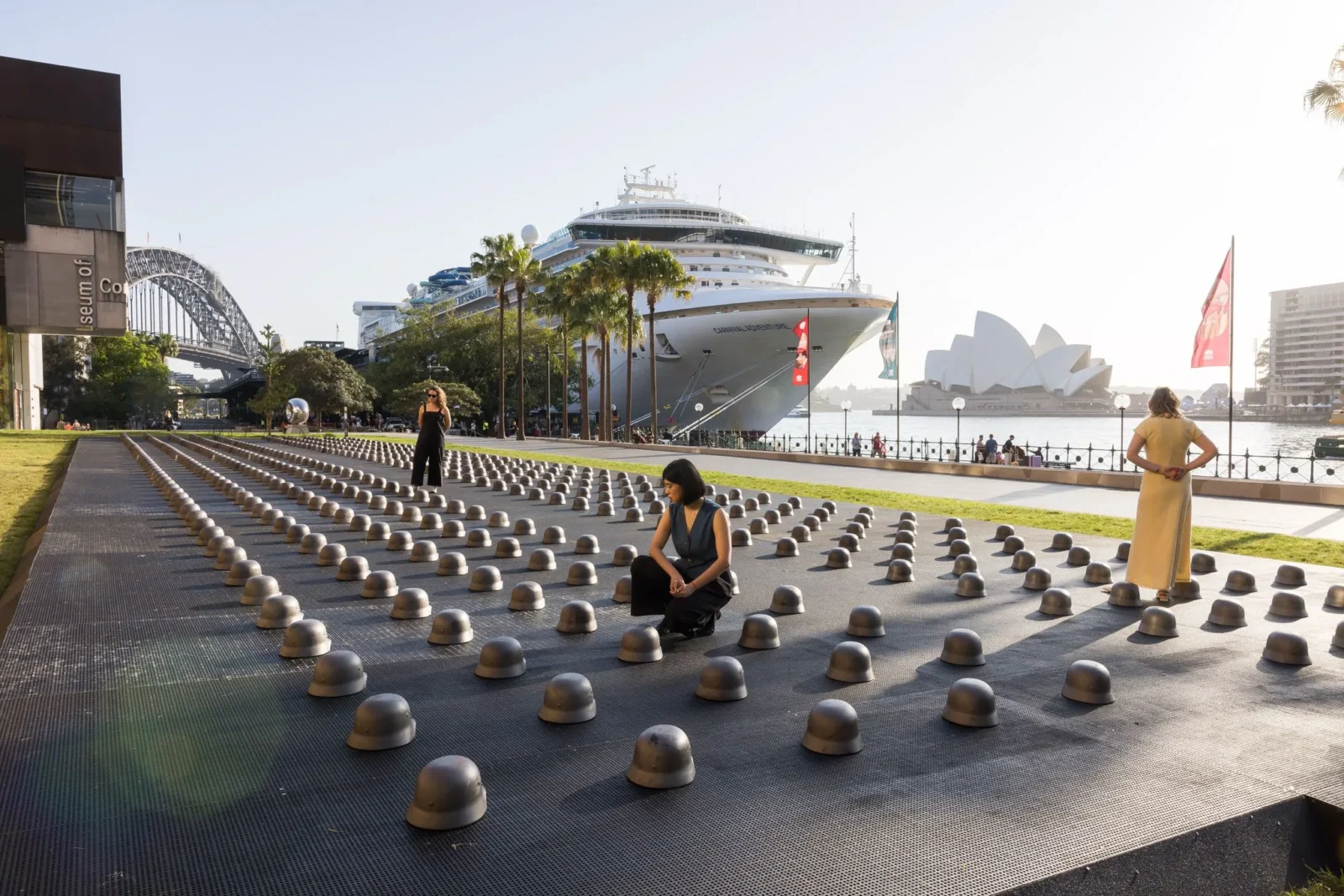
Five hundred cast-iron combat helmets, arranged in ten even rows, now sit on the lawn outside the Museum of Contemporary Art Australia in Sydney. The installation, called Mushrooms, was unveiled on Friday 25 September 2026 by the artist Ai Weiwei and will remain on display for seven months.
The piece is this year’s Neil Balnaves Tallawoladah Lawn Commission, a program named for the Australian businessman and philanthropist Neil Balnaves, who died in a boating accident near Tahiti in 2022 at the age of 77. Last year’s edition of the commission was Ancient Feelings, a three-metre golden bronze head by the British sculptor Thomas J. Price, facing out toward Sydney Harbour.
What Ai Weiwei’s Mushrooms means
According to a statement from the artist, the title plays on multiple meanings: mushrooms growing in darkness, the mushroom cloud of a nuclear blast, and a Chinese figure of speech in which the word for mushroom also implies endless delay.
Ai has said the idea for the work took shape after Germany pledged 5,000 helmets to Ukraine in the weeks before Russia’s February 2022 invasion, an offer that drew widespread ridicule at the time as an inadequate response to the gathering crisis. Speaking to The Art Newspaper, Ai was careful to frame the sculpture as something more than commentary on that single episode.

“Mushrooms is not a political joke. Rather, it demonstrates how shallow an understanding today’s national leadership can have of the human condition and of what may happen in the future,” Ai Weiwei said.
He went further, describing civilisation itself as a fragile and recent achievement.
“The history of civilisation spans only a few thousand years, during which humanity has not yet developed a solid understanding of the value of human beings, nor established sufficient constraints on the political actions of states, regimes or interest groups,” he said.
“In fact, we remain in a state of uncertainty, one in which the foundations themselves seem increasingly vulnerable to being overturned. What we call civilisation today, or the sense of security to which we have become accustomed, can disappear within a very short space of time,” Ai added.
Ai Weiwei on uncertainty and resistance

Ai told the outlet that the unease he sees in the present moment is not simply a byproduct of technological acceleration.
“This uncertainty does not arise merely from the rapid development of society, technology and productive capacity; at the same time, it comes from humanity’s deep immersion in the simple pursuit of material gratification, and from our gradual loss of reflection on the value of life itself,” he said.
He also pointed to artificial intelligence, alongside armed conflict, as a force reshaping how people relate to one another and to the institutions around them, unsettling long-held ideas about trust and belief.
Ai has spoken previously of drawing inspiration from his father, the poet Ai Qing, whose commitment to truth and free expression brought him years of persecution under Mao Zedong’s rule, a story Ai Weiwei chronicled in his 2021 memoir, 1000 Years of Joys and Sorrows. That lineage, he suggested, underpins the argument at the heart of Mushrooms.
“The ability to speak out on human rights and freedom of expression is the final form of resistance still available to humanity,” Ai Weiwei said.
Mushrooms is scheduled to remain on the Tallawoladah Lawn outside the museum for seven months from its unveiling.




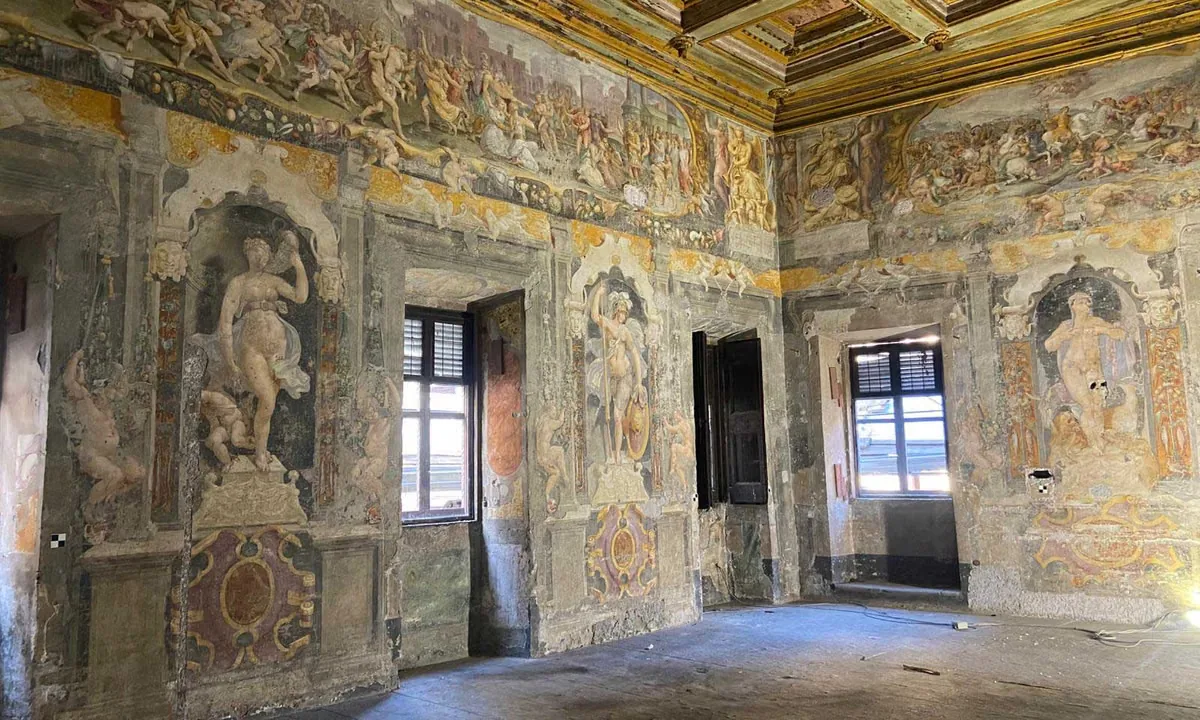
Restorers Uncover 16th-Century Murals Hidden by Nuns in Villa Silvestri Rivaldi
Conservators in Rome are uncovering 16th-century murals hidden for 300 years inside...
illustrarch Editoral Team3 Mins read

A New Book Records the 1970s Interiors of Ebony and Jet’s Chicago Headquarters
820 Ebony/Jet collects Barbara Karant's photographs of the empty Johnson Publishing Company...
illustrarch Editoral Team2 Mins read
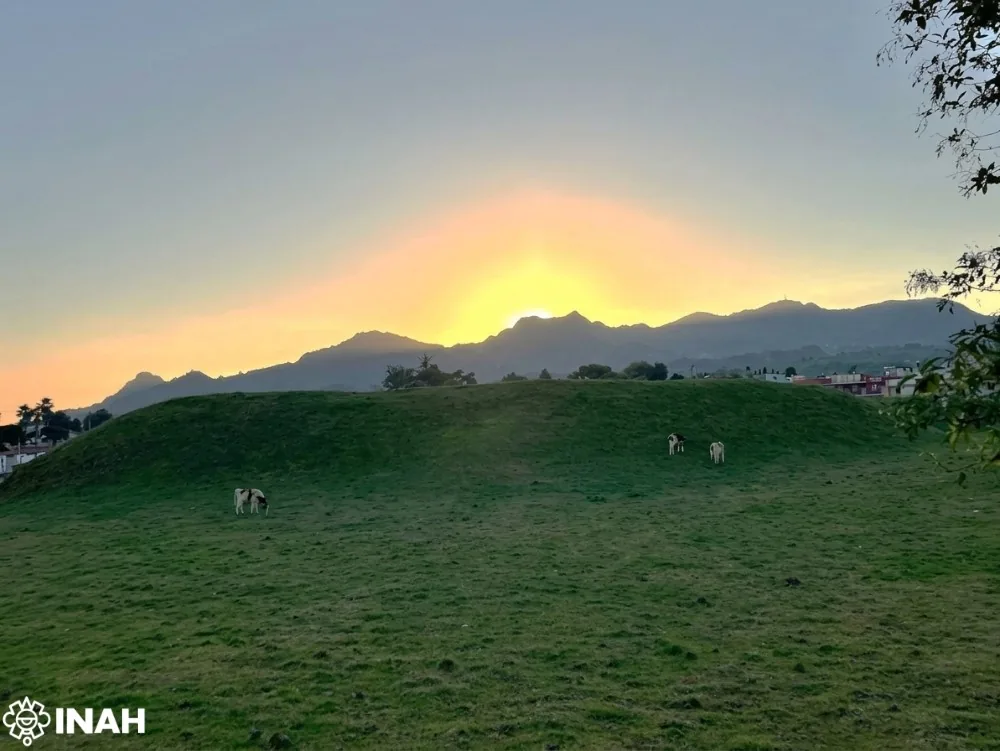
A 2,500-Year-Old Solar Observatory in Puebla Is the First Group E Complex Found Outside the Maya Area
Archaeologists working for Mexico's INAH have confirmed that two platforms at Teteles...
illustrarch Editoral Team2 Mins read
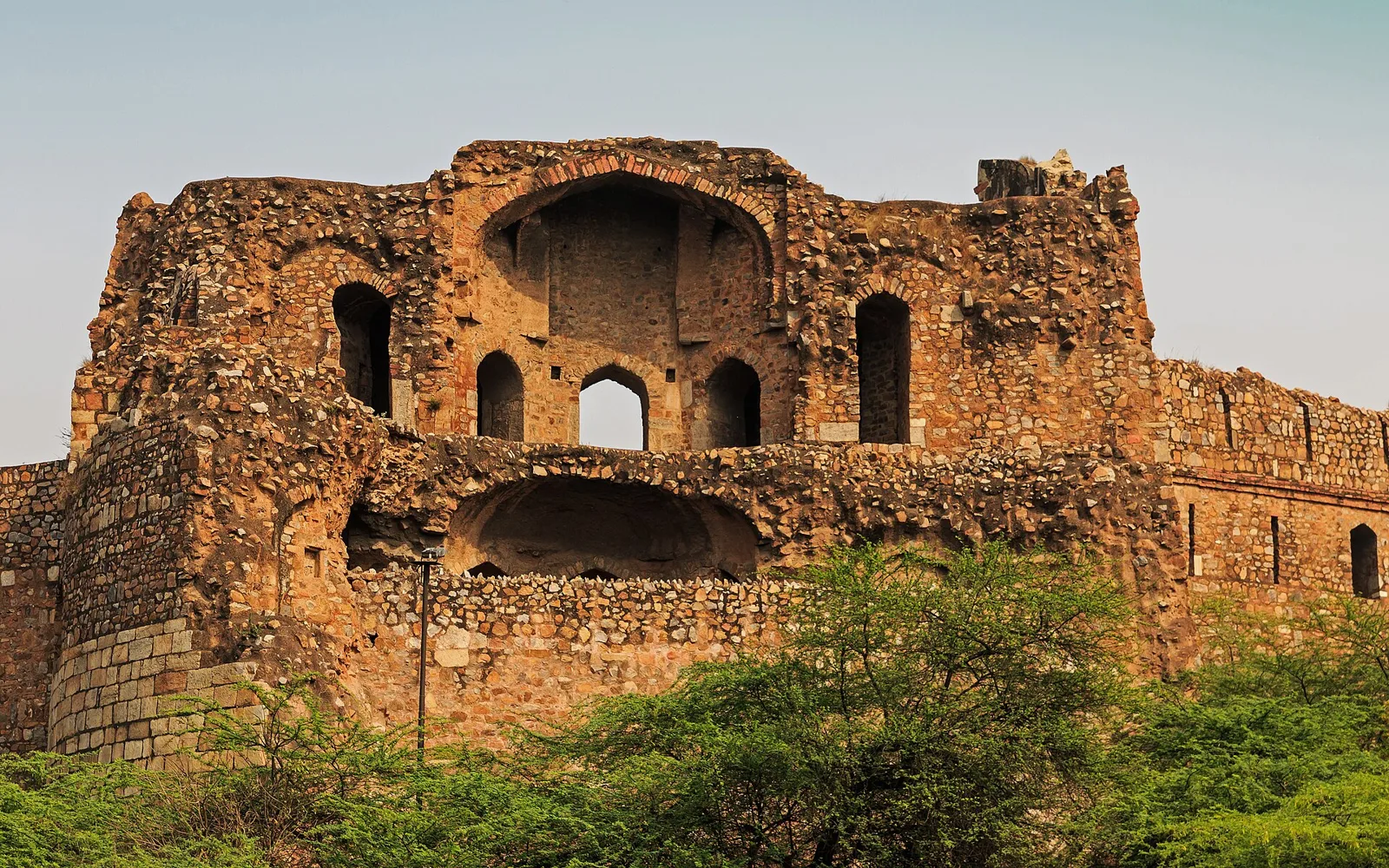
India Art, Architecture & Design Biennale 2026: Ministry of Culture Opens Delhi Monuments
Delhi's monuments, including Purana Quila and the Red Fort, will host the...
illustrarch Editoral Team2 Mins read


Leave a comment