

Ester Roa Rebolledo Municipal Stadium by Valle Cornejo Arquitectos
Valle Cornejo Arquitectos modernise Concepcion's municipal stadium by wrapping a single continuous ribbon around its perimeter, pulling decades of piecemeal additions back into one building.
 illustrarch Editoral Team26 September 20262 Mins read23
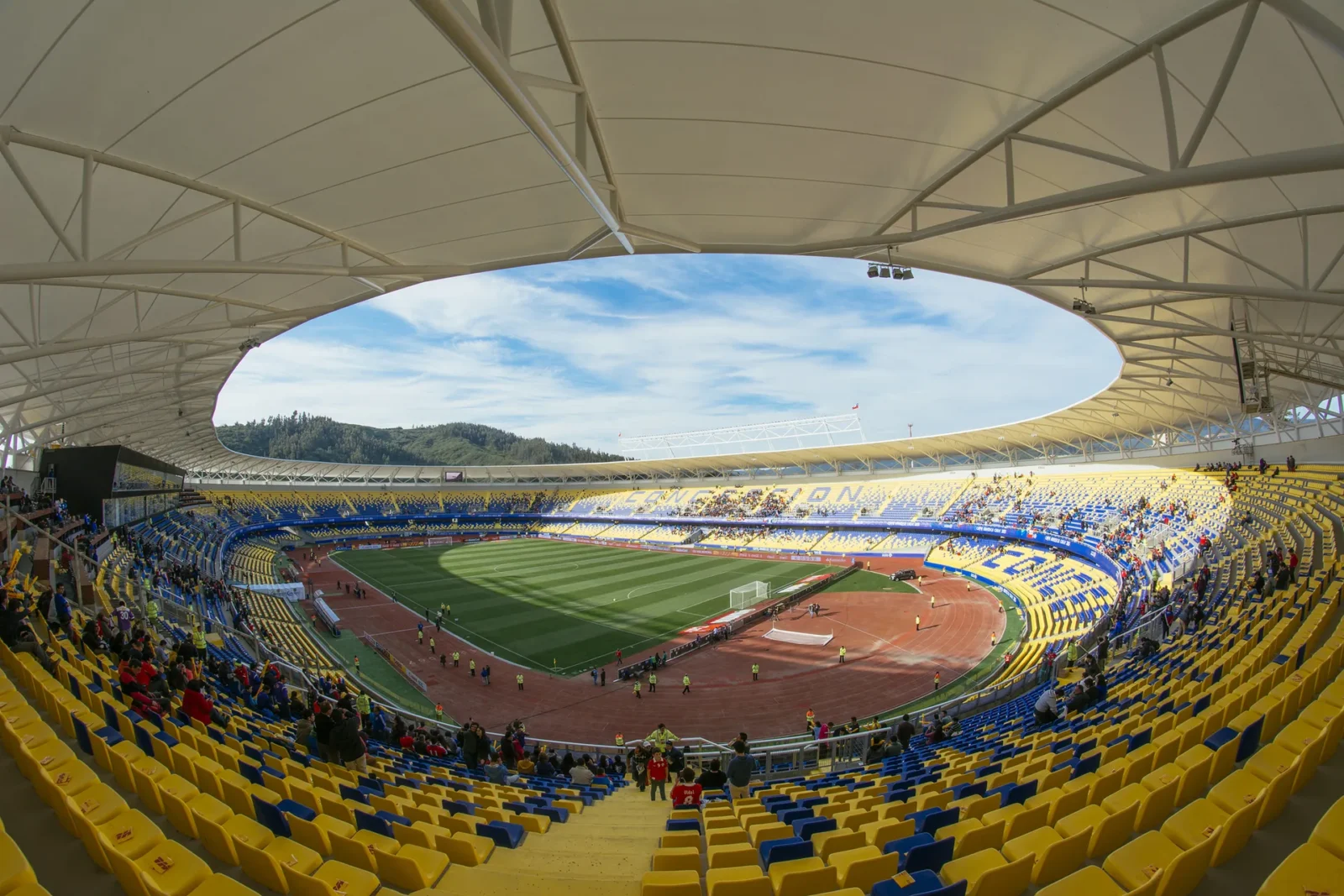


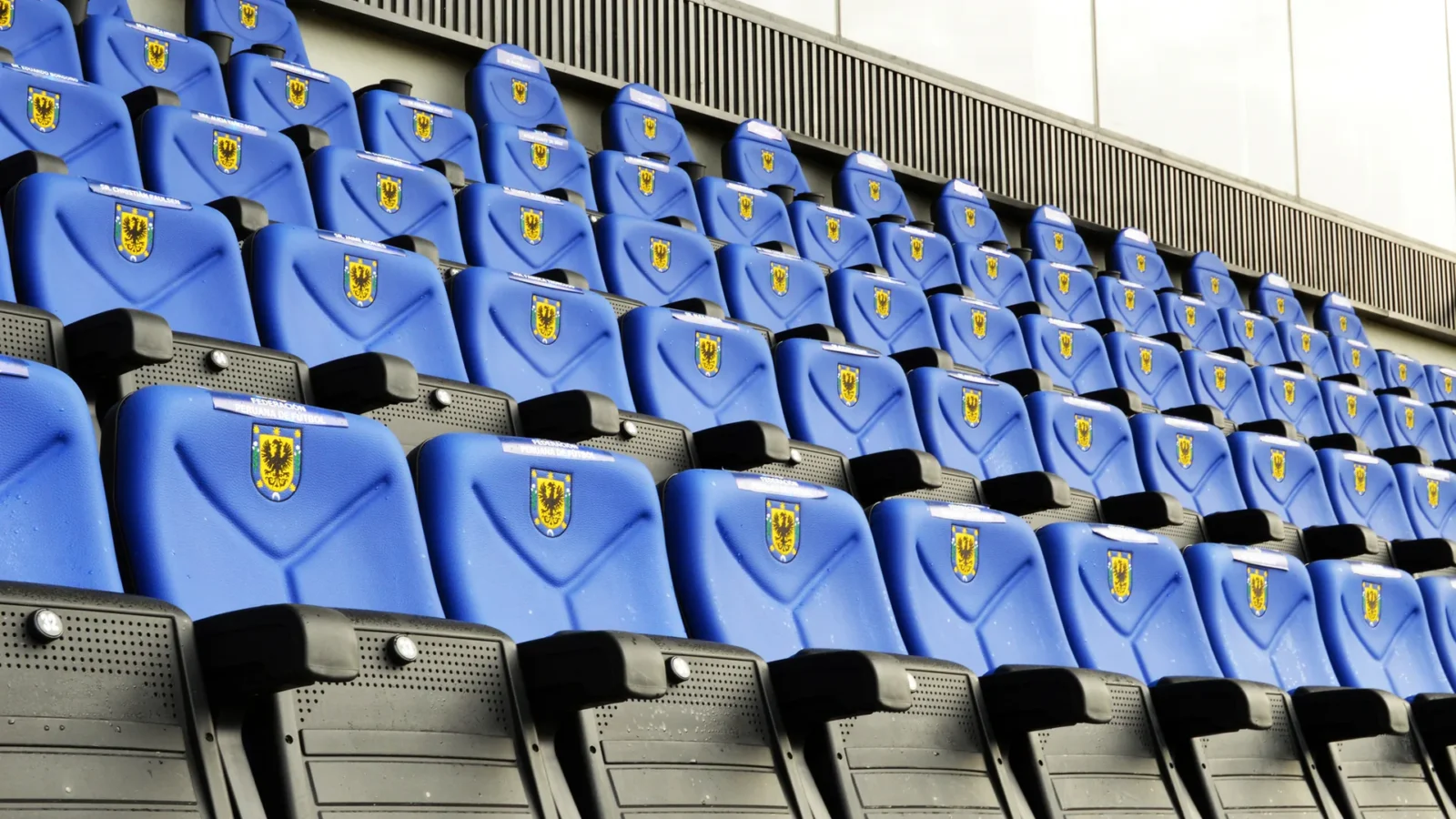

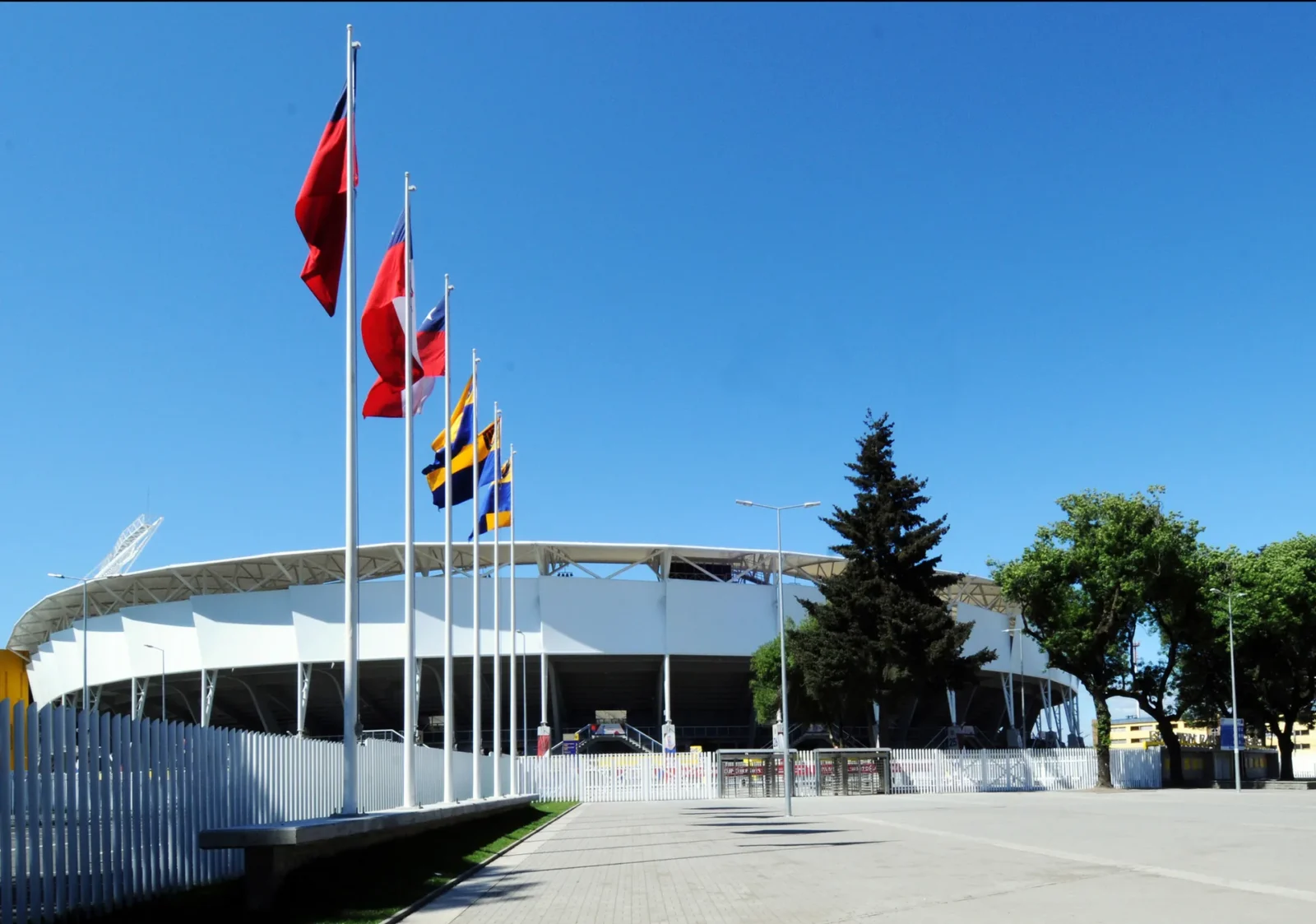

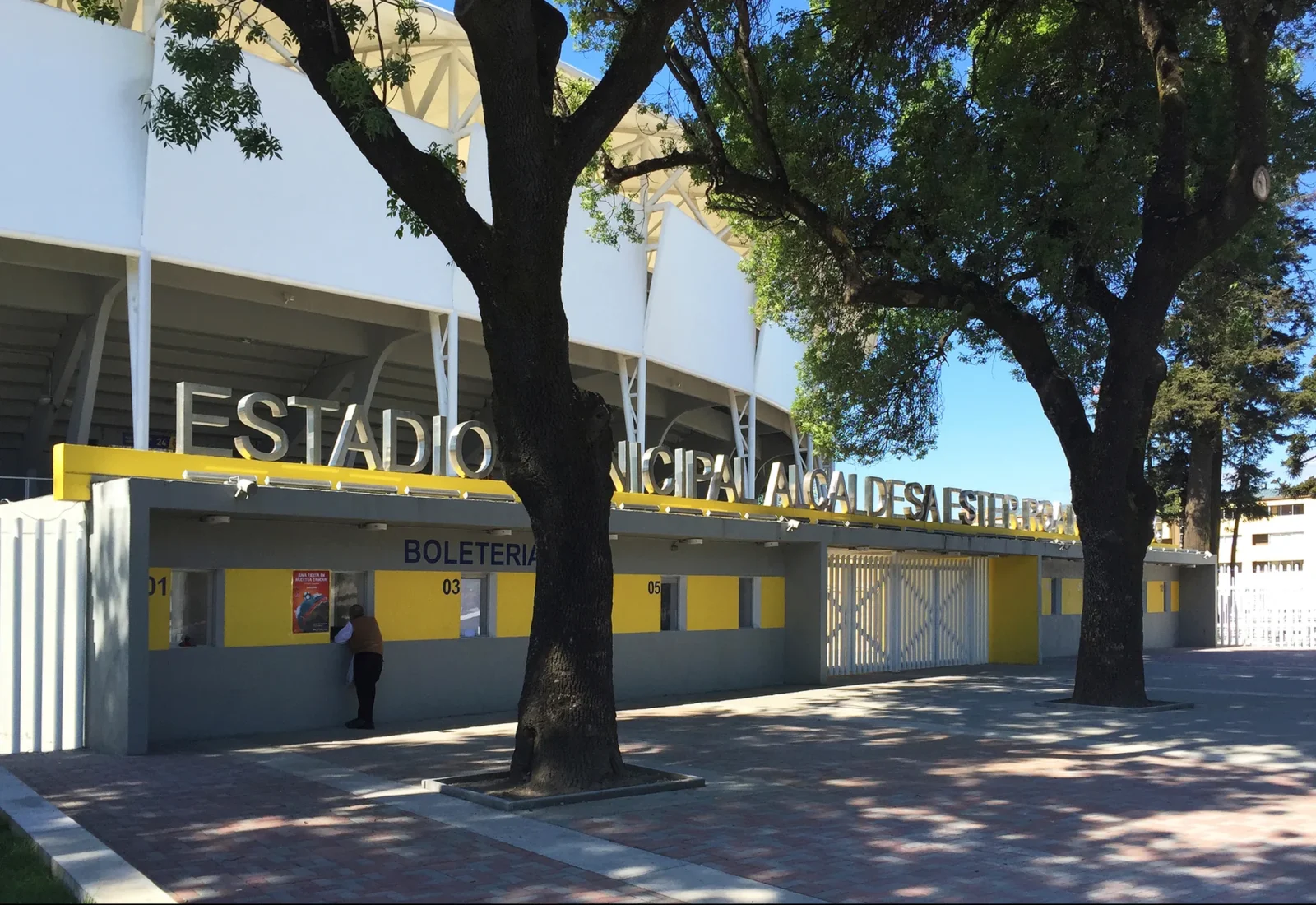
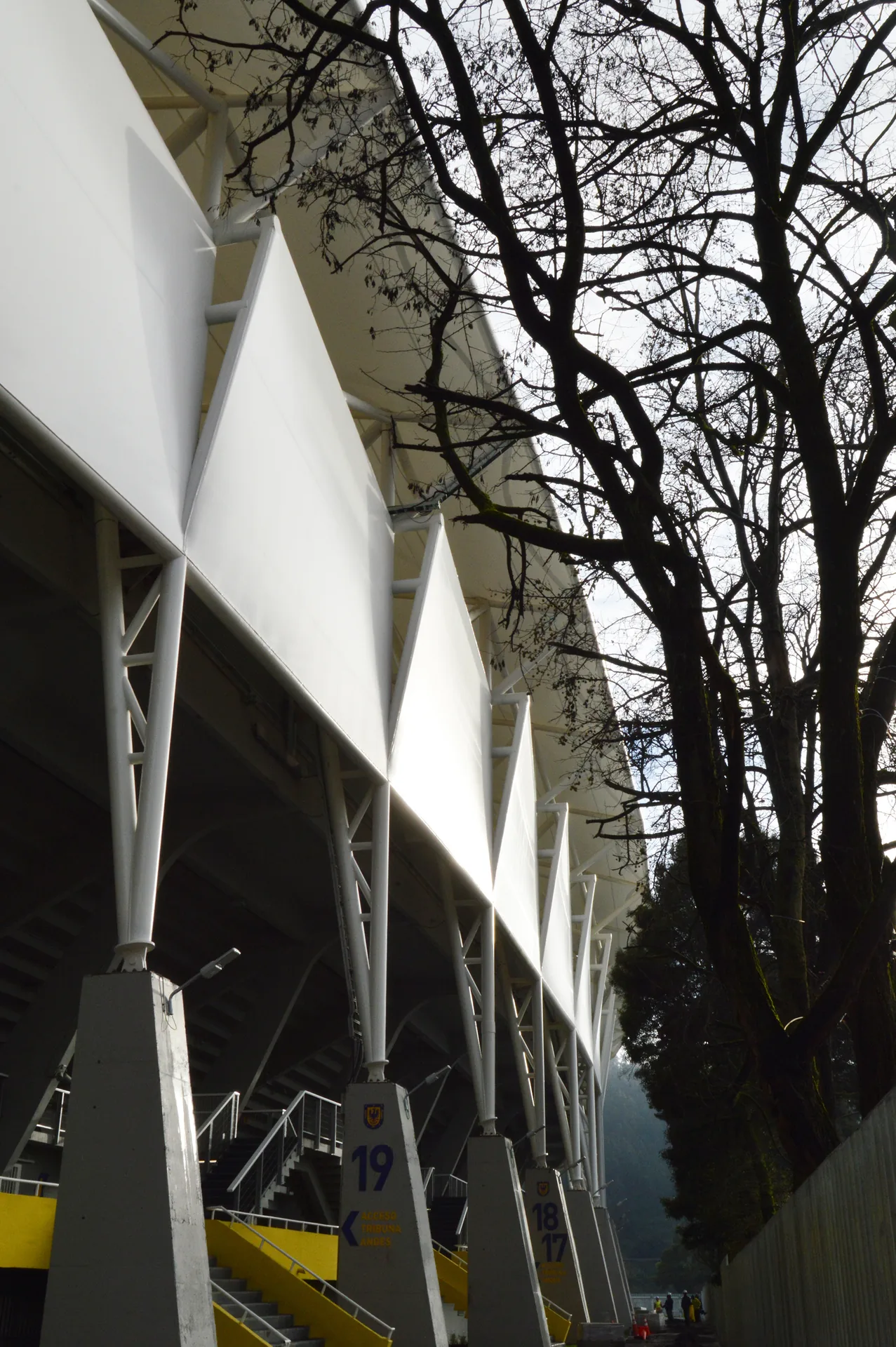

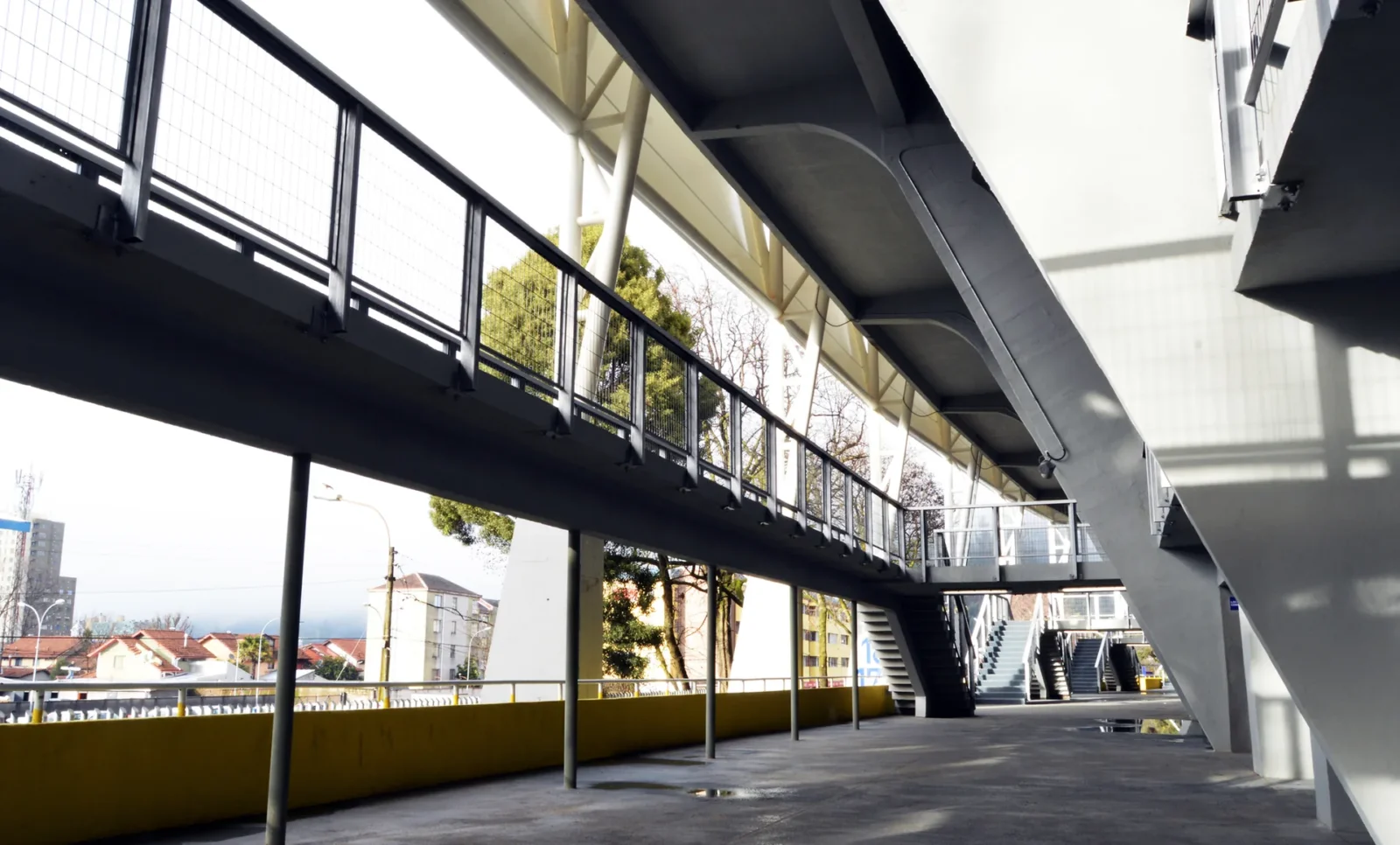


Ester Roa Rebolledo Municipal Stadium already existed, and that was the whole difficulty of modernising it. When Valle Cornejo Arquitectos took on its modernisation, they inherited a set of design and construction decisions made by other people at other times, and were asked to lift the result to the sporting and architectural standards a landmark of this social weight in the city ought to meet.
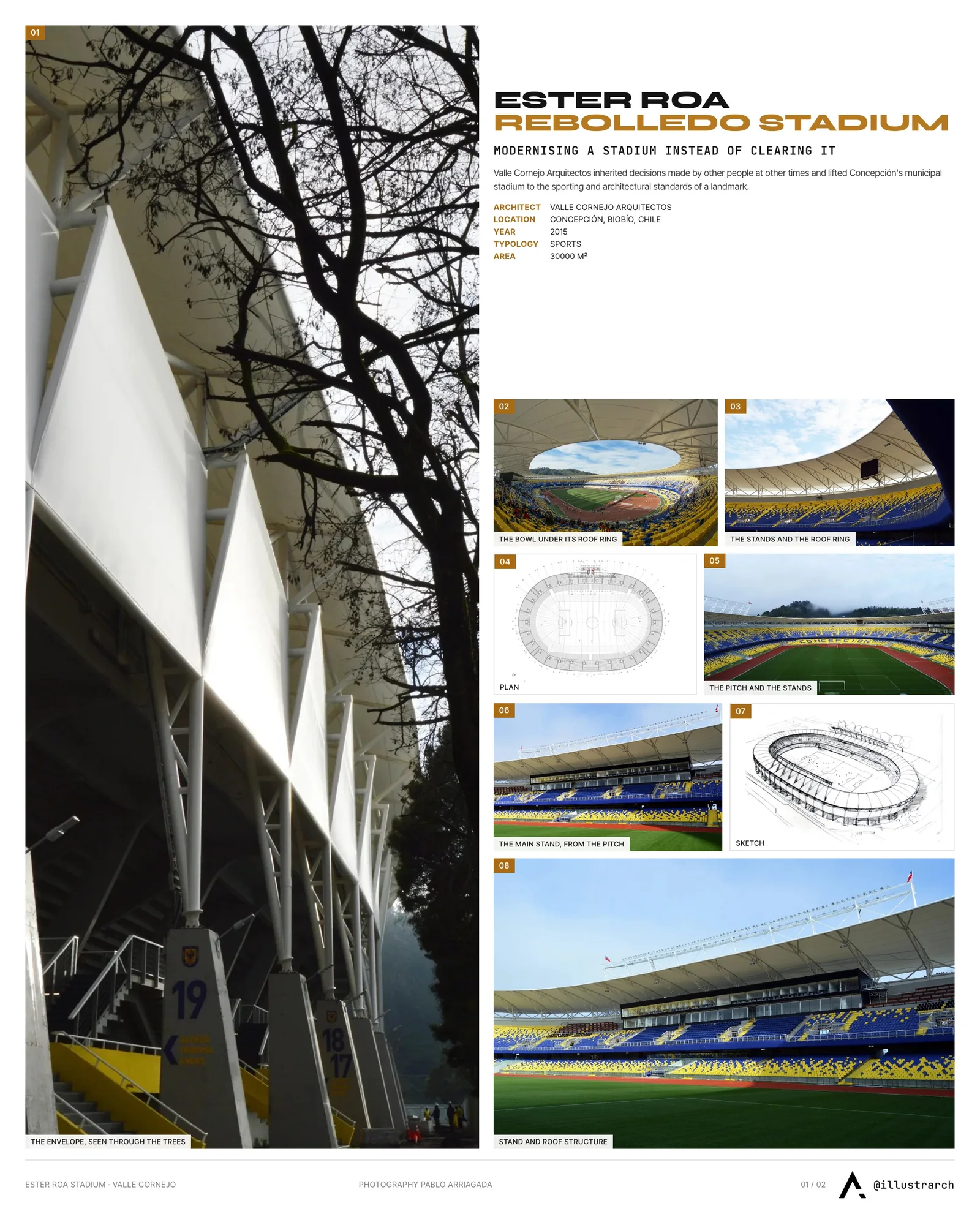
Those inherited conditions had to be adopted rather than argued with. Layered on top were a construction programme that was both tight and complicated, and sports regulations written to a high standard, neither of which offered much slack.
Evolving a building instead of clearing it
What the practice describes is an intervention that takes something already standing, the stadium and the public ground around it, and acts on it so it moves on from where it was. Whatever potential the place held is put to work; the weaknesses in how it was designed and how it was built get corrected.
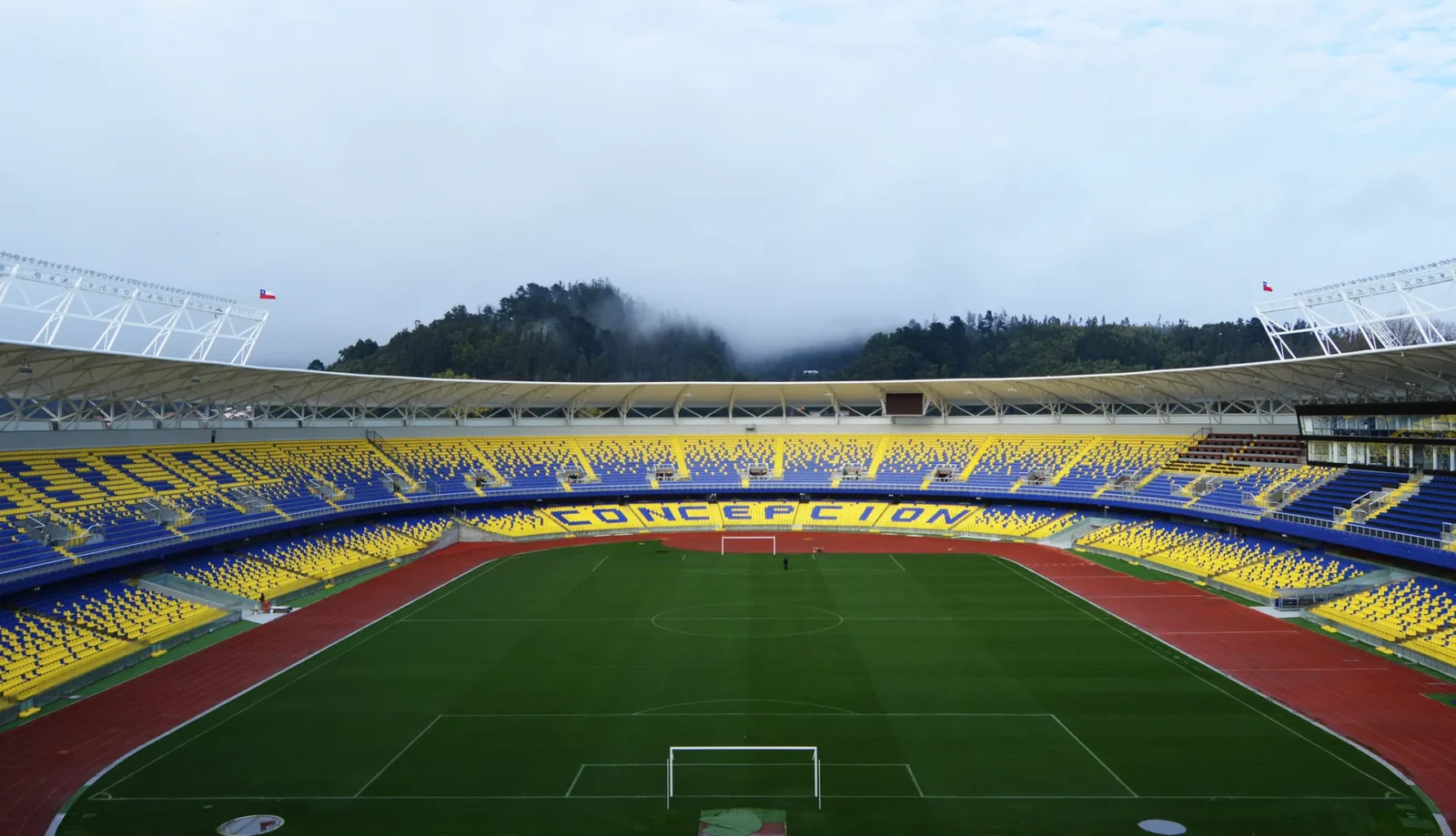
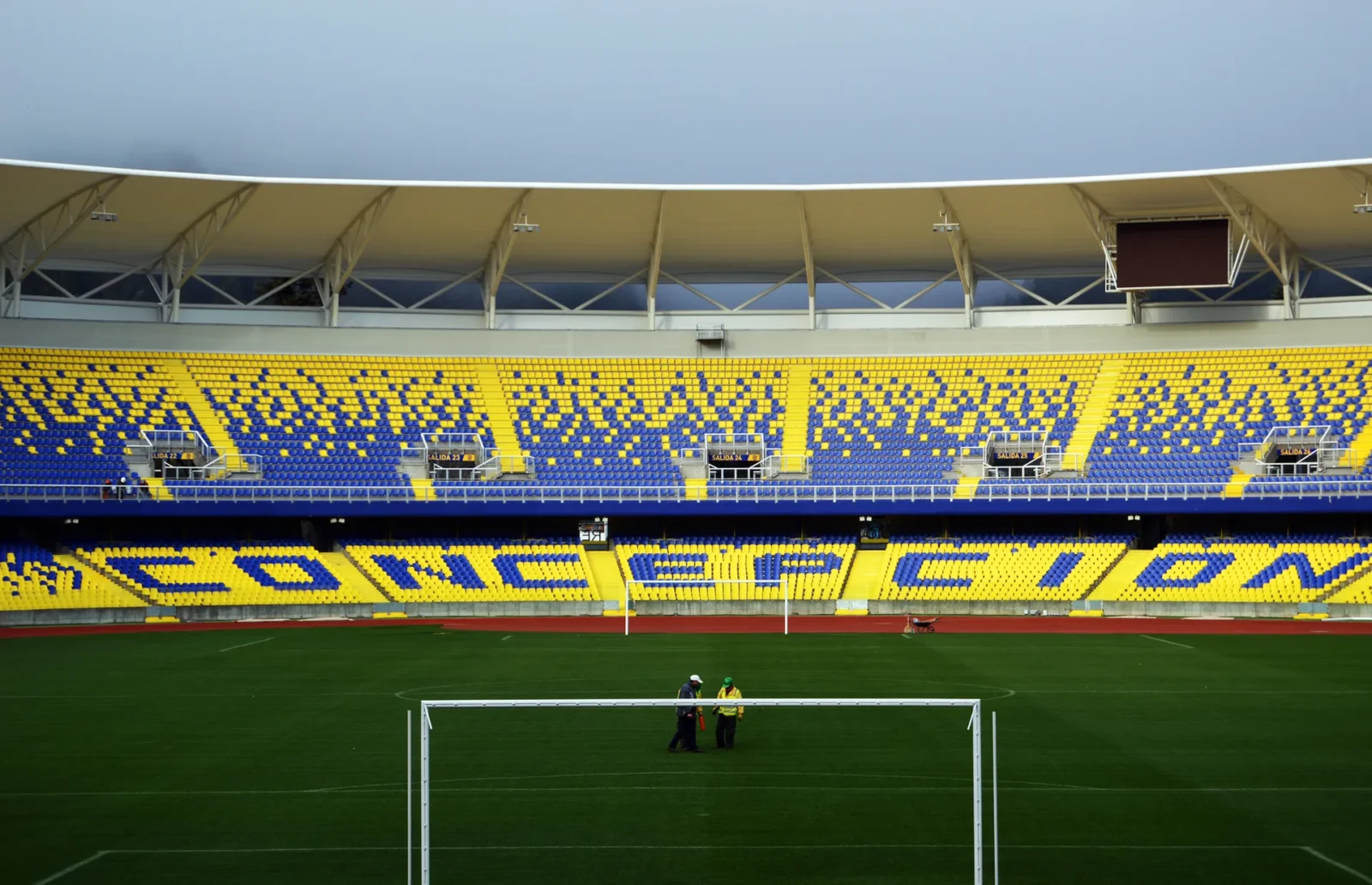
The stadium remains a recognisable landmark throughout. What the design adds is architectural unity across all its parts, and unity is precisely what had been lost, worn away by successive interventions and by the condition the fabric had fallen into.
Around that sit the technical demands of bringing a sports venue up to date: routes for spectators, for athletes, for the press and for VIPs, plus the support rooms and the systems infrastructure behind them. Getting those right is what lets a venue host national and international fixtures at all.

One line, all the way round
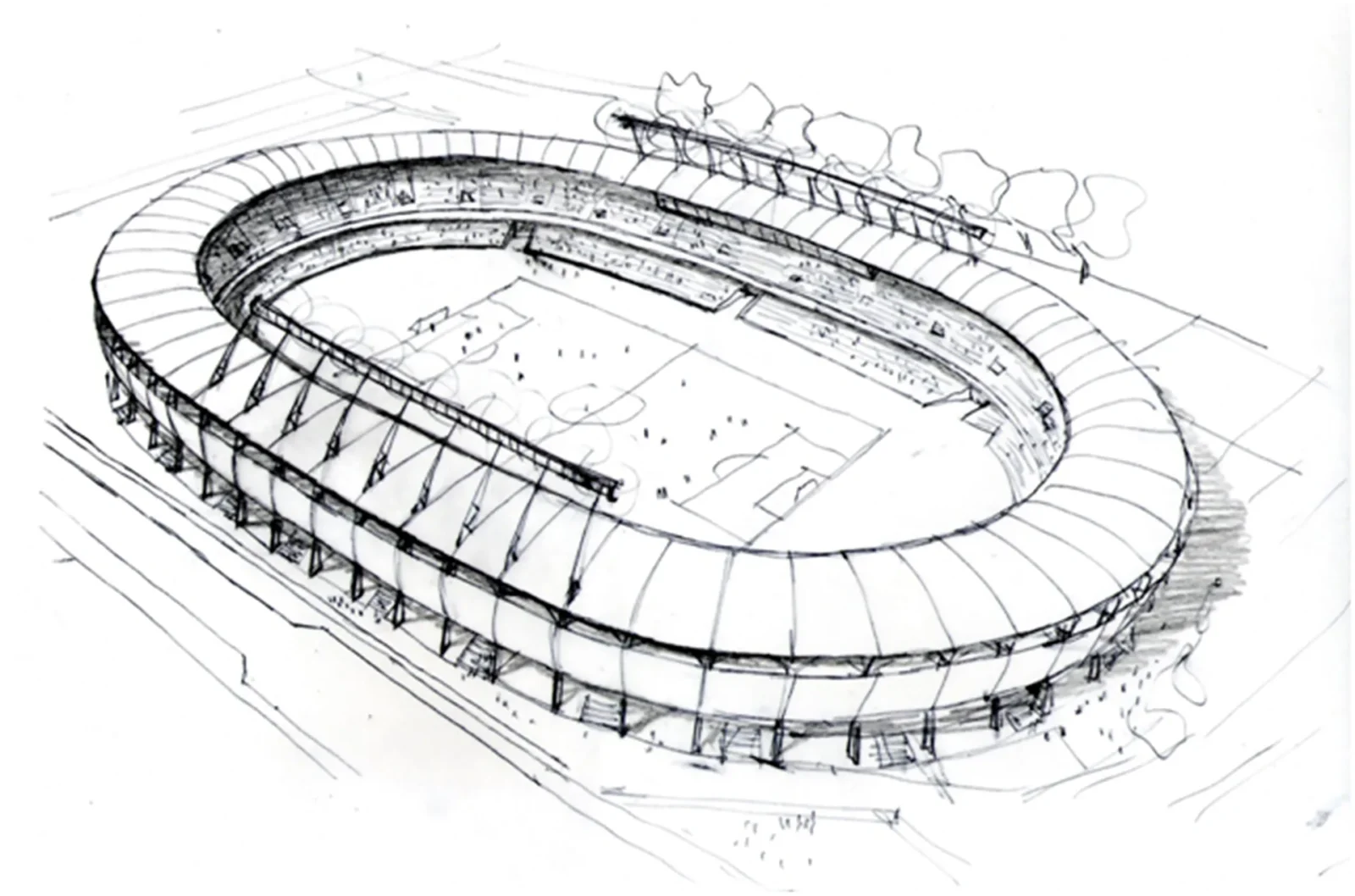
The building’s new image is meant to be read in a single go. On the facade, the intervention is one gesture, simple and clean and unbroken, that travels the full perimeter, taking hold of the existing elements and dressing them, and giving the stadium a presence in the city it did not have.

The gesture behaves like a ribbon, or an envelope. It produces continuity and it carries new structure. It makes more of the entrances and of how the building meets its landscape, while leaving the aesthetic and architectural worth of the grandstands alone, and it contributes colour and shape to the streets around it. The public ground outside completes the case, laid out so circulation is organised and the places where people gather are given emphasis.
The roof ring
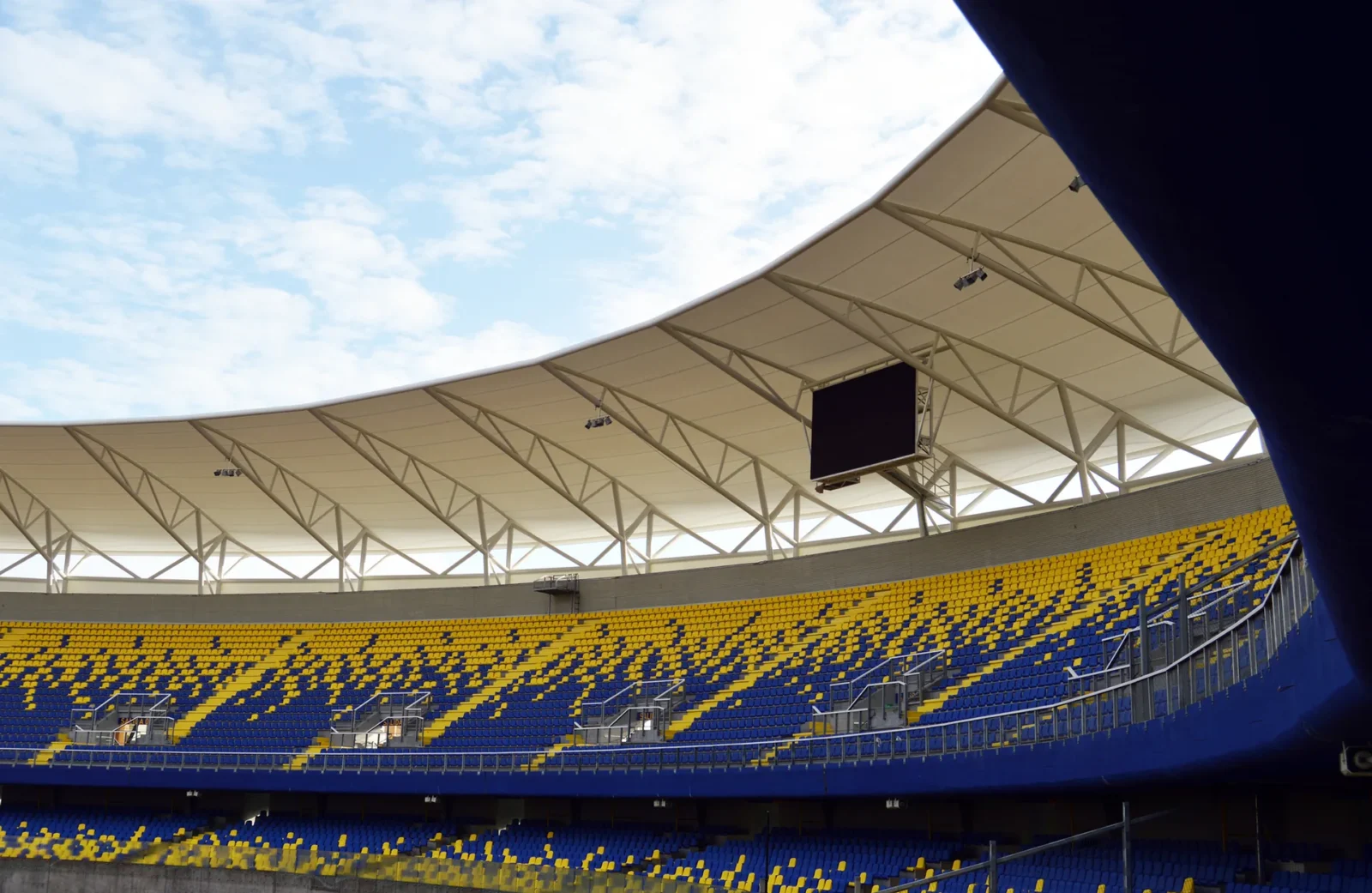
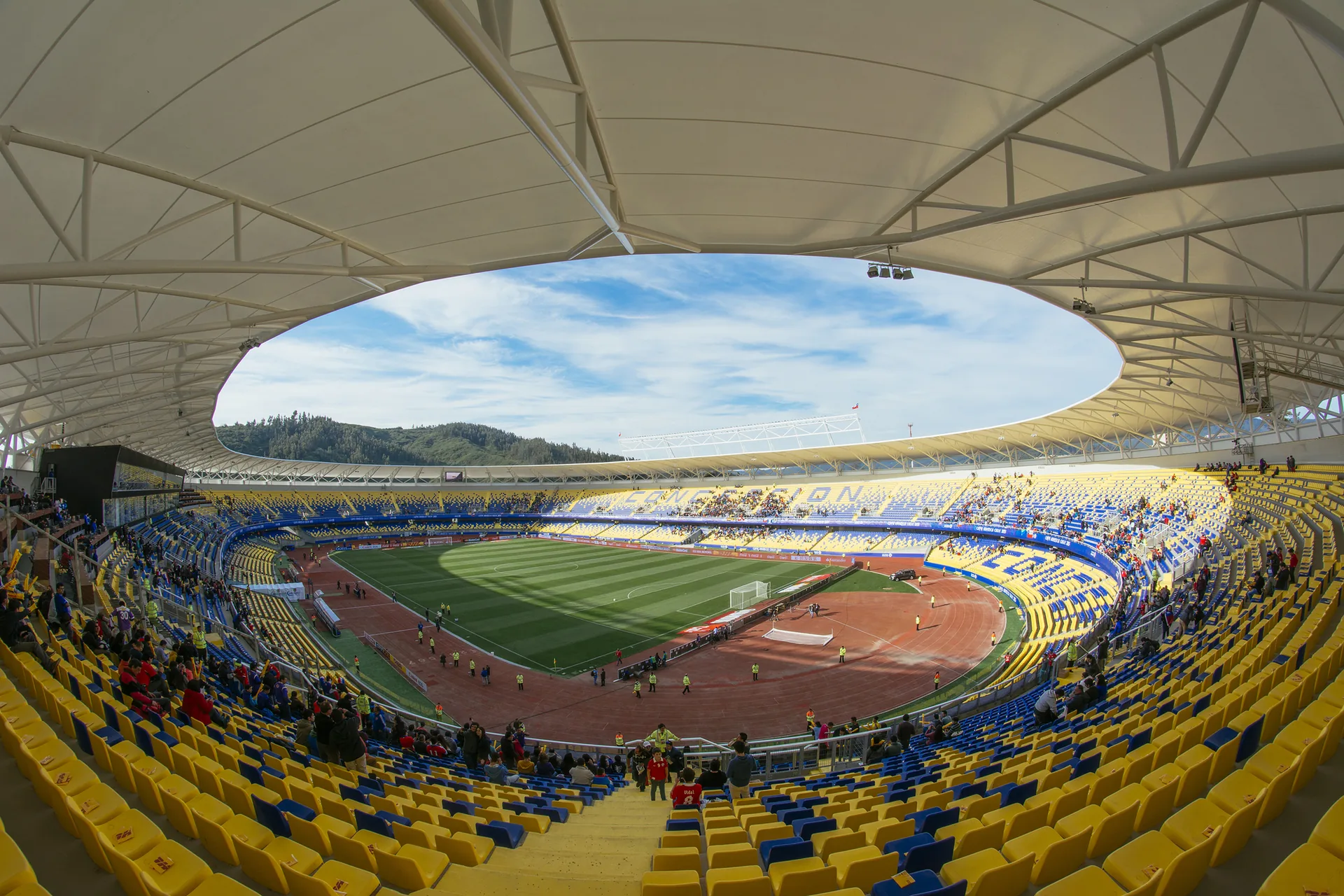
Inside, the work carries across the public areas and the competition surfaces, and it finishes at the roof ring. That ring resolves the stadium into a single sporting spectacle, and it also does the plainest job in the project, which is keeping the weather off the people in the seats.




Villa Argentina by 3LHD
3LHD reconstructs Villa Argentina in Dubrovnik, tying a 1920 villa, later villas...
illustrarch Editoral Team3 Mins read

55 Albert Street by Jackson Clements Burrows
55 Albert Street by Jackson Clements Burrows is a 51 apartment building...
illustrarch Editoral Team2 Mins read
Good Habits Smoothie Bar by XN32 Studio
XN32 Studio turns a 55 m² smoothie bar in Mexicali into a...
illustrarch Editoral Team3 Mins read
Cottage by archicraft
The most interesting architectural opportunities often emerge from the strictest constraints. This...
illustrarch Editoral Team2 Mins read


Leave a comment