

Sustainable Architecture in the Modern World: Principles and Examples
A present-day overview of sustainable architecture: what it means now, the core principles behind green buildings, how modern design uses energy efficiency and eco-friendly materials, plus leading real-world examples.
 Elif Ayse Sen10 November 20235 Mins read1.2k
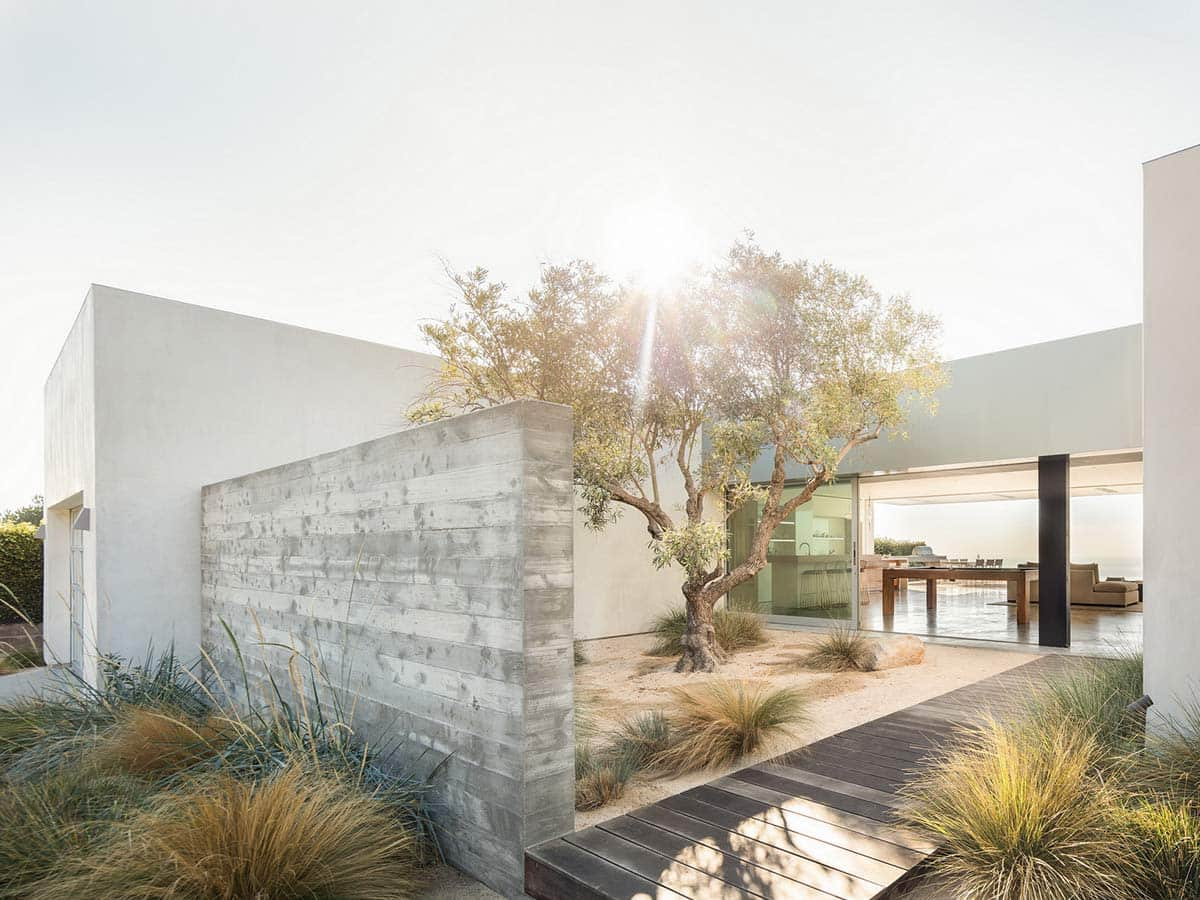
Table of Contents Show
Sustainable architecture is the practice of designing buildings that lower their environmental impact across their entire life, from material sourcing to daily operation and eventual reuse. It combines energy efficiency, responsible materials, and healthy interiors to cut carbon, save resources, and improve the comfort of the people who use the space.
The 21st century has pushed environmental concerns to the center of how buildings get planned and built. As climate targets tighten, the architectural community has responded by pairing familiar design ideas with a hard look at resource use. What stands out is how modern style architecture, known for its minimalism, functionalism, and use of new technology, has reshaped itself to carry real environmental performance. Here is a present-day look at how sustainable architecture works today, why it matters, and how it shows up in modern buildings.
What Sustainable Architecture Means Today
Modern architecture emerged in the late 19th and early 20th centuries as a reaction to ornate, traditional architectural styles. It promoted function, clean form, and new materials such as steel, glass, and reinforced concrete. Early modern buildings, though, were rarely designed with resource use in mind. Energy was cheap and climate impact was an afterthought.
That has changed. Sustainable design now treats a building as a system that interacts with its site, its climate, and its occupants over decades. The goal is measurable: less operational energy, lower embodied carbon in materials, cleaner indoor air, and less waste sent to landfill. Green building has moved from a niche label to an expectation on many public and commercial projects, backed by certification systems like LEED from the U.S. Green Building Council.
📌 Did You Know?
According to the United Nations Environment Programme’s 2022 Global Status Report for Buildings and Construction, the buildings and construction sector accounted for around 37% of global energy-related carbon emissions. That single figure explains why sustainable architecture has become a priority rather than a preference.
Core Principles of Sustainable Architecture
Most sustainable projects rest on a small set of principles rather than a single feature. Understanding them helps explain why two green buildings can look completely different yet share the same logic. The table below breaks down the main strategies, what each one delivers, and where you can see it applied.
Principles, Benefits, and Real Examples
| Principle / Strategy | Benefit | Example |
|---|---|---|
| Passive design and orientation | Cuts heating and cooling demand before any equipment is added | Deep shading and cross ventilation in warm climates |
| Renewable energy systems | Reduces reliance on fossil-fuel grids | Rooftop solar arrays and geothermal loops |
| Low-impact materials | Lowers embodied carbon and waste | Recycled steel, reclaimed timber, low-VOC finishes |
| Water conservation | Reduces potable water use and runoff | Rainwater harvesting and greywater reuse |
| Occupant health and comfort | Improves wellbeing and productivity | Daylight access, natural ventilation, indoor greenery |
🎓 Expert Insight
“As an architect, you’re really at the front end of that process of making decisions about the future.”, says Norman Foster of Foster + Partners
Foster’s point captures why sustainable architecture matters so much: the choices made on the drawing board lock in a building’s energy and carbon profile for decades, long before anyone moves in.
Sustainable Features in Modern Style Architecture
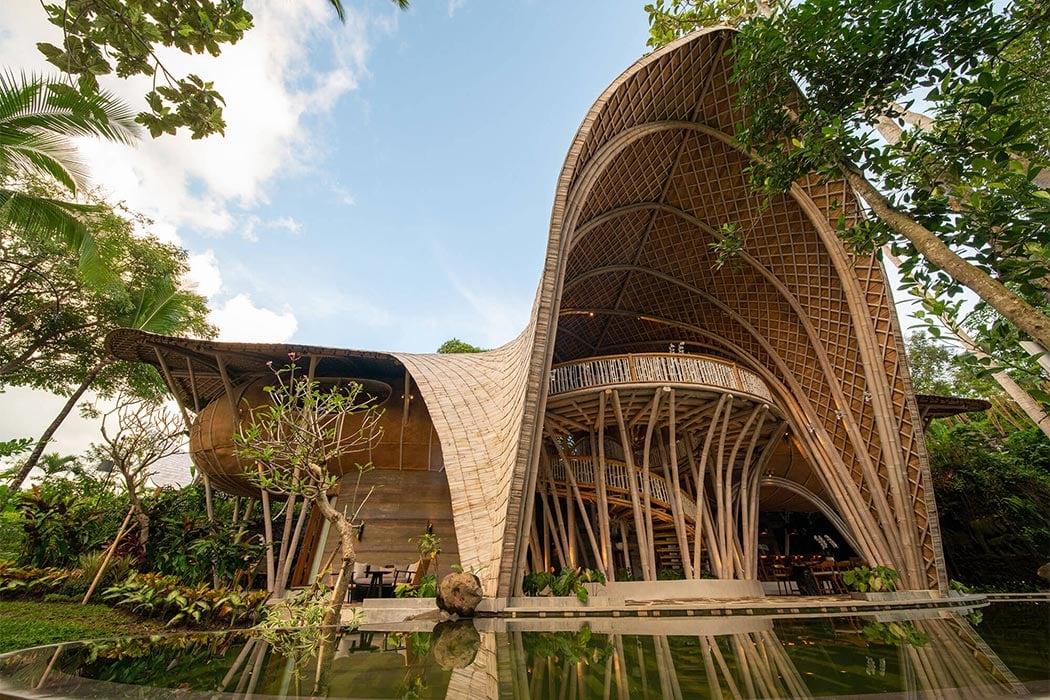
Modern architecture always valued innovation, so the shift toward sustainable design has felt less like a break and more like a continuation. The clean lines stay, but the systems behind them now work harder to save energy and resources.
Energy Efficiency
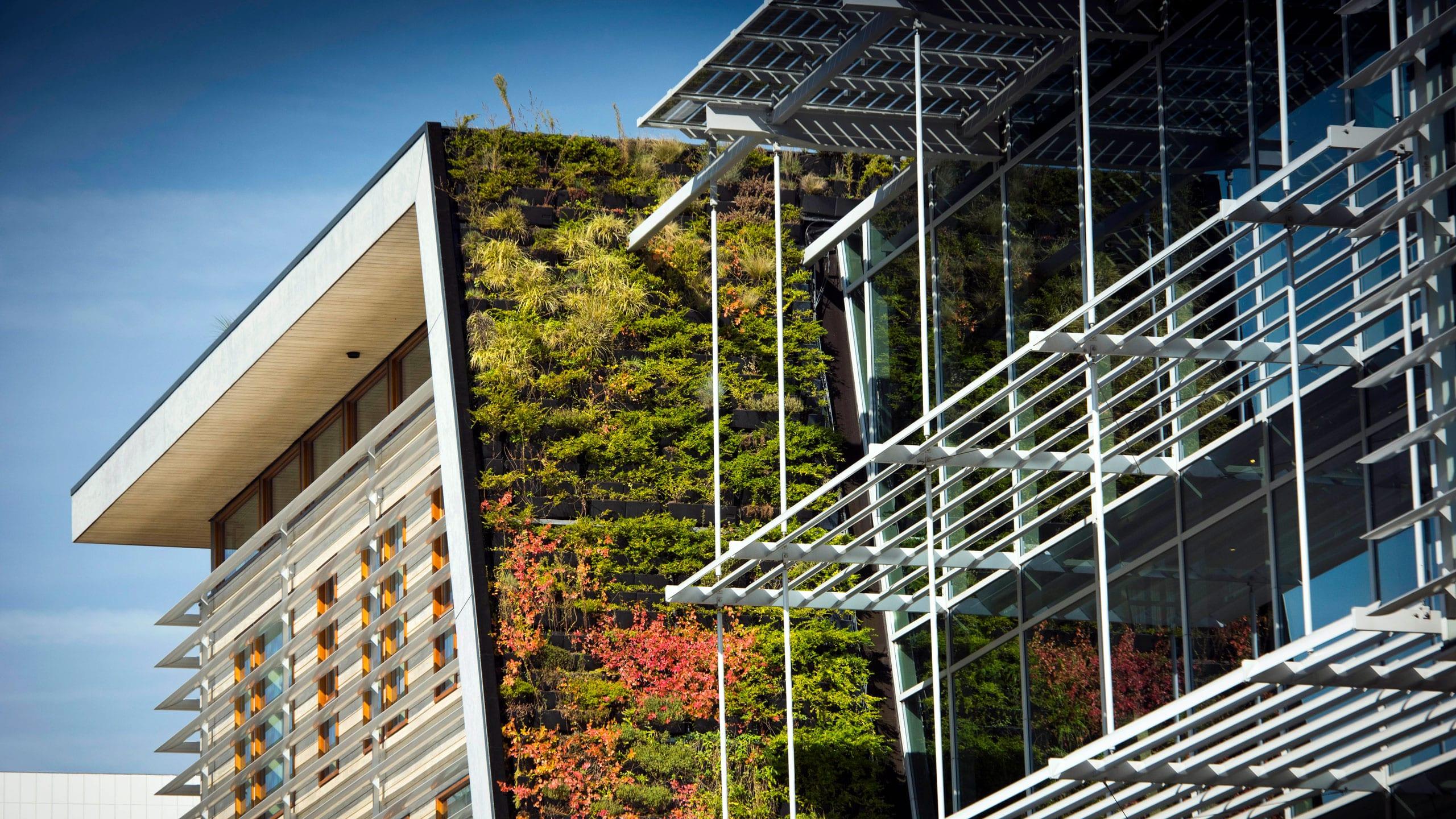
Modern structures are designed around energy-efficient systems such as solar panels, wind turbines, and geothermal heating and cooling. Skyscrapers with large glass facades increasingly use smart glass that adapts to sunlight, which cuts the load on mechanical heating and cooling. High-performance insulation and airtight envelopes do the quieter work of keeping conditioned air where it belongs.
Material Innovation
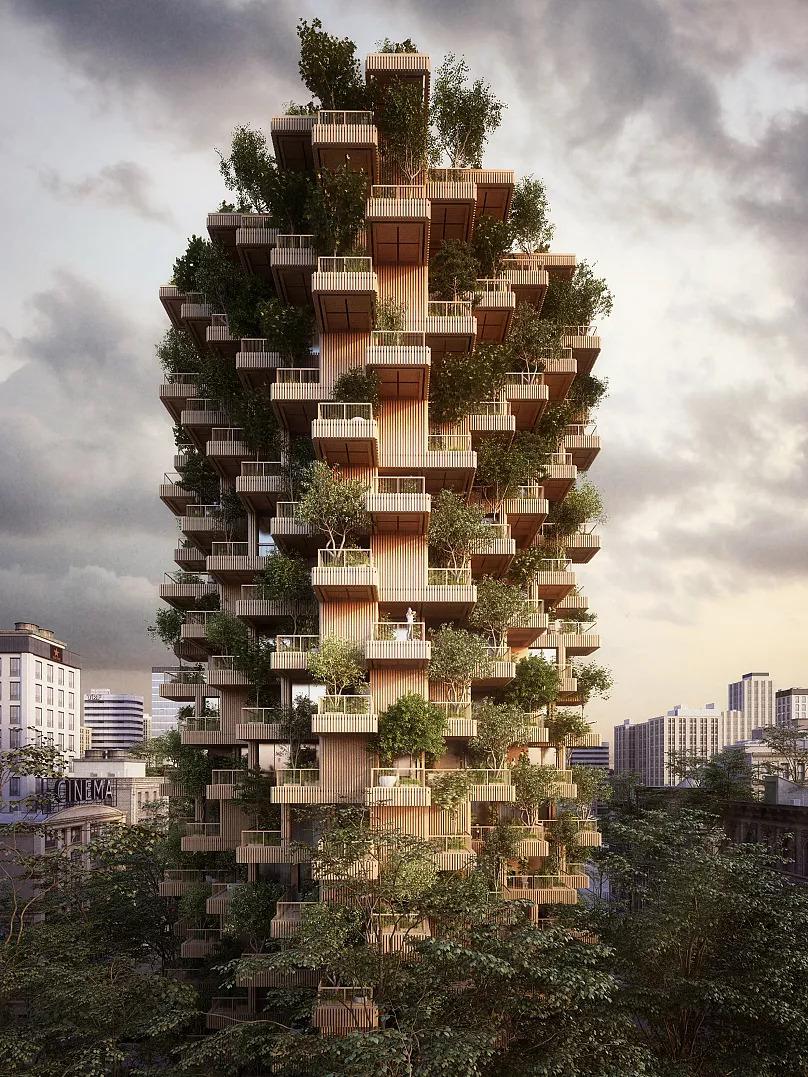
Modern architecture has always celebrated new materials. The emphasis now sits on how responsible those materials are. Recycled steel, low-VOC finishes, and sustainably harvested wood appear more often, and mass timber has become a serious structural option for mid-rise buildings that once defaulted to concrete.
💡 Pro Tip
When you evaluate a material’s green credentials, ask for its Environmental Product Declaration rather than trusting a marketing label. Experienced project teams treat embodied carbon as seriously as operational energy, since material choices made early are almost impossible to reverse later.
Indoor Environmental Quality
The wellbeing of a building’s occupants has become a design driver in its own right. Modern style architecture now works to maximize natural light, open views to the outdoors, and bring in natural elements such as plants and water features. Good air quality and daylight are not extras; research links them to better focus and fewer sick days.
Smart Technologies
Building management systems bring together modernism’s love of technology and the practical need to save resources. These systems track and adjust water and electricity use, matching supply to how a space is actually occupied and cutting waste. Sensors, automated shading, and demand-based ventilation let a building respond to the weather and the people inside it in real time.

Urban Context and Community
Sustainability also extends to how a building sits within its city. Proximity to public transport, shared green space, and walkable streets all lower the carbon footprint tied to daily travel. This connects directly to modernism’s older ideas about communal wellbeing and function, now measured against environmental goals. Smart home technologies extend the same logic down to the scale of a single dwelling.
Why Sustainable Architecture Matters Now
Buildings are one of the largest sources of global emissions, so decisions made in design studios carry real weight. Beyond the environmental case, there is a practical one. Energy-efficient buildings cost less to run, hold their value better, and increasingly meet codes that keep tightening. Organizations such as the World Green Building Council track how these standards are spreading across regions and building types.
There is also a health and comfort dividend that occupants feel directly. Better daylight, cleaner air, and stable temperatures make spaces more pleasant to live and work in. Certification frameworks like the Living Building Challenge push projects to go further, asking buildings to generate their own energy and treat their own water rather than simply doing less harm.
🏗️ Real-World Example
Bullitt Center (Seattle, 2013): Designed by Miller Hull Partnership and often called one of the greenest commercial buildings in the world, it produces its own energy through a rooftop solar array, captures rainwater for use on site, and was built to a projected 250-year lifespan. It remains a benchmark for what present-day sustainable architecture can achieve at full scale.
Leading Examples and Architects
Architects such as Norman Foster, Renzo Piano, and Bjarke Ingels have become well known for weaving environmental performance into modern design. Projects like the Eden Project by Sir Nicholas Grimshaw and the Bullitt Center in Seattle show how a modern vocabulary can carry advanced eco-friendly systems without losing its visual identity. Coverage on platforms like ArchDaily’s sustainability section documents how quickly these ideas are reaching mainstream practice.
Modern style architecture, rooted in progress and innovation, has found a natural partner in sustainable design. By combining sleek, functional forms with eco-friendly technologies and responsible materials, architects are producing buildings that are striking to look at and lighter on the planet. If you want to see where this trajectory is heading next, our look at the future of sustainable architecture covers the emerging trends and examples shaping the coming decade.
The Bigger Picture
The most sustainable building is often the one that already exists. Before reaching for new solar panels or smart systems, the sharpest move a designer can make is to reuse, adapt, and extend the life of what stands today. Sustainable architecture in the modern world is less about a single green feature and more about a habit of asking, at every stage, whether a choice serves the building, its occupants, and the environment for the long run.



Building Your Dream Home in NSW: What You Should Know About Montgomery Homes
Montgomery Homes has been building across Sydney, Newcastle, the Hunter, Wollongong and...
 illustrarch Editoral Team4 Mins read

Oscar Niemeyer’s Cathedral of Brasília: The Hyperboloid Concrete Hymn
The Cathedral of Brasília reads as a single gesture, yet it stood...
 Furkan Sen7 Mins read

What Technology Does a Modern Workplace Need?
A modern workplace needs more than fast computers. A framework covering network,...
illustrarch Editoral Team8 Mins read

How Do You Choose Durable Shutters That Suit Your Budget?
Shutters can look identical in a showroom and perform very differently after...
illustrarch Editoral Team8 Mins read


Leave a comment