

10 Signs It’s Time to Upgrade Your Property Fence
 illustrarch Editoral Team8 July 20263 Mins read0
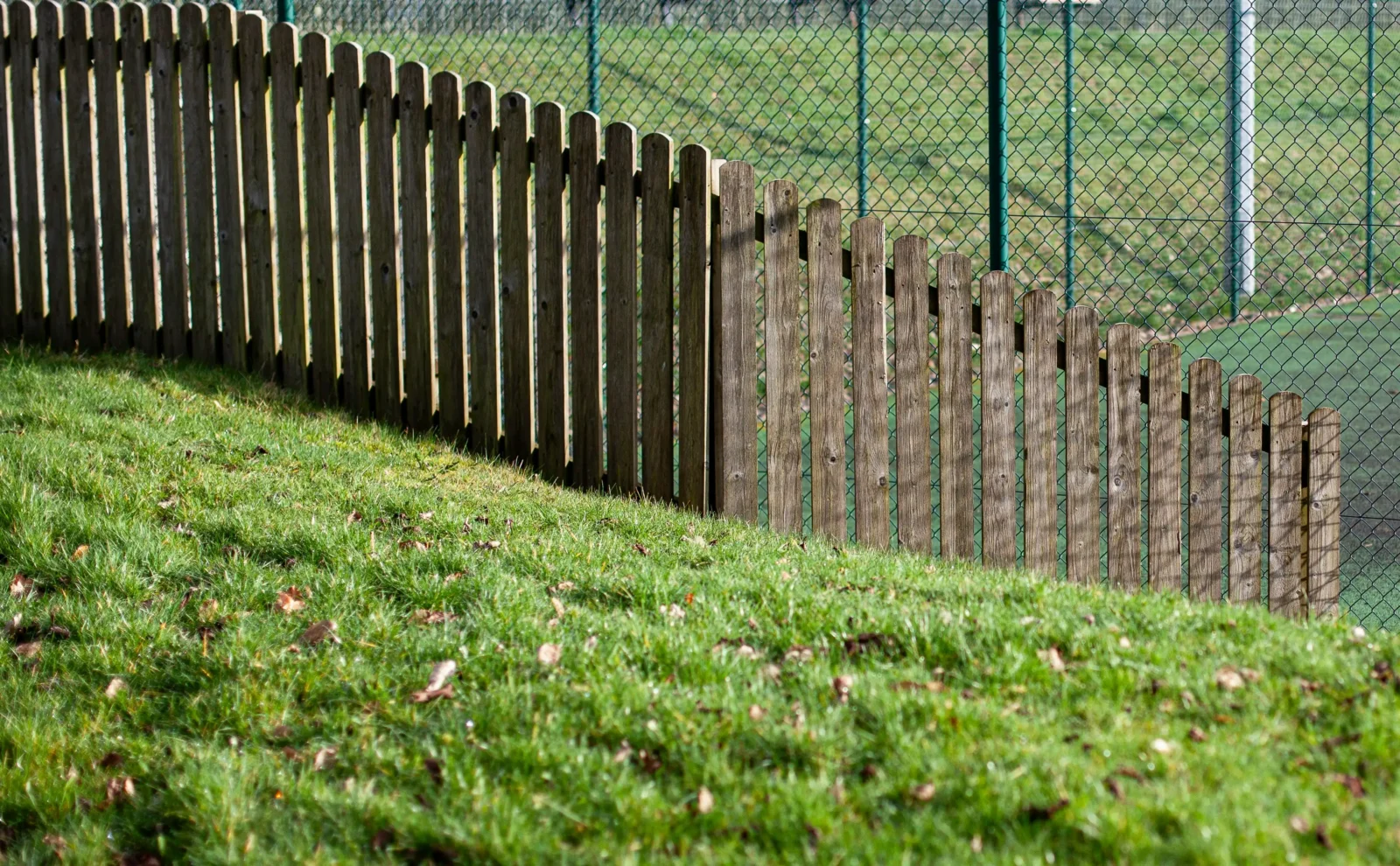
Table of Contents Show
A fence carries more responsibility than many owners first assume. It defines boundaries, reduces street visibility, supports child and pet safety, and shapes the first impression from the street. Years of rain, sun, frost, and ground movement slowly weaken that role. Complete failure rarely arrives without warning. Smaller clues usually appear earlier, giving property owners time to compare repair costs, structural condition, and replacement value before damage spreads further.
Repairs Keep Piling Up
Frequent fixes usually mean the trouble runs deeper than one loose board or stubborn hinge. Costs can climb in small, easy-to-miss steps, especially when posts, rails, and gate hardware start failing within the same season. Many owners review those patterns, then compare material options and service life with Fortera Fencing company before deciding whether another repair still makes practical financial sense.
Posts Are Leaning
A fence line should stay straight, regardless of changing weather and routine use. Leaning posts often indicate weakened footings, poor drainage, or soil movement after heavy moisture. Once a vertical support shifts, strain travels into nearby sections and fasteners. That pressure can shorten the service life of the entire run, even if the tilt looks minor from a distance.
Boards Are Cracked Or Split
Wood reacts constantly to temperature swings, moisture absorption, insect activity, and direct sun exposure. Fine surface cracks may seem harmless at first glance, yet those openings let water enter deeper layers. Split boards also reduce screening and lower wind resistance during storms. When damage appears across several panels, replacement often becomes more sensible than repeated patchwork.

Rust Is Spreading Fast
Metal fencing can perform well for many years, though corrosion can quickly change that equation. Light surface discoloration may appear cosmetic, but deeper oxidation can weaken joints, brackets, fasteners, and support members. As rust spreads, structural reliability drops while maintenance demands rise. At that stage, a replacement project often restores appearance and strength more effectively than spot treatment.
The Gate No Longer Fits
A gate should swing freely, meet the latch cleanly, and close without dragging. When alignment starts to slip, many owners replace the hinges first and hope the issue ends there. Quite often, the real cause sits in a shifting post or distorted frame. That kind of movement can signal wider instability across the surrounding fence line.
Privacy Has Dropped
Older fencing often develops gaps due to warping, shrinkage, missing boards, or joint separation. Those openings matter more near patios, pools, garden seating, and side yards facing traffic. Daily routines can change when a property starts to feel exposed. Once screening weakens enough to affect comfort, the barrier is no longer serving one of its main purposes.
Storm Damage Keeps Returning
Wind, hail, and flying debris can leave dents, loosened sections, broken pickets, or bent supports. One repair after a major storm may be reasonable. Repeated weather damage tells a different story, especially in areas with seasonal exposure. A fence that keeps failing under routine local conditions may lack the strength, material quality, or installation depth needed for long-term performance.
Check the Base
Many visible problems begin below grade, where unstable soil, trapped moisture, or shallow concrete gradually reduce support before damage becomes obvious above ground.
Maintenance Feels Constant
A fence should not demand endless scraping, staining, repainting, fastening, or board replacement every few months. Once upkeep starts consuming weekends across multiple seasons, ownership costs shift in a quiet but meaningful way. Newer materials can hold their appearance longer with less labor. That reduction in time and recurring expense often strengthens the case for an upgrade.
It Looks Outdated

Appearance matters because fencing frames the property before visitors notice siding, landscaping, or the entry path. An older style can make recent exterior improvements feel disconnected or unfinished. Design changes across the neighborhood may highlight that contrast even more. Replacing an aging fence with a better-matched style often improves visual balance and supports stronger resale appeal.
Security Feels Weak
Security concerns often emerge through small failures before a serious incident occurs. A loose latch, low panel, rotted board, or flexible section can create easy access for pets, children, or unwanted visitors. Confidence matters here. If owners no longer trust the perimeter to hold its line, the fence has already stopped meeting a basic protective function.
Conclusion
Fence problems rarely appear all at once. More often, they build through subtle movement, mounting repairs, recurring storm damage, spreading corrosion, and gradual loss of privacy or security. Each sign points to the same practical question: whether continued repair still justifies the cost. Replacing a worn boundary at the right time can protect appearance, improve safety, and prevent a much larger structural headache later.






Walt Disney Concert Hall: Frank Gehry’s Stainless Steel Symphony in Los Angeles
Frank Gehry's Walt Disney Concert Hall took 16 years from initial design...
 Furkan Sen6 Mins read

The Empire State Building: Art Deco Icon and the Race to the Sky
Completed in 1931 after a fierce race to the sky, the Empire...
Furkan Sen5 Mins read
Passive Design Architecture: A Practical Guide to Low-Energy Buildings
Passive design uses a building's orientation, form, and materials to control heat,...
Furkan Sen8 Mins read

Symmetry vs Asymmetry in Architecture: A Designer’s Guide to Balance
Symmetry mirrors elements across an axis for order, while asymmetry balances contrasting...
Furkan Sen5 Mins read


Leave a comment