

Carravaggio
Carravaggio is a mixed-use building in Quito that features two structures designed to enhance urban connectivity, integrate greenery, and promote sustainable practices.
 illustrarch Editoral Team3 March 20251 Mins read286



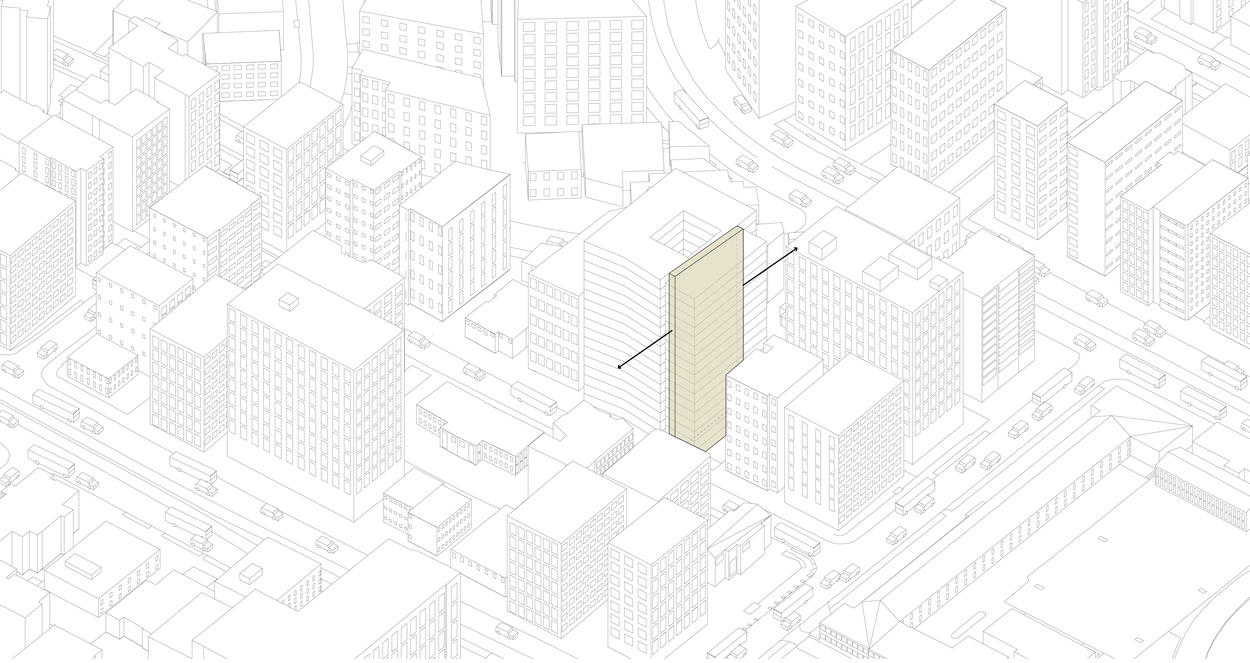
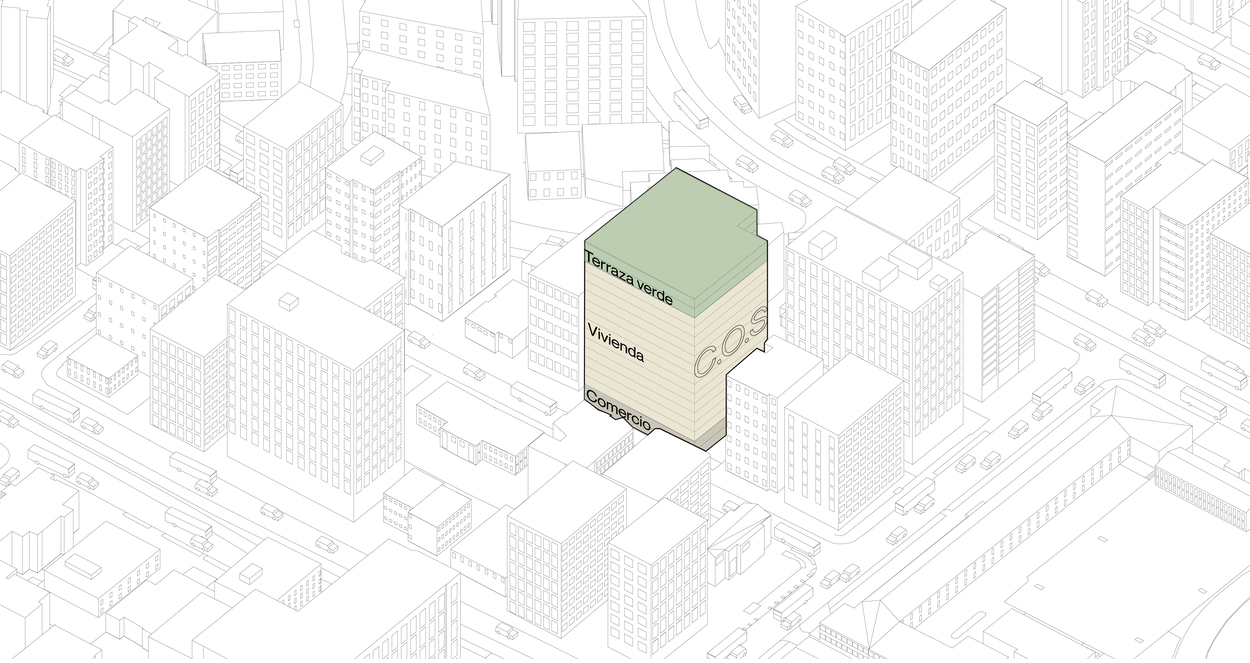
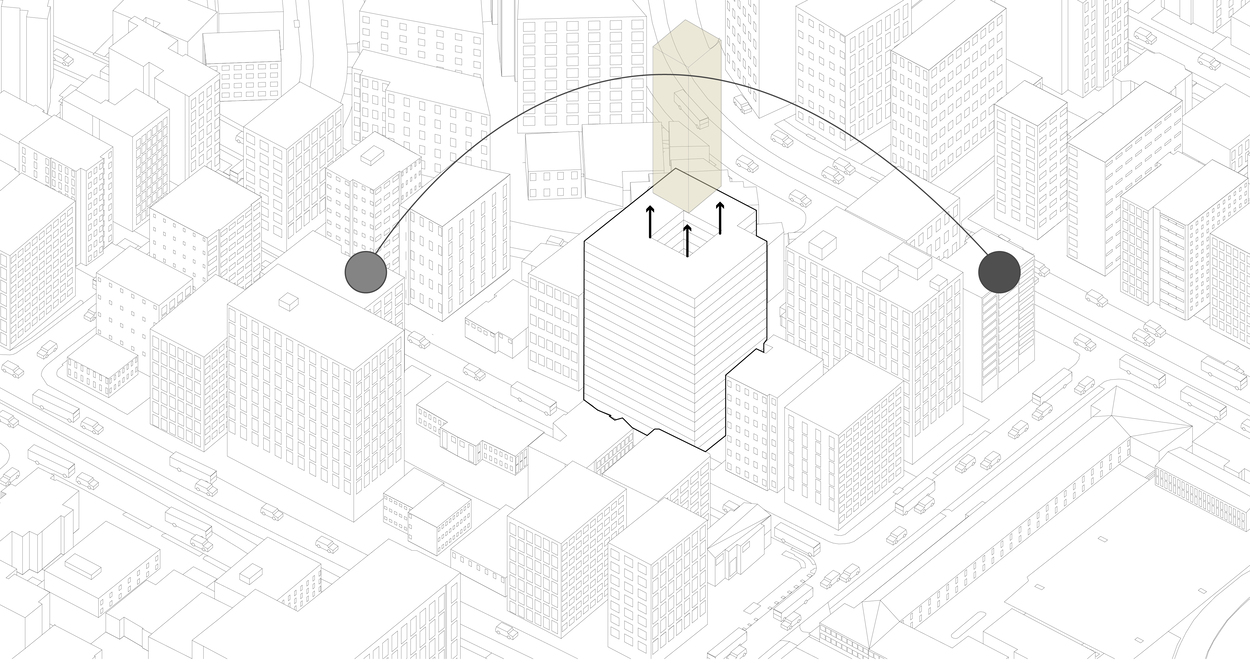

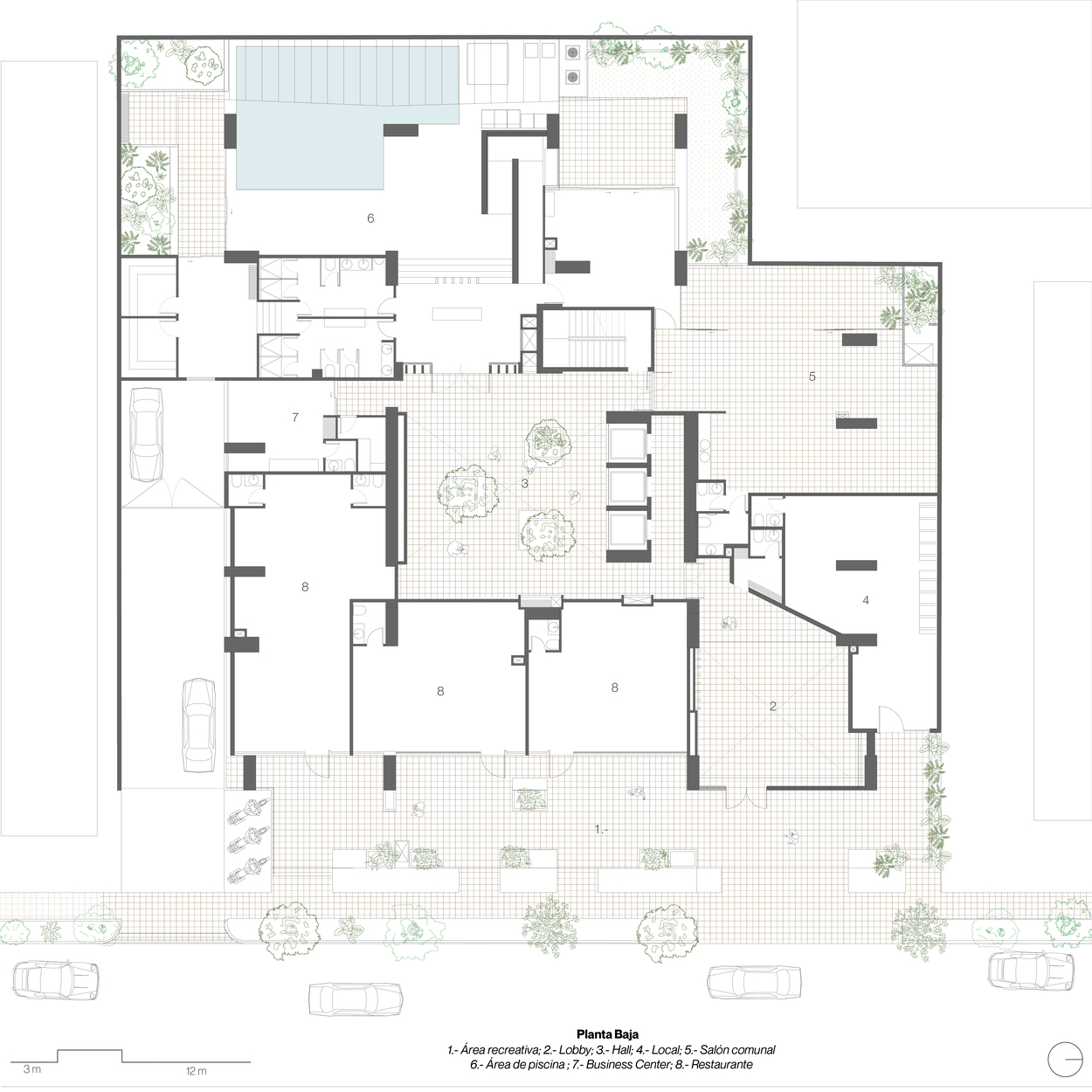
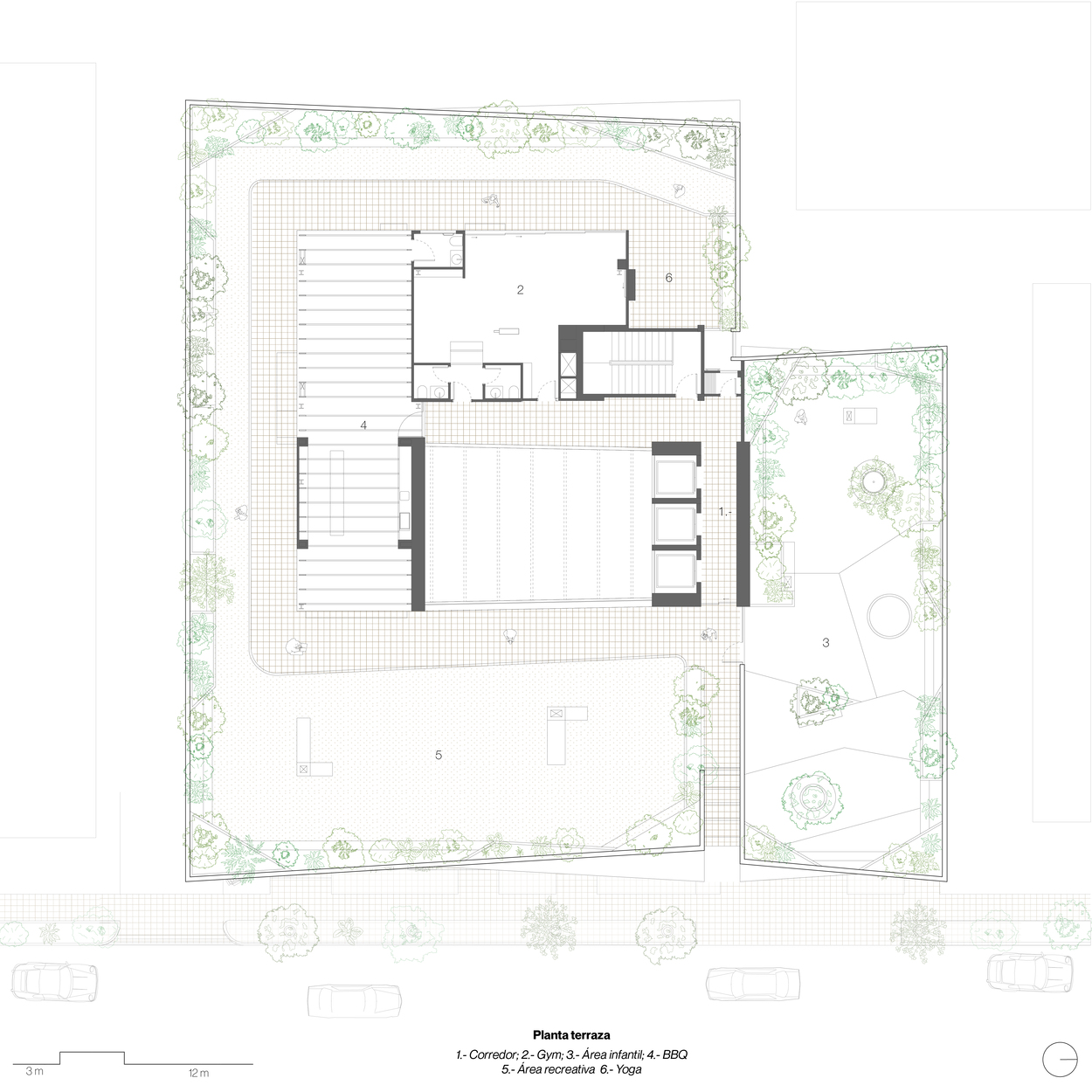
Carravaggio is a mixed-use building in Quito, Ecuador, designed by cmgm.taller de arquitectura to make the most of newly permitted high-density zoning in the city. Set on a wide-fronted site, the project is divided into two structures to reduce its apparent mass and build a stronger relationship with neighboring buildings. Rather than presenting a single heavy block to the street, this split allows light, air, and views to pass between the volumes while keeping the scheme grounded in its urban context.
The proposal works to revitalize the area by creating commercial spaces that enhance pedestrian activity and urban connectivity. The integration of the street with the proposed plaza forms a spacious and continuous public area, encouraging people to linger rather than simply pass through. This concern for the ground plane is central to good mixed-use development, where the success of a building often depends less on its silhouette than on how generously it treats the sidewalk, the entrance, and the shared open space around it.
Bringing nature into a dense block
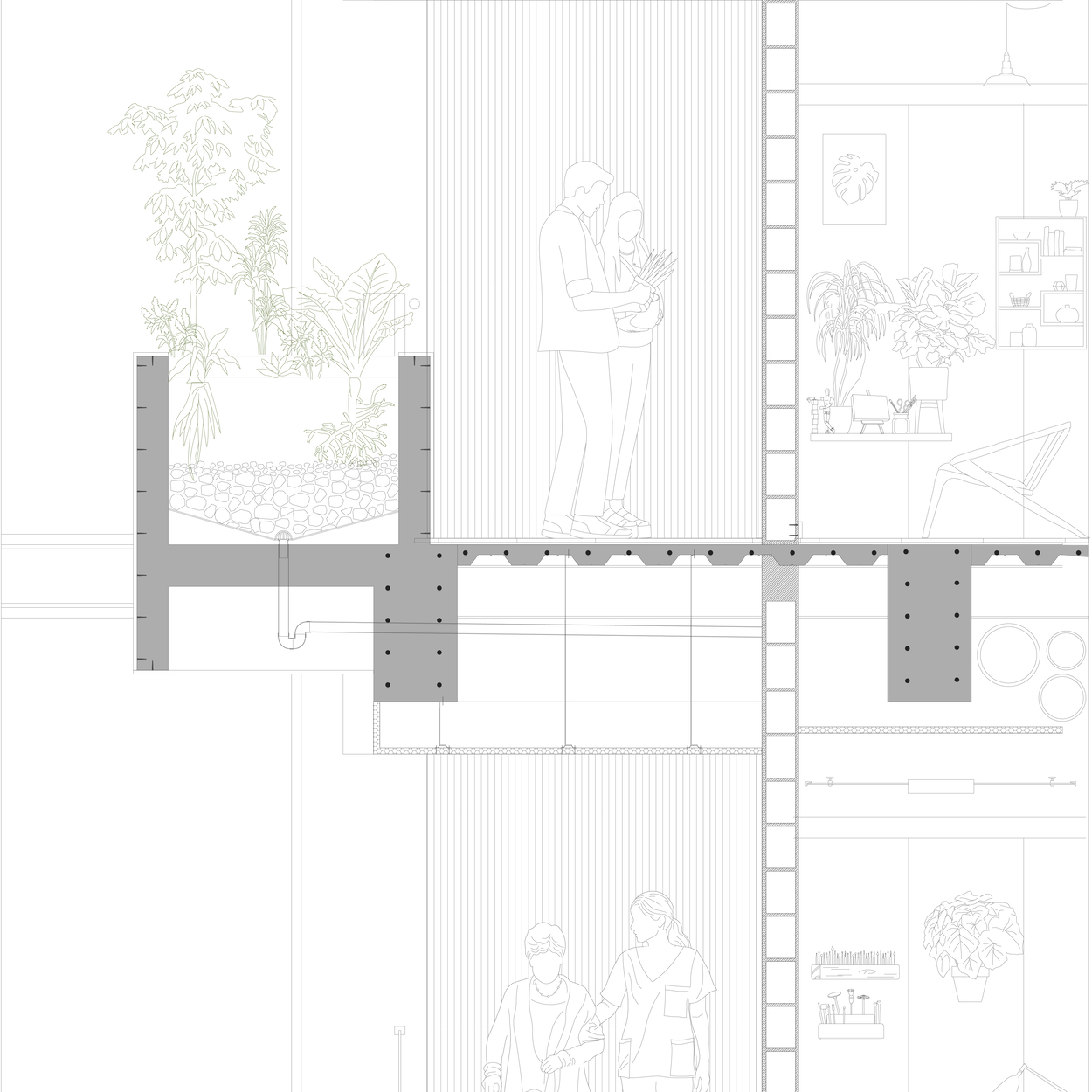
In response to new eco-efficiency regulations, Carravaggio adopts sustainable strategies that remain uncommon in the local real estate sector. A central atrium organizes much of the design, drawing daylight deep into the plan and supporting natural ventilation through the building’s section. Hanging planters with randomly placed trees fill this space, carrying greenery from the public plaza at street level up through the interior corridors and on to the private rooftop garden. Threading planting through a tall, dense block in this way reflects wider ideas in sustainable architecture, where passive cooling, daylighting, and vegetation reduce reliance on mechanical systems.
The facades reinforce both the environmental logic and the architectural character of the project. Recessed balconies on the east and west elevations act as solar protection against low morning and afternoon sun, a practical concern at Quito’s equatorial latitude high in the Andes. These same balconies become the primary plastic element of the facade, setting up an interplay of interwoven volumes that gives the two structures a unified identity. The result reads as a building shaped equally by its city, its climate, and the everyday life it hopes to host.



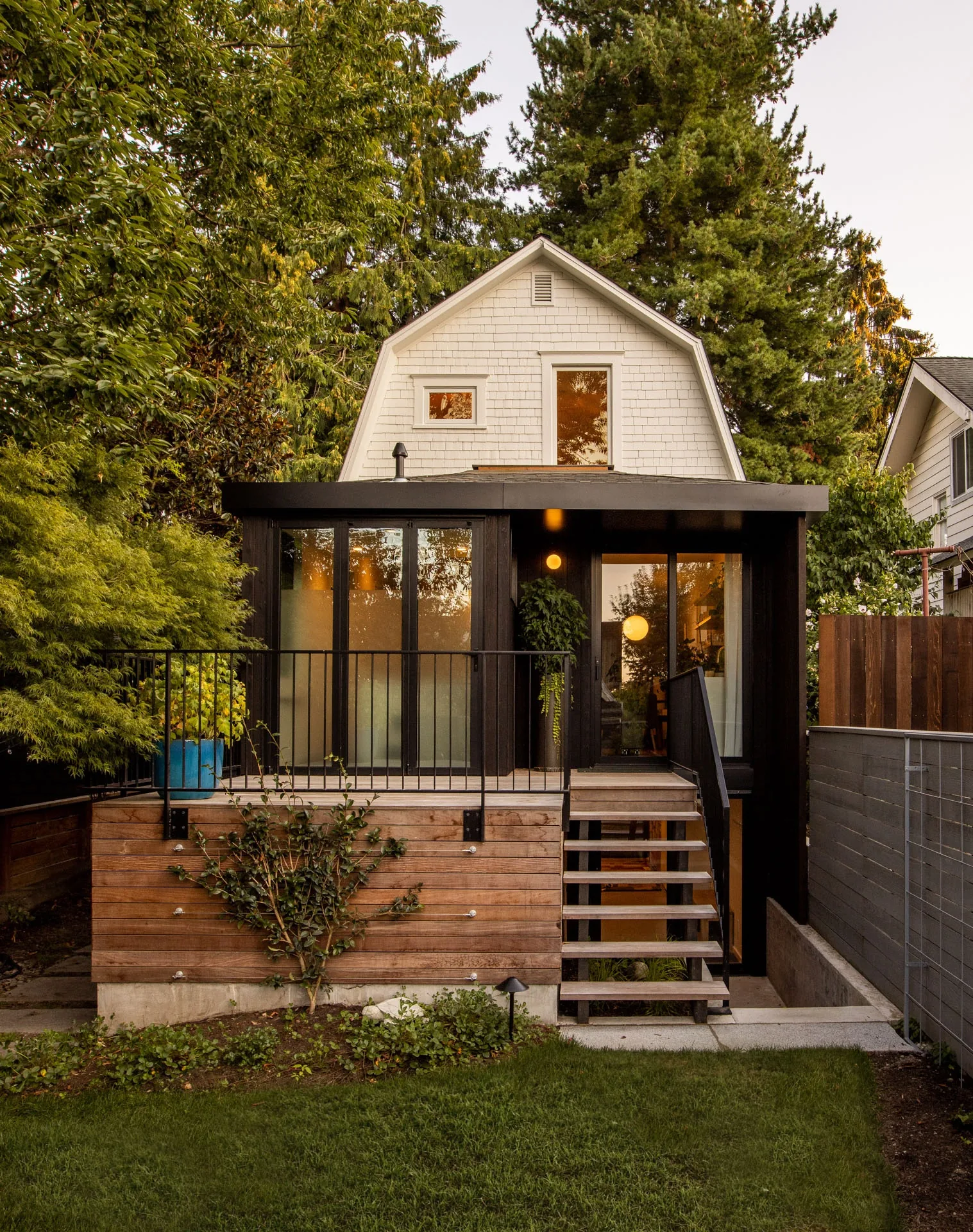
Phinney Mini by Best Practice Architecture
Phinney Mini by Best Practice Architecture reworks a 16.5 foot wide 1907...
illustrarch Editoral Team2 Mins read
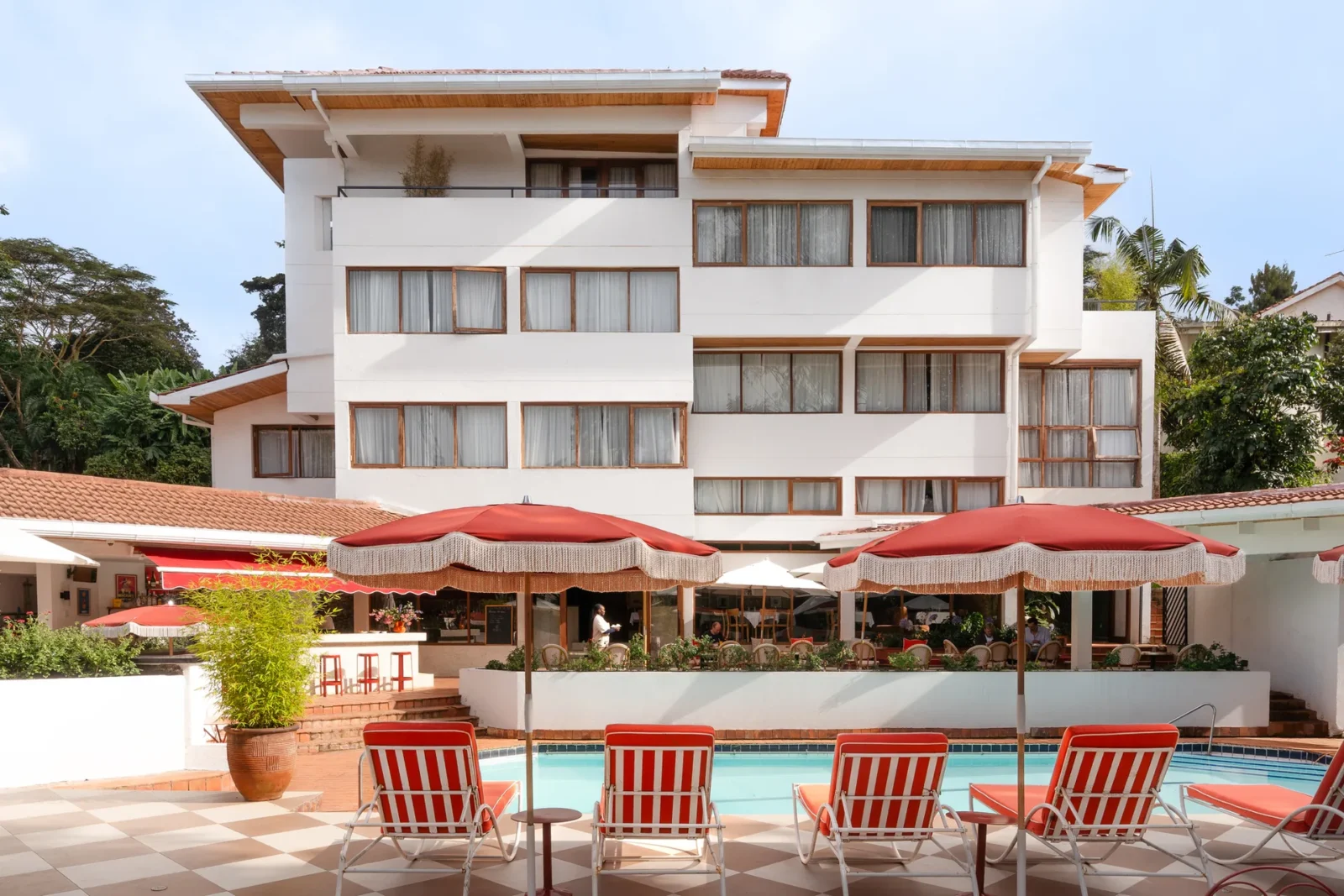
Celine and Lolo Hotel by Powerhouse Company
Powerhouse Company turns a 1976 split-level villa in Nairobi's Lavington into an...
illustrarch Editoral Team2 Mins read
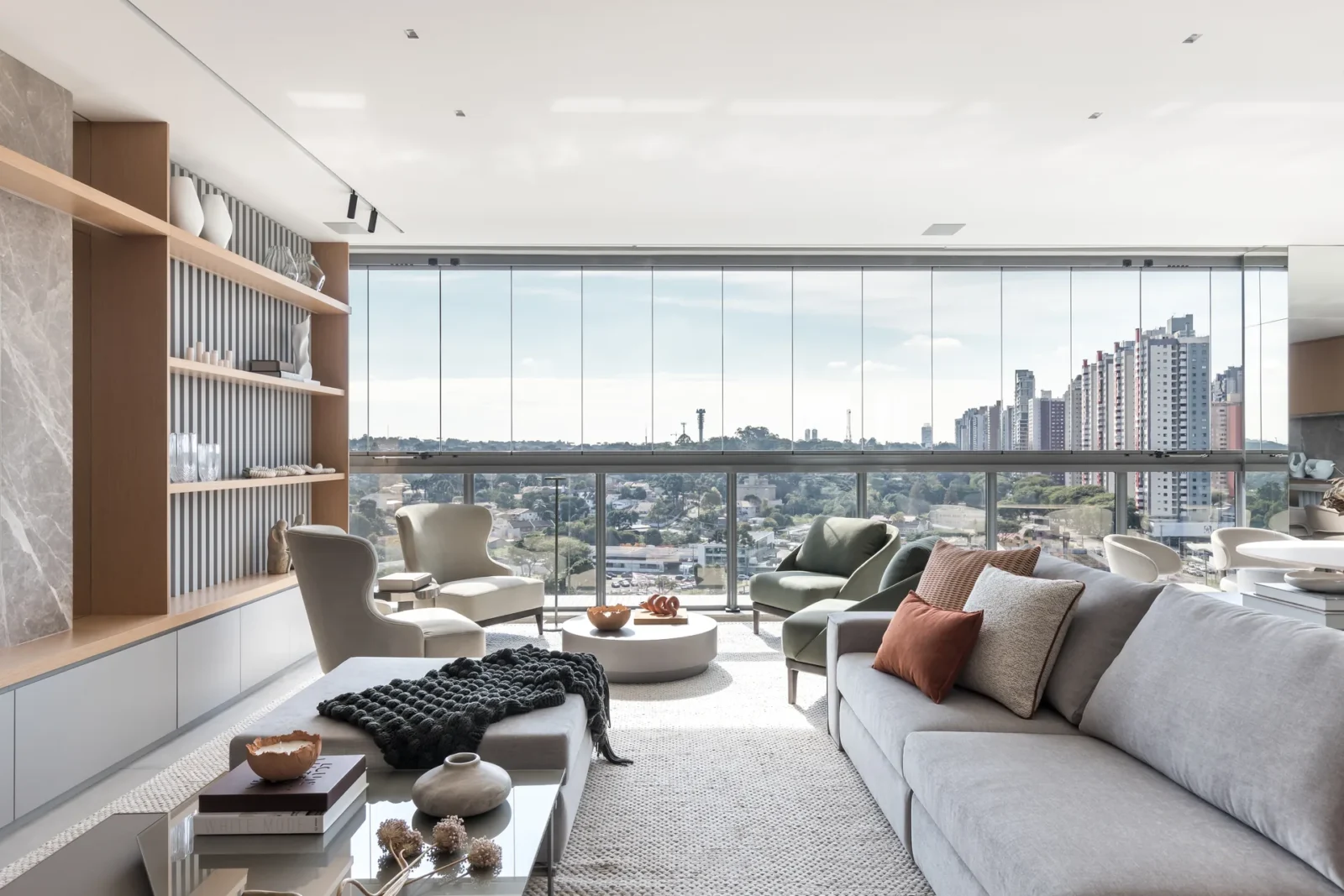
Apartment Elache by Caroline Andrusko Arquitetos
In Curitiba, Caroline Andrusko Arquitetos rebuilds the plan of a new 280...
illustrarch Editoral Team3 Mins read

Osaka Expo 2025 Future Life Village Pavilion by KOMPAS
KOMPAS gathers three exhibition programmes and a public toilet block into a...
illustrarch Editoral Team3 Mins read


Leave a comment