

AIA COTE Top 10 Award 2026: 10 Sustainable Projects Setting the Standard
The American Institute of Architects has named the winners of its 2026 COTE Top Ten Award, ten buildings that pair design quality with measured sustainability across schools, housing, a convention center, a fire station, and a diplomatic post.
 Elif Ayse Sen25 June 20269 Mins read1
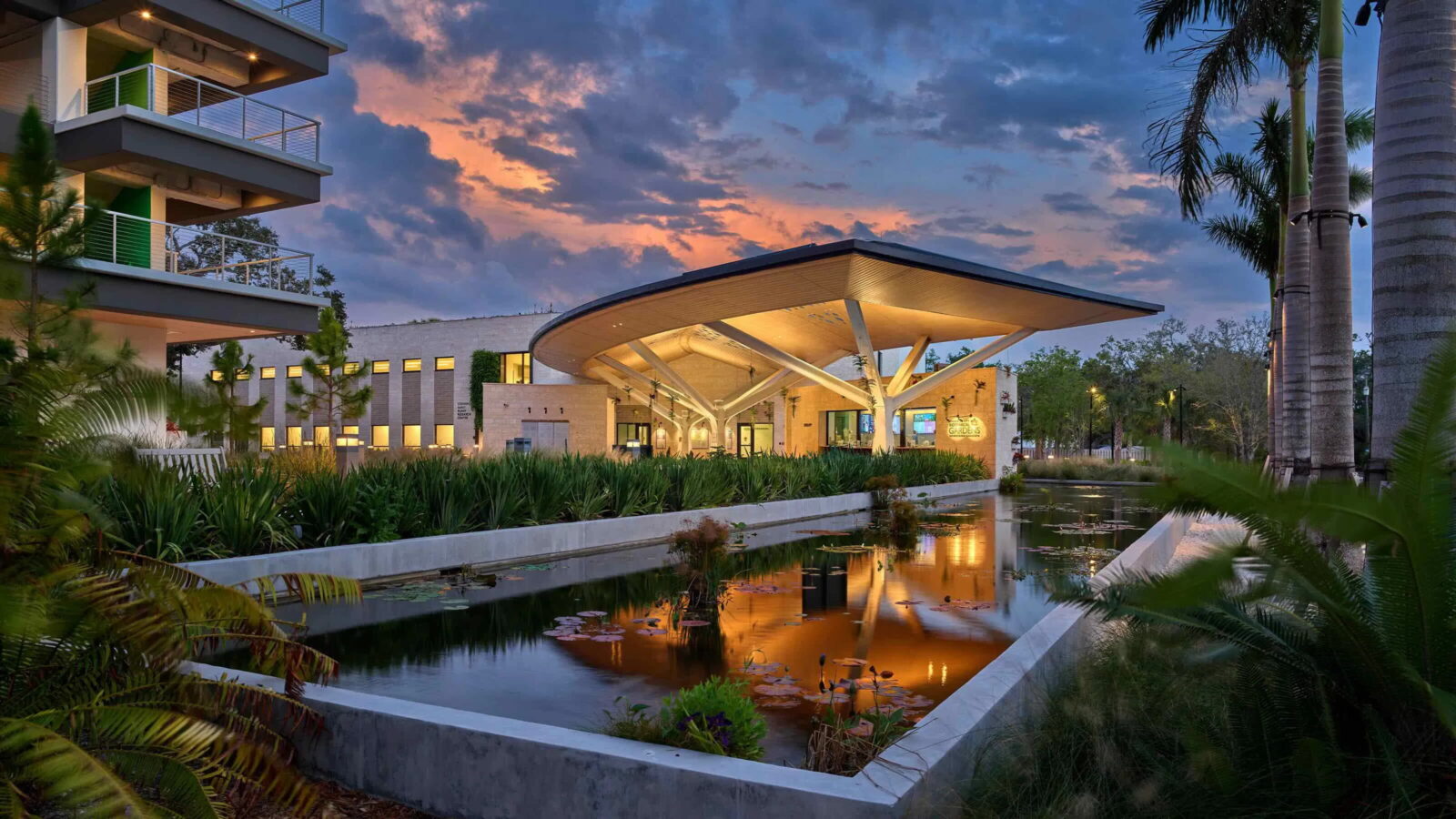


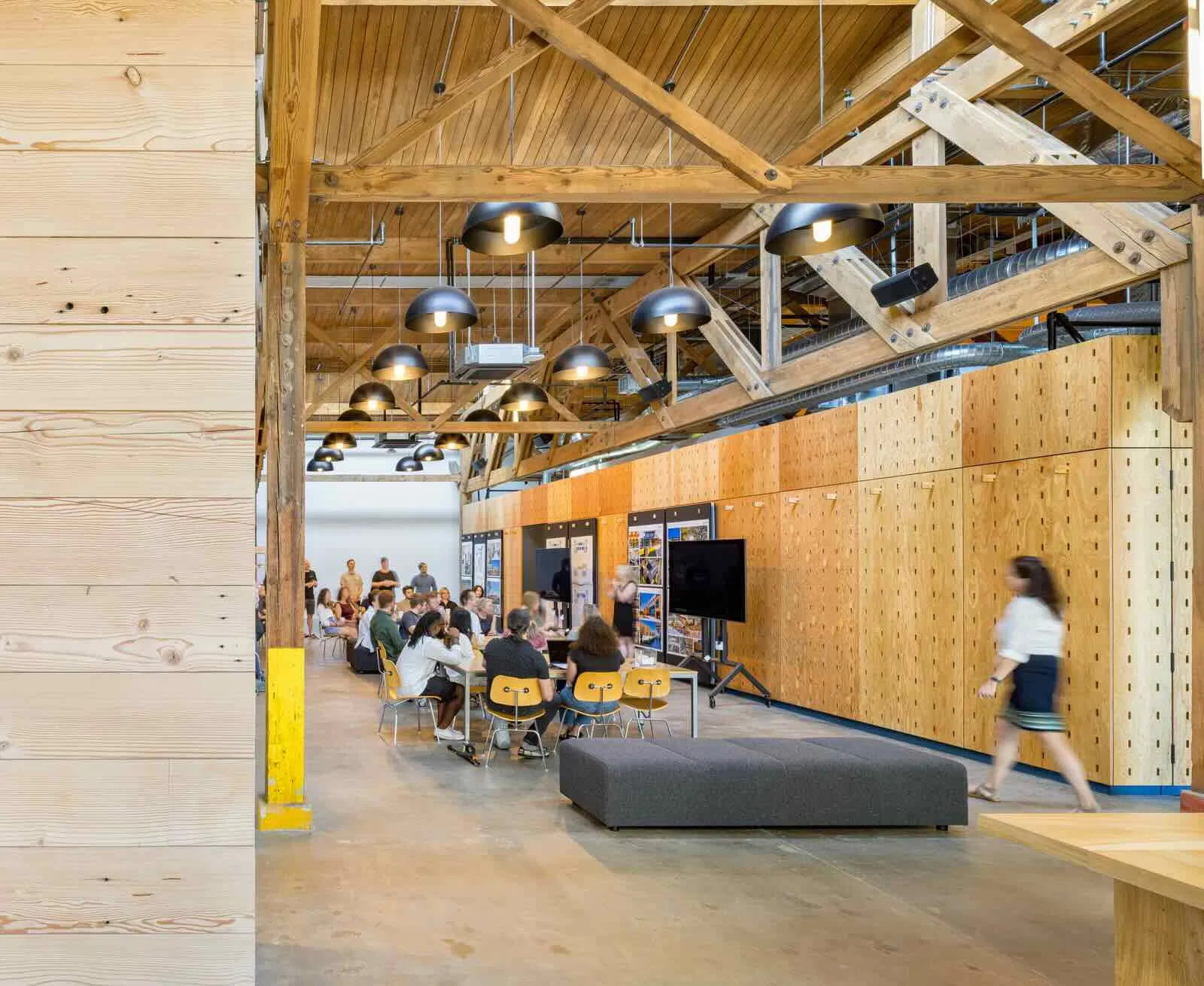
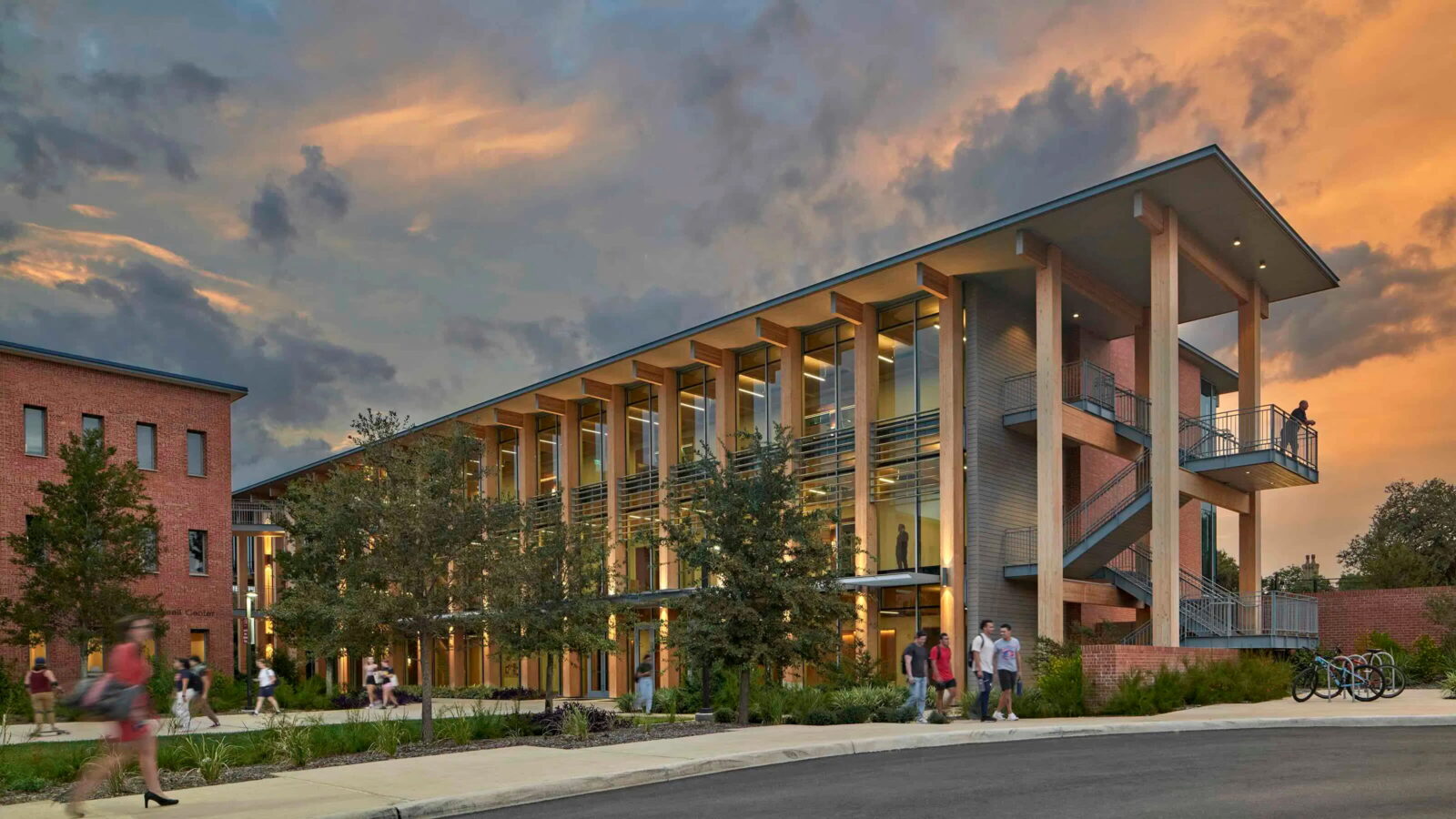


Table of Contents Show
The AIA COTE Top Ten Award 2026 recognizes ten US projects that pair strong architecture with measured environmental performance. Announced at the AIA Conference on Architecture and Design in San Diego, this year’s winners range from net-zero schools and mass timber campuses to all-electric affordable housing and a climate-responsive embassy abroad.
Every June, the architecture community watches to see which buildings the American Institute of Architects will single out for sustainable design. The 2026 list arrived alongside the rest of the AIA’s annual honors, and it reads like a snapshot of where green building is actually heading. Less about a single dramatic gesture, more about buildings that share energy, reuse what already exists, and back their claims with real data. Here is a look at all ten winners and what makes each one worth studying.
What Is the AIA COTE Top Ten Award?
The COTE Top Ten Award is the best-known prize in the United States for sustainable design, run by the American Institute of Architects through its Committee on the Environment. Now in its 29th year, the program judges projects against the AIA Framework for Design Excellence, a set of ten principles covering social, economic, and ecological value rather than energy savings alone.
The award traces back to COTE founder Bob Berkebile, and what sets it apart from most design prizes is its insistence on evidence. Entries pass through two separate reviews. A technical panel checks each project’s performance figures, then a design jury weighs how well the architecture meets the Framework’s principles. A building can have beautiful photographs and still fall short if the numbers do not hold up.
📌 Did You Know?
To even qualify for the COTE Top Ten, a project must submit at least twelve months of measured energy and water data at 75 percent occupancy through the AIA’s Design Data Exchange. A technical panel reviews those numbers before the design jury ever sees the project, which is why the award is treated as a benchmark for performance that holds up after people move in.
This year’s honorees were named on the opening night of the AIA Conference on Architecture and Design in San Diego, on the same evening as the Architecture Award, the Housing Award, and other categories. Seattle had an especially strong showing, with three of the ten projects designed by firms based there. For readers new to the topic, our overview of green architecture and sustainable design covers the core ideas the award builds on.
The 2026 Winners at a Glance
The ten projects stretch across eight states and one overseas posting, covering schools, housing, cultural buildings, civic infrastructure, and a federal embassy. Here is the full list before we look at each in detail.
Summary of the Ten Winning Projects
| Project | Location | Architect | Standout Feature |
|---|---|---|---|
| Benjamin Banneker Academic High School | Washington, DC | Perkins Eastman | Net-zero energy, shares power with a neighboring school |
| Marie Selby Botanical Gardens, Phase 1 | Sarasota, FL | Overland Partners | World’s first net-positive energy botanical garden |
| Marlboro Music Reich Hall | Marlboro, VT | HGA | Net-zero, all-electric, geothermal and off-site solar |
| Seattle Convention Center Summit Building | Seattle, WA | LMN Architects | Largest LEED Platinum convention center in the US |
| Health Sciences Education Building, UW | Seattle, WA | The Miller Hull Partnership | Mass timber hybrid structure built around a Culture of Care |
| Trinity University Business and Humanities District | San Antonio, TX | Lake Flato Architects | 90% energy cut and 52% less embodied carbon in its new hall |
| Volta Studio | Portland, OR | Bora Architecture and Interiors | Low-carbon adaptive reuse of an existing warehouse |
| Marion Fire Station No. 1 | Marion, IA | OPN Architects | All-electric, biophilic, charred-timber facade |
| Kapuso at the Upper Yard | San Francisco, CA | Mithun | 131 all-electric affordable homes at a transit hub |
| U.S. Embassy Niamey | Niamey, Niger | The Miller Hull Partnership | Climate-responsive design that eases local utility load |
Inside the 10 AIA COTE Top Ten Award 2026 Winners
1. Benjamin Banneker Academic High School, Washington, DC
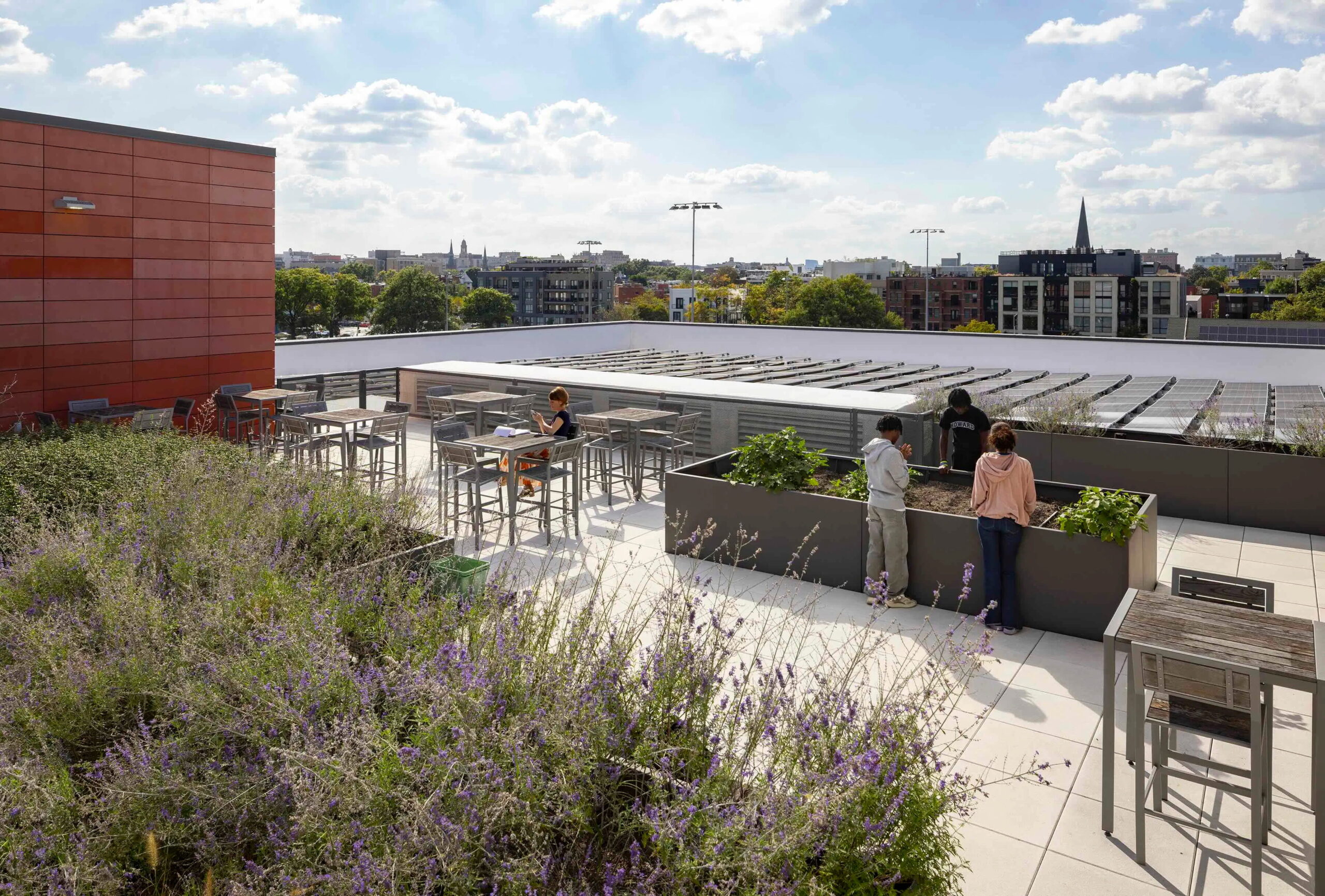
Designed by Perkins Eastman, this LEED Platinum high school runs on net-zero energy and centers on a four-story Learning Commons, a light-filled atrium that climbs to a rooftop terrace called Skyplace with views across the capital. Rather than rely only on its own roof, the school reaches zero energy through a district-scale strategy, sharing renewable power with a nearby school so the benefit extends past its own walls. Students themselves advocated for the new building, and its art and design honor the legacy of the mathematician and astronomer it is named for.
2. Marie Selby Botanical Gardens, Phase 1, Sarasota, FL
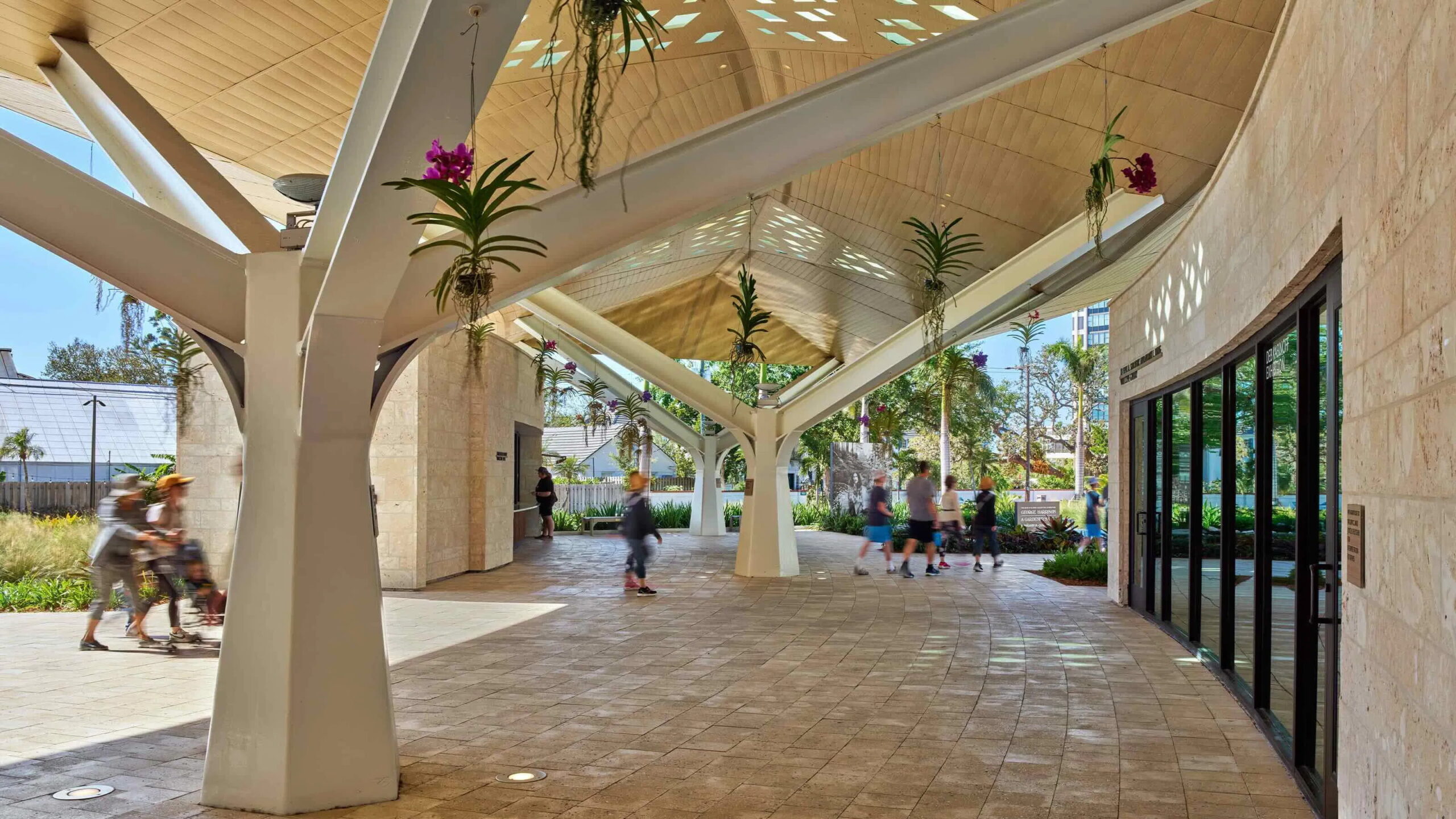
Overland Partners, working with Sweet Sparkman, turned a historic Florida site into what the AIA describes as the world’s first net-positive energy botanical garden. A 1.2 megawatt photovoltaic array powers the campus, which targets Living Building Challenge performance levels. Rainwater systems protect the adjacent Sarasota Bay and Hudson Bayou, native planting immerses visitors in local biodiversity, and the design is built to withstand hurricanes. By the AIA’s count, the campus offsets close to 1.9 million pounds of carbon dioxide each year.
3. Marlboro Music Reich Hall, Marlboro, VT
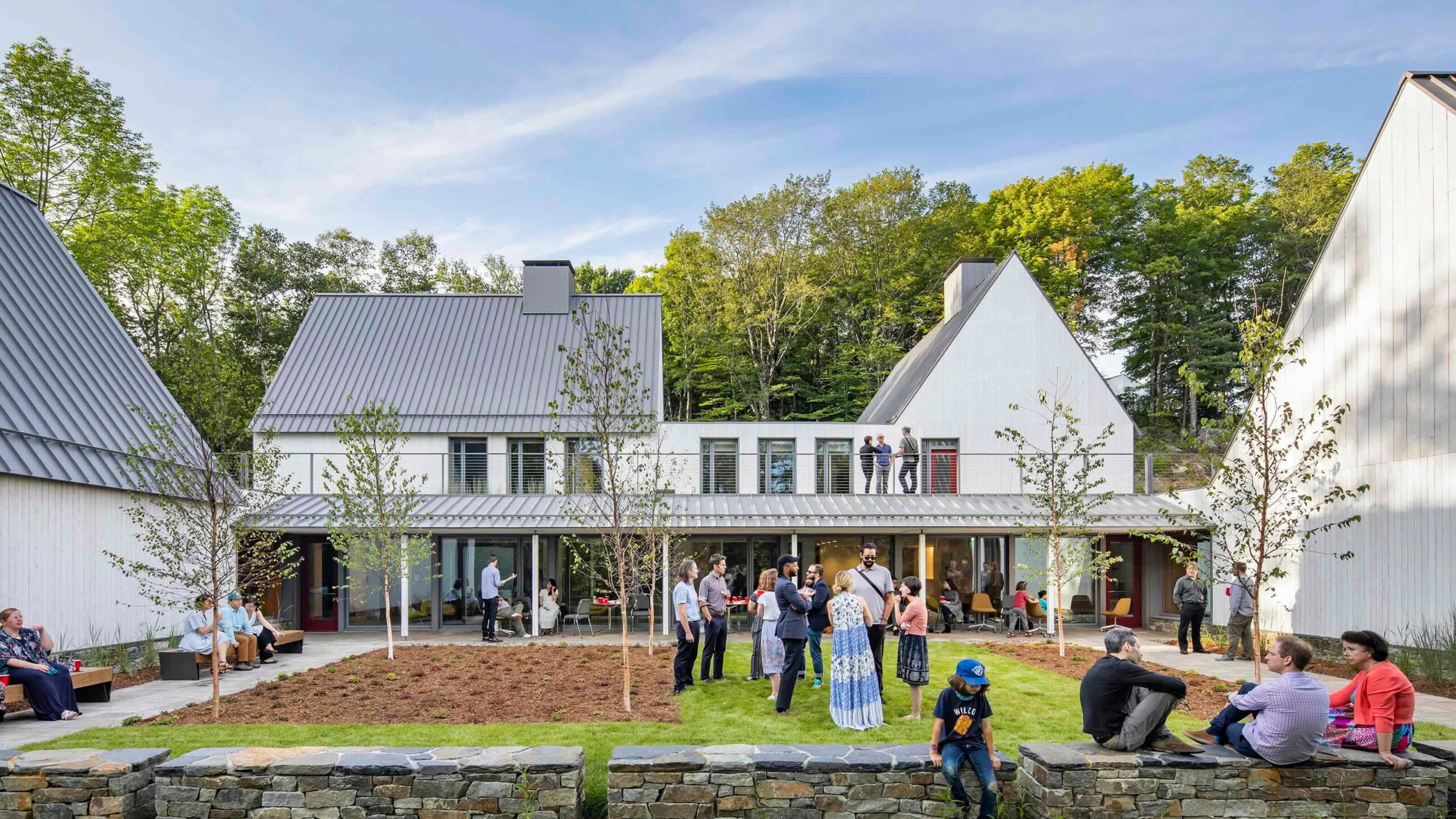
Set in Vermont’s Green Mountains, HGA’s Reich Hall is net-zero and all-electric, combining geothermal systems, off-site solar, and timber construction. It manages all of its stormwater on site and preserves nearby wetlands while exceeding AIA 2030 performance targets. The building is tuned for musicians, with acoustically precise rehearsal rooms and a climate-controlled library that holds the world’s largest chamber music collection. Its form takes cues from Cape Cod cottages, helping it settle quietly into the landscape.
4. Seattle Convention Center Summit Building, Seattle, WA
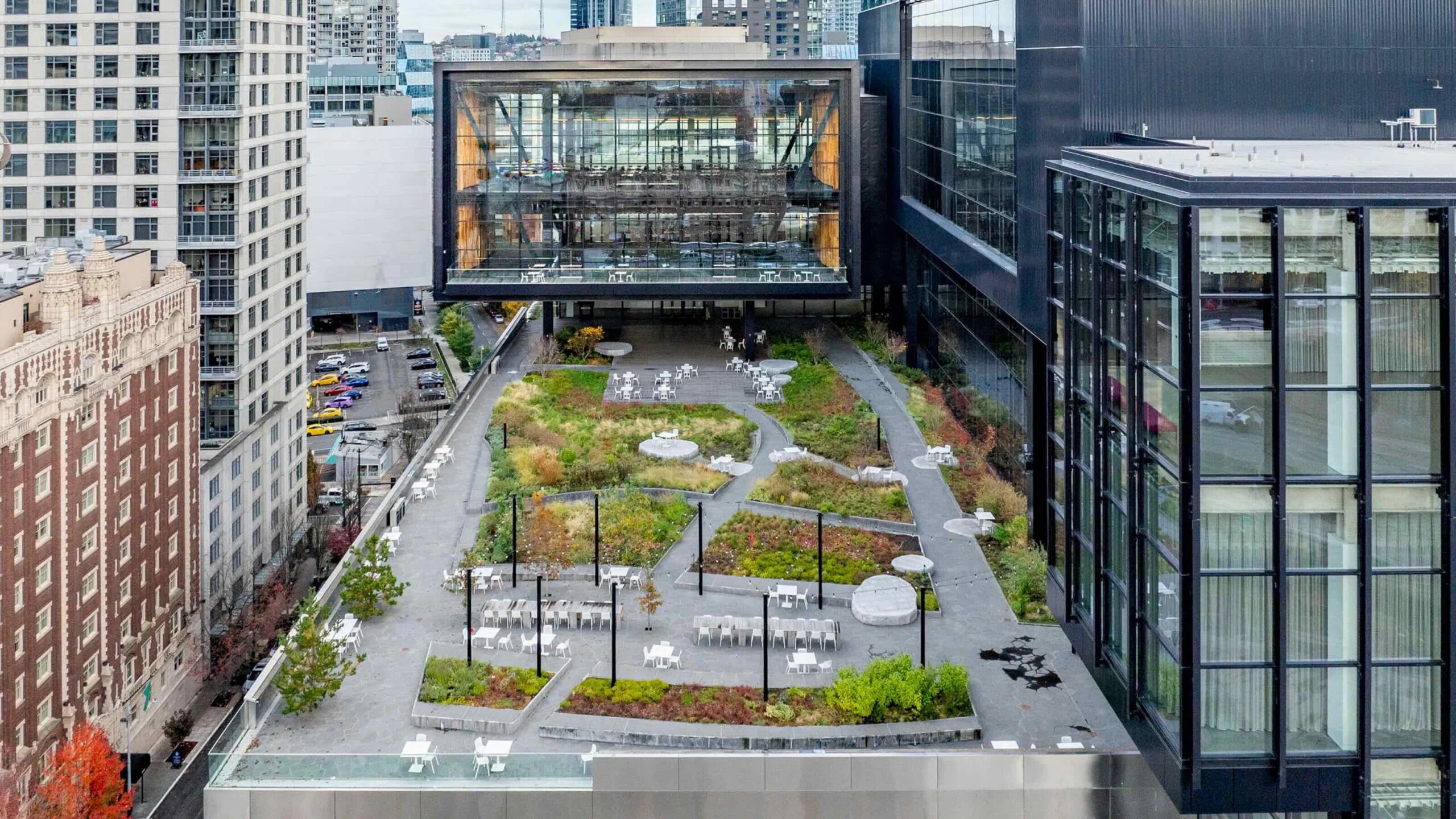
At 1.5 million square feet, LMN Architects built the Summit as the largest LEED Platinum convention center anywhere and the second largest LEED Platinum building in the country. Instead of the usual sprawling, single-level box, the program stacks vertically, making it the first high-rise convention center of its kind. The design knits into the surrounding downtown neighborhoods and features work by local artists, treating a building type often closed off from the city as something that can connect to it.
5. Health Sciences Education Building, University of Washington, Seattle, WA,
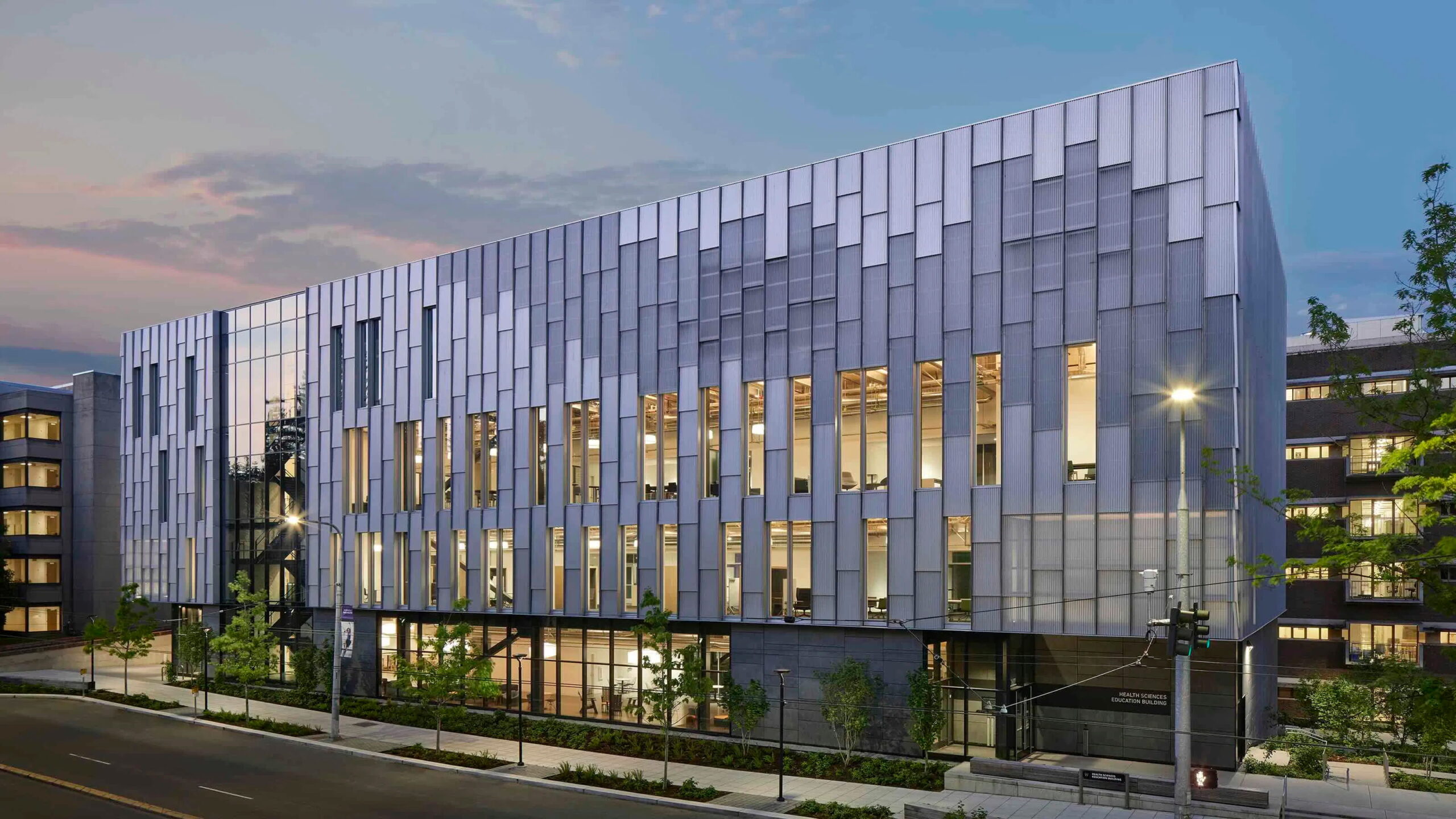
The Miller Hull Partnership, with SLAM Collaborative as medical education architect, designed this building to break down the silos between healthcare disciplines. A mass timber hybrid structure lowers carbon and helps reduce occupant stress, while daylight, planting, and gathering spaces of different sizes support a sense of belonging. The team frames the whole project around a Culture of Care, where the building itself models the wellness it teaches future healthcare workers to provide.
6. Trinity University Business and Humanities District, San Antonio, TX
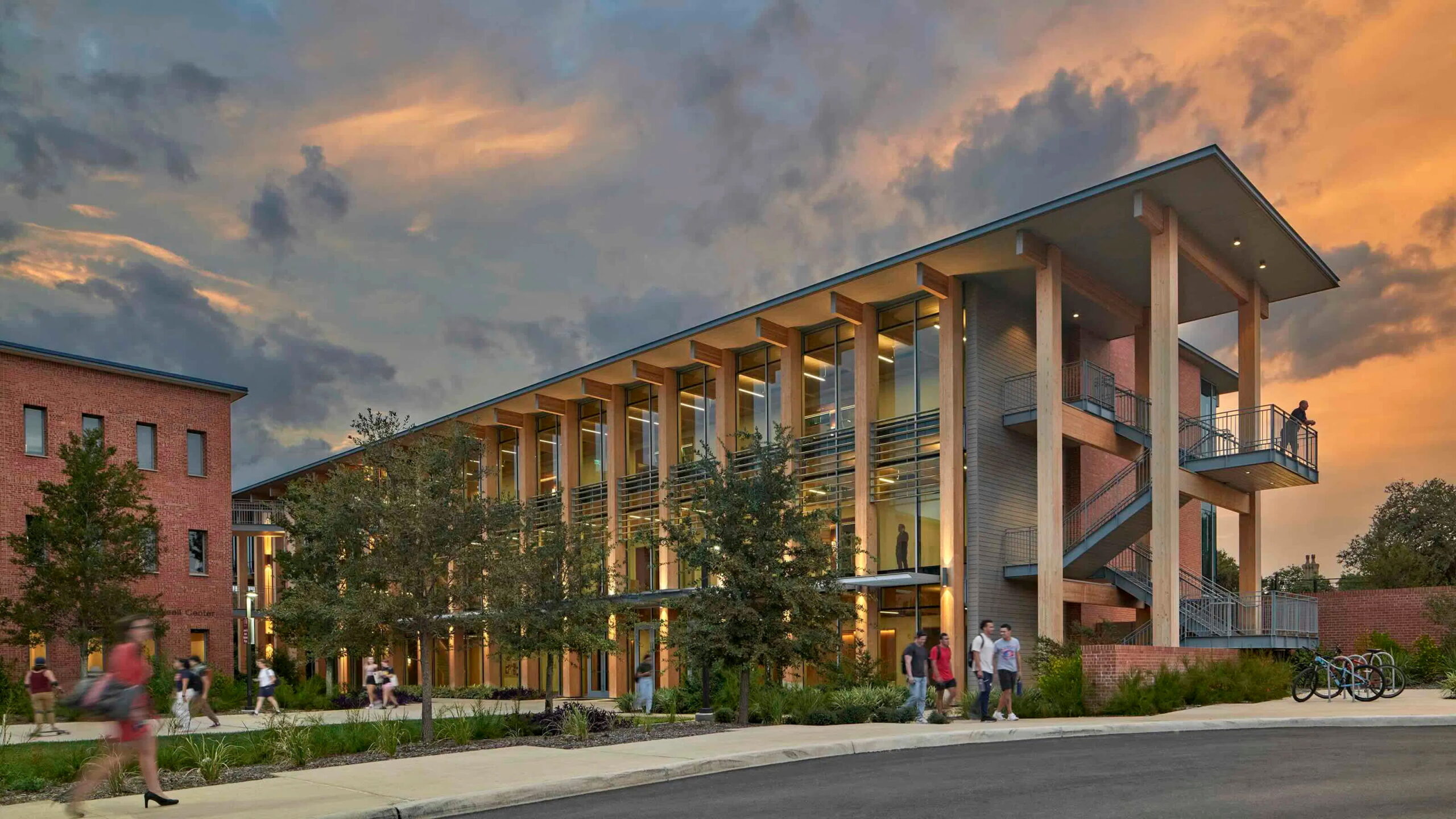
Lake Flato Architects, a regular presence on this list, merged eleven departments into two renovated mid-century modern buildings and a new mass timber hall called Dicke Hall. The numbers are striking. Dicke Hall cuts embodied carbon by 52 percent and energy use by 90 percent against its baseline, and captures 100 percent of its condensate to eliminate potable water for toilets and landscape. The district grew its floor area by 42 percent while raising total campus energy use by less than 1 percent.
🔢 Quick Numbers
- The COTE Top Ten Award is now in its 29th year (American Institute of Architects)
- Trinity University’s new Dicke Hall cut energy use by 90% and embodied carbon by 52% against its baseline (Lake Flato Architects project data)
- Marie Selby Botanical Gardens offsets close to 1.9 million pounds of carbon dioxide each year (American Institute of Architects)
- The Seattle Convention Center Summit covers 1.5 million square feet, the largest LEED Platinum convention center in the country (American Institute of Architects)
7. Volta Studio, Portland, OR
Bora Architecture and Interiors took a different path to low carbon. Instead of building new, they reused an existing industrial warehouse and kept interventions to a minimum, since holding onto an existing structure avoids the carbon of fresh construction. View windows were cut into the concrete walls so occupants can look toward downtown, and reworked roof monitors pull in daylight. A central gathering space called the Design Lab hosts community events, turning a working studio into a place for the neighborhood as well.
8. Marion Fire Station No. 1, Marion, IA
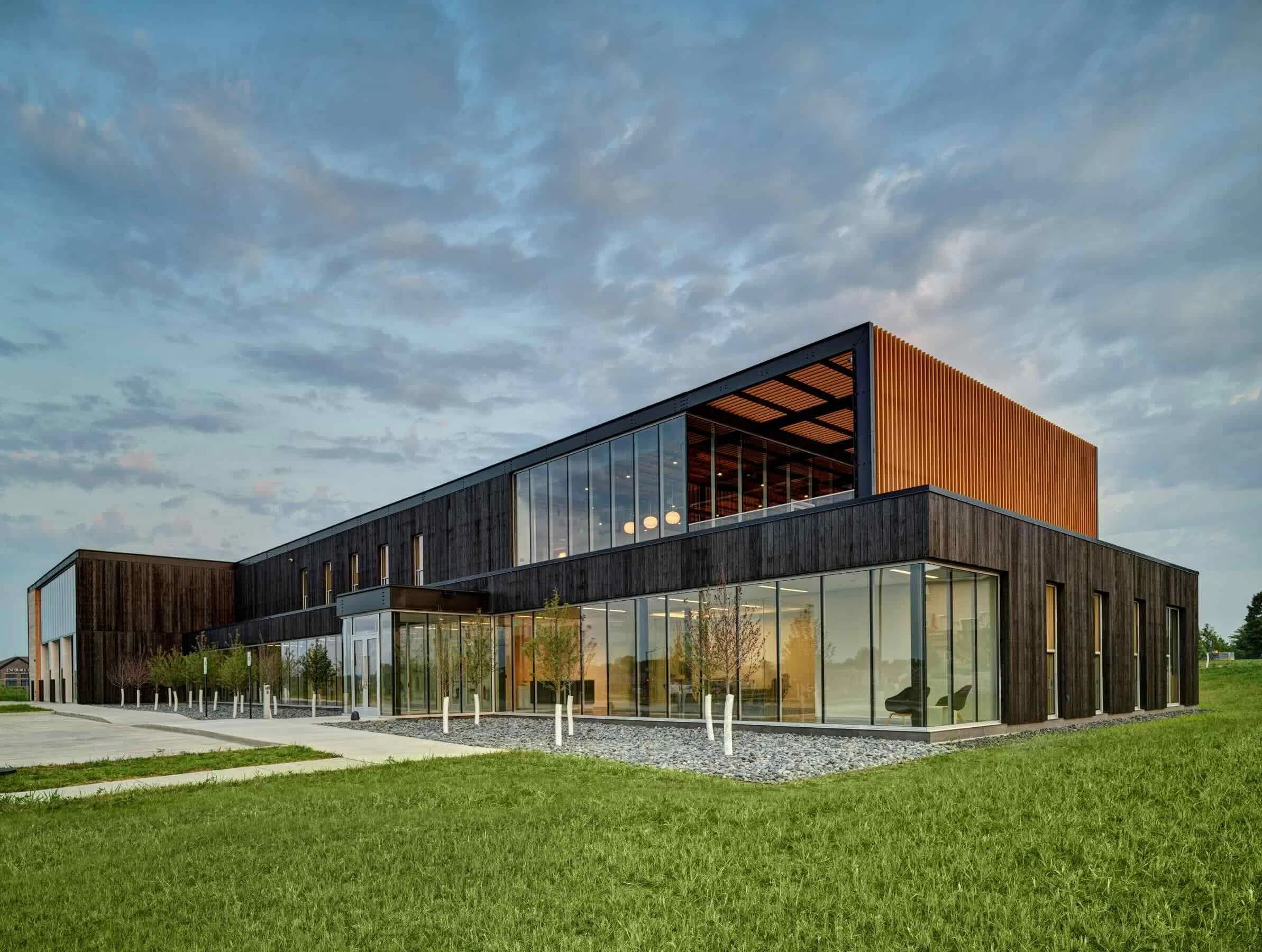
OPN Architects designed this 21,200 square foot, all-electric station around the health of the firefighters who use it. Full-height glass doors on the apparatus bay flood the space with daylight and open the building to the community, while biophilic touches support mental and physical wellbeing. The facade pairs glazing with shou sugi ban, a charred wood that is paradoxically fire-resistant. A green roof and trellis-covered terraces sit above living spaces, and the plan is carefully sequenced so firefighters are shielded from the carcinogens that come back with them after a call.
9. Kapuso at the Upper Yard, San Francisco, CA
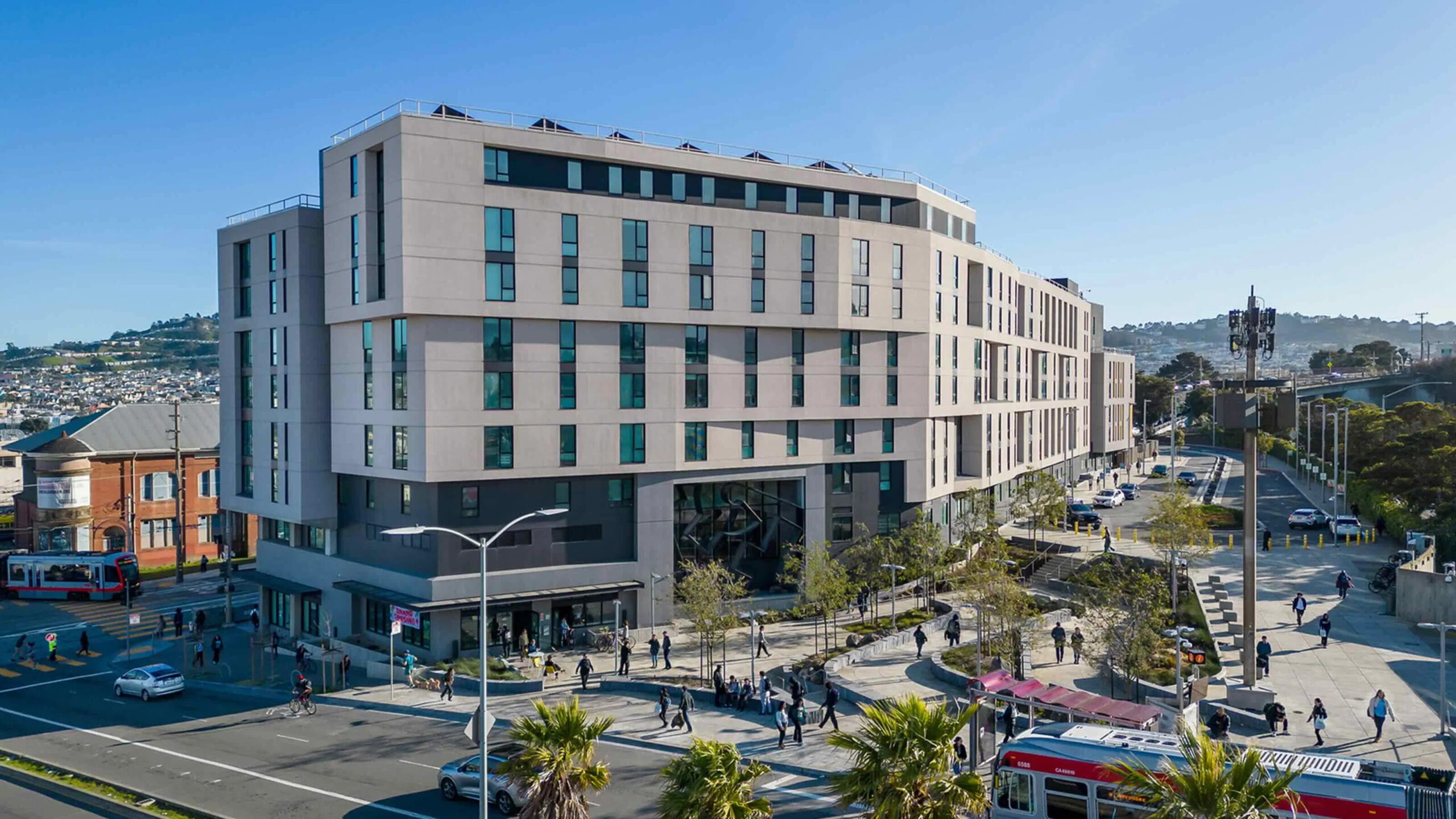
Kapuso, Tagalog for one at heart, shows how affordable housing can carry real climate ambition. Mithun delivered 131 permanently affordable, all-electric homes at Balboa Park Station, one of the city’s busiest transit hubs. Ground-floor community spaces activate a terraced transit plaza with open sightlines and accessible paths, and a sheltered green heart courtyard gives residents a calm place to gather. Low-carbon materials and transit-oriented planning tie housing, mobility, and nature into one neighborhood.
10. U.S. Embassy Niamey, Niger
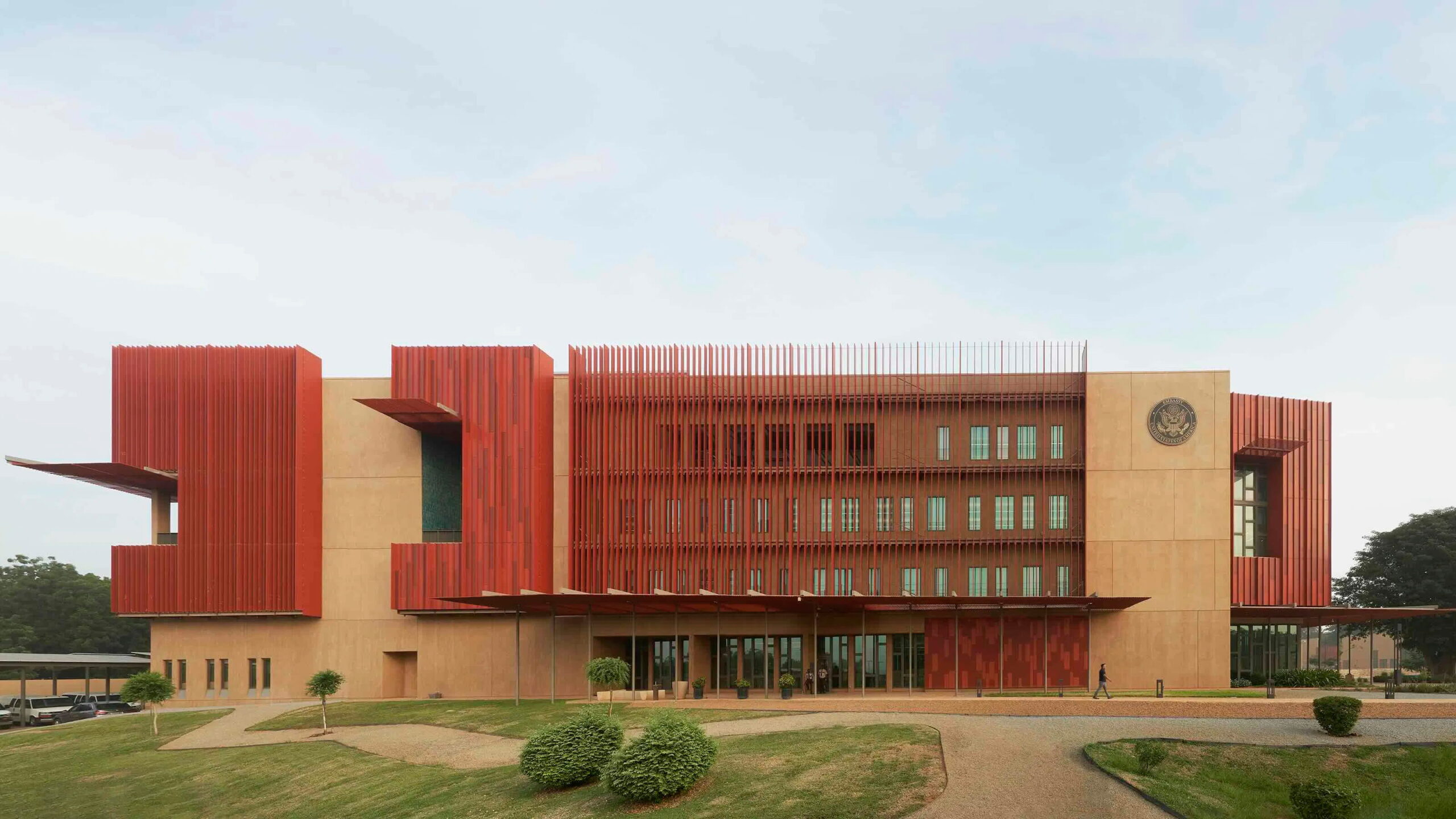
The Miller Hull Partnership, serving as design architect with Page Southerland Page as architect of record, completed the firm’s second win on this year’s list with a federal project on a very different stage. Sitting on a 10-acre site just north of the Niger River, the embassy replaces buildings that no longer met security and efficiency standards. Its design draws on the Nigerien landscape and traditional architecture, using simple materials suited to a sub-tropical climate. Engineering, landscape, stormwater, and wastewater systems were developed to reduce the building’s draw on local utility infrastructure.
What the 2026 Winners Reveal About Sustainable Design
Read together, the ten projects point to a few clear shifts. All-electric and net-zero have moved from aspiration to baseline, showing up in a school, a music hall, a fire station, and an affordable housing block alike. Mass timber is no longer experimental, anchoring both the Trinity hall and the University of Washington building as a practical way to lower embodied carbon. You can see the same material thinking running through the wider story of modern architecture and its sustainable principles.
Reuse is the other thread worth noting. Volta Studio and the renovated buildings at Trinity make the case that the lowest-carbon choice is often the structure already standing. Banneker pushes further by sharing energy across property lines, a reminder that a building’s impact does not stop at its own meter. Kapuso and the Niamey embassy round out the picture by tying performance to equity and to local infrastructure. These patterns echo the sustainable architecture trends shaping the field more broadly, and they show how sustainable design is reshaping communities, not just individual buildings.
2026 AIA President Illya Azaroff framed the year’s honorees as forward-looking work meant to connect and uplift the communities they serve. That language fits a cohort defined less by spectacle than by usefulness. For the full project details and team credits, the AIA publishes each scheme on its site, and Architectural Record’s coverage adds helpful context on the Seattle firms that returned this year.
💡 Pro Tip
If you want your own work to reach this level, build measurement into the brief from the start. The projects that win COTE recognition tend to set energy and carbon targets during pre-design and run the numbers through every phase, instead of treating sustainability as a layer added near the end. The award rewards verified results, so the teams that plan for post-occupancy data are the ones that can actually prove their claims.
Performance figures reflect data reported by the project teams and the AIA and may vary with how each building is occupied and operated.
The Bigger Picture
The most telling thing about the AIA COTE Top Ten Award 2026 is not any single net-zero showpiece. It is that the frontier of sustainable architecture has moved from the trophy object to the scale of the block and the existing building. The projects that stood out share power across property lines, breathe new life into old warehouses and mid-century halls, and back their claims with a year of meter readings. The question for the next cohort may be less how green a building is on its own, and more how much it helps everything around it. For a sense of where that thinking leads, our look at where sustainable architecture is heading next picks up the thread, and the official AIA winners page lets you explore each project in depth.










Zaha Hadid Architects Rebrand to ZHA: A New Name and a New Chapter
Zaha Hadid Architects has officially become ZHA, ten years after its founder's...
Elif Ayse Sen8 Mins read
Al Maktoum International Airport: Dubai’s 2032 Aviation Megaproject
Dubai's Al Maktoum International Airport has entered large-scale construction, with Phase 1...
Elif Ayse Sen9 Mins read

LOHA Founder Architect Lorcan O’Herlihy Dies at 66
Irish-born architect Lorcan O'Herlihy, founder of Los Angeles firm LOHA, has died...
Elif Ayse Sen8 Mins read

FIFA World Cup 2026 Stadiums: Best-Designed Venues Hosting the Tournament
From the Pantheon-inspired retractable roof in Atlanta to the sunken bowl of...
Elif Ayse Sen14 Mins read


Leave a comment