

How Much Does a Tiny House Cost in 2026? Complete Price Breakdown
This guide breaks down tiny house costs by build method, size, and material quality, covering DIY builds, prefab kits, and custom homes with real pricing data, hidden expenses, and budgeting strategies for 2026.
 Bahattin Duran23 October 202613 Mins read3
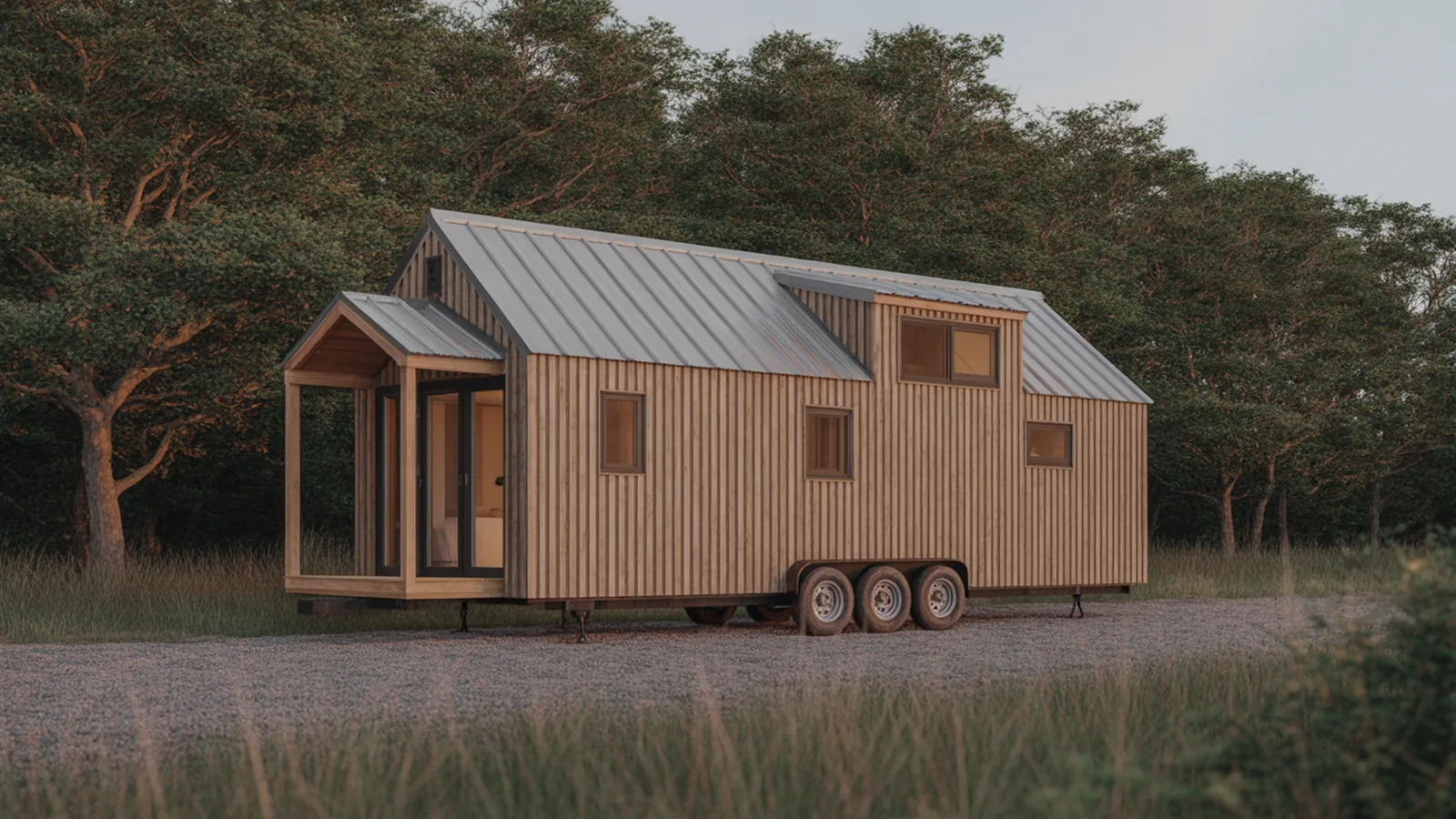
Table of Contents Show
The tiny house cost ranges from $30,000 to $70,000 on average for a complete build in 2026, according to data from HomeAdvisor and HomeGuide. That figure covers materials, labor, and basic finishes for a standard 200 to 400 square foot home. But your final number could land anywhere from $8,000 for a bare-bones DIY project to well over $150,000 for a custom-designed home with luxury amenities.
With the median U.S. home price sitting near $400,000 (per the National Association of Realtors, January 2025 data), tiny houses offer a dramatically more affordable path to homeownership. The catch? Per-square-foot pricing runs higher than traditional construction, typically $150 to $450 per square foot compared to $150 to $200 for conventional homes. That premium exists because a tiny house still needs a full kitchen, bathroom, electrical panel, and HVAC system, just compressed into a fraction of the space.
This guide walks you through every cost factor, from build method and size to hidden expenses most buyers overlook, so you can plan a realistic tiny house budget before breaking ground.
Average Tiny House Price by Build Method
How you build or buy your tiny home is the single biggest factor that determines your total tiny house cost. There are three primary routes, each with distinct price ranges, timelines, and trade-offs. The right choice depends on your construction skills, available time, and budget flexibility.
Tiny House Cost Comparison: DIY vs. Prefab vs. Custom
The following table summarizes pricing across the three main build methods:
| Build Method | Price Range | Cost per Sq Ft | Timeline | Best For |
|---|---|---|---|---|
| DIY Build | $15,000 – $40,000 | $100 – $200 | 6 – 12 months | Skilled builders with time |
| Prefab / Kit | $9,500 – $80,000+ | $150 – $250 | 2 – 4 months | Balance of cost and speed |
| Custom Professional | $50,000 – $150,000+ | $250 – $450 | 4 – 8 months | Full personalization, warranty |
| Preowned | $20,000 – $80,000 | Varies | 30 days or less | Fastest, most affordable entry |
DIY builds can save you $20,000 to $45,000 compared to hiring a professional, according to Tiny House Basics. That savings comes entirely from eliminating labor charges and builder overhead. However, building yourself takes 6 to 12 months and requires real construction knowledge. Mistakes with framing, electrical, or plumbing can lead to costly repairs or permit violations.
Prefab and kit homes sit in the middle ground. A basic unassembled kit starts around $4,000 to $10,000, but those prices cover only the shell or structural materials. A fully finished, move-in-ready prefab from companies like Tumbleweed Tiny House Company typically runs $40,000 to $80,000 or more. The advantage is speed and predictability, since most of the work happens in a factory setting.
Custom professional builds offer the most personalization but carry the highest price tag. You are paying for design expertise, code compliance, warranties, and builder overhead. For a 200 to 300 square foot home with mid-range finishes, expect $75,000 to $90,000 according to TenantCloud’s 2025 tiny home cost analysis.
Tiny House Cost by Size
According to HomeGnome’s 2025 pricing data, the average cost per square foot for a tiny home is $290, with a typical range of $150 to $430 depending on build quality and location. Here is how costs scale by size:
Price Ranges by Square Footage
| Size (Sq Ft) | Estimated Cost Range | Notes |
|---|---|---|
| 100 sq ft | $15,000 – $43,000 | Ultra-minimalist, serious downsizing required |
| 200 sq ft | $30,000 – $60,000 | Common solo or couple layout |
| 300 sq ft | $45,000 – $90,000 | Most popular size, good livability balance |
| 400 sq ft | $60,000 – $120,000 | Room for loft bedroom, full kitchen |
| 500 – 600 sq ft | $75,000 – $150,000+ | Upper limit of tiny classification |
The 200 to 300 square foot range is the sweet spot for most tiny homeowners. At this size, you can fit a functional kitchen, a full bathroom, a sleeping loft, and a small living area while keeping total costs manageable. Going above 400 square feet starts approaching small-home territory and often triggers different HUD building code requirements.
What Goes Into the Price: Full Cost Breakdown
Understanding where your money goes helps you prioritize spending and identify areas where you can save. A tiny house involves the same core systems as a traditional home, just scaled down. Here is a category-by-category breakdown based on 2025 pricing data from HomeGuide and HomeAdvisor:
Foundation or Trailer
Your foundation choice sets the tone for your entire budget. A tiny house on wheels requires a purpose-built trailer, which costs $4,000 to $10,000 depending on size and weight rating. Do not use repurposed utility or RV trailers, because they are not engineered for tiny house loads and can compromise structural integrity over time.
A permanent foundation runs $5,000 to $15,000, with concrete slabs at the lower end ($6 to $14 per square foot) and pier footings or crawlspace foundations at the higher end. Foundation-based homes have an easier path to financing, insurance, and property appreciation, but they sacrifice mobility.
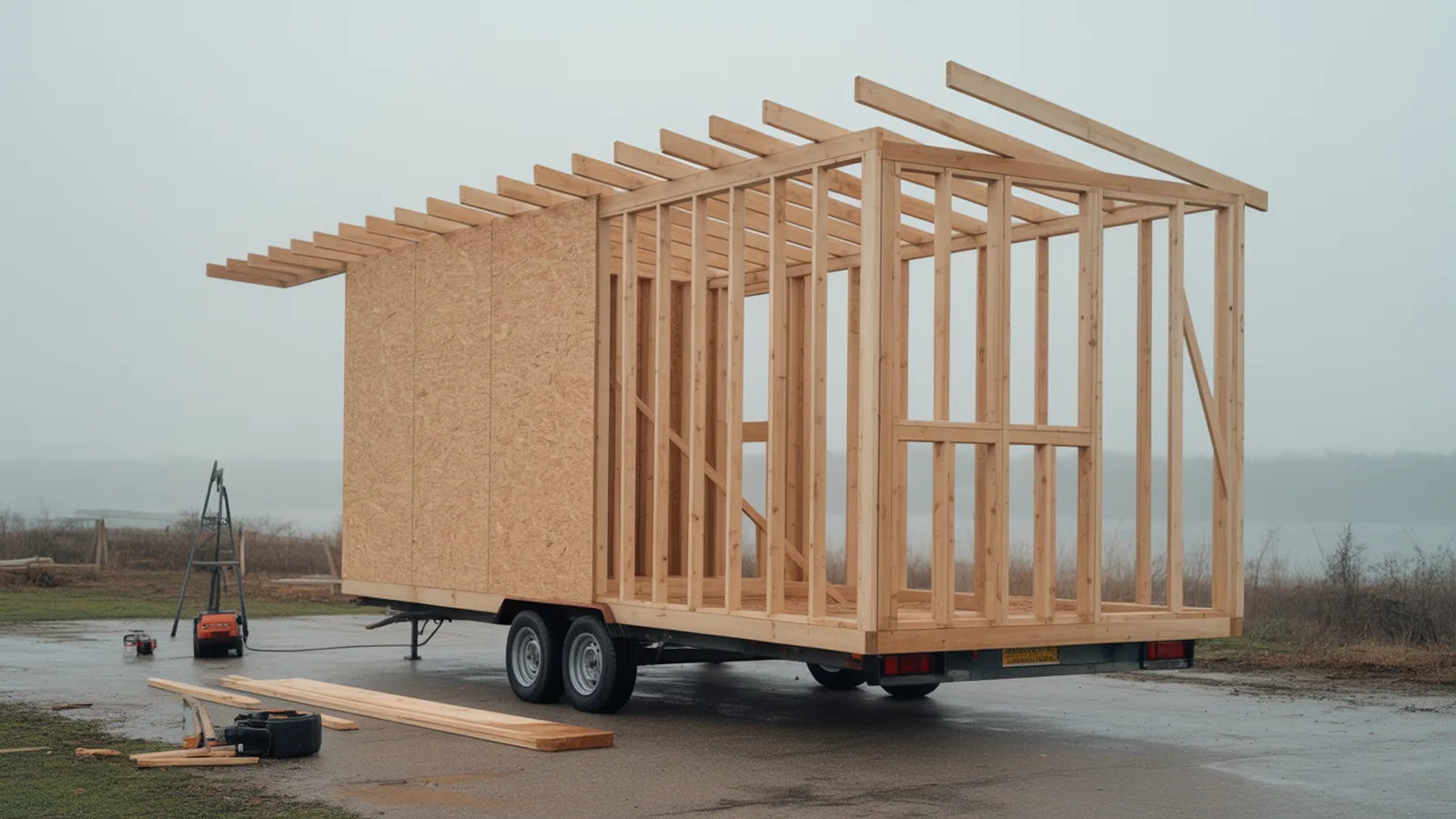
Framing, Walls, and Roof
Plumbing
Plumbing costs range from $1,000 to $7,000 for a tiny home, according to HomeGuide. That covers supply lines, drain lines, a water heater, and basic fixtures. A tankless water heater ($600 to $2,600 for the unit) is the preferred option for tiny homes due to its compact size. If you are going off-grid, add $200 to $2,500 for a rainwater collection system with UV purification.
Electrical Wiring
Wiring a tiny house costs $750 to $3,500, covering the breaker box, circuits, outlets, and switches. Electrician labor runs $50 to $130 per hour, and the typical rough-in takes one to two days. Tiny houses on wheels usually rely on a 30-amp or 50-amp cord that plugs into a standard RV hookup or residential outlet.
Interior Finishes and Appliances
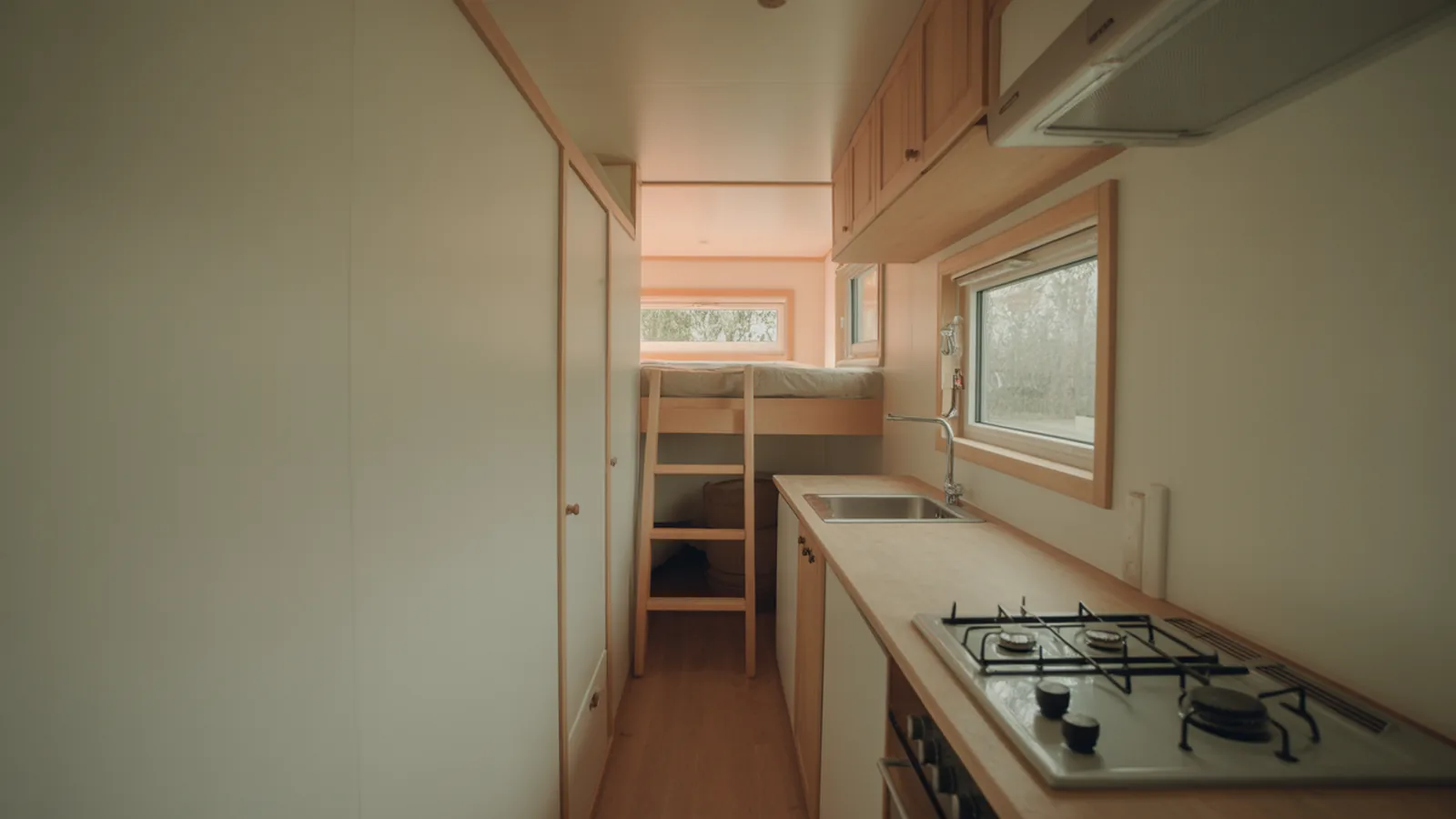
Flooring, cabinetry, countertops, fixtures, and paint make up the interior finish budget. For a mid-range tiny home, plan $5,000 to $15,000 for kitchen buildout and $3,000 to $8,000 for bathroom finishes. Compact appliances cost more than their full-size counterparts, so factor in $2,000 to $6,000 for a mini fridge, compact stove, washer/dryer combo, and other essentials.
Materials Cost Summary
| Category | Cost Range |
|---|---|
| Trailer or Foundation | $4,000 – $15,000 |
| Framing, Walls, Roof, Insulation | $10,000 – $25,000 |
| Plumbing | $1,000 – $7,000 |
| Electrical | $750 – $3,500 |
| HVAC / Mini-Split | $2,000 – $5,000 |
| Kitchen (Cabinets, Counters, Appliances) | $3,000 – $15,000 |
| Bathroom Fixtures and Finishes | $1,500 – $5,000 |
| Interior Finishes (Flooring, Paint, Trim) | $2,000 – $8,000 |
| Permits and Inspections | $500 – $5,000 |
Tiny House on Wheels vs. Foundation: Which Costs More?
This decision affects far more than your initial budget. It shapes your financing options, insurance rates, tax obligations, and long-term property value.
A tiny house on wheels (THOW) costs $50,000 to $80,000 on average, including the trailer, according to HomeAdvisor. You will pay personal property taxes (similar to mobile homes or boats) rather than real estate taxes. Parking your THOW requires finding legal spots, whether in RV parks, tiny house communities, or on private land where zoning allows it. Insurance is typically handled through RV or mobile home policies.
A foundation-based tiny home costs $33,000 to $78,000 or more for the structure alone, not including land. Add $3,000 to $150,000 for the land itself depending on location (rural land can be under $10,000, while suburban or scenic lots run much higher). The upside is clearer financing pathways, potential for property appreciation, and easier access to homeowners insurance. You will also pay real estate property taxes.
Alternative structure types offer different cost profiles too. A shipping container tiny home runs $20,000 to $50,000 for a single-container build, while a bus conversion (“skoolie”) averages $30,000 to $50,000 including the vehicle and interior buildout.
Hidden Costs Most Tiny House Buyers Overlook

Land Purchase or Lease
If you do not already own property, land is a major additional expense. Rural lots start around $5,000 to $20,000, while land in desirable or suburban areas can cost $50,000 to $300,000 or more, especially in states like California or Colorado. Site preparation (grading, access roads, utility connections) adds another $5,000 to $50,000 depending on terrain and proximity to infrastructure.
Utility Hookups
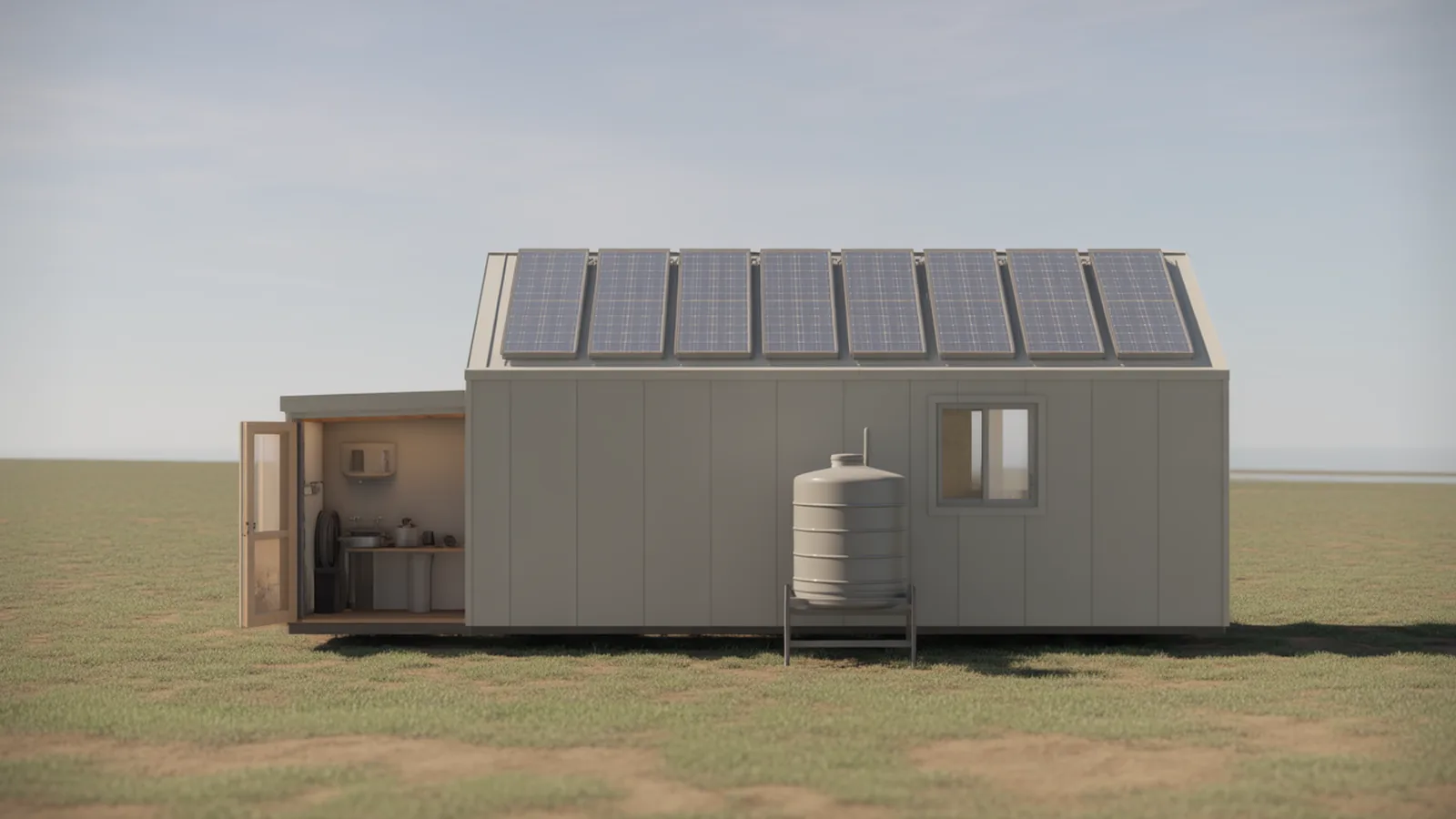
Connecting to municipal water and sewer can cost $5,000 to $30,000, depending on your distance from existing infrastructure. Installing a new water main runs $32 to $53 per linear foot, and some municipalities charge $2,000 to $3,000 just for the meter, according to HomeGuide. Off-grid alternatives like solar panels ($10,000 to $25,000), septic systems ($3,000 to $10,000), and well water ($3,000 to $15,000) carry their own costs.
Zoning, Permits, and Legal Compliance
Building permits range from a few hundred dollars in rural counties to several thousand in cities with strict codes. Some municipalities do not allow tiny houses at all, or they restrict them to specific zones. Zoning research should be one of your first steps, not an afterthought. The American Tiny House Association maintains resources on zoning regulations by state.
Moving and Transportation
If your tiny home is not built on-site, transportation costs add up. Moving a tiny house up to 250 miles costs $200 to $1,500, while moves over 250 miles run $1,000 to $5,000, according to HomeGuide. Oversized loads may require pilot cars and special permits, which increase the price further.
Insurance, Furniture, and Storage
Tiny home insurance varies widely based on whether your home is classified as an RV, mobile home, or permanent dwelling. Annual premiums typically range from $500 to $1,500. You may also need to budget for compact furniture and custom storage solutions ($1,000 to $5,000), plus a rental storage unit for belongings that do not fit ($50 to $200 per month).
How to Finance a Tiny House
Personal loans are the most common route. They do not require the home as collateral and can be approved quickly, but interest rates tend to be higher (6% to 15% depending on your credit score). Loan amounts typically cap at $50,000 to $100,000.
An RV loan is available if your tiny house on wheels carries RVIA (Recreational Vehicle Industry Association) certification. These loans offer lower rates than personal loans and longer repayment terms, but certification limits your design options and permanently classifies the home as a recreational vehicle.
Construction loans cover land purchases and building costs for foundation-based tiny homes. They convert to a standard mortgage once construction is complete. You will need a strong credit score and a detailed building plan to qualify.
For existing homeowners, a home equity loan or cash-out refinance can fund tiny home construction at favorable rates, since your primary residence serves as collateral. According to Rocket Mortgage, this is one of the more cost-effective financing strategies for tiny home projects.
Tiny House Budget by Tier: What You Get at Each Price Point
Not every tiny house needs to cost $60,000 or more. Your budget tier determines the materials, finishes, and level of customization you can expect. Here is a realistic breakdown of what each range delivers:
Budget Tiers Overview
| Budget Tier | Price Range | What You Get |
|---|---|---|
| Economy | $8,000 – $25,000 | DIY shell or basic kit, recycled materials, minimal finishes, composting toilet |
| Mid-Range | $30,000 – $70,000 | Prefab or DIY with quality materials, full kitchen and bath, standard appliances |
| High-End | $75,000 – $150,000+ | Custom design, premium finishes, solar, smart home tech, luxury appliances |
The mid-range tier ($30,000 to $70,000) is where most tiny homeowners land. At this budget, you can build a well-insulated, code-compliant home with durable finishes that will serve you for 30 to 50 years with proper maintenance. Going economy makes sense for a weekend retreat or rental property, while the high-end tier suits full-time living with no compromises on comfort.
How Much Can You Save with a Tiny House?

According to a RubyHome analysis of tiny home statistics (2025), the average tiny home price of $67,000 is 87% cheaper than the average U.S. home price of $512,800 (Federal Reserve Bank of St. Louis, Q2 2025). That gap translates into dramatically lower mortgage payments, or no mortgage at all if you can pay cash.
Monthly operating costs drop significantly too. Utility bills for a tiny home average $50 to $150 per month, compared to $200 to $400 for a conventional home. Property taxes are lower since they are based on assessed value. Maintenance costs shrink with the smaller footprint. According to RaleighRealty’s tiny home pricing report, 58% of tiny homeowners report saving more money after making the switch.
That said, tiny homes do not always appreciate in value. Highly customized designs and homes on wheels may depreciate, and the niche market can make resale challenging. If long-term property value is a priority, a foundation-based tiny home in a desirable location is your best bet.
Tiny House Cost by State: Regional Price Differences
Location influences your tiny house price through differences in labor rates, material costs, land prices, permit fees, and local building code requirements. Building the same 250-square-foot home in New York City will cost substantially more than building it in rural Alabama.
According to RubyHome’s 2025 state-by-state analysis, the five most affordable states for tiny homes include Mississippi, West Virginia, Arkansas, Alabama, and Kentucky, where prices per square foot run well below the national average. The most expensive states are California, Hawaii, Massachusetts, New York, and Washington, where stricter zoning, higher labor costs, and elevated land prices push total costs significantly higher.
Building permits alone can vary from $200 in relaxed rural jurisdictions to $5,000 or more in cities with strict building codes, per TenantCloud data. Material transportation adds 10% to 20% to supply costs in remote areas. If you have flexibility on location, choosing a tiny-house-friendly state with lower costs of living can save you $15,000 to $40,000 on the same build.
Tips for Reducing Your Tiny House Cost

Keep the design simple. Straight rooflines, rectangular floor plans, and standard window sizes cost less to build than complex angles, dormers, or custom openings. Every deviation from standard dimensions increases both material waste and labor time.
Source materials creatively. Reclaimed wood, salvaged windows, secondhand appliances, and overstock building supplies from liquidation outlets can cut material costs by 15% to 30%. Check local Habitat for Humanity ReStore locations and building material recyclers in your area.
DIY the tasks within your skill set. Painting, flooring installation, trim work, and basic cabinetry are all manageable for someone with moderate carpentry skills. Leave electrical, plumbing, and structural framing to licensed professionals.
Choose your trailer wisely. For tiny houses on wheels, the trailer is the foundation of your home. A quality, purpose-built tiny house trailer costs $5,000 to $10,000, and this is the one area where cutting costs can backfire badly. Cheap or repurposed trailers risk structural failure, moisture problems, and safety hazards.
Plan your utility strategy early. Deciding between grid-connected and off-grid systems before construction starts prevents expensive mid-build changes. Off-grid solar setups have higher upfront costs ($10,000 to $25,000) but eliminate monthly utility bills entirely.
Cost figures cited in this guide are approximate and vary by region, material supplier, labor rates, and project scope. Always obtain multiple quotes from licensed contractors and verify current pricing before committing to a budget.
Frequently Asked Questions
How much does it cost to build a tiny house yourself?
A DIY tiny house build costs $15,000 to $40,000 depending on materials, size, and your skill level. You can reduce costs further by using reclaimed materials and doing most of the work yourself, but always hire licensed professionals for electrical and plumbing installations to meet building codes.
Is a tiny house cheaper than renting?
In most cases, yes. A $50,000 tiny house with no mortgage costs far less per month than average rent in most U.S. cities. Even with financing, monthly payments on a tiny home are typically $300 to $600, compared to the national average rent of over $1,700. You also build equity instead of paying a landlord.
What is the cheapest type of tiny house to build?
A DIY tiny house built from a prefab shell or kit is the most affordable option, starting as low as $4,000 to $10,000 for the kit itself. Shipping container conversions also offer a budget-friendly entry point at $20,000 to $50,000 for a single-container build with basic finishes.
Do tiny houses appreciate in value?
Foundation-based tiny homes in desirable locations can appreciate, similar to traditional real estate. However, tiny houses on wheels and highly customized designs often depreciate. The niche market and limited buyer pool make resale less predictable than conventional homes.
How long does a tiny house last?
A well-built tiny house can last 30 to 50 years or more with regular maintenance. Quality materials, a solid foundation or trailer, proper insulation, and weatherproofing are the key factors. Homes on wheels require additional attention to the trailer frame, tires, and hitch components to maintain structural integrity over time.






Tiny House Water Systems: Your Complete Guide to Plumbing, Rainwater Harvesting and Off-Grid Solutions
A practical guide to designing a tiny house water system, covering PEX...
Bahattin Duran14 Mins read
Off-Grid Tiny House Living: Complete Setup Guide for Beginners
This guide walks you through every stage of setting up an off-grid...
Bahattin Duran15 Mins read
Tiny House with Loft: Design Ideas, Plans and Building Tips for Vertical Living
A complete guide to designing and building a tiny house with loft,...
Bahattin Duran15 Mins read
8+ Best Tiny Home Communities in Michigan: Great Lakes Tiny Living Guide
Explore tiny home communities in Michigan. Great Lakes lifestyle, affordable land, and...
Bahattin Duran18 Mins read


Leave a comment