

Ammodo Awards 2025: Social & Ecological Excellence
The Ammodo Architecture Awards 2025 celebrate 26 groundbreaking projects that prioritize social responsibility, ecological care, and community impact. Selected from over 60 countries, the winners demonstrate how architecture can strengthen communities, restore natural systems, and shape a more sustainable and meaningful future for global design.
 Elif Ayse Sen29 November 20254 Mins read209
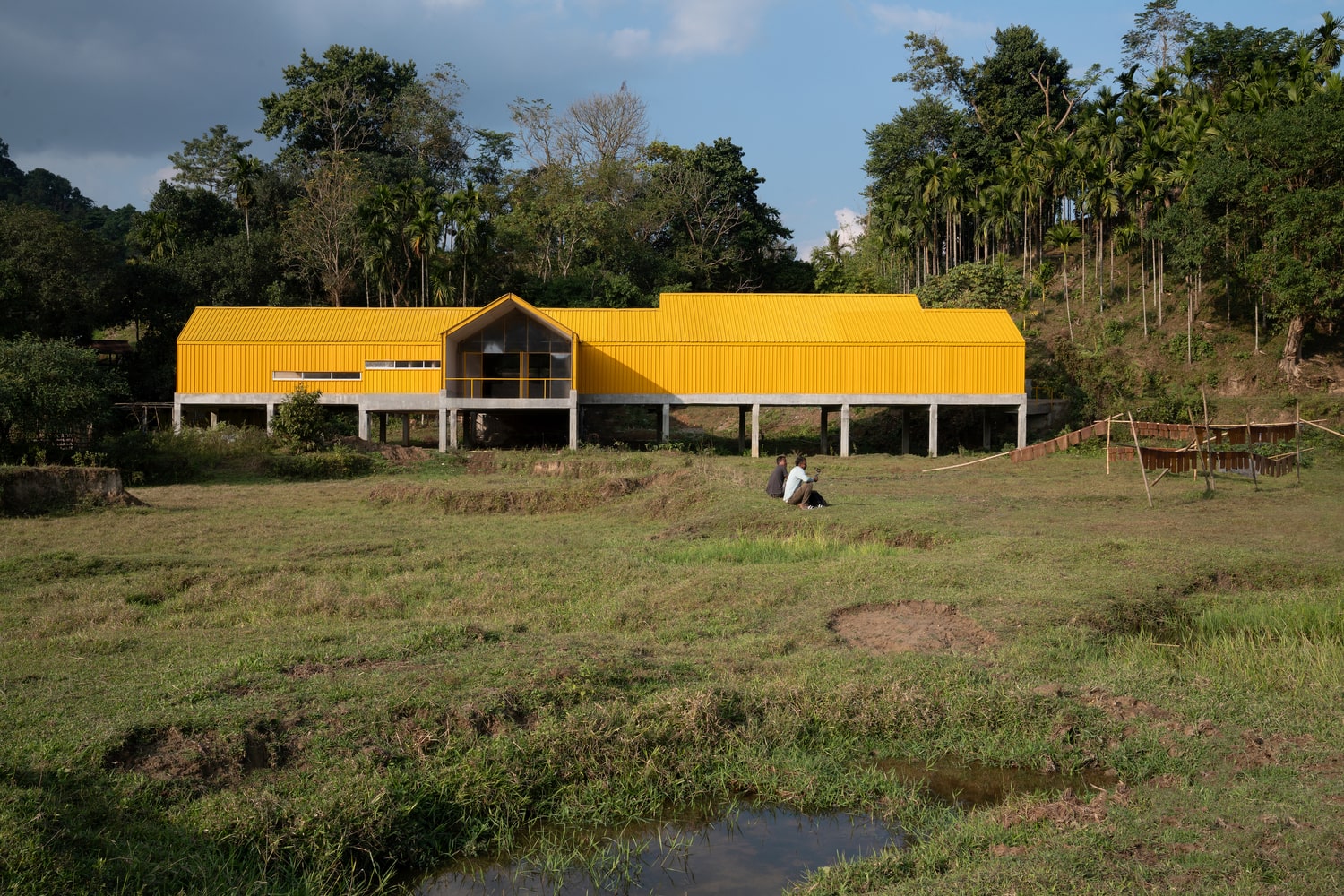
Table of Contents Show
2025 has become an important year for architecture which set a strong focus on meaningful, community-centered, and environmentally conscious design. Following this global celebration of excellence, the Ammodo Architecture Awards 2025 also highlight how architects and designers around the world are shaping a better future through socially and ecologically responsible projects.
A Global Award Supporting Responsible Design
The second edition of the Ammodo Architecture Award honored 26 recipients whose work contributes to social well-being and ecological care. Selected from 168 submissions across more than 60 countries, the winners represent a wide mix of practices, established studios, young collectives, and community-led groups.
To support their ongoing work, each awardee receives a grant ranging from €10,000 to €150,000. The award is not only a recognition but also a platform that brings these designers together, helping them share knowledge and exchange ideas on the main themes identified by the advisory committee.
How the Selection Was Made
Awardees were chosen by an international advisory committee led by Joumana El Zein Khoury, Executive Director of the World Press Photo Foundation. Other members included notable figures such as:
-
Andrés Jaque, Dean of Columbia GSAPP
-
Anupama Kundoo, Professor at TU Berlin
-
Floris Alkemade, former Chief Government Architect of the Netherlands
-
Mariam Issoufou, Professor at ETH Zurich
-
Loreta Castro Reguera, Professor at UNAM, Mexico City
Nominations were collected through a special invitation process involving regional ambassadors, ensuring a wide and diverse representation of architectural voices from around the world.

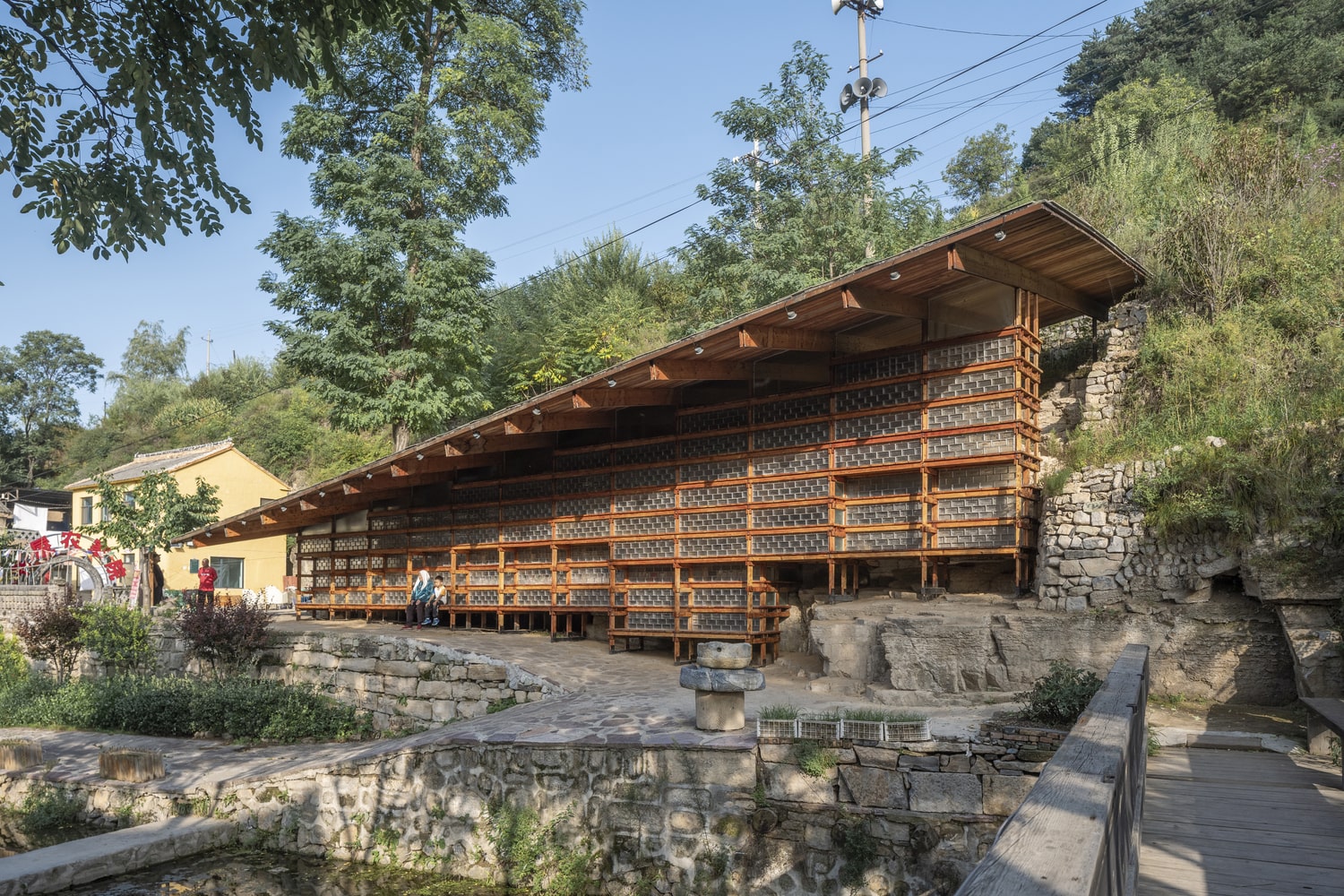
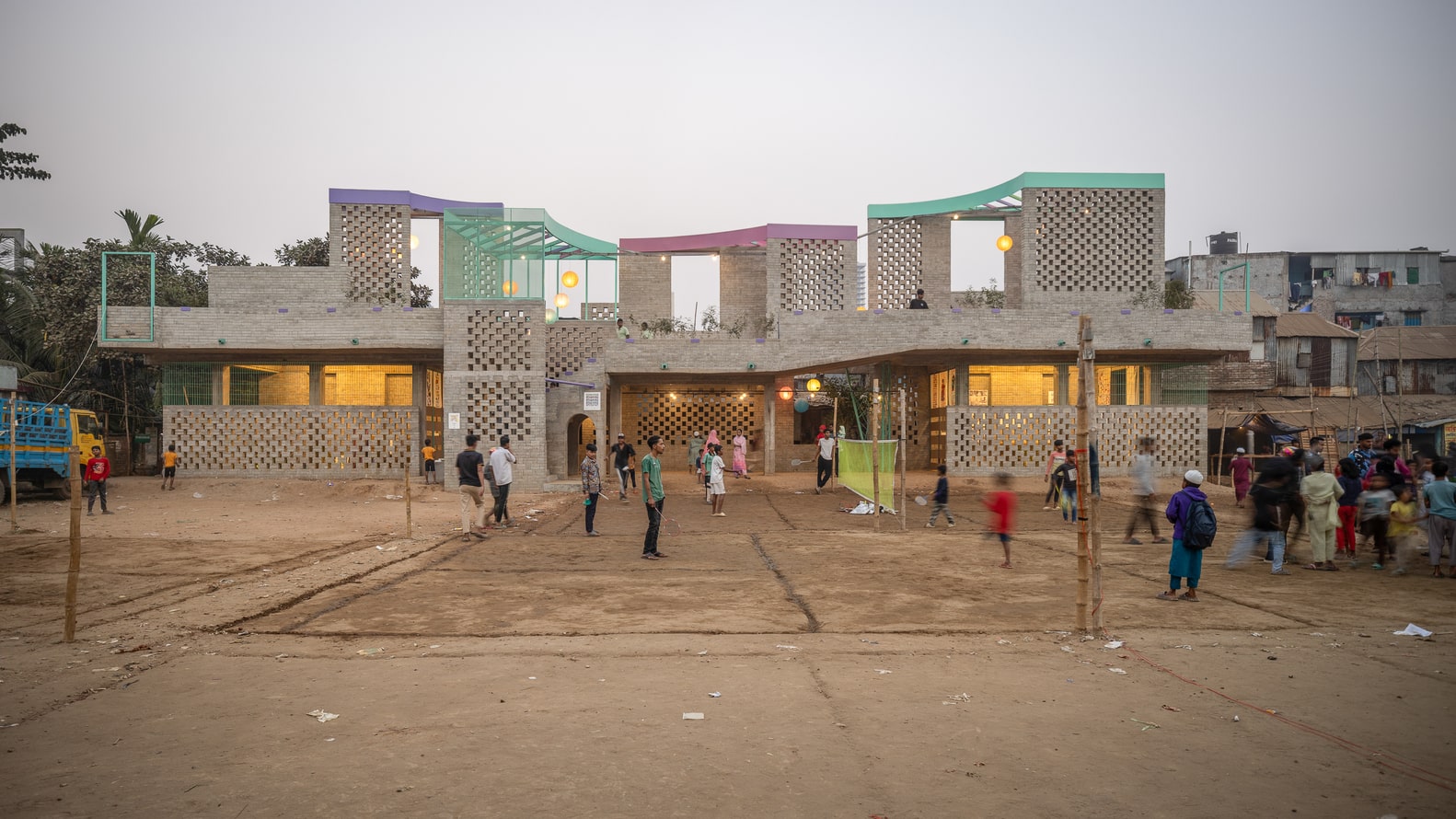
This year’s recipients come from Africa, Asia, Europe, North & Central America, South America, and Southeast Asia & Oceania, with projects that span both urban and rural settings and address urgent global challenges such as housing and community living, education and cultural spaces, ecological restoration, adaptive reuse of existing buildings, the preservation of traditional knowledge, and the revival of natural systems; each project responds to its specific environment and local needs while proposing new ways for architecture to strengthen communities, protect ecosystems, and improve everyday life.
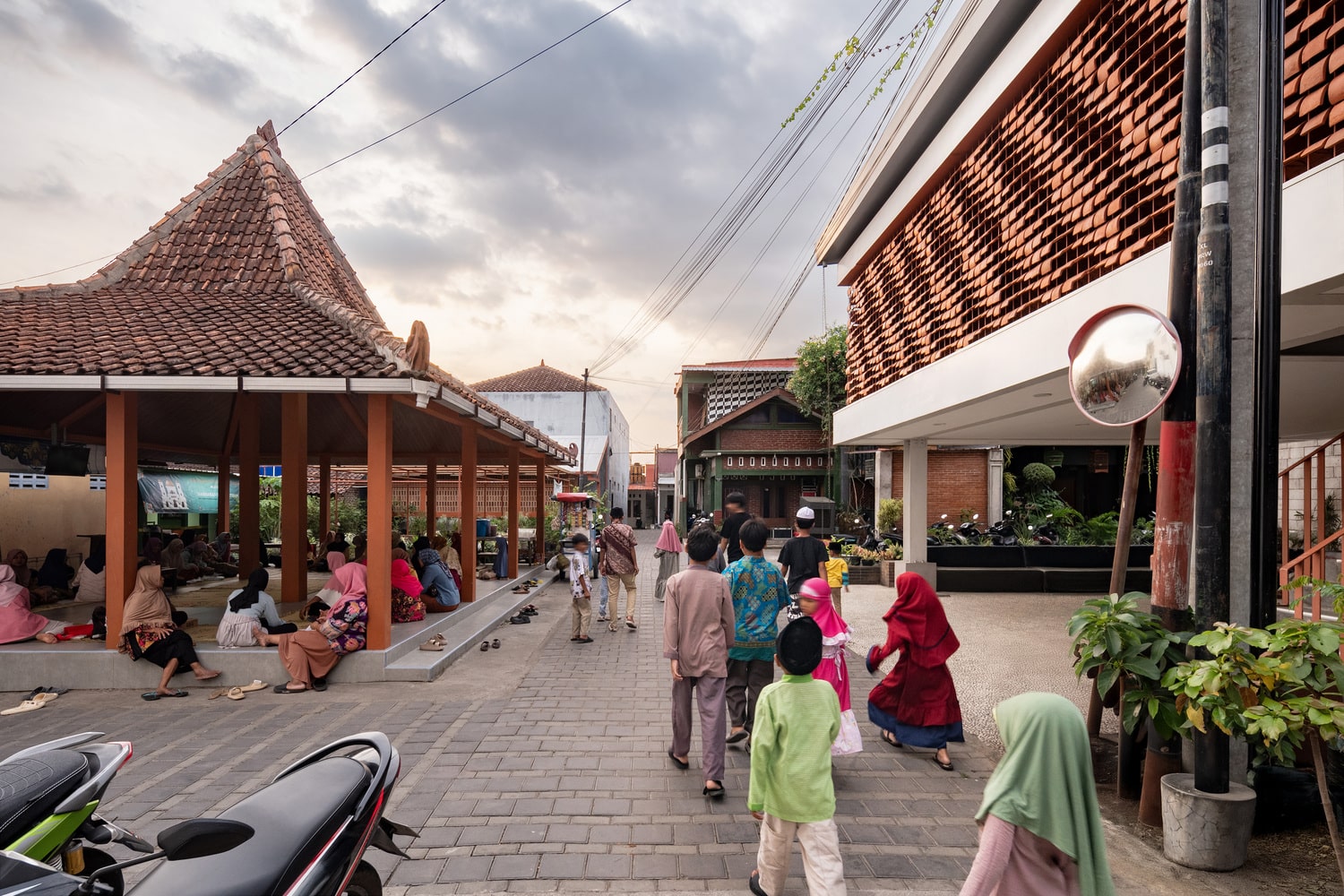
The Ammodo Architecture Awards 2025 show how architects and designers around the world are using creativity and responsibility to tackle today’s most pressing social and ecological challenges. By supporting projects that focus on community needs, environmental care, and innovative design solutions, the awards encourage a new direction for global architecture—one that values impact as much as aesthetics. As the field continues to evolve, this year’s selection demonstrates that meaningful architecture is not only about building structures, but also about building stronger communities, restoring natural systems, and shaping a more resilient and hopeful future.
What Sets the Ammodo Award Apart
Many architecture awards focus on a single landmark building or a star designer, but the Ammodo Architecture Award takes a different approach. By honoring a large group of recipients and providing grants rather than only trophies, it puts emphasis on supporting ongoing work instead of celebrating a finished object. The focus on social well-being and ecological care also broadens the definition of good architecture beyond aesthetics, recognizing projects that improve communities and respond responsibly to their environments. This model encourages a wider range of practices to be seen and valued.
Why Grants Matter More Than Trophies
The decision to attach funding to the award has practical consequences. Grants ranging from a modest sum to a substantial figure can help small studios and community-led groups continue research, expand a project, or simply keep their practice running. For young collectives without large clients, this kind of support can be the difference between an idea staying on paper and being built. Financial backing also signals trust in the recipients’ future work, which is often more meaningful to emerging designers than recognition alone.
The Rise of Socially Engaged Architecture
The themes celebrated by this award reflect a wider shift in the profession. Across the world, more architects are working directly with communities, using local materials, and designing for climate resilience rather than spectacle. Projects like community platforms and natural libraries show how thoughtful design can serve everyday needs while respecting ecological limits. This movement values participation, repair, and long-term care, and it challenges the idea that architectural success must be measured by scale or budget.
A Diverse and Global Jury
The strength of any award depends on the judgment behind it, and the Ammodo advisory committee drew on a wide range of expertise. Educators from leading schools, a former government architect, and a leader from the documentary photography world brought different perspectives to the selection. Gathering nominations through regional ambassadors helped ensure that projects from many countries and contexts were considered, not only those from well-known centers. This breadth makes the final list more representative of architecture as it is practiced around the world.
Takeaways for Designers and Students
For architects and students following these awards, the lessons are clear. Work that addresses real social and environmental needs is gaining recognition and support at an international level. Building relationships with communities, documenting your process well, and framing projects around measurable benefits can strengthen both your practice and your applications to programs like this one. The Ammodo Award shows that meaningful, locally grounded design has a place on the global stage, and that there are growing platforms ready to back it.
- adaptive reuse architecture trends
- Ammodo Architecture Awards 2025
- architecture community development
- architecture grants 2025
- ecological architecture design
- ecological restoration in architecture
- emerging architecture practices 2025
- global architecture awards 2025
- socially responsible architecture
- sustainable architecture awards





Es Devlin: Other Worlds Opens at London’s Design Museum with a 2,000-Book Kinetic Library
Es Devlin: Other Worlds, the multidisciplinary artist and designer's first European retrospective,...
 illustrarch Editoral Team1 Mins read
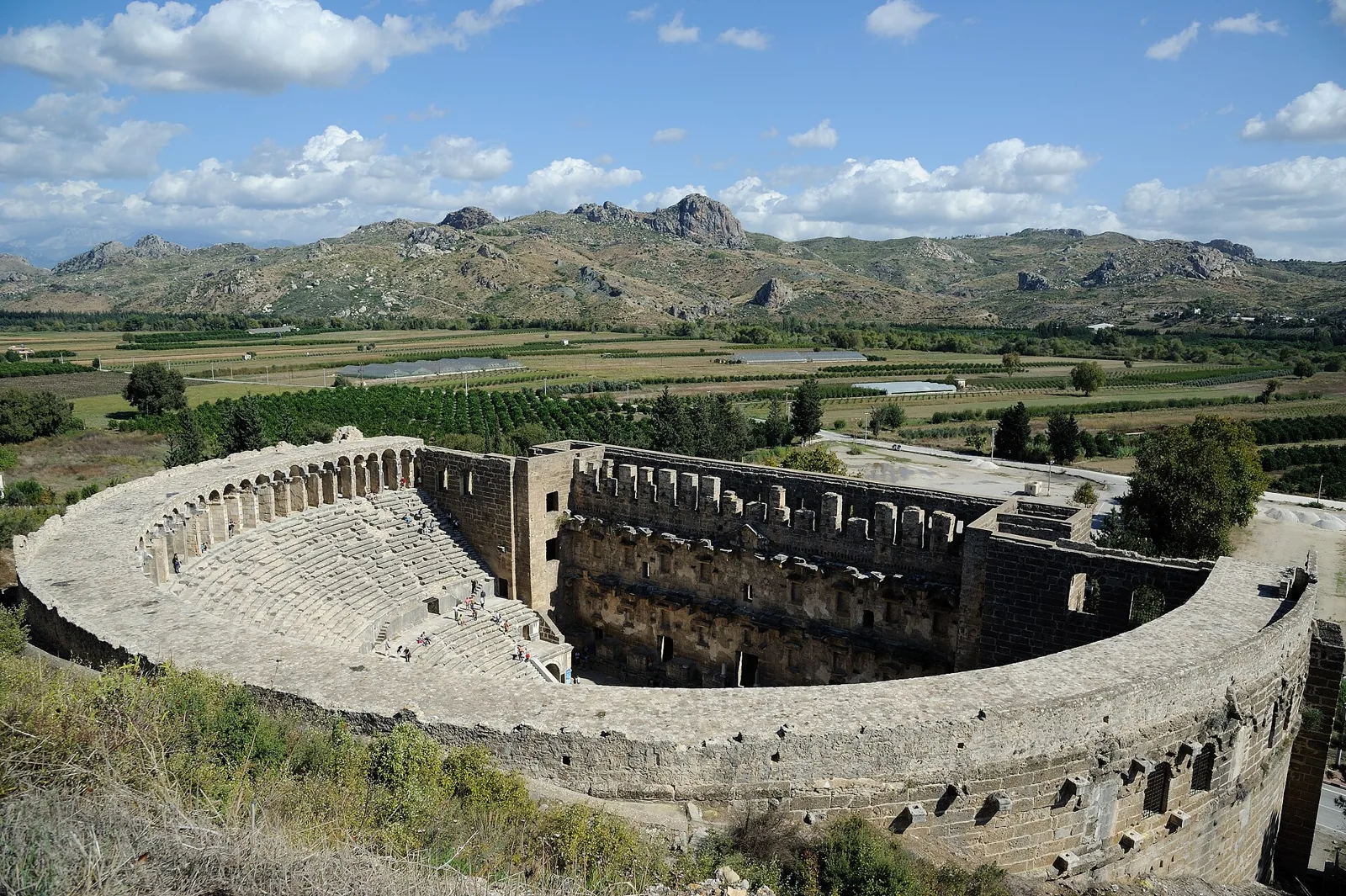
Aspendos Excavation Uncovers 6,000-Year-Old Settlement Traces Near Antalya
Digs beneath Aspendos shop floors turned up Chalcolithic pottery and tools, pushing...
illustrarch Editoral Team2 Mins read
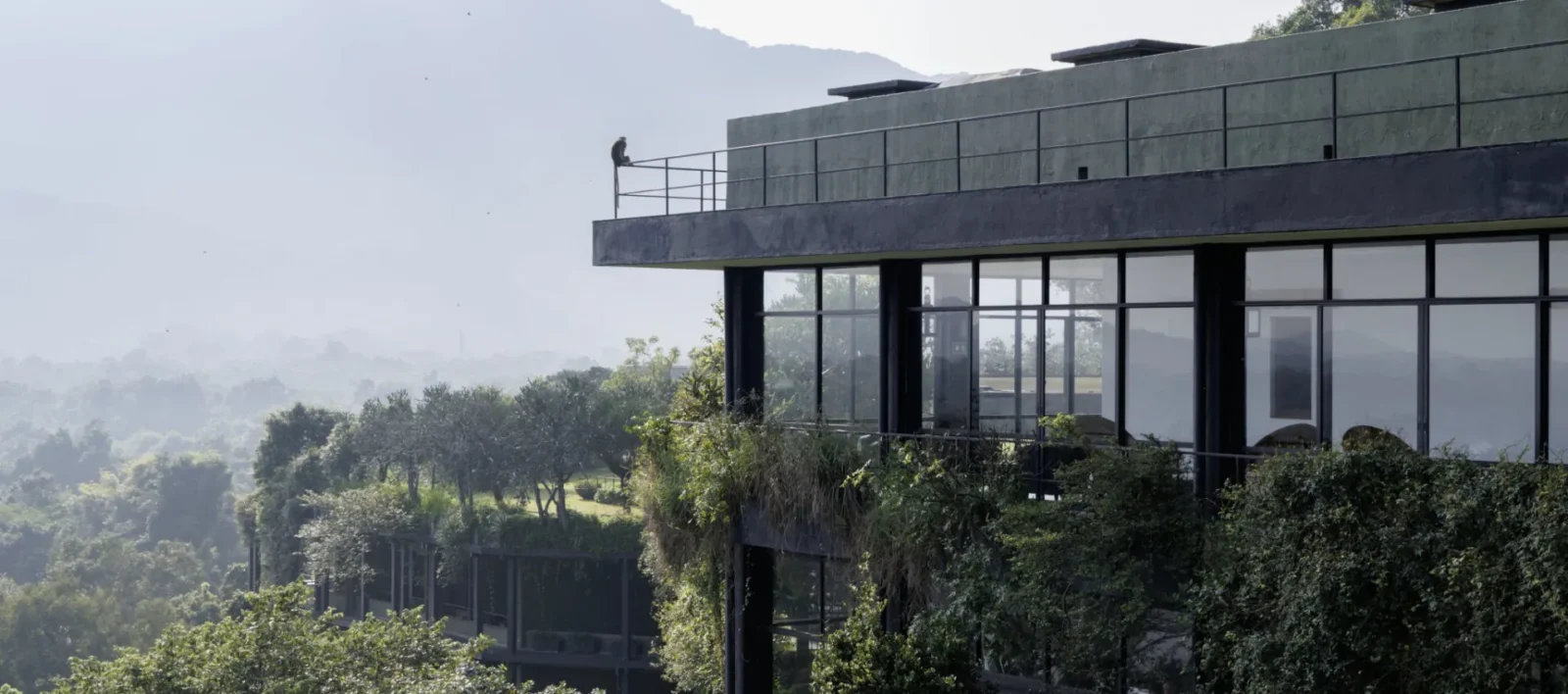
Vitra Museum Stages First Major Geoffrey Bawa Retrospective in Decades
Vitra Design Museum opens the first major Geoffrey Bawa retrospective in 20...
illustrarch Editoral Team2 Mins read
Neom Stadium, the Elevated 2034 World Cup Venue, Reportedly Shelved by Saudi Arabia
Two sources told Reuters that Saudi Arabia has put the 46,000 seat...
illustrarch Editoral Team2 Mins read


Leave a comment