

Guggenheim Abu Dhabi: Frank Gehry’s Final Cultural Landmark
Construction has started on Dar al Funoon Abu Dhabi, the performing arts institution Frank Gehry designed before his death in December 2025. Here is what the four venues, the billowing roof and the 2030 opening date mean for Saadiyat Island.
 Elif Ayse Sen13 July 20267 Mins read242
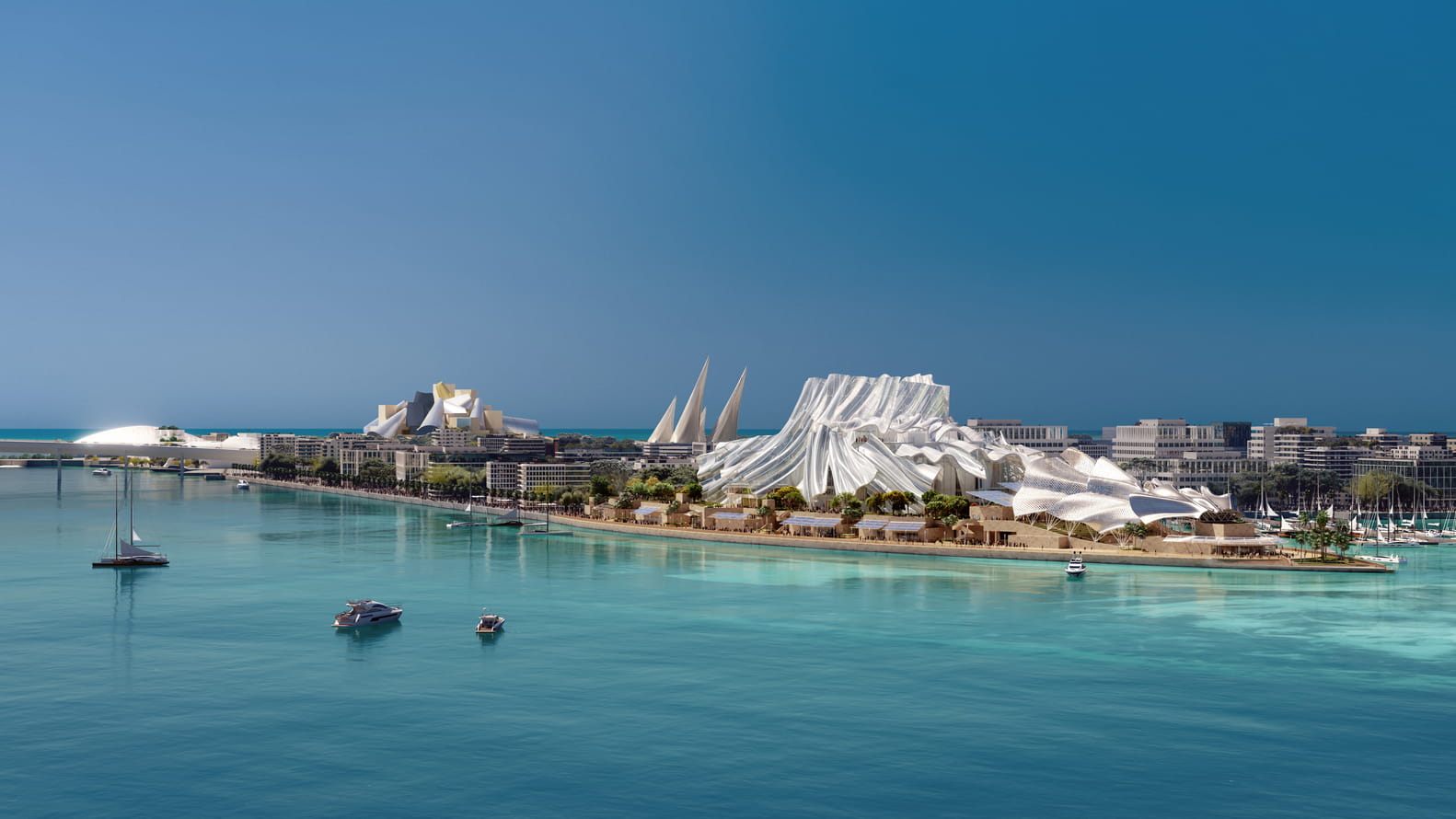
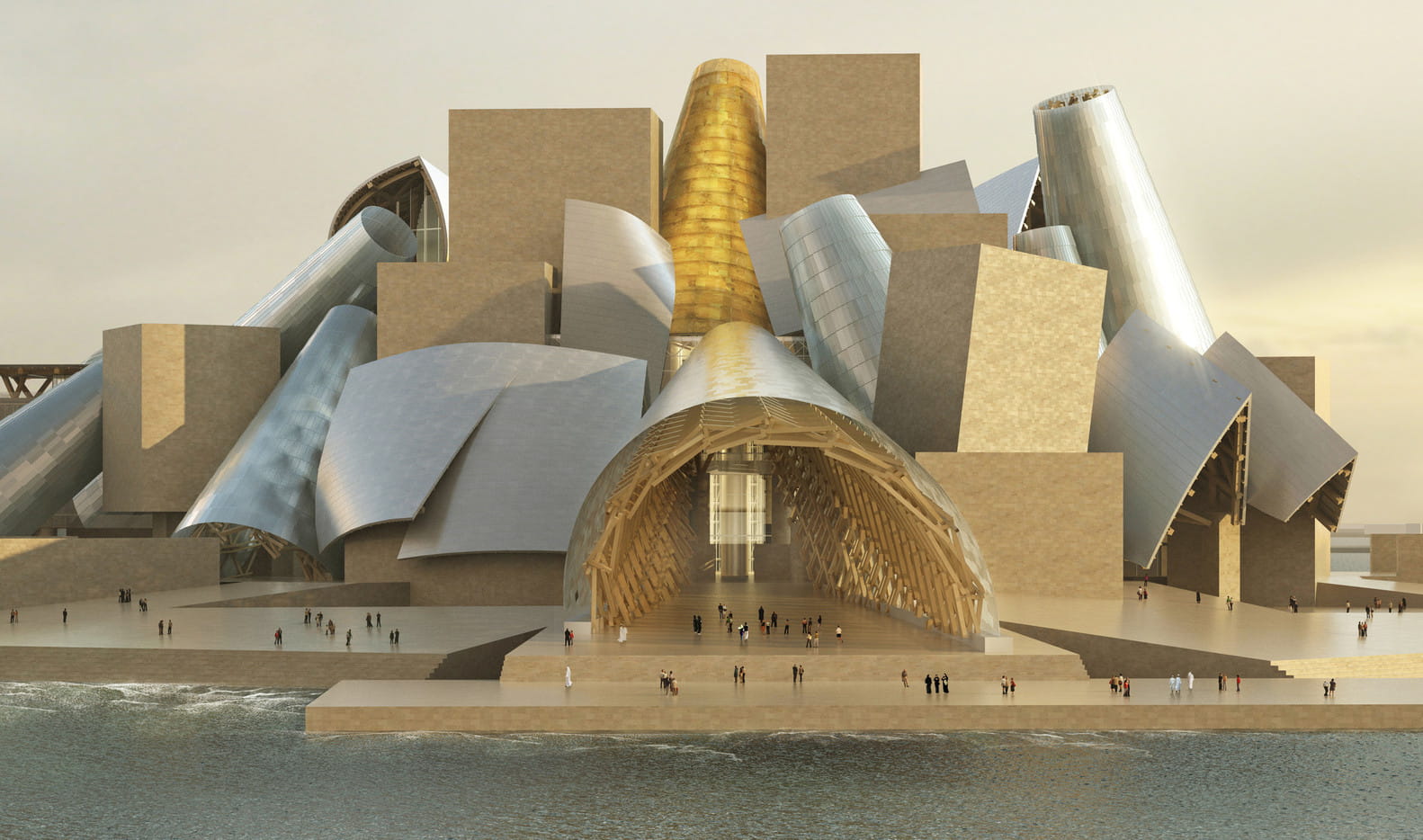
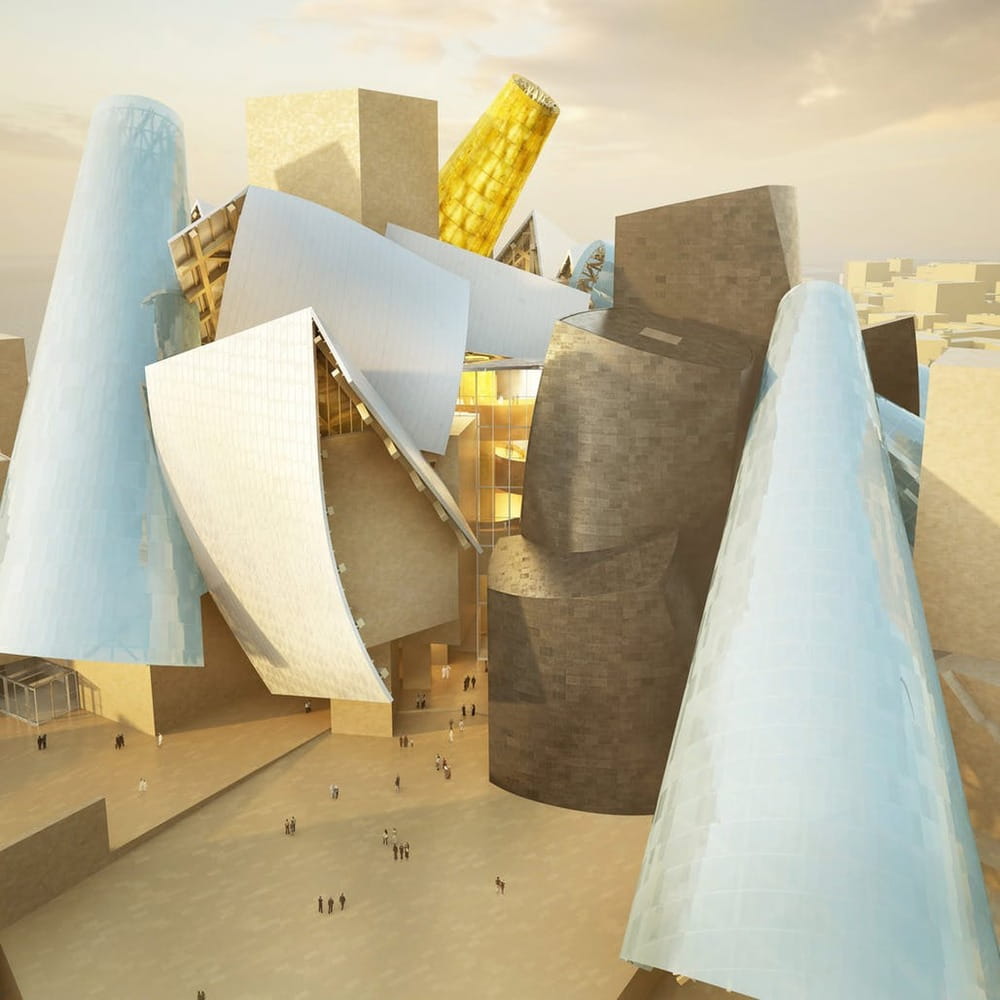
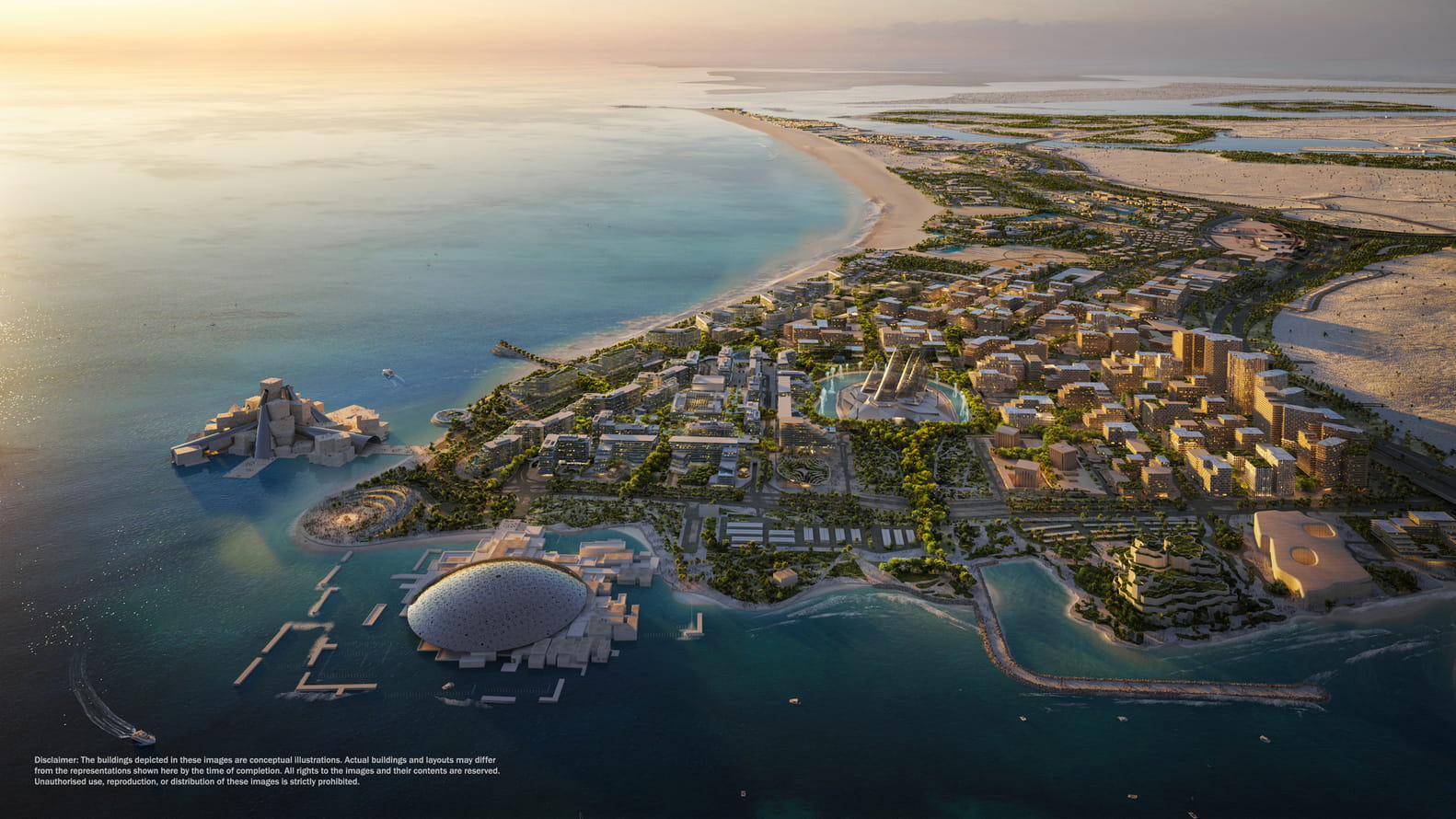
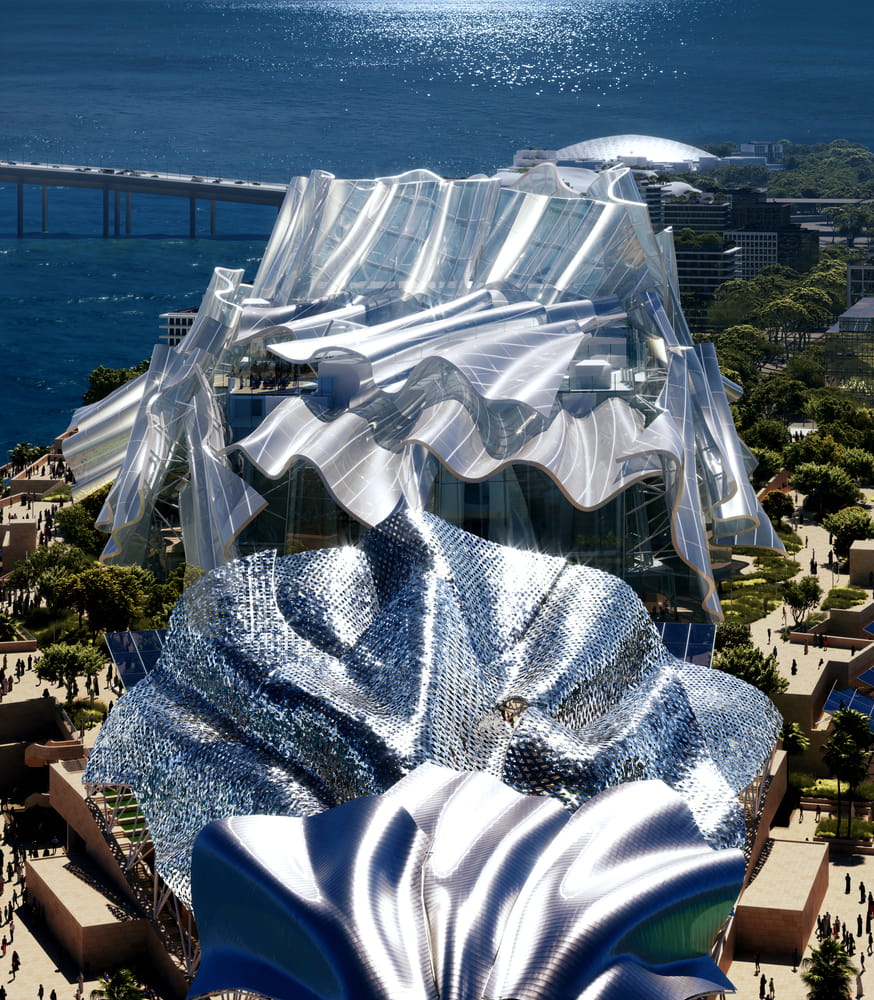
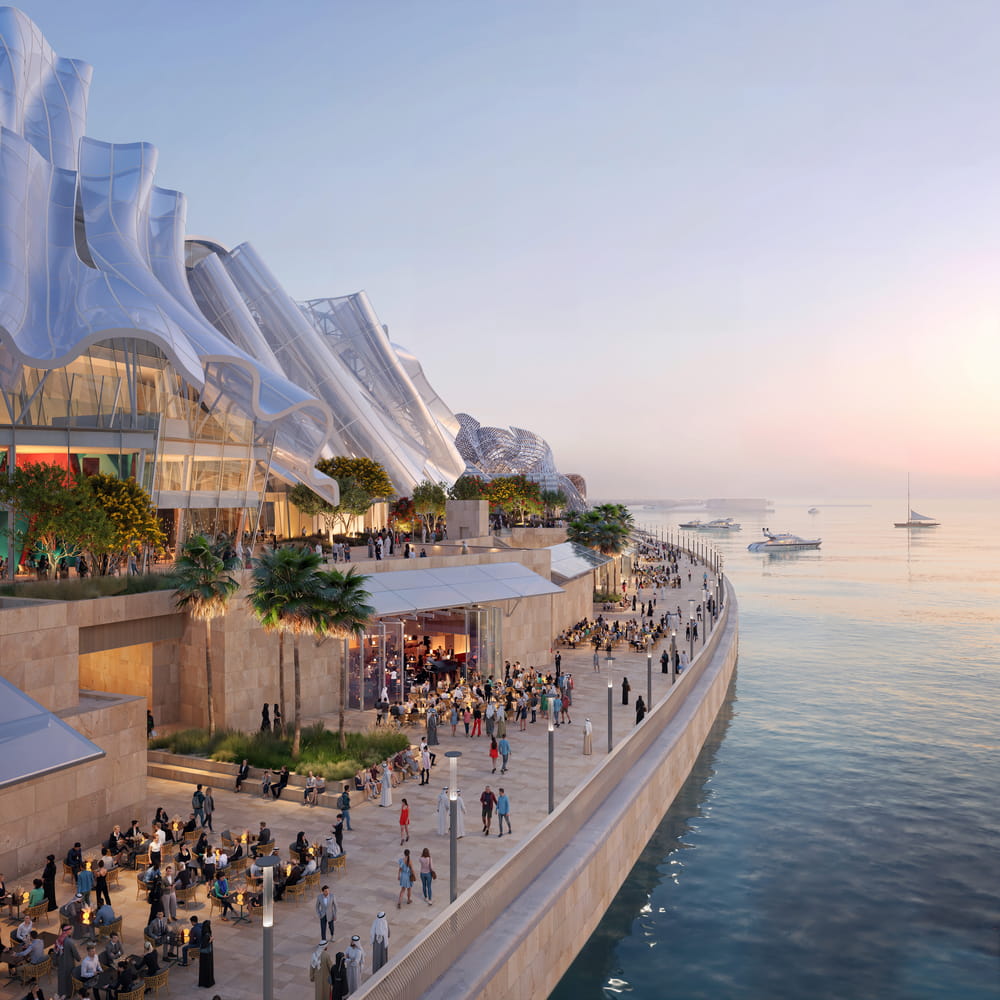
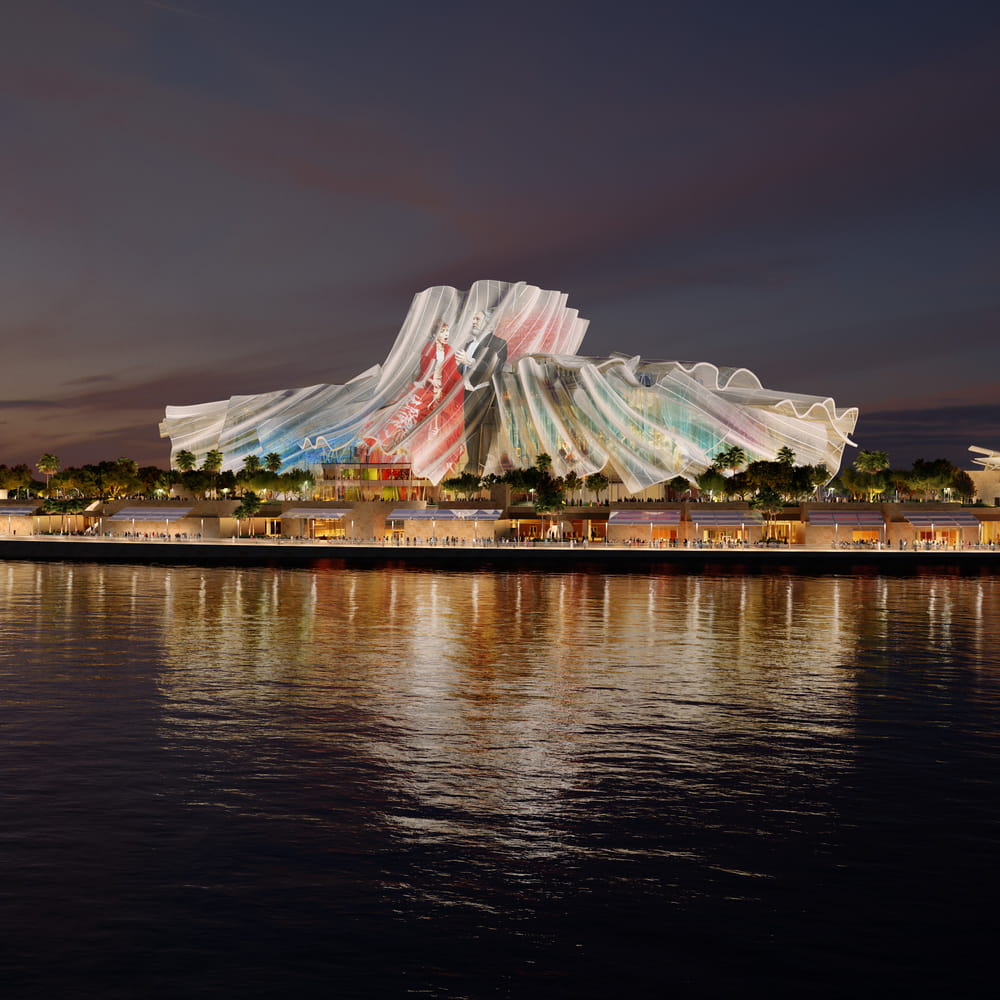
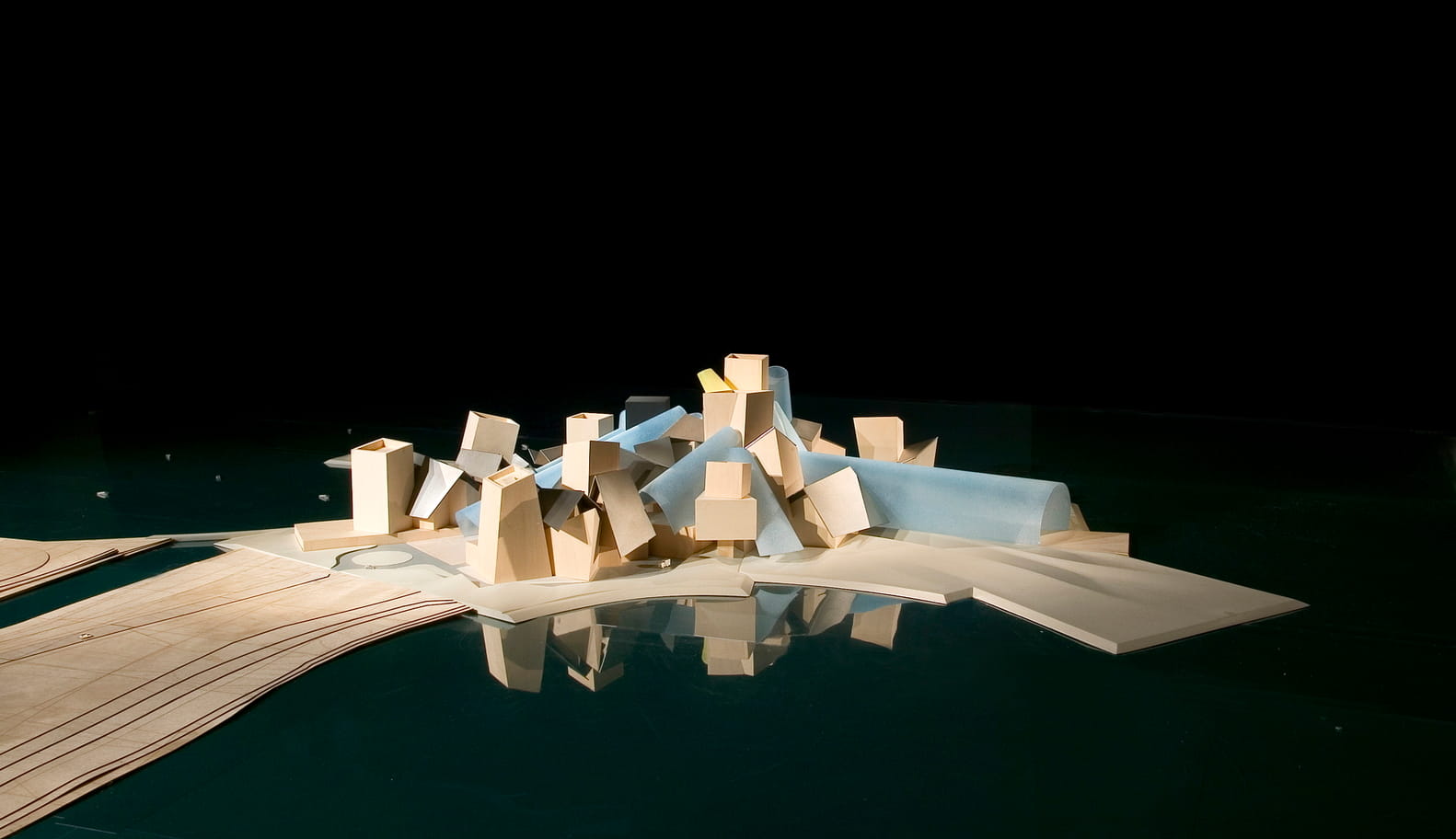
Table of Contents Show
Dar al Funoon Abu Dhabi is a performing arts institution designed by the late Frank Gehry, now under construction on Saadiyat Island and due to open in 2030. Commissioned by the Department of Culture and Tourism, it gives the Abu Dhabi Frank Gehry story a second landmark alongside the long delayed Guggenheim Abu Dhabi.
On 25 June 2026, the Department of Culture and Tourism (DCT Abu Dhabi) confirmed that works had begun on the site, with Sheikh Khaled bin Mohamed bin Zayed Al Nahyan, Crown Prince of Abu Dhabi, attending the launch. The timing gives the project a different weight. Gehry died on 5 December 2025 at his home in Santa Monica at the age of 96, so this is one of the last designs to leave his studio and reach a construction site.
For architects, the interesting part is the brief rather than the name attached to it. One complex has to hold opera, ballet, touring musicals, experimental theatre and jazz, then add an outdoor amphitheatre large enough for a festival crowd. That is an awkward programme to resolve in a single building, and the way Gehry Partners has arranged the pieces tells you a great deal about how the office thinks about performance space.
What Is Dar al Funoon Abu Dhabi?
Dar al Funoon Abu Dhabi, which translates as House of the Arts, is a performing arts complex commissioned by DCT Abu Dhabi and designed by Gehry Partners. It rises on Saadiyat Island next to the Saadiyat Cultural District, and it is planned as a year round institution offering 365 days and nights of events, performances and activities.
The ambition goes past ticketed shows. According to the DCT Abu Dhabi announcement issued on 25 June 2026, the institution is planned as a base for long term artistic residencies, touring partnerships and co-productions with international performing arts companies, supported by workshops and education programmes aimed at regional talent.
The essentials of the project, as published by the client:
- Architect: Gehry Partners (Frank Gehry)
- Client: Department of Culture and Tourism, Abu Dhabi
- Location: Saadiyat Island, beside the Saadiyat Cultural District
- Works commenced: announced 25 June 2026
- Expected opening: 2030
- Capacity: more than 6,000 seats across four performance spaces
Inside Gehry’s Design for the House of the Arts
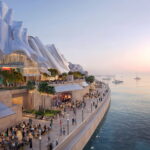
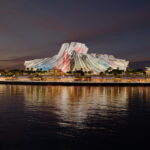
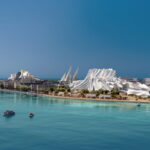
The first renders released by DCT Abu Dhabi, published by ArchDaily and Dezeen, show a group of pale, billowing volumes that gather over the centre of the site like fabric caught in movement. The client presents the building as music and performance translated into built form. The geometry follows the logic Gehry used in Bilbao and in Los Angeles: a loose sculptural skin wrapped around rooms whose proportions are dictated by acoustics, sightlines and stage machinery.
What changes here is the ground floor. Rather than a closed plinth, a transparent facade opens the base of the building to its surroundings, so that rehearsal, workshop and lobby activity remains visible from outside. In a district otherwise defined by ticketed museums, that is a deliberate attempt to make the arts feel like street level activity rather than a paid destination.
Readers tracing the sculptural language Gehry built over seven decades will recognise every move in the massing. The same readers will know how uneasily the deconstructivist label sat on him. The forms look improvised, and they never were.
📐 Technical Note
Curved surfaces of this kind are not drawn, they are described mathematically. Gehry Partners states on its own website that the office works with Digital Project, a 3D modelling program originally created for the aerospace industry, to document designs and to rationalise bidding, fabrication and construction. Every panel of a billowing roof becomes a set of coordinates and a fabrication instruction, which is how a shape that reads as loose fabric can be tendered and built to millimetre tolerances.
Four Venues and More Than 6,000 Seats
Dar al Funoon splits its capacity across four rooms instead of concentrating it in one signature auditorium. That choice keeps the institution busy on ordinary weeknights, when a 250 seat jazz room can be full while a 2,000 seat hall would sit half empty. It also lets the building serve very different audiences at the same hour.
Dar al Funoon Abu Dhabi Venue Breakdown
The capacities below come from the DCT Abu Dhabi announcement:
| Venue | Capacity | Primary Use |
|---|---|---|
| Multipurpose performance hall | More than 2,000 seats | Opera, ballet, orchestral concerts, musicals, awards events |
| Open-air amphitheatre | 3,500 seats | Festivals and large scale outdoor events |
| Studio theatre | 400 seats | Experimental work and community productions |
| Jazz venue | 250 seats | Intimate, genre focused performances |
| Combined total | More than 6,000 seats | Across all spaces, plus dining, retail and a rooftop terrace |
The multipurpose hall carries the heaviest technical load. It is designed with an orchestra pit for up to 120 musicians, which is large enough for late Romantic opera and full symphonic repertoire, and it has to convert between an opera house, a ballet stage and a musical theatre in a matter of days. Rooms that flexible depend on variable architectural acoustics, meaning movable reflectors, adjustable absorbent surfaces and a reverberation time that can be tuned rather than fixed.
Gehry has done this before, and the results were unusually good. His Walt Disney Concert Hall is still treated as a reference room by musicians who otherwise dislike sculptural architecture.
🏗️ Real-World Example
Walt Disney Concert Hall (Los Angeles, 2003): Gehry’s stainless steel exterior wraps an auditorium lined in Douglas fir and designed with acoustician Yasuhisa Toyota of Nagata Acoustics. The vineyard seating plan wraps the audience around the players on all sides, and the room is tuned to a reverberation time close to 2.0 seconds. Dar al Funoon sets a harder problem, because a single multipurpose hall has to satisfy opera, orchestra and amplified musical theatre in one volume rather than optimising for symphonic sound alone.
Why Did Abu Dhabi Turn to Frank Gehry Twice?
Gehry won the commission through a design competition that included several other architects, according to DCT chairman Mohamed Khalifa Al Mubarak. The emirate already knew how the office worked, because it had spent close to two decades on his museum for Saadiyat Island.
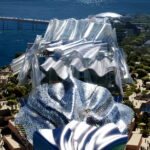
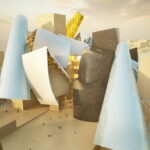
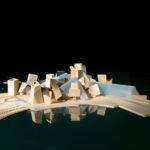
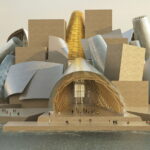
The Abu Dhabi Frank Gehry portfolio now runs to two buildings. The first is Guggenheim Abu Dhabi, announced in 2006 and still under construction, planned as the largest museum in the Solomon R. Guggenheim Foundation network at roughly 30,000 square metres, with asymmetric cone shaped volumes that draw on the traditional wind towers of the Gulf. Anwar Gargash, diplomatic adviser to the UAE president, said in February 2026 that the museum was nearing completion, with an opening anticipated during 2026. Two decades of delays make that a cautious statement, but the structure is finished and the interior fit out is under way.
The pairing is not a repetition. The Frank Gehry Guggenheim Abu Dhabi museum is a container for objects, organised around galleries, light control and conservation. Dar al Funoon is a container for sound and bodies, organised around sightlines, reverberation and the movement of large audiences. The vocabulary is shared, the engineering underneath is not, and comparing the two is a useful exercise for any student working on a cultural building. Our guide to ten Gehry buildings worth seeing in person covers the earlier steps in that argument.
🎓 Expert Insight
“he left us with some mesmerising masterpieces here in Abu Dhabi” — Mohamed Khalifa Al Mubarak, Chairman, Department of Culture and Tourism Abu Dhabi
Speaking to The National after the launch, Al Mubarak described the emirate’s two Gehry projects as a pair rather than as separate commissions, and said the Abu Dhabi work gave the architect fresh energy late in his career. That relationship explains why the client returned to the same office for a building type it had never asked him to solve here.
Where Dar al Funoon Sits on Saadiyat Island
Saadiyat has been assembling a cultural district for twenty years, and the map is finally filling in. Jean Nouvel’s Louvre Abu Dhabi opened in 2017 under its perforated dome. The Zayed National Museum by Foster + Partners opened in December 2025 with its falcon wing towers, and the Natural History Museum Abu Dhabi by Mecanoo followed the same season. teamLab Phenomena and the Abrahamic Family House by Adjaye Associates sit nearby, and Guggenheim Abu Dhabi is next in line.
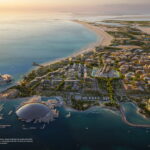
Dar al Funoon is being built in the Marina District of Saadiyat Island, close to the cultural district rather than inside it. That position matters. A performing arts venue empties 2,000 people onto a street at 22:30 and needs parking, restaurants and transport in a way a museum does not, so placing it slightly apart from the museum cluster is a planning decision rather than an accident of land availability. Museums load slowly through the day and empty gradually. Theatres load and unload in fifteen minute peaks, twice a night, and the surrounding public realm either absorbs that or fails visibly.
The programme also has local foundations that predate the building. Abu Dhabi has been a UNESCO Creative City of Music since November 2021, and the emirate already runs the Abu Dhabi Festival, the Bait Al Oud music academy and the Berklee Abu Dhabi performing arts campus. Dar al Funoon gives that ecosystem a permanent stage rather than inventing an audience from nothing, which is the usual weakness of a landmark arts venue dropped into a city with no music infrastructure.
The Bigger Picture
Bilbao made the world believe that one building could rewrite a city’s economy, and every mayor since has been shopping for the same trick. Abu Dhabi is doing something quieter and harder. It is buying a stage for work that has to be programmed, funded and filled 365 nights a year, in a building whose architect will never see it finished. The Bilbao effect was about arrival. Dar al Funoon will be judged on what happens after everyone has stopped photographing the roof.
Frequently Asked Questions
Who designed Dar al Funoon Abu Dhabi?
Dar al Funoon Abu Dhabi was designed by Frank Gehry and his practice, Gehry Partners, and commissioned by the Department of Culture and Tourism, Abu Dhabi. Gehry died on 5 December 2025 at the age of 96, which makes the project one of his final works. His office continues to operate from Los Angeles and is carrying the design through construction.
When will Dar al Funoon Abu Dhabi open?
The venue is expected to open in 2030. DCT Abu Dhabi announced the start of works on 25 June 2026, which gives the project a construction programme of roughly four years for a complex containing four separate performance spaces.
How many seats will Dar al Funoon Abu Dhabi have?
More than 6,000 seats in total. The complex includes a multipurpose hall of more than 2,000 seats, a 3,500 seat open-air amphitheatre, a 400 seat studio theatre and a 250 seat jazz venue. The main hall also has an orchestra pit sized for up to 120 musicians.
Is the Guggenheim Abu Dhabi also a Frank Gehry building?
Yes. The Abu Dhabi Frank Gehry projects now include both Dar al Funoon and Guggenheim Abu Dhabi, the museum announced in 2006 and still under construction on Saadiyat Island. It is set to be the largest museum in the Guggenheim network, and officials have said it is nearing completion with an opening expected in 2026.
What does Dar al Funoon mean?
Dar al Funoon translates from Arabic as House of the Arts. The name signals the building’s purpose as a permanent home for opera, ballet, theatre, jazz and other live performance, rather than a venue rented out to whichever tour happens to be passing through the region.
- abu dhabi frank gehry
- frank gehry abu dhabi
- frank gehry abu dhabi guggenheim
- frank gehry abu dhabi guggenheim museum
- frank gehry abu dhabi museum
- frank gehry architecture abu dhabi
- frank gehry guggenheim abu dhabi
- frank gehry guggenheim museum abu dhabi
- frank o gehry guggenheim abu dhabi
- guggenheim abu dhabi architect frank gehry
- guggenheim abu dhabi frank gehry
- guggenheim museum abu dhabi frank gehry


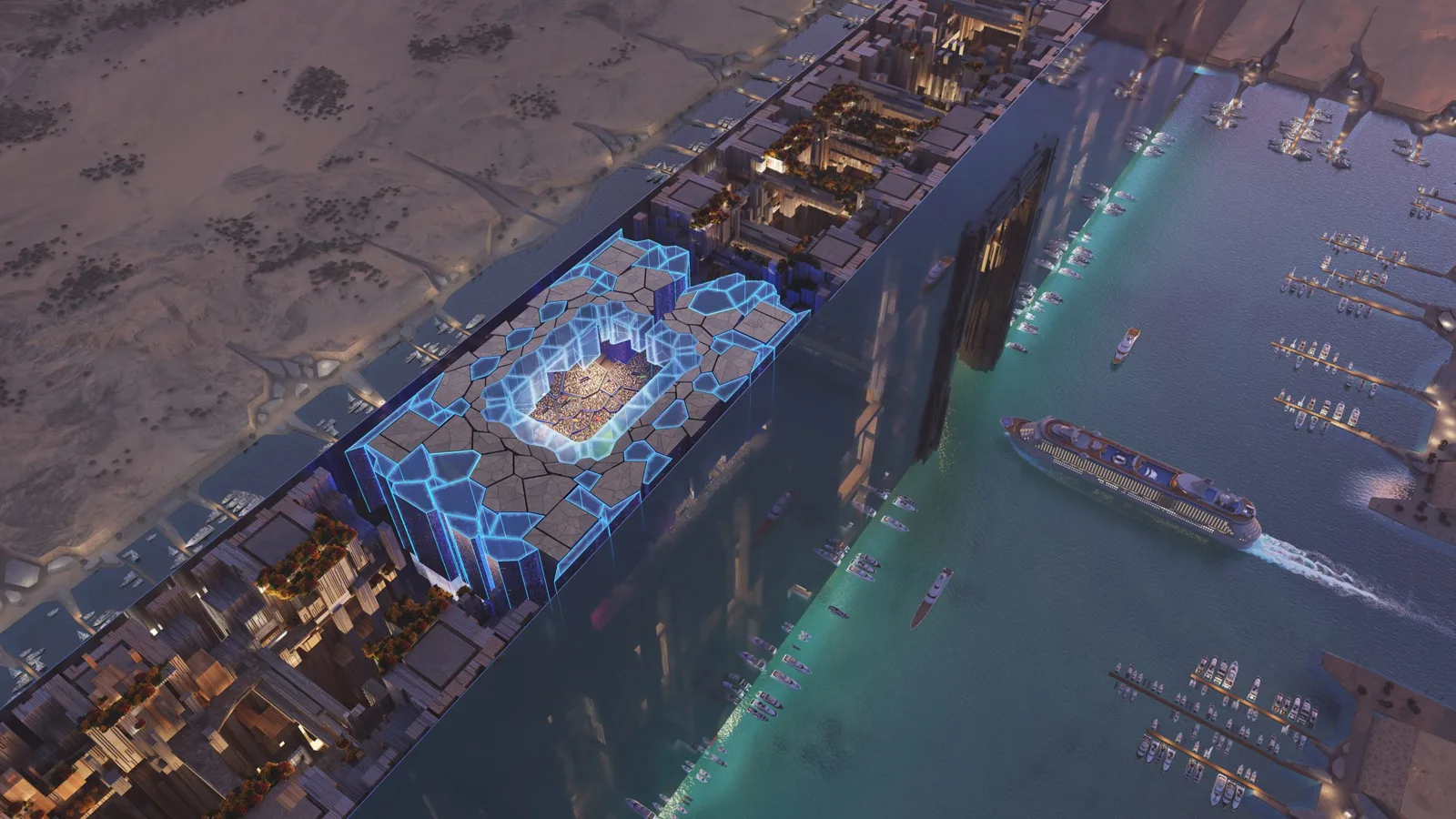
Neom Stadium, the Elevated 2034 World Cup Venue, Reportedly Shelved by Saudi Arabia
Two sources told Reuters that Saudi Arabia has put the 46,000 seat...
 illustrarch Editoral Team2 Mins read
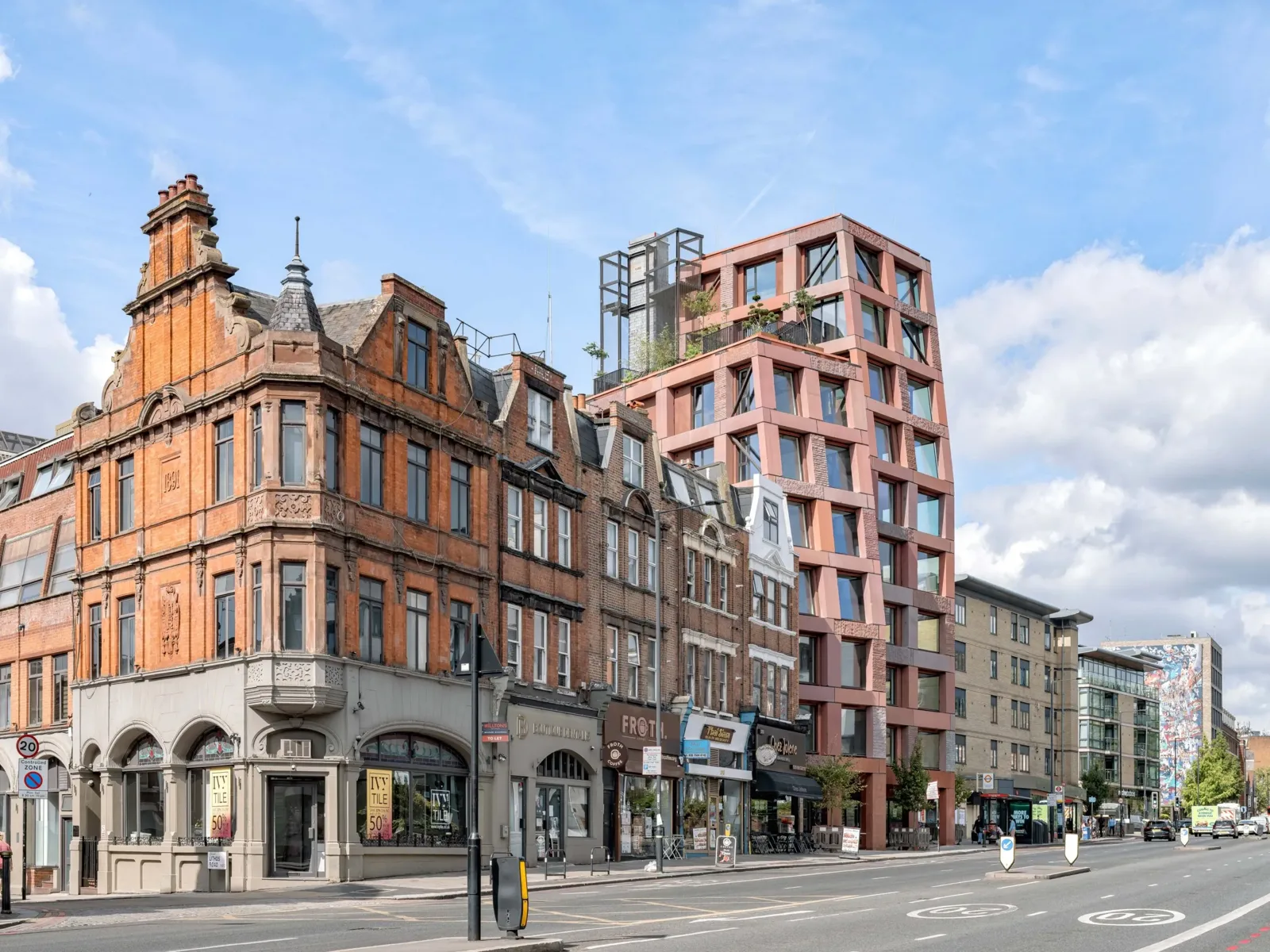
Groupwork Completes 10-Storey Loadbearing Granite Flats in London
Groupwork's Petra Heights on Finchley Road is a 10-storey block of 22...
illustrarch Editoral Team2 Mins read
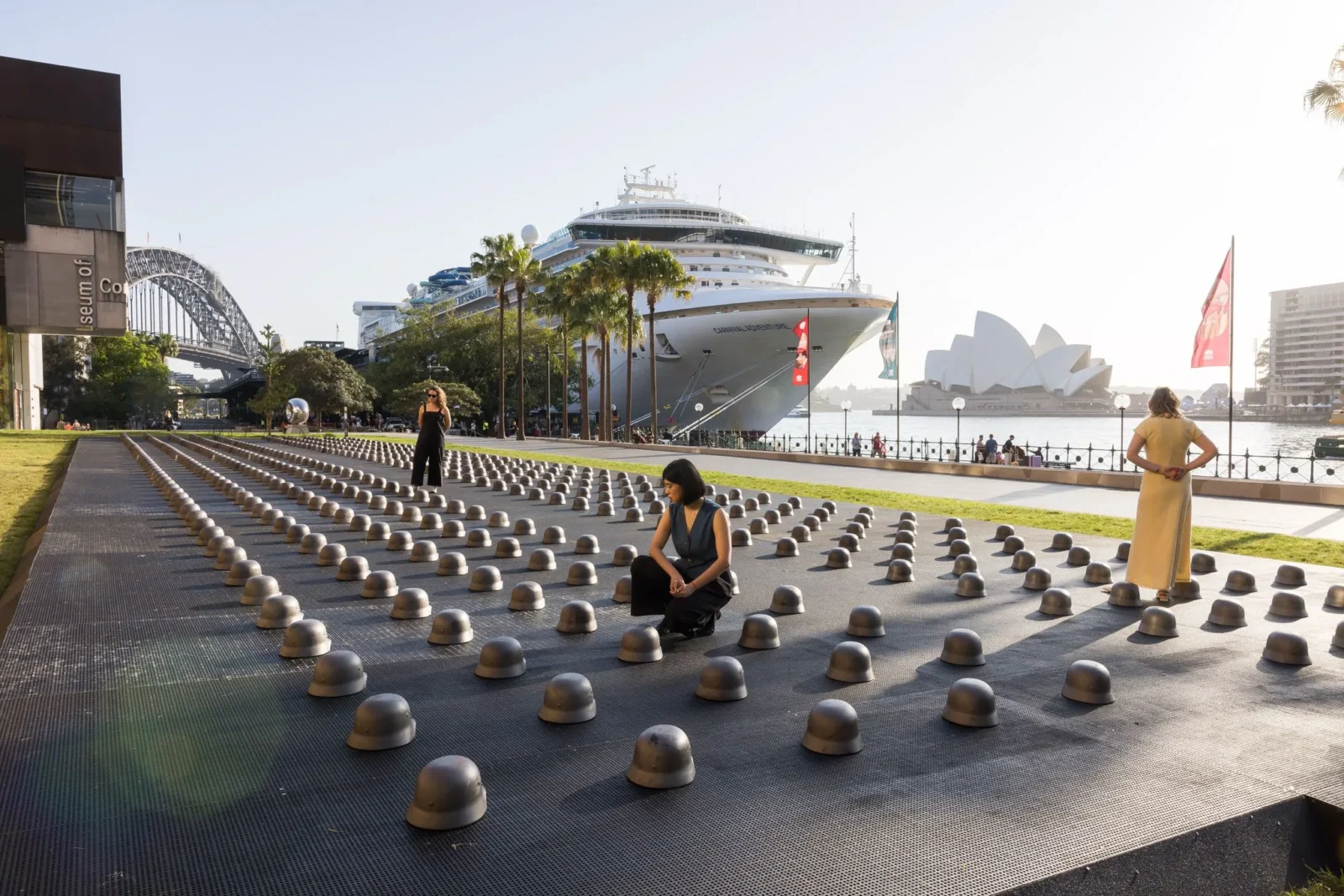
Ai Weiwei Installs 500 Cast-Iron Helmets Outside Sydney Museum
Ai Weiwei's 500 cast-iron helmets opened outside Sydney's MCA on 25 September,...
illustrarch Editoral Team2 Mins read
Isamu Noguchi at Lever House Traces Sculptor’s Decades-Long Collaboration with Bunshaft
Lever House's new exhibition pairs Noguchi sculptures with unbuilt garden designs made...
illustrarch Editoral Team2 Mins read


Leave a comment