

Monterrey Stadium: The Best View at the 2026 World Cup
Estadio BBVA, the Steel Giant of Monterrey, frames the Cerro de la Silla mountain behind its north stand. A look at the Populous design, the steep 34-degree bowl, and the four matches it hosted as Estadio Monterrey at the 2026 World Cup.
 Elif Ayse Sen3 July 20267 Mins read214
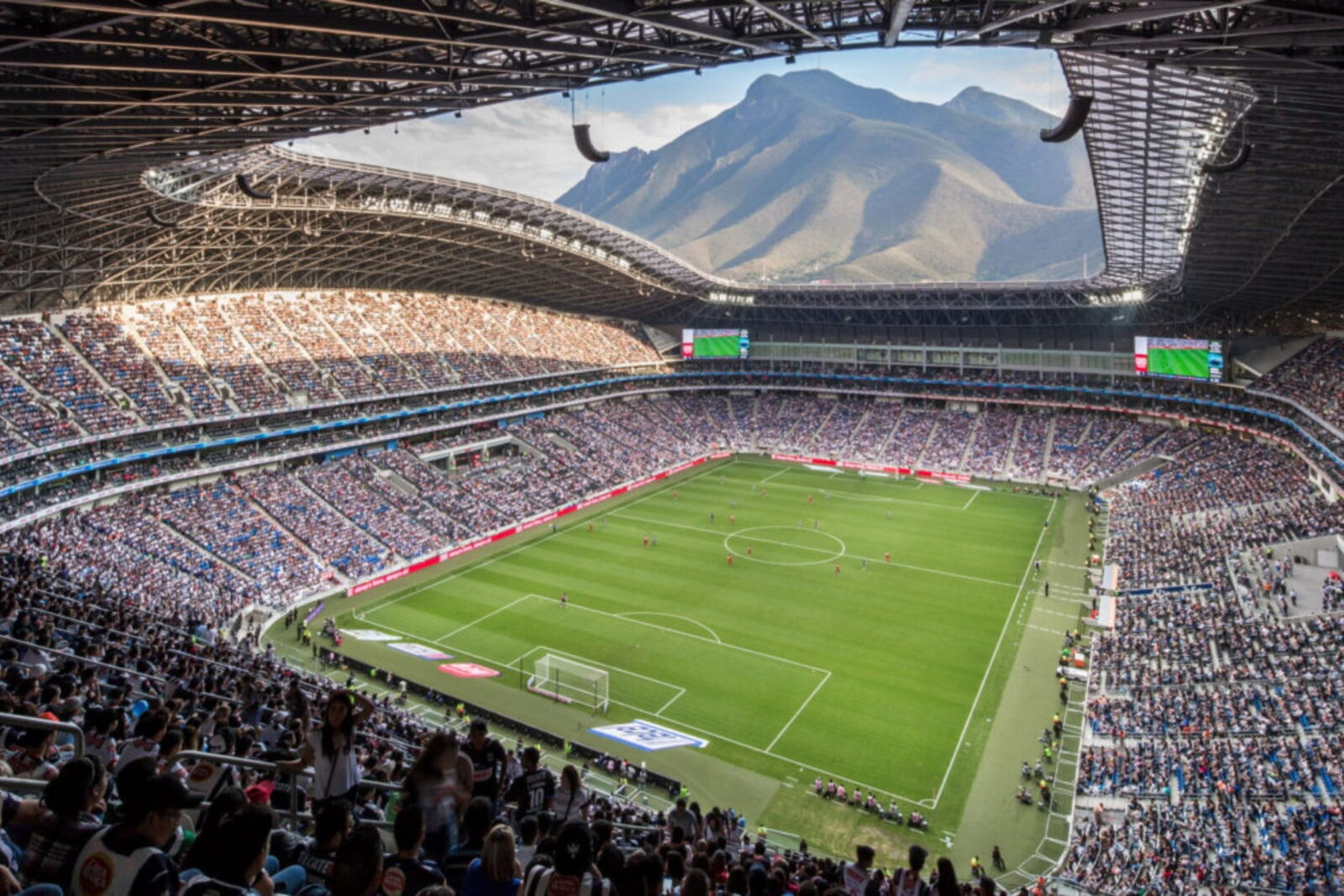
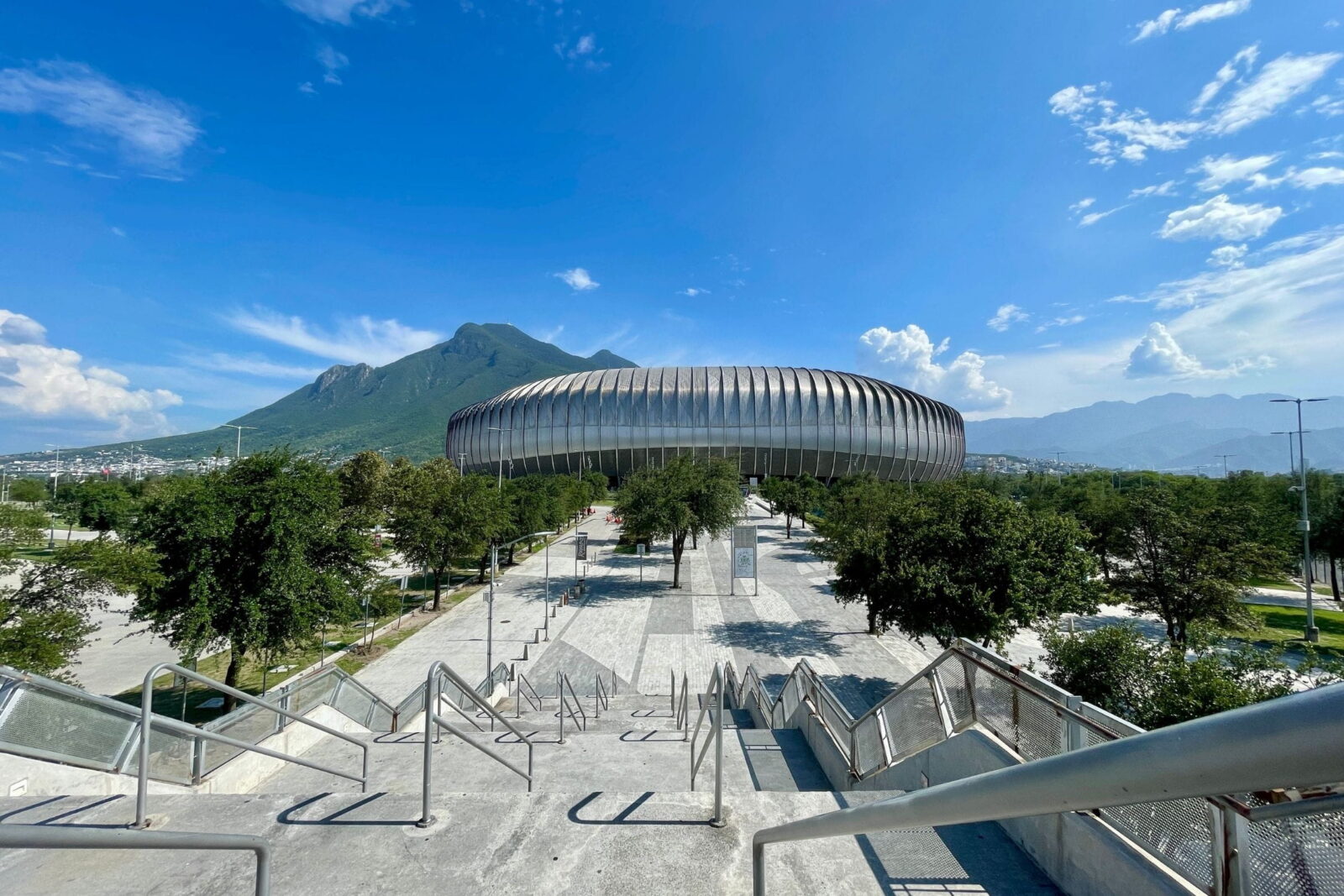
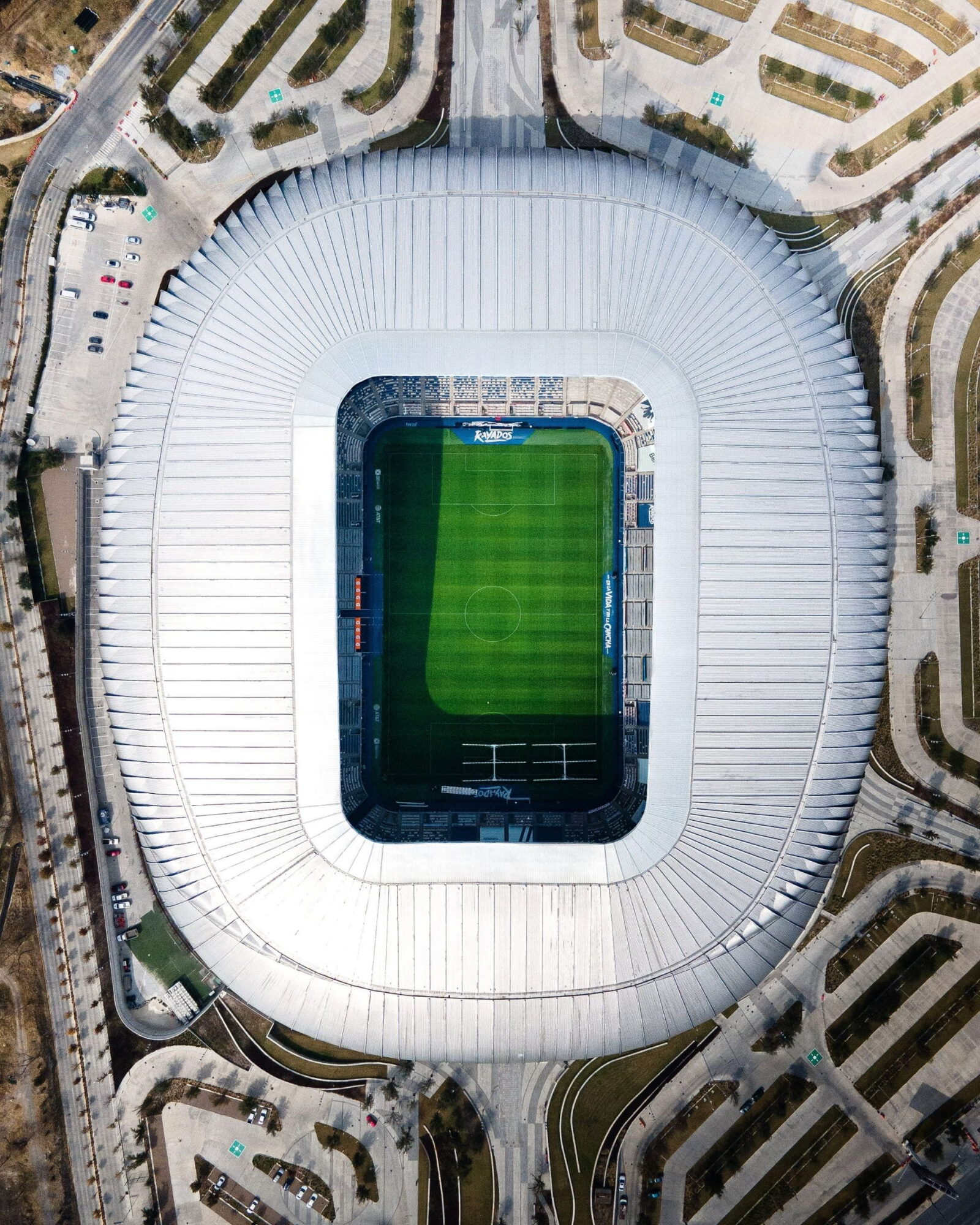
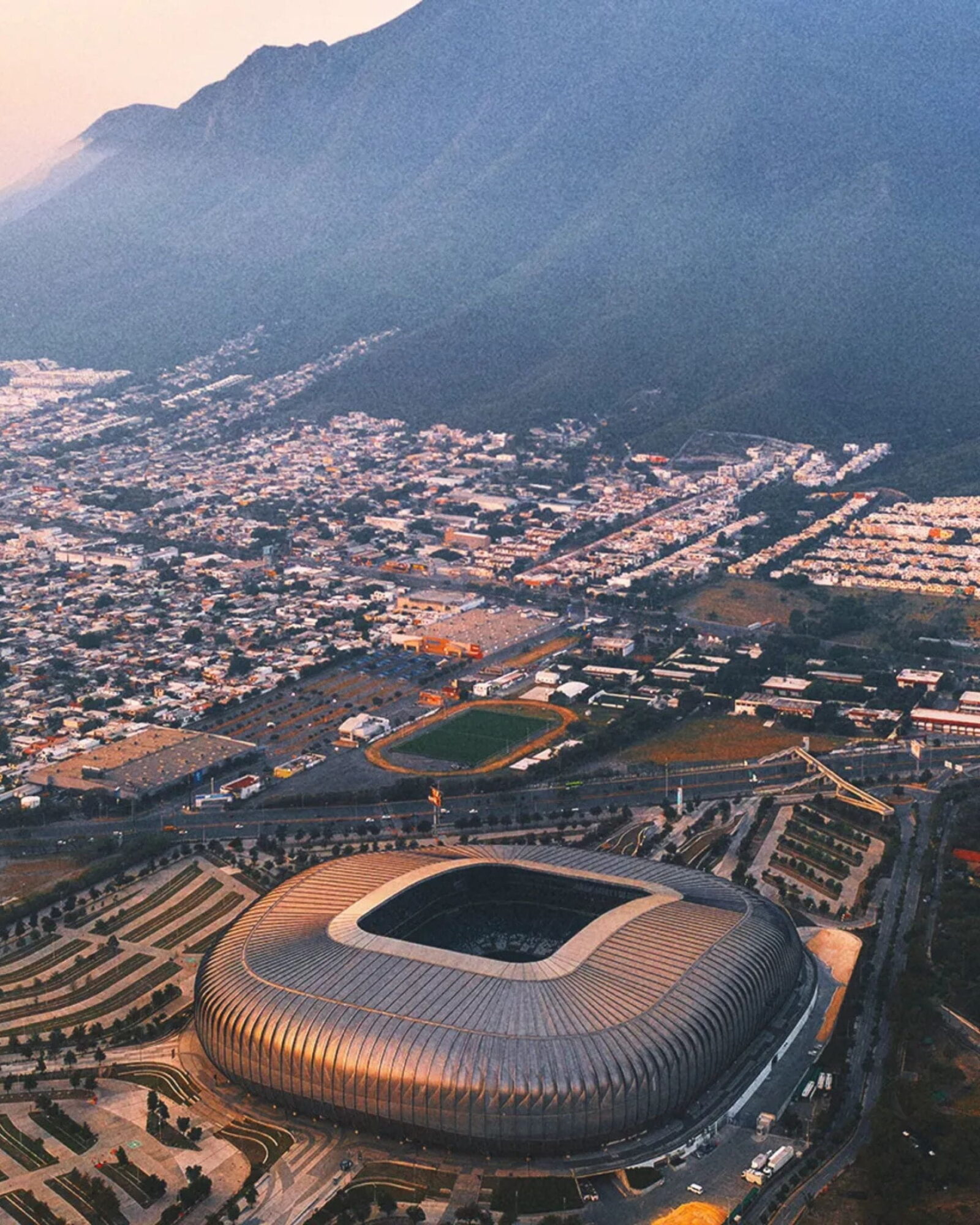
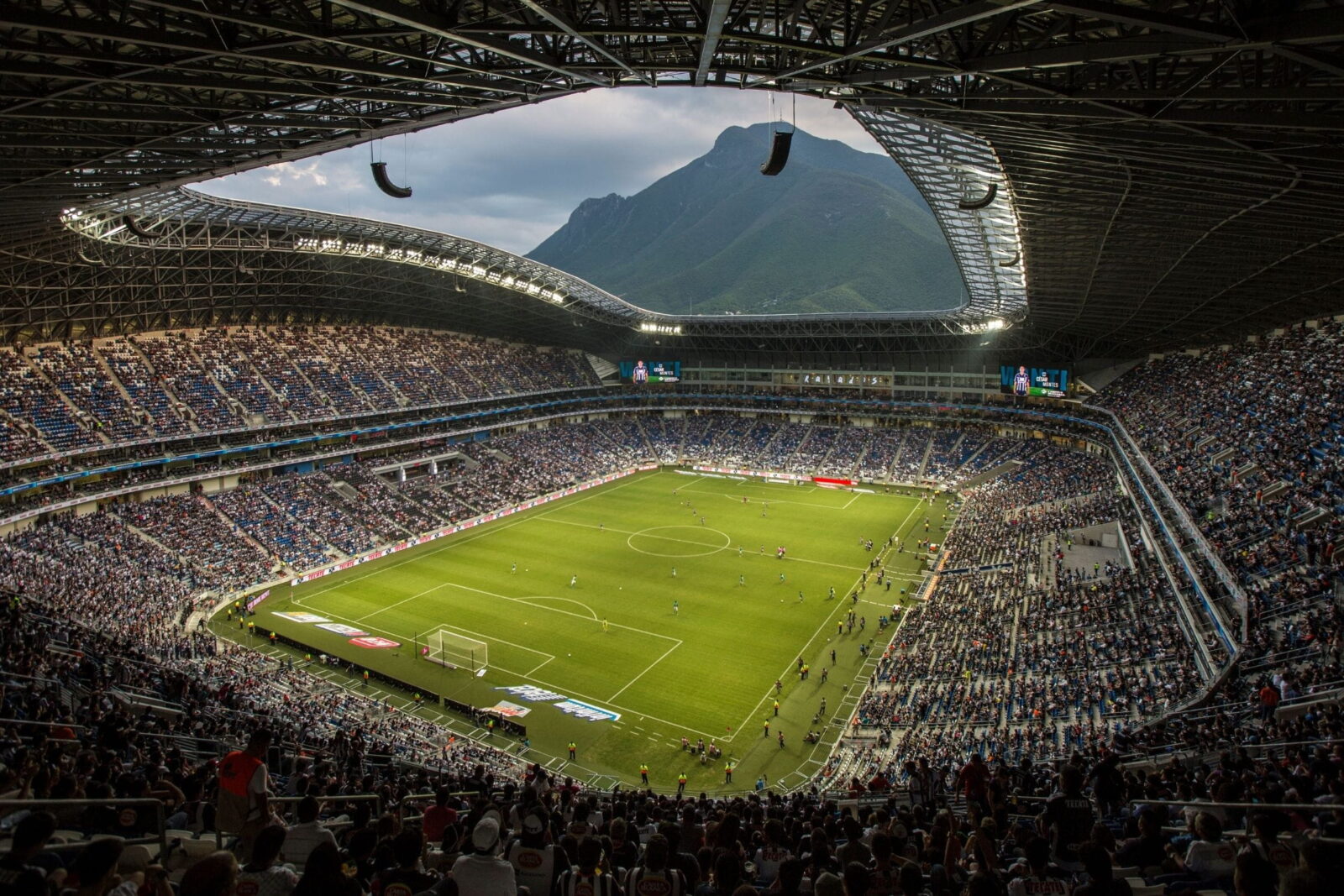
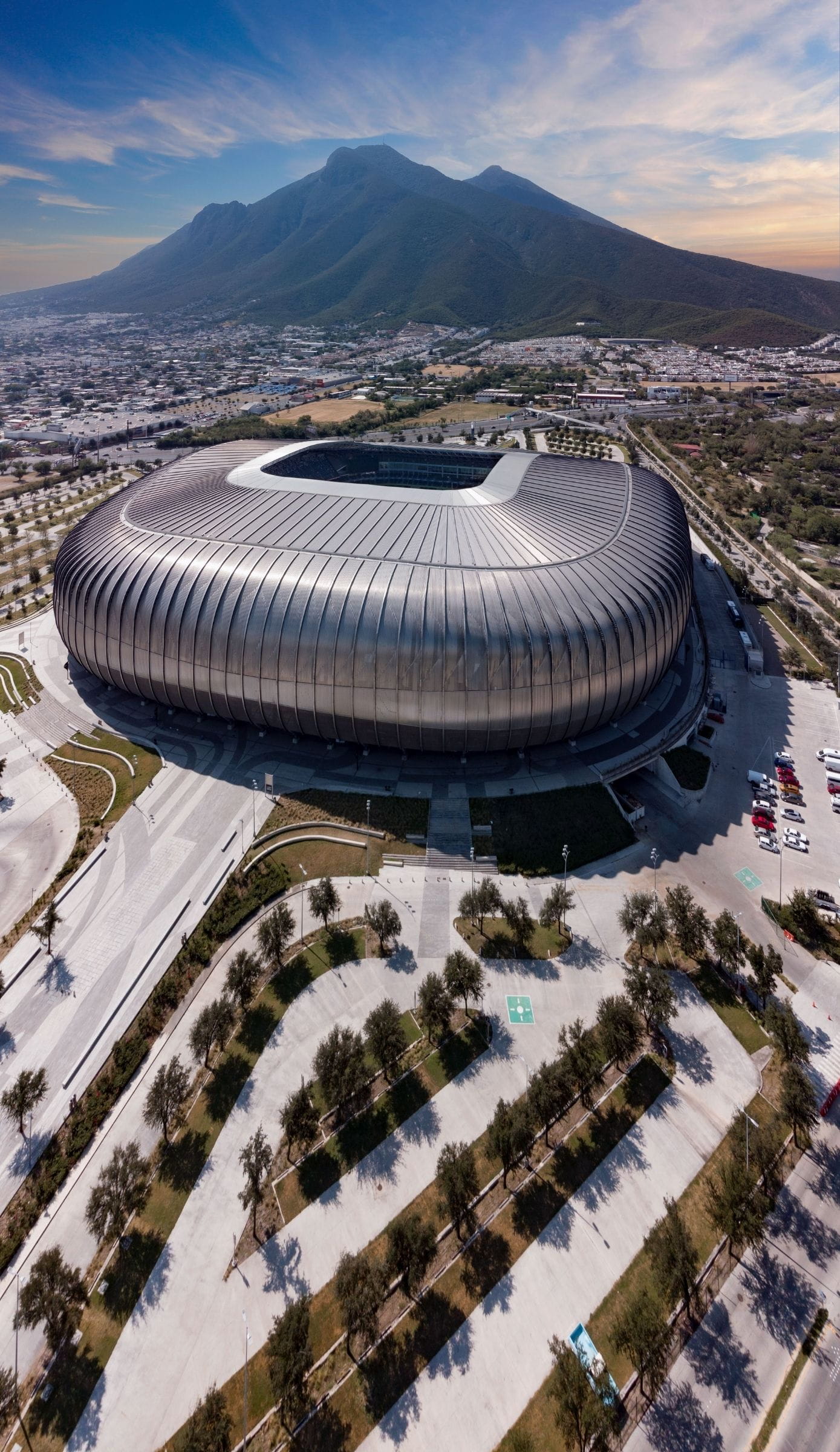
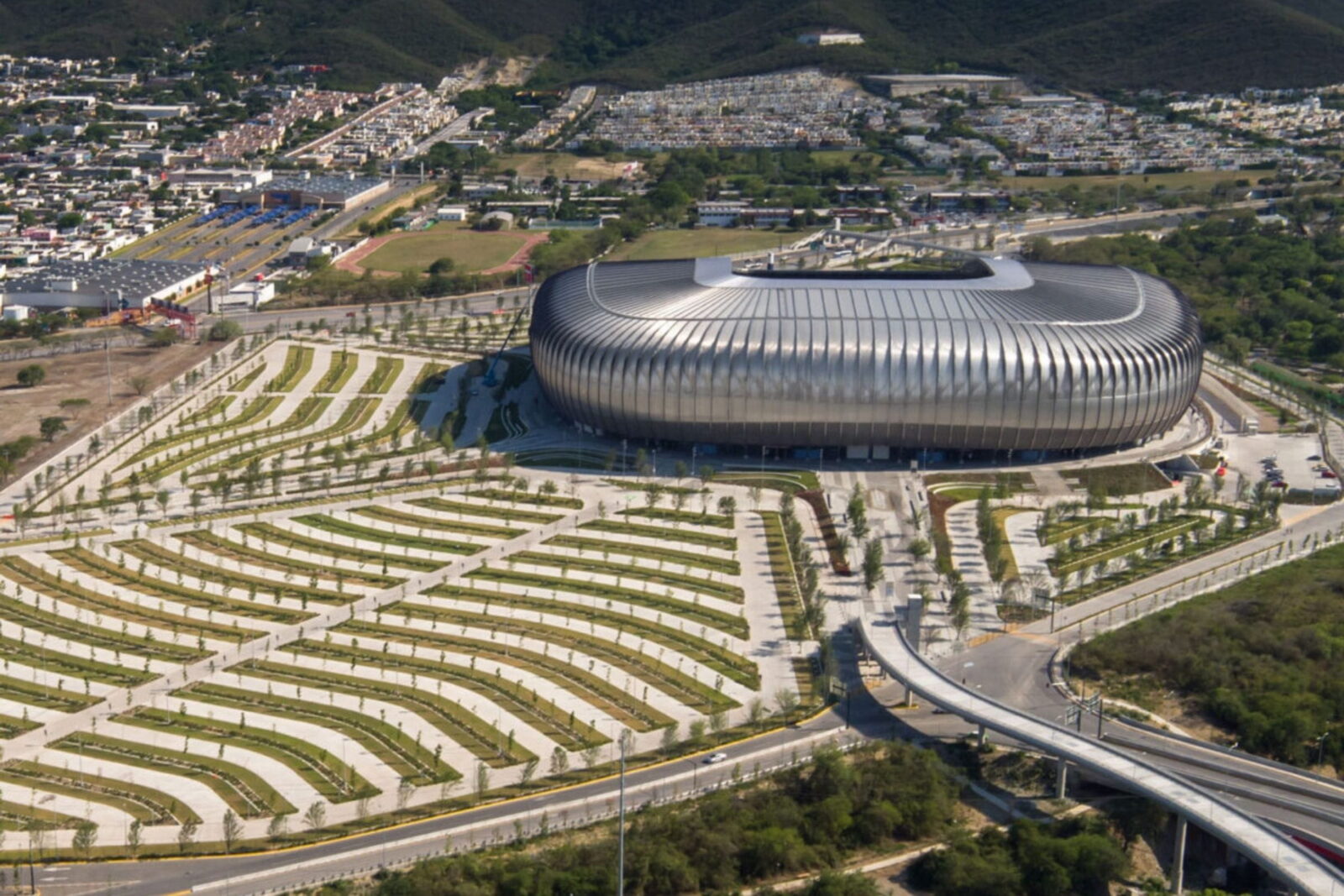
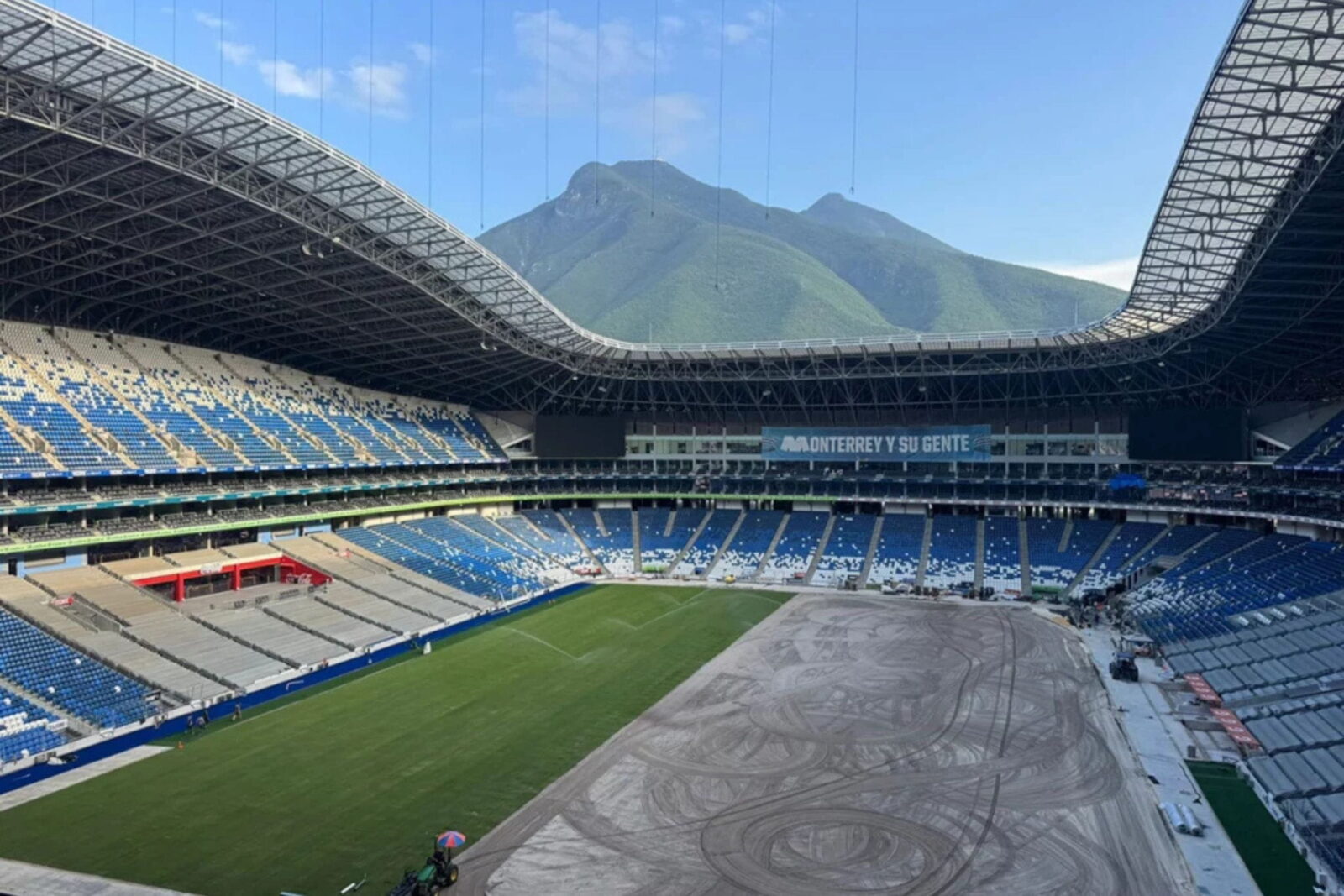
Table of Contents Show
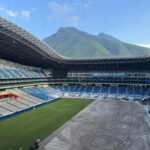
Monterrey Stadium, officially Estadio BBVA and nicknamed “El Gigante de Acero,” is the home of C.F. Monterrey and one of three Mexican venues at the 2026 World Cup. Its steel roof frames the Cerro de la Silla mountain behind the north stand, giving spectators what many consider the most striking natural backdrop of any ground in the tournament.
Most World Cup venues compete on capacity, roof technology, or price tag. The stadium in Guadalupe, on the eastern edge of the Monterrey metropolitan area, competes on something no rival can build: a saddle-shaped mountain sitting directly in the sightline of thousands of seats. That single decision, made by the design team more than a decade ago, is why the monterrey world cup stadium keeps landing on lists of the tournament’s most photogenic grounds.
The building opened in 2015. It was designed for football first and spectacle second, though it delivers both. This guide breaks down the view that made it famous, the engineering behind the Steel Giant, and the role it played in the 2026 tournament.
What Makes Monterrey Stadium’s View the Best in the World Cup?
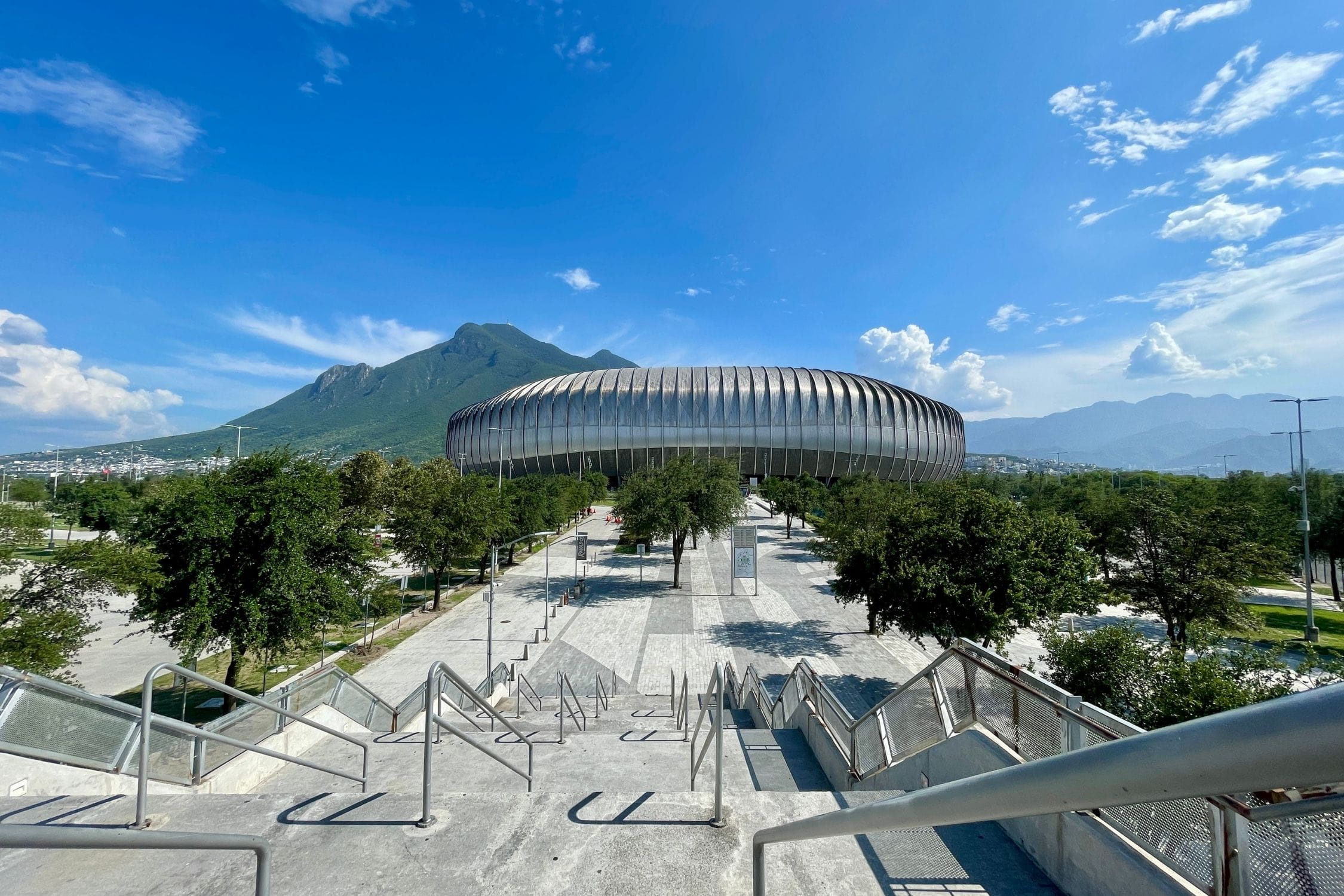
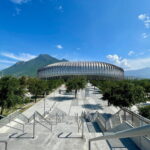
The answer is Cerro de la Silla, the saddle-shaped peak that dominates Monterrey’s skyline. Populous, the firm that led the design, shaped the seating bowl and the roof so the mountain reads clearly through the opening above the north stand. On a clear afternoon, fans in the upper tier watch the match with the mountain rising behind the pitch. The design team has described it as a view without equal in world sport, and on a bright day it is hard to argue.
This is the detail that separates the monterrey stadium view from the retractable-roof arenas elsewhere in the tournament. You cannot engineer a mountain into a sightline. It depends on where you place the building and how you turn the bowl, and the architects committed to that relationship from the start. The reward is a backdrop that shifts with the light across ninety minutes, from hard midday shadow to warm evening gold. Italian architecture magazine The Plan singled out this framing as the venue’s defining idea.
The 2026 tournament is full of structural statement pieces. Illustrarch’s look at the best-designed World Cup 2026 stadiums covers how venues such as SoFi and Mercedes-Benz Stadium chased spectacle through engineering. Monterrey took the opposite route and let geography do the work.
🏗️ Real-World Example
Estádio Municipal de Braga (Braga, 2003): Designed by Pritzker laureate Eduardo Souto de Moura, this Portuguese ground was cut into a former quarry, with one goal backdrop left as a bare granite rock face. It is still the reference point for stadiums that merge with their landscape instead of shutting it out, and it shows how rare Monterrey’s mountain framing really is.
The Steel Giant: Architecture and Design of Monterrey Stadium
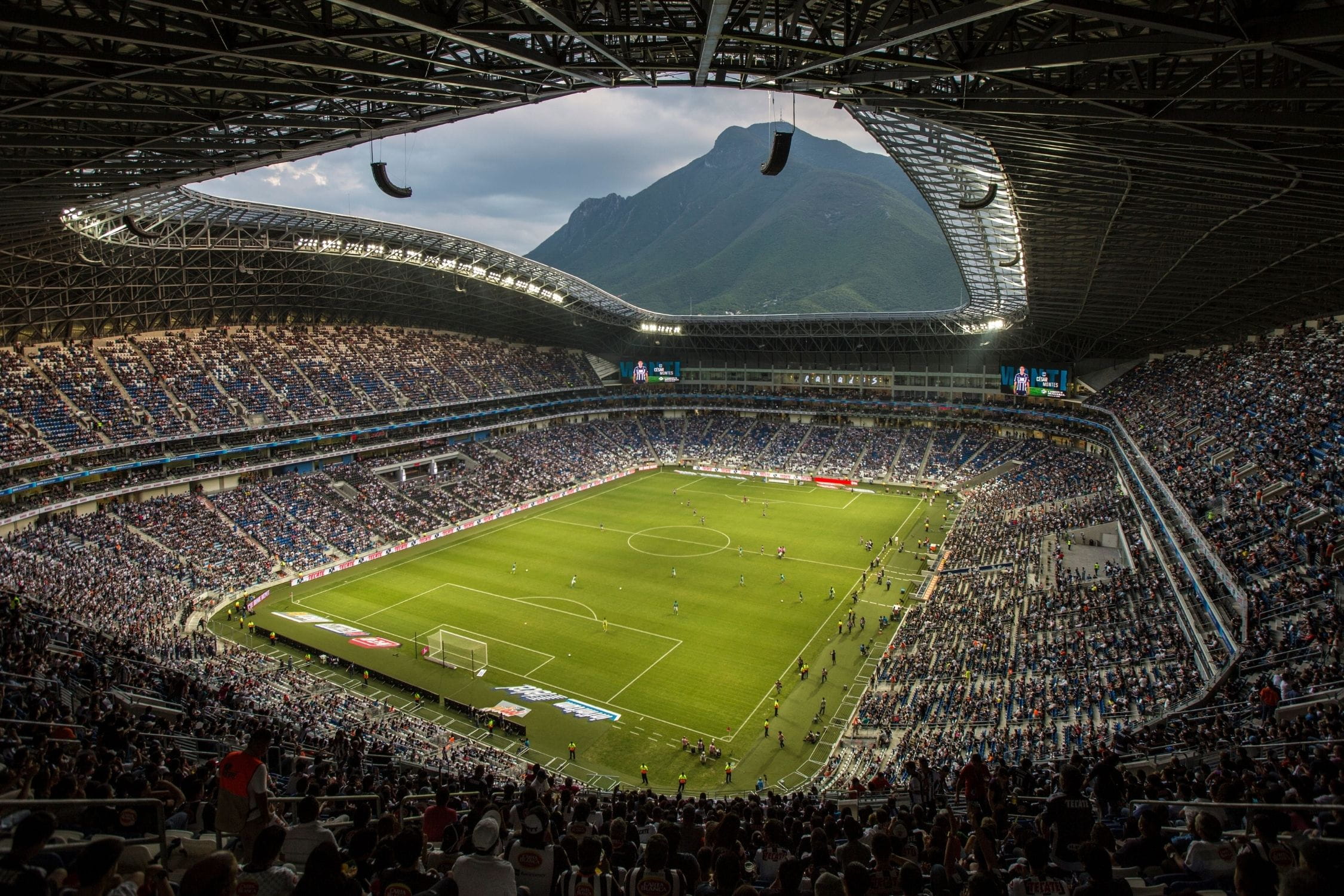
Populous led the design with Mexican studio VFO Arquitectos and architect Federico Velasco, while Buro Happold and SOCSA handled the structural engineering. Construction began in August 2011 and ran for four years, carried out by a joint venture of Aceros Lozano, GGP, and Maíz Mier. The brief was to replace the club’s aging Estadio Tecnológico, its home for 63 years, with a building that read as unmistakably Monterrey. The team answered with steel.
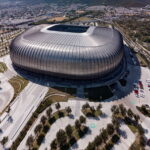
The structure is a self-supporting form wrapped in a metallic skin of more than 5,000 aluminum panels. Those panels shift color as the sun crosses the sky, echoing the way light moves across the mountain range behind them. The reference is deliberate. Monterrey built its wealth on steel and brewing, and the design pulls that industrial identity straight onto the façade. Residents named the building early: El Gigante de Acero, the Steel Giant. It was funded entirely by FEMSA, the Monterrey conglomerate that owns the club, making it the only one of Mexico’s three World Cup venues built without public money.
🔢 Quick Numbers
- Capacity: about 53,500, a figure published by the architect, Populous
- Construction cost: reported at roughly US$200 million, the most expensive stadium in Mexico at completion
- Opened: August 2, 2015, inaugurated with a 3-0 win over Benfica
- Façade: more than 5,000 aluminum panels that change color with the light
For the longer arc of how stadiums moved from open Greek running tracks to steel and glass arenas like this one, illustrarch’s account of the architectural evolution of stadiums traces the full line. Monterrey sits near the modern end of it, where civic identity and engineering carry equal weight.
A Roof Built for Heat and Sightlines
The roof is the stadium’s defining move. A sloping cantilever reaches out over the bowl without a row of columns to interrupt the view, which is exactly what lets the mountain read cleanly from the stands. That column-free reach depends on cantilever engineering, the same principle behind every stadium canopy that shelters fans without blocking their sightlines. The north side of the building rises to about 46 meters and the south to roughly 32, giving the roofline the jagged, asymmetric profile that mirrors the peaks behind it.
Monterrey summers are severe, often pushing past 40°C in the day. Rather than seal the bowl and pump in cold air, the design keeps it breathing. Aluminum “gills” in the façade let air pass through and move across the seating, a passive approach suited to the climate. It follows the same instinct as other warm-climate venues, such as Zaha Hadid Architects’ Guangzhou waterfront stadium, where façade openings draw river breezes through the bowl. The pitch is GrassMaster, a hybrid surface that stitches synthetic fibers into natural grass so it survives both the heat and a heavy match calendar.
More Than a World Cup Venue
The Steel Giant had a full record long before FIFA arrived. It has staged the CONCACAF Champions League final twice, the final of the 2022 Concacaf W Championship, Mexico national team matches, and major concerts, and it took the Stadium of the Year Public Award in 2015, a prize decided by public vote rather than a design jury. Inside, the building carries 324 suites, thousands of club seats, hundreds of screens, and a full sound and lighting fit-out across a footprint of roughly 277 by 232 meters. Metrorrey light rail is the simplest way in on a match day.
How Close Are the Seats to the Pitch?
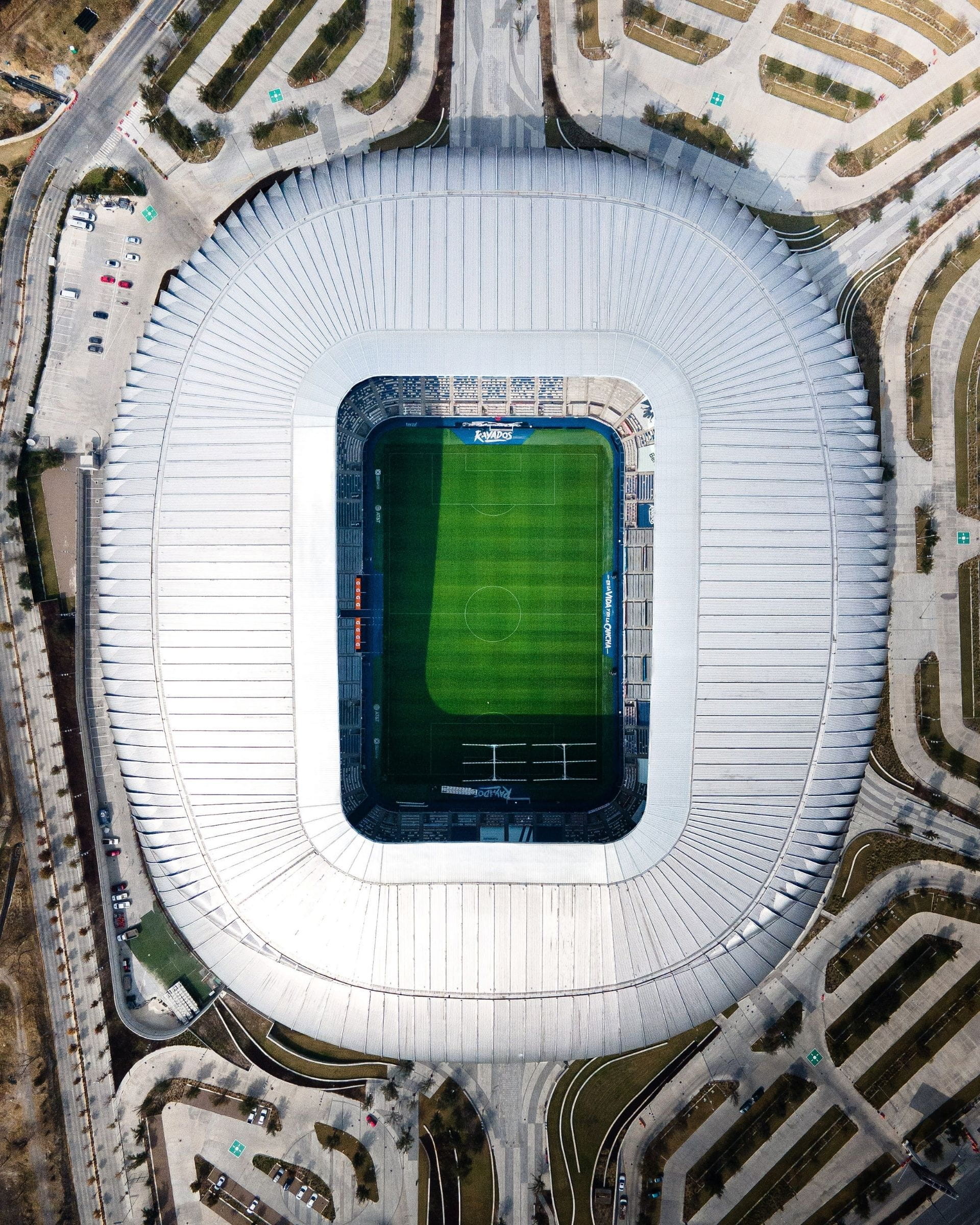
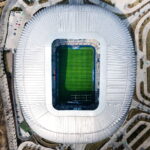
Very close. The front row sits roughly 9 meters from the touchline, down from 27 meters at the club’s old ground, and the bowl is raked at about 34 degrees, one of the steepest angles in Liga MX. The result is a wall of spectators pressing down toward the field.
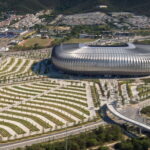
That closeness has a purpose. C.F. Monterrey, the Rayados, pull some of the highest average crowds in Mexican football, and the venue was tuned to trap and amplify their noise. When Monterrey hosts city rival Tigres UANL in the Clásico Regio, the bowl turns into one of the loudest environments in the Americas, with the Sierra Madre standing behind it. Off match days the ground still works, with open-access areas and more than a third of the site given over to permeable green zones that filter rainwater back into the local aquifer.
📐 Technical Note
The seating bowl is raked at roughly 34 degrees, and the front row sits about 9 meters from the pitch, close to the minimum FIFA allows. The venue is also reported as the first football stadium in North America to earn LEED Silver certification, with water recycling and energy efficiency treated as design requirements rather than later additions.
Monterrey Stadium at the 2026 World Cup
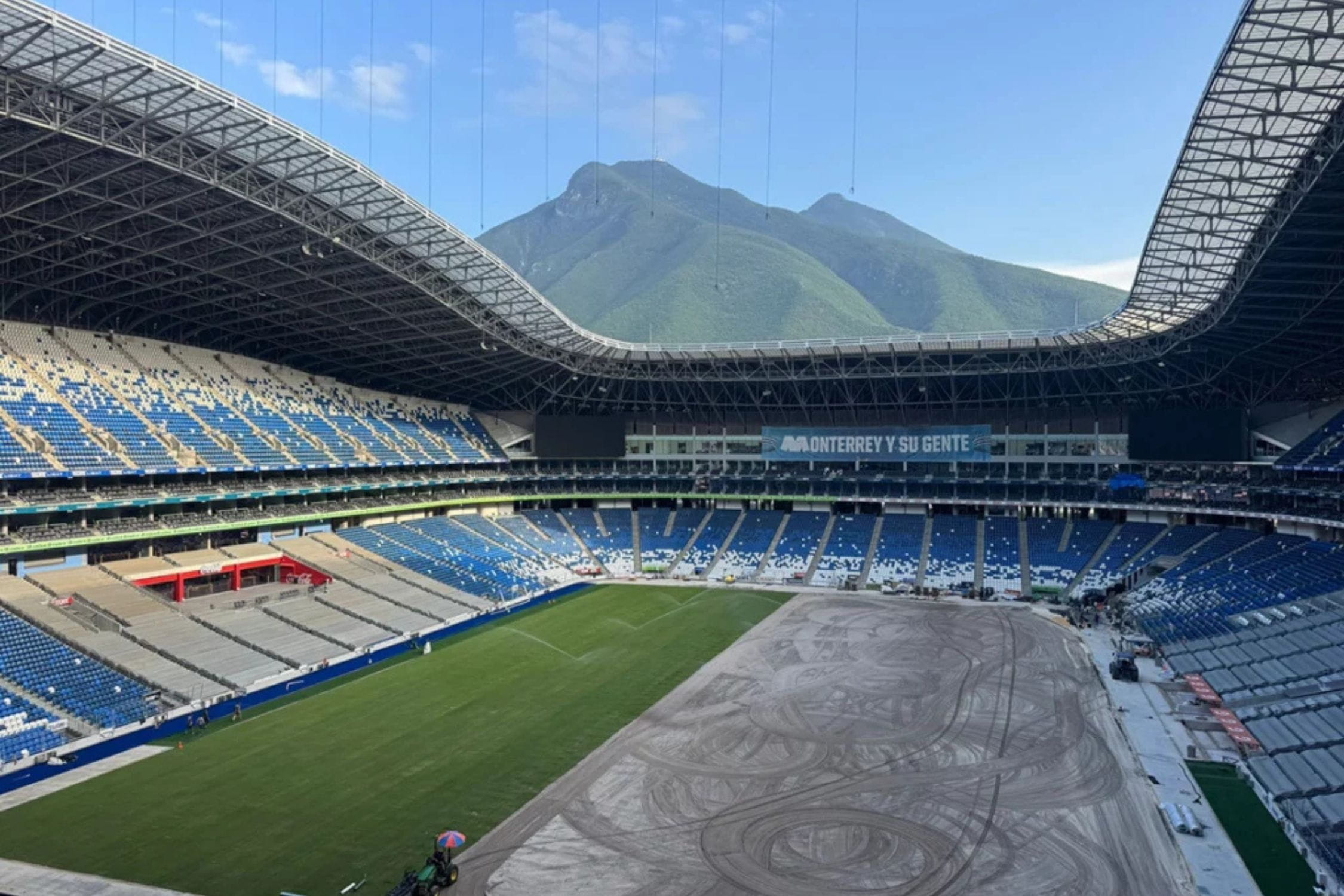
For the tournament, the venue dropped its commercial name. FIFA requires non-sponsor titles at the World Cup, so broadcasts, tickets, and signage called it Estadio Monterrey. Under that name, the bbva stadium monterrey took on four matches: three group games and one Round of 32 knockout tie.
Monterrey was one of three Mexican host cities, alongside Mexico City’s Estadio Azteca and Guadalajara’s Estadio Akron. The city itself is no newcomer to the event, having staged matches at the 1986 World Cup, though at older grounds, so 2026 marked the modern Steel Giant’s first turn on the biggest stage. One fixture carried extra weight: the June 20 meeting between Tunisia and Japan was the 1,000th match in World Cup history. FIFA’s official Monterrey host city page holds the full run of tournament detail for the venue.
Monterrey Stadium’s 2026 World Cup Matches
Here is how the monterrey world cup stadium’s four fixtures finished.
| Date | Match | Stage | Result |
|---|---|---|---|
| June 14 | Sweden vs Tunisia | Group F | Sweden won 5-1 |
| June 20 | Tunisia vs Japan | Group F | Japan won 4-0 (1,000th World Cup match) |
| June 24 | South Africa vs South Korea | Group A | South Africa won 1-0 |
| June 29 | Netherlands vs Morocco | Round of 32 | 1-1, Morocco won 3-2 on penalties |
For a building-by-building tour of the rest of the tournament, illustrarch’s guide to the World Cup 2026 host stadiums runs through all sixteen venues, from Monterrey to the retractable-roof arenas farther north.
The Bigger Picture
The World Cup lasts a month. The mountain does not. Long after the tournament crowds have gone, Cerro de la Silla will still be sitting behind the north stand every time the Rayados play at home, which is the real life of this building. Monterrey never chased the tournament’s largest roof or its highest price tag. It framed a mountain that was already there, and by doing so it built the one view the rest of the World Cup cannot copy.
Frequently Asked Questions
Who designed Monterrey Stadium?
The stadium was designed by the global sports architecture firm Populous, working with Mexican studio VFO Arquitectos and architect Federico Velasco. Buro Happold led the structural engineering. Populous oriented the football-specific bowl toward Cerro de la Silla, which is what produced the stadium’s signature mountain view.
What is Monterrey Stadium’s capacity?
Monterrey Stadium holds about 53,500 spectators. It opened in 2015 with a slightly smaller figure and was expanded the following year to meet demand from C.F. Monterrey supporters. The steep rake keeps almost every seat close to the pitch despite the size.
Why is Monterrey Stadium called the Steel Giant?
The nickname “El Gigante de Acero” comes from the building’s steel and aluminum exoskeleton, a nod to Monterrey’s long history as Mexico’s industrial steel center. The metallic façade, built from thousands of panels, defines how the stadium looks from the outside and gives it its name.
What mountain can you see from Monterrey Stadium?
You can see Cerro de la Silla, the saddle-shaped mountain that is Monterrey’s most recognizable natural landmark. The design frames it behind the north stand, so it appears from many seats during daytime matches. You can read more background on the venue’s Wikipedia entry.
How many World Cup matches did Monterrey Stadium host in 2026?
It hosted four: three group-stage games and one Round of 32 knockout match. Under FIFA rules the venue was known as Estadio Monterrey during the tournament, and it staged the 1,000th match in World Cup history on June 20.







Allies and Morrison Win Approval to Restore Barbican Sculpture Court
City of London Corporation approves Allies and Morrison's plan to restore the...
 illustrarch Editoral Team2 Mins read
Will Forma Replace Revit? Autodesk Finally Answers
Autodesk's own FAQ says Forma will replace Revit over time, as it...
illustrarch Editoral Team3 Mins read

How HKS Made Astra Tower, Utah’s Tallest Building, Feel Local
Astra Tower, Utah's tallest building since it opened in May 2025, takes...
illustrarch Editoral Team4 Mins read

Manipal University Team Turns Treated Sewage Into Stronger Biochar Concrete
Manipal University Jaipur researchers find biochar from treated sewage can strengthen concrete,...
illustrarch Editoral Team3 Mins read


Leave a comment