

Eco-Friendly Elegance: How Amish Beds Complement Green Building Designs
Amish beds are ideal for green building designs due to their responsibly sourced hardwood, low-impact production, and non-toxic materials that enhance sustainable interiors.
 Muhammad Abdullatef - Tifa Studio22 January 20245 Mins read462
Table of Contents Show
Amish beds suit green building designs because they pair responsibly sourced solid hardwood with low-impact, handcrafted production. Their natural finishes, long service life, and non-toxic materials line up with the core goals of sustainable architecture, adding warmth and lasting quality to eco-conscious bedrooms without compromising on style.
The match between sustainability and refined design has become a real priority in how people furnish their homes. Amish beds, known for traditional joinery and natural wood, fit that brief closely, which is why they keep appearing in projects built around healthier materials and a smaller footprint.
The Intersection of Sustainability and Style
Pairing durability with good design is no longer a niche request. Buyers want furniture that looks considered and also holds up for decades, and Amish beds answer both at once. Their understated profiles work in modern, rustic, and minimalist interiors alike, so a single piece can anchor a room without dating quickly.
Sustainable Materials and Construction
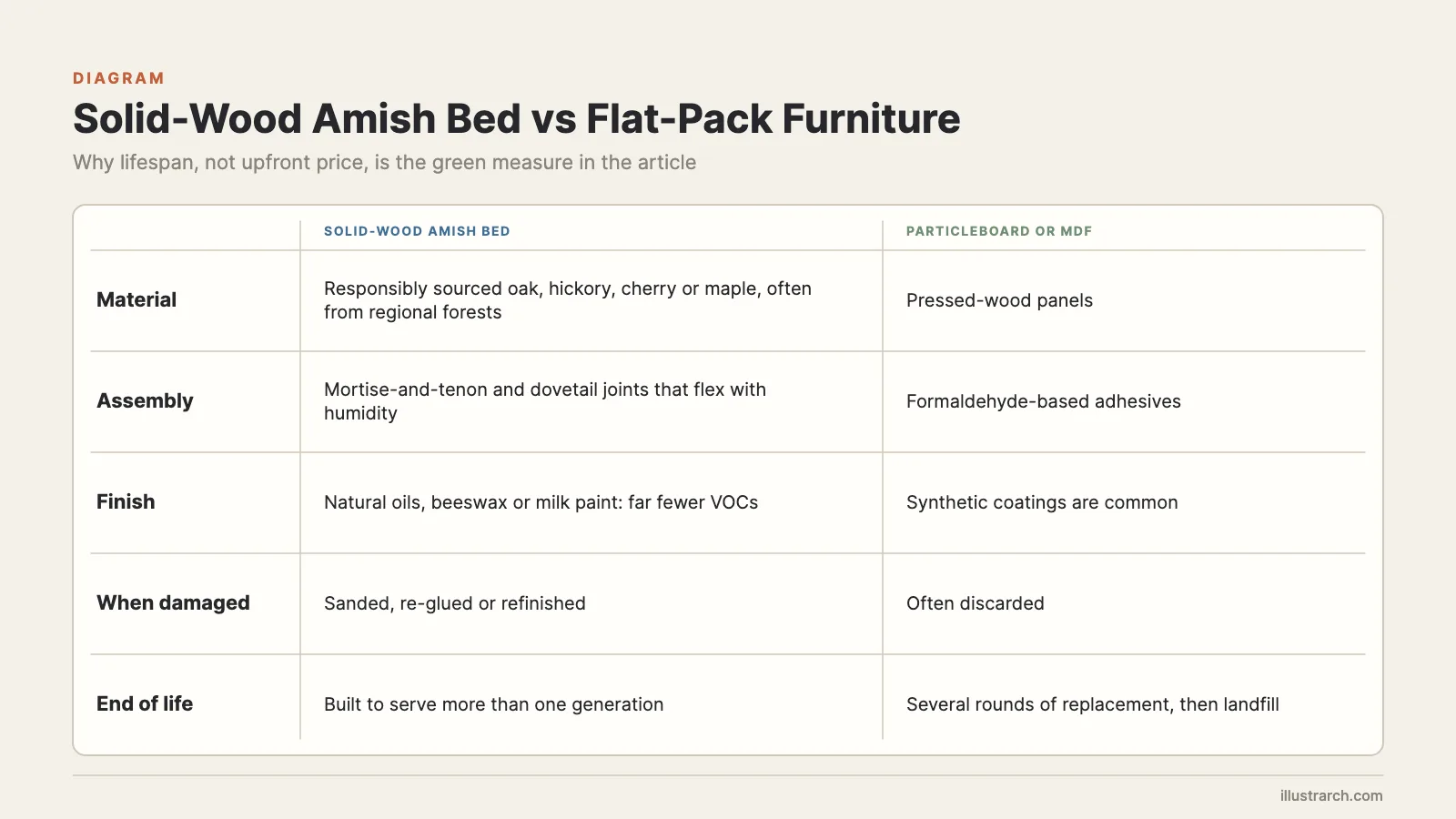
Material choice is where the environmental case starts. Amish makers favor responsibly sourced hardwoods such as oak, hickory, cherry, and maple, often from regional forests within a short haul of the workshop. Solid wood frames avoid the formaldehyde-based adhesives common in particleboard and MDF, which cuts both off-gassing and the volume of material headed to landfill once cheaper furniture fails. The result is a bed built to outlast several rounds of flat-pack replacements, a point that connects directly to ideas covered in sustainable construction.
Aesthetic Appeal and Timeless Design
Clean lines, exposed grain, and hand-rubbed finishes give Amish beds a quiet, lasting character. Because the look leans on the wood itself rather than trend-driven detailing, these pieces tend to age well alongside the natural palettes favored in green interiors. That visual restraint is part of why designers reach for them when they want texture and warmth without visual clutter.
🎓 Expert Insight
“A solid wood bed frame is one of the few furniture purchases a client can keep for thirty years and then pass on rather than throw out. That single decision quietly removes a lot of embodied carbon from a home over time.”
Licensed interior architect with 15+ years in residential design
This view reflects a wider shift toward measuring furniture by lifespan, not just upfront price, which is central to how Amish beds earn a place in green homes.
What Makes Amish Bed Craftsmanship Sustainable?
Amish craftsmanship is sustainable because it combines durable materials with low-energy, low-waste methods. Skills passed down through generations prioritize hand tools, tight joinery, and careful wood selection, so each bed is made to last rather than to move quickly off a showroom floor.
Rooted in Tradition
Amish furniture making rests on handwork and close attention to detail. Techniques refined over generations, including mortise-and-tenon and dovetail joinery, hold a frame together without relying on metal brackets or glue-heavy shortcuts. Joints like these flex slightly with seasonal humidity instead of loosening, which is a large part of why the beds stay solid for decades.
Quality Materials and Sustainable Practices
Locally sourced hardwoods do double duty here. They keep transport distances short and support managed forests where replanting outpaces harvesting. Buyers who want third-party assurance can look for wood certified by the Forest Stewardship Council, which sets standards for responsible forestry worldwide.
💡 Pro Tip
When ordering an Amish bed, ask the maker which finish they apply and request a low-VOC or natural oil option in writing. Some workshops default to a faster-drying synthetic topcoat, and a short conversation upfront keeps the piece in line with the indoor air goals of a green build.
Sustainability in Amish Furniture Design
Look past the surface and these pieces reflect a steady ethos of environmental care. That makes Amish beds a sensible fit for anyone trying to align furnishings with responsible living rather than treating the two as separate decisions.
Eco-Friendly Material Sourcing
The wood typically comes from local, sustainably managed forests, often cut and dried regionally before it reaches the workshop. Short supply chains lower transport emissions and give makers direct knowledge of where their material originates, something mass producers rarely offer.
Longevity and Waste Reduction
A bed built to serve more than one generation is, by definition, a low-waste product. Fewer replacements mean fewer items in the waste stream and less demand on new raw material, a principle that runs through most thinking on sustainable design. The repairability of solid wood matters too, since a scratched or loosened frame can be sanded, re-glued, or refinished instead of discarded.
Low-Impact Manufacturing
Workshops that lean on hand tools and traditional methods draw far less grid energy than automated factories. Many Amish shops run on pneumatic or hydraulic power rather than full electrical lines, which keeps the energy intensity of each piece low and the carbon footprint modest by comparison.
Eco-Friendly Practices in Amish Furniture Making
From tools to finishes, the day-to-day practice of Amish furniture making carries real environmental respect. A few habits stand out for how directly they support healthier, greener interiors.
Natural Finishes and Low-VOC Coatings
Many artisans use natural finishes such as linseed oil, beeswax, or milk paint, which release far fewer volatile organic compounds than synthetic lacquers. Lower emissions translate to better indoor air quality, an outcome that matters most in a bedroom where people spend roughly a third of each day.
📌 Did You Know?
According to the U.S. Environmental Protection Agency, concentrations of volatile organic compounds can run up to ten times higher indoors than outdoors, with paints, finishes, and pressed-wood furniture among the common sources. Choosing solid wood and natural coatings is one practical way to keep those levels down.
Waste Reduction and Recycling
Offcuts and shavings rarely go to waste in an Amish shop. Smaller pieces become drawer components, dowels, or shop fixtures, while sawdust is often reused for bedding, mulch, or fuel. This close-loop habit keeps material moving through the workshop rather than out to the curb.
How Amish Beds Fit Green Building Designs
Amish beds slot neatly into green building designs because their priorities line up with the building itself. A project built around non-toxic materials, durability, and healthy air gains a furnishing that reinforces every one of those goals.
Harmonizing with Eco-Friendly Architecture
Natural materials and finishes sit comfortably alongside the exposed timber, clay plasters, and natural stone common in eco-friendly architecture. Rating systems such as USGBC LEED reward low-emitting materials and healthy interiors, and well-chosen solid wood furniture supports that direction even though it sits outside the formal scorecard.
Durability Meets Sustainability
In green architecture, longevity is treated as a sustainability metric, since anything that lasts reduces replacement and waste. The solid construction of Amish beds speaks to that logic directly, giving a green interior a fixed point that will not need swapping out in a few years.
Supporting Healthier Interiors
Natural finishes and low-VOC coatings help keep bedroom air cleaner, a real concern in tightly sealed, energy-efficient homes where pollutants can build up without strong ventilation. By skipping the adhesives and synthetic coatings found in much mass-produced furniture, Amish beds reduce one source of indoor emissions and support the broader aim of a healthier living space.
Choosing an Amish Bed for a Greener Home
Buying well comes down to a few clear checks. Confirm the species and source of the wood, ask about certification where it matters to you, and clarify the finish so it fits your air-quality goals. A handful of makers, such as Amish Furniture Factory, build to order, which lets you specify dimensions and finishes rather than settling for a stock configuration.
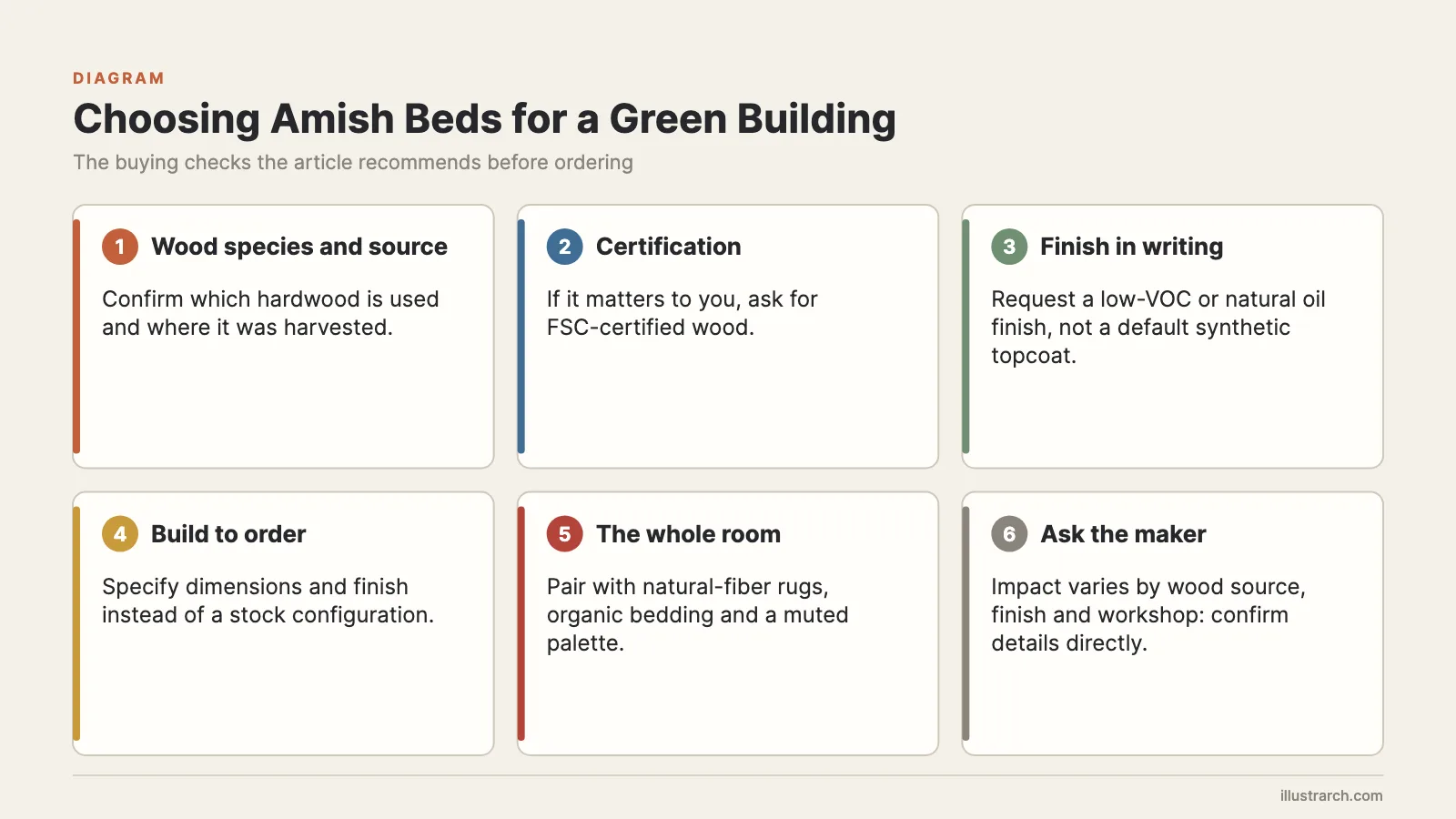
It also helps to think about the whole room. A solid wood bed pairs naturally with low-pile natural-fiber rugs, organic bedding, and the muted, material-led palettes found in many Scandinavian modern homes, so the bed becomes part of a consistent, low-impact scheme rather than a single green gesture.
Environmental impact varies with the specific wood source, finish, and manufacturing practices of each maker, so confirm details directly with the workshop for your project.
The Bigger Picture
The most sustainable bed is usually the one a household never has to replace. Seen that way, an Amish bed is less a furniture purchase than a long bet on quality, and that mindset, more than any single material, is what ties it so closely to the goals of green building.







Futuro House Production Revived in Finland After Decades-Long Hiatus
A Facebook listing for abandoned moulds led to the first new Futuro...
 illustrarch Editoral Team3 Mins read

Building Your Dream Home in NSW: What You Should Know About Montgomery Homes
Montgomery Homes has been building across Sydney, Newcastle, the Hunter, Wollongong and...
illustrarch Editoral Team4 Mins read
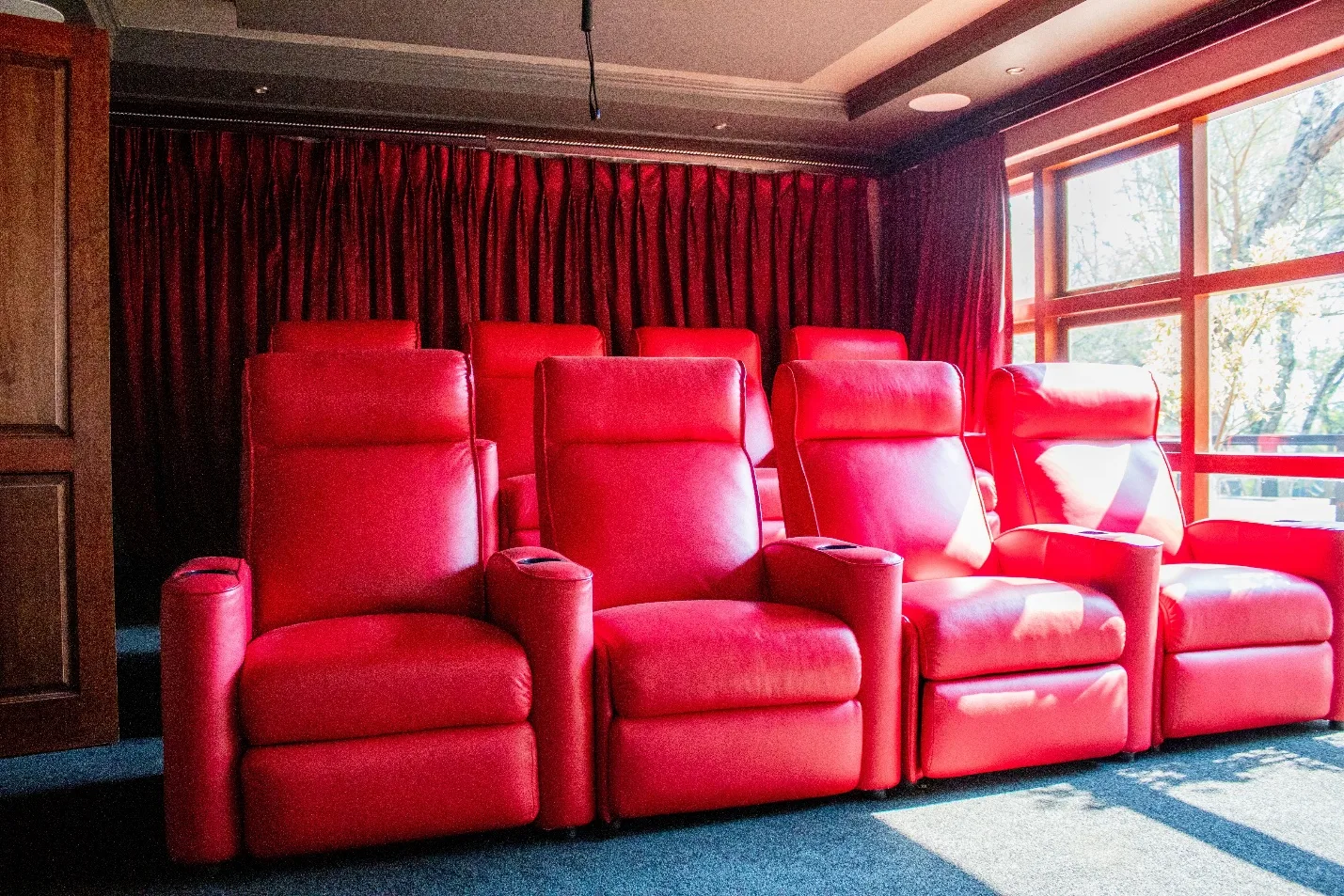
Designing a Home Theater: Where Drapery Fits Into the Plan
In a media room the curtains are a performance layer, not decoration....
illustrarch Editoral Team3 Mins read

Oscar Niemeyer’s Cathedral of Brasília: The Hyperboloid Concrete Hymn
The Cathedral of Brasília reads as a single gesture, yet it stood...
 Furkan Sen7 Mins read


Leave a comment