

Reasons Why Portable Restrooms are a Must-Have for Outdoor Events
Portable restrooms are essential for outdoor events as they provide necessary sanitation, comply with local regulations, and contribute to environmental sustainability.
 Elif Ayse Sen9 March 20245 Mins read463

Table of Contents Show
Portable restrooms for outdoor events keep guests comfortable, protect the venue, and prevent the long lines that can sour an otherwise great day. From music festivals and charity runs to weddings and food fairs, on-site sanitation is one of the few details that every single attendee will use, making it a planning priority rather than an afterthought.
With the seasonal shift, the sounds of nature and warm sun may be drawing your next big gathering into the open air. Whether you are planning a music festival, a charity run, or a wedding under the stars, the logistics of an outdoor event differ sharply from an indoor one. Bringing in an event staffing agency also helps the day run smoothly. Among all the moving parts, portable restrooms are often overlooked, yet they shape the comfort and safety of everyone who shows up.
Why Are Portable Restrooms a Must-Have for Outdoor Events?
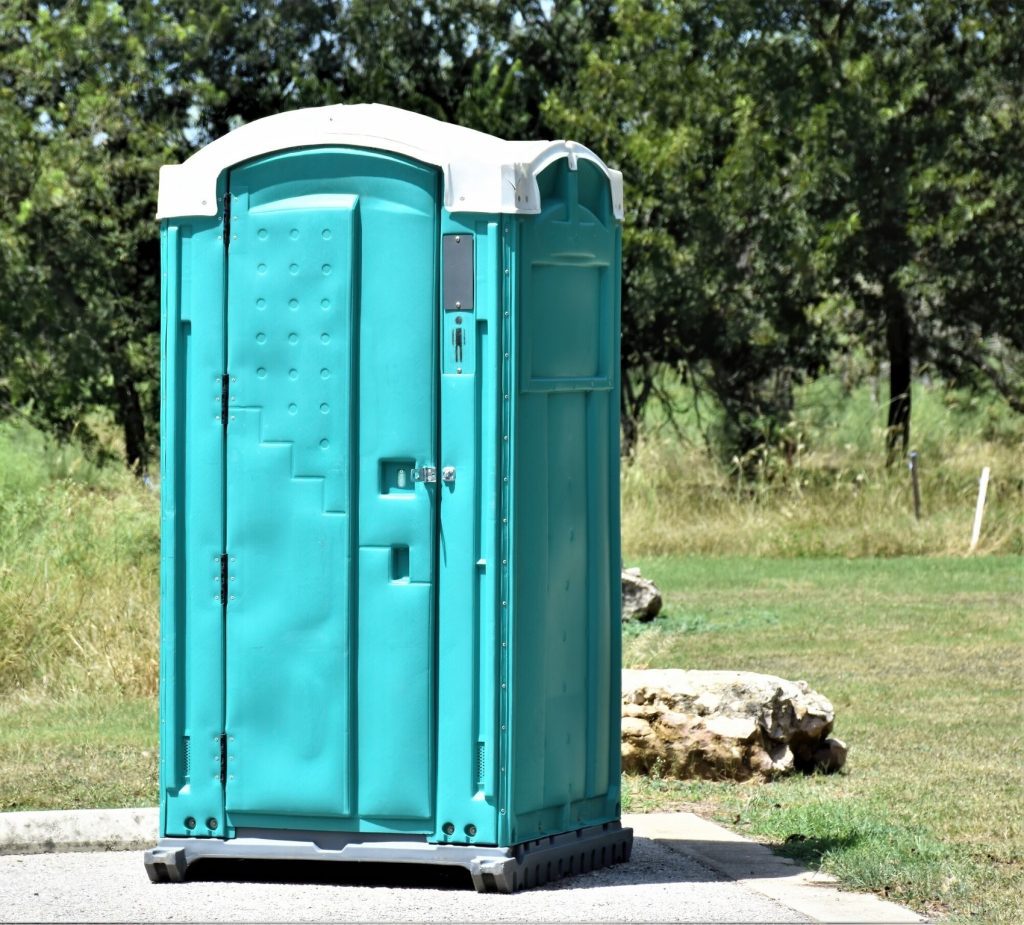
Outdoor sites rarely have enough fixed plumbing to handle a crowd. A field, a park, or a parking lot may have no toilets at all, and the few that exist are usually too far away. Portable units solve that gap by bringing clean, accessible facilities directly to the action. They also let you scale capacity to the headcount, so a 200-person 5K and a 10,000-person festival each get the right number of stalls without overbuilding.
Many jurisdictions go further and require a minimum number of restrooms per attendee before they will issue a permit. Skipping this check can stall approval or trigger fines on event day, so confirm the local rules early and document your unit count in the permit application. A trusted rental partner will know the regional ratios and can adjust the order if your projected attendance changes.
Permit thresholds and sanitation codes vary by jurisdiction. Always confirm current requirements with your local authority before finalizing plans.
Environmental Benefits
The environmental case for portable restrooms is stronger than most planners expect. Many units use little or no fresh water per use compared with a standard flush toilet, and some operators report up to 90% water savings against traditional fixtures. That difference matters at large gatherings where hundreds of flushes add up quickly.
Beyond water, many providers use plant-based or low-toxicity sanitation chemicals, and waste is hauled to licensed treatment facilities rather than released on site. Placing units close to where people gather, then relocating them as the crowd moves, also limits foot traffic and soil compaction across the grounds. For organizers chasing a greener footprint, the U.S. Environmental Protection Agency’s WaterSense program offers a useful benchmark for thinking about water use across an event.
📌 Did You Know?
The U.S. Centers for Disease Control and Prevention reports that handwashing with soap can cut diarrheal illness in the general population by 23 to 40 percent. On a crowded event site where food and drink are everywhere, well-stocked hand stations are a genuine public health measure, not just a courtesy.
Convenience for Attendees
Few things damage an event experience faster than a 20-minute wait for a toilet. Portable restrooms let you place facilities exactly where the crowd forms, near stages, finish lines, food trucks, and entry gates, instead of forcing guests to hunt for a building. Spreading units across several zones prevents bottlenecks and keeps people focused on the event instead of the queue.
For long or wide-area events such as marathons and multi-day festivals, distributed restroom clusters mean a facility is always within a short walk. That kind of planning quietly signals respect for attendees, and it shows up in post-event surveys and online reviews. Coordinating restroom placement with your broader event management system keeps the layout consistent with signage, accessibility routes, and staffing.
💡 Pro Tip
Book a mid-event service window for any gathering that runs longer than four hours. Pumping and restocking units during a natural lull, such as a headline act or an awards segment, keeps stalls clean for the back half of the day when complaints usually start. Confirm vehicle access to each cluster before the crowd arrives, since a blocked service lane can derail the whole plan.
Sanitation and Hygiene Standards
Clean facilities protect everyone on site. Hand sanitizer dispensers and wash stations let guests clean up before eating, which reduces the spread of germs at events where food and drink flow freely. Modern premium units go further, with flushing toilets, running water, interior lighting, and ventilation that rival indoor restrooms.
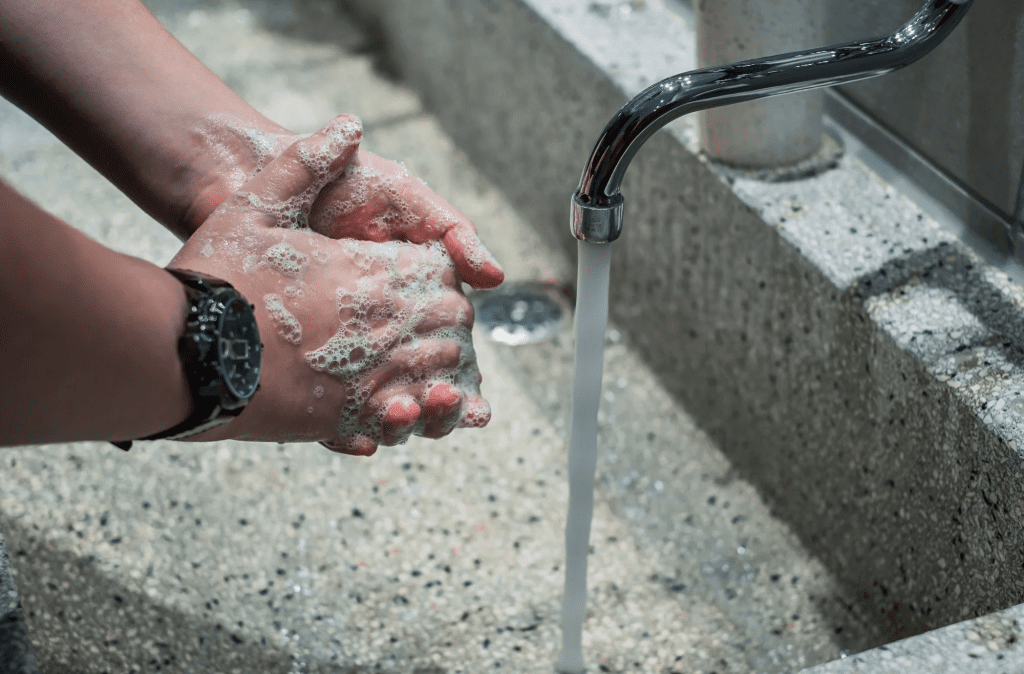
Regular servicing during the event matters as much as the initial setup. A maintenance schedule that empties tanks, refills paper and soap, and wipes surfaces keeps standards high from the first guest to the last. Pointing guests toward proper hand hygiene practices with clear signage at each station reinforces the effort and lowers illness risk across the whole crowd.
Cost-Effective Event Infrastructure
Renting portable restrooms costs a fraction of building permanent structures or running temporary plumbing. Because you rent by the unit, you can match the count to your expected attendance and avoid paying for capacity you will never fill. That flexibility is valuable when ticket sales are still firming up close to the date.
Fast delivery and pickup also trim labor costs and limit how long the site is tied up. Units leave little trace on the grounds, which protects your venue deposit and any landscaping. The result is dependable sanitation that fits a real budget without cutting the guest experience.
⚖️ Pros & Cons at a Glance
✔️ Pros: scalable to any crowd size, far cheaper than fixed plumbing, fast setup and removal, ADA-accessible and family options available
✖️ Cons: require a servicing schedule for long events, need planned placement and vehicle access, premium and luxury trailers carry higher rental fees
Accessibility for All Guests
Inclusive events plan for every body. ADA-compliant portable restrooms provide wheelchair-width interiors, grab bars, and level entry so guests with mobility needs are not left without options. Outdoor sites with no permanent accessible facilities make these units essential rather than optional.
Family-friendly events benefit from units with baby changing stations, giving parents a private, practical space. For the technical requirements behind accessible stalls, clearances, grab bar heights, and door maneuvering, the U.S. Access Board’s guidance on accessible toilet rooms is the authoritative reference. Building these options into your headcount from the start avoids a last-minute scramble.
Customization and Upscale Options
Portable sanitation now spans a wide range. Basic single units suit small community gatherings, while restroom trailers with climate control, mirrors, and full vanities fit upscale weddings and corporate functions. Some providers offer exterior branding, letting sponsors or hosts add logos and signage that match the event look.
This range lets the facilities match the tone of the day instead of clashing with it. A polished restroom trailer at a black-tie reception reads very differently from a row of standard units, and guests notice. Choosing the right tier is part of the overall design of the experience, much like seating, lighting, and catering.
What This Means for Your Next Project
Treat sanitation as core infrastructure, not a line item to trim. The comfort, hygiene, accessibility, and lower cost of modern portable restrooms make them a smart call for any open-air gathering, and managing them well is closely tied to good facility planning.
Your Next Step: Estimate your peak attendance, divide the day into service windows, and request a quote that spells out unit counts, accessible options, and mid-event cleaning before you lock in any other vendor.



Interior Design for Commercial Spaces: Enhancing Functionality and Brand Identity
Commercial interior design has to serve brand, function and regulation at once....
 Begum Gumusel4 Mins read
Futuro House Production Revived in Finland After Decades-Long Hiatus
A Facebook listing for abandoned moulds led to the first new Futuro...
 illustrarch Editoral Team3 Mins read
Building Your Dream Home in NSW: What You Should Know About Montgomery Homes
Montgomery Homes has been building across Sydney, Newcastle, the Hunter, Wollongong and...
illustrarch Editoral Team4 Mins read
Designing a Home Theater: Where Drapery Fits Into the Plan
In a media room the curtains are a performance layer, not decoration....
illustrarch Editoral Team3 Mins read


Leave a comment