

Building Your Dream Home: A Step-by-Step Guide
A practical, step-by-step guide to building your dream home, covering budget, land, design, permits, and construction, plus sustainable materials and expert answers to common questions.
 Muhammad Abdullatef - Tifa Studio12 February 20256 Mins read479
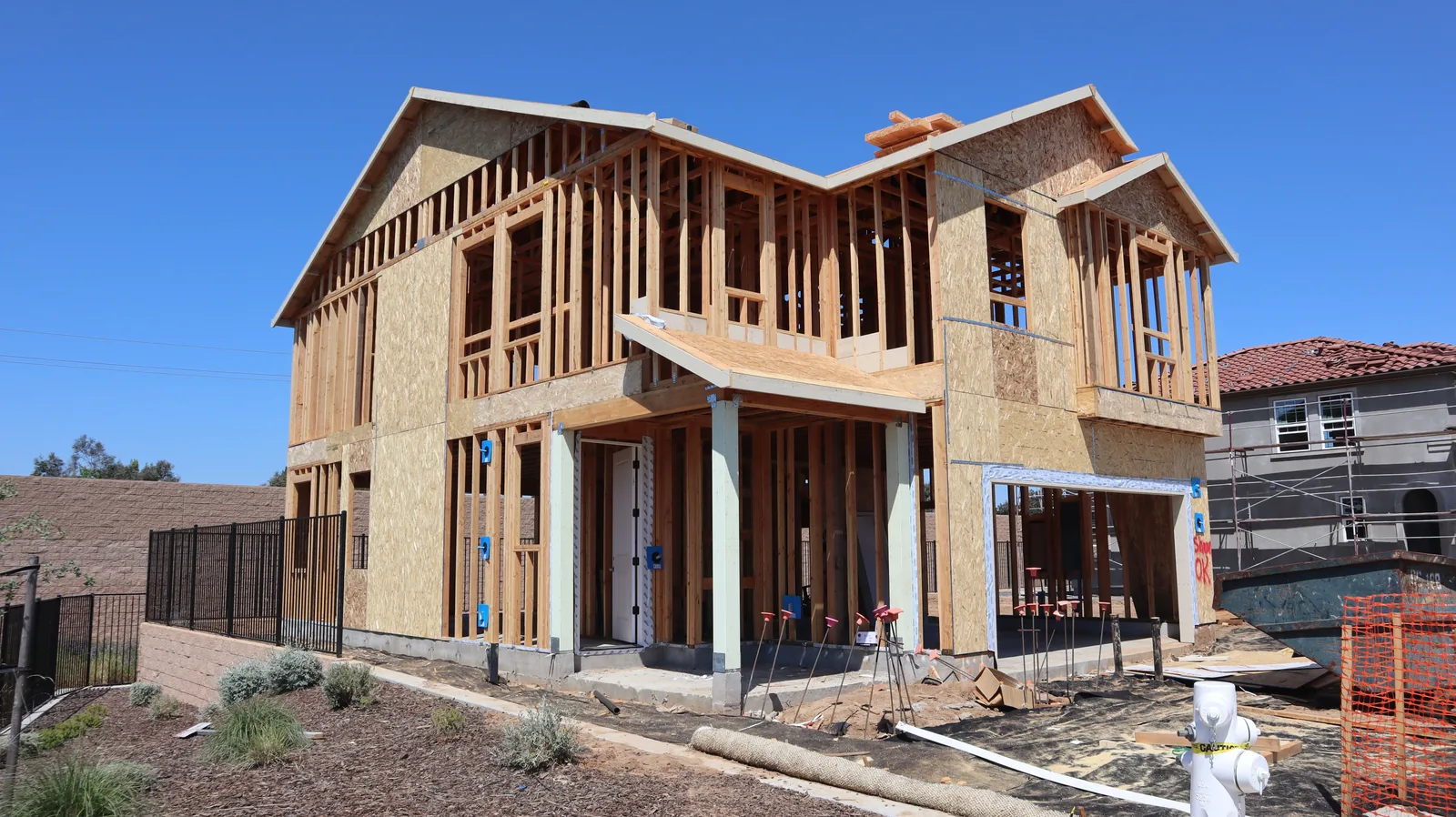
Table of Contents Show
Building your dream home starts with a clear plan that connects budget, land, design, and permits before construction begins. A successful build depends on setting priorities early, working with licensed professionals, and understanding local codes. Careful sequencing of each phase keeps costs predictable and turns your vision into a livable result.
Most people picture the finished house first: the open kitchen, the light-filled living room, the garden out back. The reality of getting there runs in the opposite order. You work from the ground up, and every decision you make early shapes what becomes possible later. Knowing how to build a house means understanding that sequence and respecting it.
This guide breaks the process into the phases that matter, from the first budget spreadsheet to the day you get your keys. Along the way you will find practical checkpoints, common pitfalls, and the professionals worth calling before you commit money.
How to Build a House: The Core Phases
Every custom build moves through five main stages. Skipping ahead, or blurring the line between them, is where budgets slip and timelines stretch. The table below maps what happens in each phase and a practical tip to keep it on track.
The Five Phases at a Glance
| Phase | What Happens | Practical Tip |
|---|---|---|
| Budget | Set total spend, financing, and a contingency reserve | Hold back 10-15% for surprises found during construction |
| Land | Buy and assess the lot, soil, access, and zoning | Order a soil and survey report before you close |
| Design | Architect develops plans, layout, and material choices | Lock the floor plan before drawing construction documents |
| Permits | Submit plans to the local authority for code review | Confirm setback and height limits before final drawings |
| Construction | Foundation, framing, systems, and interior finishing | Schedule inspections at each stage, not all at the end |
Setting a Realistic Budget
Your budget is the frame that holds every other decision. Before you fall for a floor plan, work out what you can actually spend, including land, design fees, construction, permits, landscaping, and the reserve you keep for the things nobody predicts. A common rule among builders is to expect the finished cost to land above your first estimate, so plan for that from day one.
Financing shapes the timeline too. A construction loan releases money in stages tied to completed work, which means your draw schedule and the builder’s pay schedule need to match. Talk to your lender early so the paperwork does not stall the first pour.
⚠️ Common Mistake to Avoid
Many first-time builders spend their entire budget on the structure and leave nothing for landscaping, window coverings, or a driveway. These finishing costs are real and often add up to a meaningful share of the total. Build them into the number from the start rather than treating them as extras.
Choosing and Assessing Your Land
A great design on a difficult lot becomes an expensive design. Soil that needs deep footings, a steep slope that demands retaining walls, or a parcel with no easy utility connection can add tens of thousands to a build before the walls go up. Assess the land as carefully as you assess the house.
Check zoning and any deed restrictions before you buy. Setbacks, height caps, and lot coverage rules decide how big your footprint can be and where it can sit. If you are drawn to a particular neighborhood, browsing built projects on ArchDaily can help you picture what works on similar sites and climates.
💡 Pro Tip
Walk the lot at different times of day before you commit. Morning and late-afternoon sun tell you where to place living spaces and glazing, and standing water after rain reveals drainage problems that a dry-day visit will hide. This single habit saves costly design changes later.
Designing a Home That Fits Your Life
Good design is not about square footage, it is about how the rooms work for the way you live. Start with a list of how you actually spend your days, then let the plan answer those needs. Orientation, natural light, and airflow do more for daily comfort than any single feature you can name.
This is the stage to bring in a professional. A licensed architect turns your priorities into buildable drawings and coordinates the engineering behind them. You can find credentialed practitioners through the American Institute of Architects, and their input during early planning usually pays for itself in avoided mistakes. Thinking ahead about flexible living spaces also keeps the house useful as your family changes.
Technology belongs in the design conversation too. Planning wiring, network runs, and device locations now is far cheaper than retrofitting later. Our guide to setting up a smart home covers the systems worth roughing in during framing.
Permits, Codes, and Approvals
Before a single footing is poured, your plans have to clear the local building authority. Most jurisdictions in the United States base their rules on the International Residential Code published by the International Code Council, though every city and county adapts it with local amendments. The permit review checks structural safety, energy standards, plumbing, and electrical work.
Permit timelines vary widely. In some areas approval takes a couple of weeks, in others a couple of months. Submit early, respond quickly to reviewer comments, and never start work that requires a permit before you hold it. Doing so can mean fines and, in the worst case, tearing out finished work.
📐 Technical Note
The 2021 International Residential Code sets a minimum ceiling height of 7 feet for habitable rooms and requires egress windows in every sleeping room. Confirm the code edition your jurisdiction has adopted, since local amendments can change these thresholds for your specific project.
Construction and Finishing
Construction follows a fixed order: site preparation, foundation, framing, then the mechanical, electrical, and plumbing systems, followed by insulation, drywall, and finishes. Each stage has an inspection tied to it. Passing those inspections in sequence is what keeps the project legal and keeps your loan draws flowing.
Stay involved without micromanaging. Regular site walks with your builder catch small issues while they are still cheap to fix, and a shared written change-order process prevents disputes over cost and scope. Clear communication here is the difference between a smooth build and a stressful one.
Sustainable Materials and Energy Efficiency

Energy performance is now a core design choice, not an upgrade. Building your dream home to a high efficiency standard lowers running costs for decades and improves day-to-day comfort. Passive strategies come first: orient the house to the sun, size overhangs to shade summer glare, and use insulation and airtight construction to hold stable indoor temperatures.
Material choices matter alongside performance. Engineered wood, recycled steel, bamboo, and reclaimed timber all reduce environmental impact without giving up durability. For appliances and systems, the federal Energy Saver program from the Department of Energy offers practical guidance on cutting home energy use. Pairing efficient systems with good detailing, as covered in our look at energy-efficient building, delivers the biggest long-term savings.
📌 Did You Know?
According to the U.S. Green Building Council, LEED-certified homes use roughly 20 to 30 percent less energy and water than conventional houses. Over the life of the building, that gap turns into substantial savings and a smaller carbon footprint.
Cost figures are approximate and vary by region, material supplier, and project scope. Building codes and regulations vary by jurisdiction, so always confirm requirements with your local authorities and a licensed professional before you build.
Frequently Asked Questions
How much does it cost to build a house?
Costs depend heavily on location, size, and finish level, so there is no single figure that fits every project. The land, design fees, construction, permits, and site work all add up separately. Get itemized quotes from local builders and keep a contingency reserve of 10 to 15 percent for changes discovered during construction.
How long does it take to build a house?
A custom home usually takes 9 to 16 months from breaking ground to move-in, plus the design and permitting time before that. Weather, permit delays, and material availability all affect the schedule. Building in buffer time and confirming your builder’s current workload helps keep expectations realistic.
Do I need an architect to build a house?
For a fully custom home, an architect is worth the investment because they translate your needs into safe, buildable, code-compliant plans. Some regions allow simpler builds to use pre-drawn plans or a design-build contractor instead. Check local requirements, since certain projects legally require a licensed architect or engineer to stamp the drawings.
What comes first when building your dream home?
Budget and land come first, in that order. A realistic budget tells you what scope is possible, and the land you choose shapes what you can design and where it can sit. Only after both are settled does detailed design work make sense.
Where to Go From Here
Your Next Step: Before you talk to a single builder, write a one-page brief that lists your target budget, must-have rooms, and the site you are considering. That single document gives every architect and contractor you meet the same starting point and makes their early estimates far more accurate.






Futuro House Production Revived in Finland After Decades-Long Hiatus
A Facebook listing for abandoned moulds led to the first new Futuro...
 illustrarch Editoral Team3 Mins read
Electrical planning as part of better home design
Table of Contents Show Good rooms need electrical thinking from the sketch...
illustrarch Editoral Team4 Mins read

Why Open Floor Plans Still Have Hot and Cold Spots
You knock down the partition walls, open up sightlines from the kitchen...
illustrarch Editoral Team4 Mins read

Building Your Dream Home in NSW: What You Should Know About Montgomery Homes
Montgomery Homes has been building across Sydney, Newcastle, the Hunter, Wollongong and...
illustrarch Editoral Team4 Mins read


Leave a comment