In 2026, bold expression and maximalism extend beyond graphic design into architecture, interiors, and spatial design, signaling a broader cultural move away from restraint toward presence and intensity. In visual communication, typography becomes architectural in character—large, dominant, and spatially assertive—often shaping the composition rather than supporting it. Similarly, in architectural and interior design, forms, colors, and materials are used with greater confidence, creating environments that command attention and invite emotional engagement. This shift responds to years of muted minimalism by reintroducing identity, character, and narrative into designed spaces and visuals alike. Maximalism in 2026 is not about excess without purpose, but about deliberate layering, strong contrasts, and expressive scale. Whether through oversized lettering, monumental forms, bold material palettes, or visually rich compositions, design embraces complexity as a tool for storytelling, cultural expression, and spatial impact.


2026 Design Trends: From Imperfection to Emotional Expression
Design trends in 2026 reflect a clear shift toward authenticity, emotion, and human presence in visual culture. From imperfect aesthetics and tactile experiences to AI-assisted creativity and storytelling-driven design, this year’s trends redefine how designers connect with audiences. Rather than chasing perfection, contemporary design prioritizes meaning, sensitivity, and cultural relevance.
 Elif Ayse Sen6 January 20264 Mins read348

Table of Contents Show
Design in 2026 marks a shift away from rigid perfection toward more expressive, human-centered creativity. As technology becomes more embedded in creative processes, designers are re-prioritizing authenticity, emotion, and cultural meaning. From imperfect visuals and tactile qualities to AI-assisted workflows and narrative-driven aesthetics, design today reflects a desire for deeper connection rather than surface polish. These trends reveal how visual culture is evolving to feel more personal, thoughtful, and responsive to human experience.
Human-Centric & Imperfect Design
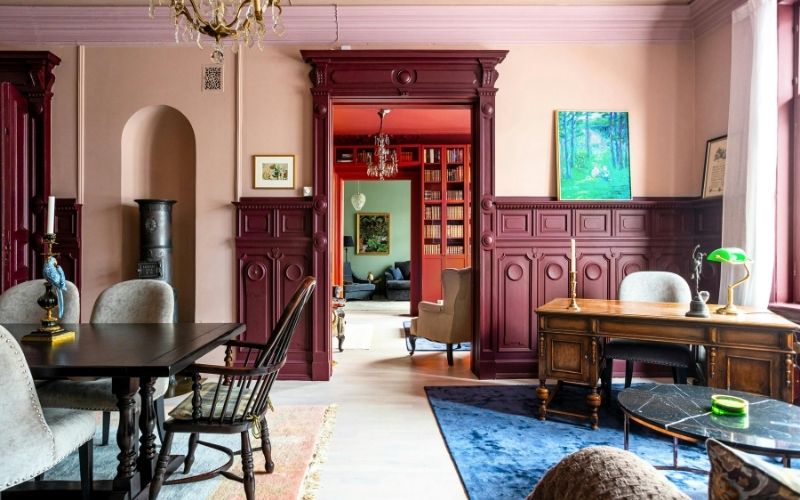
In 2026, design moves decisively away from sterile perfection toward a more human, emotionally resonant language. Imperfection is no longer seen as a flaw but as a signal of authenticity and presence. Hand-drawn lines, irregular compositions, visible brush strokes, and uneven typography introduce a sense of personality that algorithmically optimized visuals often lack. This trend reflects a cultural fatigue with overly polished digital environments and a growing desire for work that feels lived-in, personal, and sincere. Designers are intentionally leaving traces of process in their work, allowing mistakes, asymmetry, and softness to communicate empathy. In a world saturated with automated outputs, human imperfection becomes a form of value—an aesthetic that reassures users that someone thoughtful and intentional is behind the design.
AI + Human Collaboration
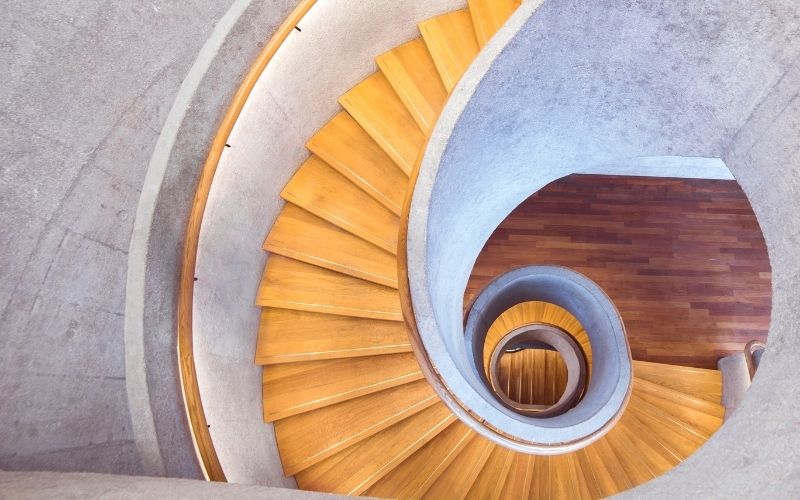
Artificial intelligence in 2026 is deeply embedded in design workflows, but its role has matured beyond novelty or efficiency alone. Rather than generating final outcomes, AI increasingly functions as a collaborator—assisting with ideation, pattern recognition, iteration, and optimization. Designers use AI to explore multiple directions quickly, test visual variations, and uncover unexpected combinations, while maintaining authorship over narrative, ethics, and emotional tone. This balance reflects a broader shift in design culture: creativity is no longer defined by production speed, but by judgment, curation, and conceptual clarity. The most compelling work of 2026 reveals an awareness of AI’s capabilities without surrendering to them, demonstrating that human sensibility remains essential in shaping meaning, context, and intention.

Bold Expression & Maximalism

Tactile, Textured, and Sensory Experiences
As digital environments grow more immersive, design in 2026 increasingly seeks to simulate physical sensation. Grain, noise, fabric-like textures, paper imperfections, and material depth are reintroduced to counteract the flatness of screens. These tactile qualities create a sense of intimacy and closeness, making visuals feel touchable rather than distant. This trend reflects a deeper cultural longing for material experience in an increasingly virtual world. Designers are not merely decorating surfaces but constructing sensory atmospheres that engage memory and emotion. Whether through subtle shadows, layered materials, or three-dimensional effects, texture becomes a narrative device—suggesting weight, time, and presence within digital and physical contexts alike.
Retro-Futurism & Nostalgia
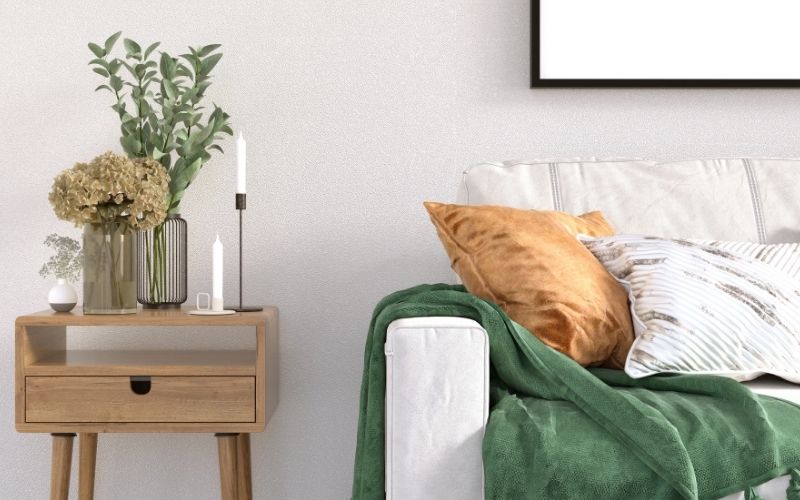
Design in 2026 looks backward and forward simultaneously, blending nostalgic references with speculative aesthetics. Retro-futurism resurfaces through familiar visual languages—analog interfaces, early digital graphics, metallic finishes, and sci-fi symbolism—reimagined through contemporary tools and cultural awareness. This trend is not about imitation, but reinterpretation: designers extract emotional cues from the past while addressing present-day concerns such as technology, identity, and uncertainty. Nostalgia provides comfort and recognition, while futurism introduces curiosity and optimism. Together, they create a visual tension that feels both reassuring and exploratory, offering audiences a sense of continuity in a rapidly changing world.
Organic & Imperfect Layouts
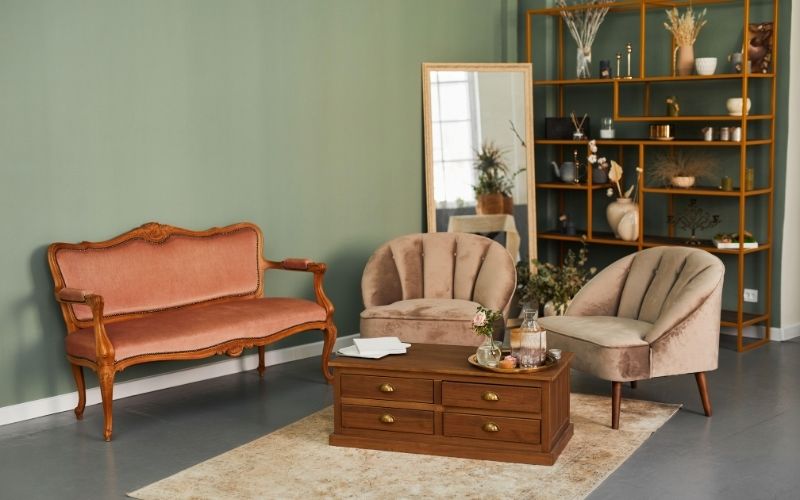
Rigid grids and predictable alignment systems give way in 2026 to more fluid, organic compositions. Designers are embracing asymmetry, irregular spacing, and non-linear structures that mirror natural movement rather than mechanical order. This shift reflects a broader cultural desire for flexibility and adaptability, rejecting the idea that clarity must always come from strict control. Organic layouts encourage exploration, allowing viewers to navigate content intuitively rather than hierarchically. While these compositions may appear spontaneous, they are carefully balanced to maintain legibility and coherence. The result is design that feels alive—responsive, dynamic, and more closely aligned with human perception and behavior.

3D and Responsive Motion
Motion and depth play an increasingly central role in 2026, transforming static visuals into spatial experiences. Three-dimensional elements, micro-animations, and responsive motion create interfaces that react to user behavior, fostering engagement through interaction rather than decoration. This trend reflects a growing expectation that design should not only be seen, but experienced. Movement is used strategically—to guide attention, communicate hierarchy, and suggest causality—rather than as a purely aesthetic feature. As technology becomes more capable, designers are challenged to use motion responsibly, ensuring that it enhances clarity and meaning rather than overwhelming the user.

Storytelling & Cultural Context
Narrative becomes a defining force in 2026 design practices, as audiences increasingly seek meaning rather than surface-level aesthetics. Design is no longer about presenting isolated visuals, but about constructing coherent stories that reflect cultural, social, and emotional contexts. Through imagery, typography, color, and composition, designers craft narratives that reveal values, origins, and intentions. This storytelling approach strengthens connection, allowing users to see themselves within the design rather than merely consuming it. In branding, architecture, and digital platforms alike, design becomes a medium for dialogue—inviting interpretation, reflection, and participation.

Rich, Emotional Color Palettes
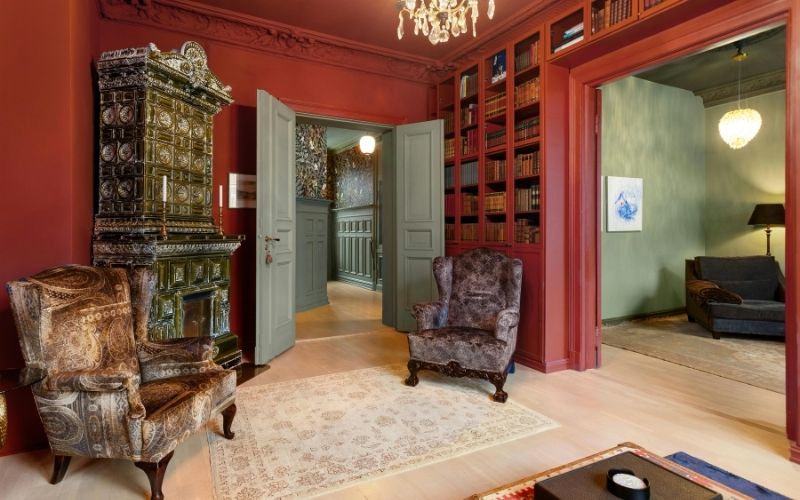
Color in 2026 moves beyond trend-based palettes toward more nuanced, emotionally informed applications. Designers favor layered, atmospheric color systems that shape mood and spatial perception rather than drawing attention to individual accents. Earthy neutrals, softened greens, mineral tones, and muted blues create environments that feel grounded and immersive. These palettes respond to a collective desire for calm, balance, and emotional clarity amid global uncertainty. Color becomes experiential rather than decorative, reinforcing narrative depth and supporting long-term engagement rather than momentary impact.
Blend of Digital + Physical Craft
One of the most defining trends of 2026 is the deliberate blending of digital tools with physical, handcrafted aesthetics. Designers incorporate collage, manual textures, analog marks, and imperfect edges into highly controlled digital compositions. This fusion resists the uniformity of purely algorithmic outputs and reasserts the value of craftsmanship. The result is work that feels both precise and personal—technologically advanced yet emotionally grounded. By bridging digital efficiency with physical intuition, designers reclaim authorship and reaffirm the role of human agency in an increasingly automated creative landscape.




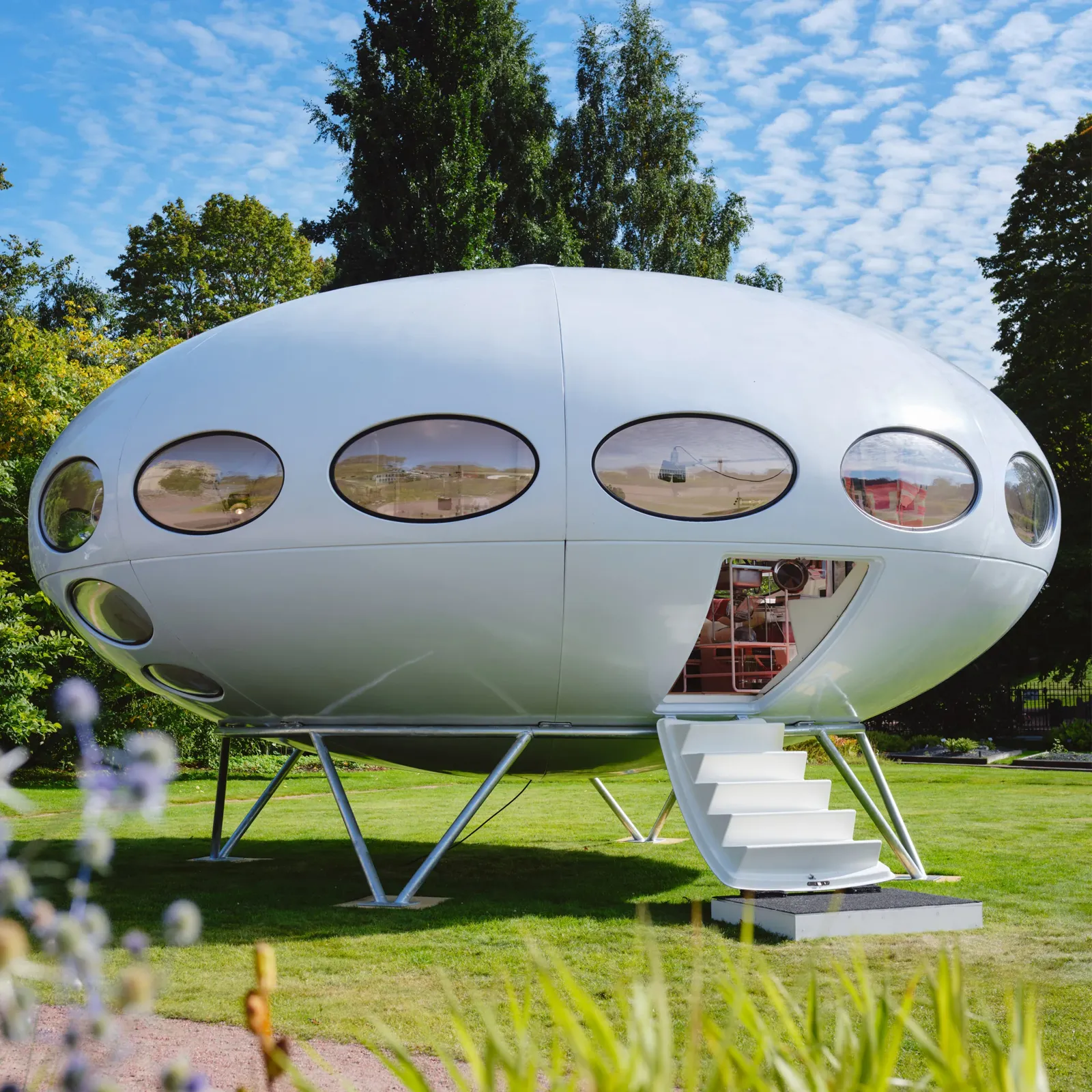
Futuro House Production Revived in Finland After Decades-Long Hiatus
A Facebook listing for abandoned moulds led to the first new Futuro...
 illustrarch Editoral Team3 Mins read
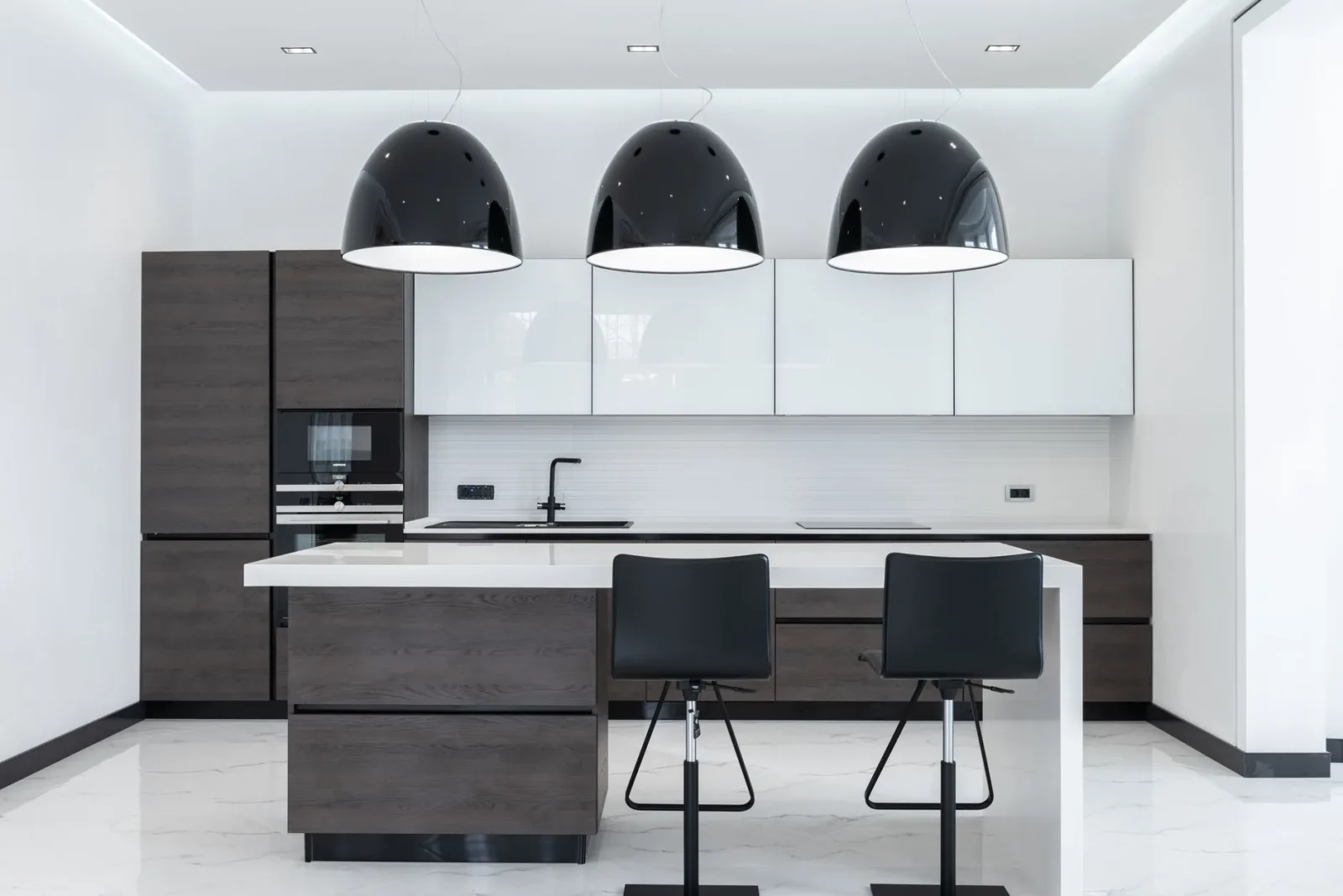
Electrical planning as part of better home design
Table of Contents Show Good rooms need electrical thinking from the sketch...
illustrarch Editoral Team4 Mins read

Why Open Floor Plans Still Have Hot and Cold Spots
You knock down the partition walls, open up sightlines from the kitchen...
illustrarch Editoral Team4 Mins read
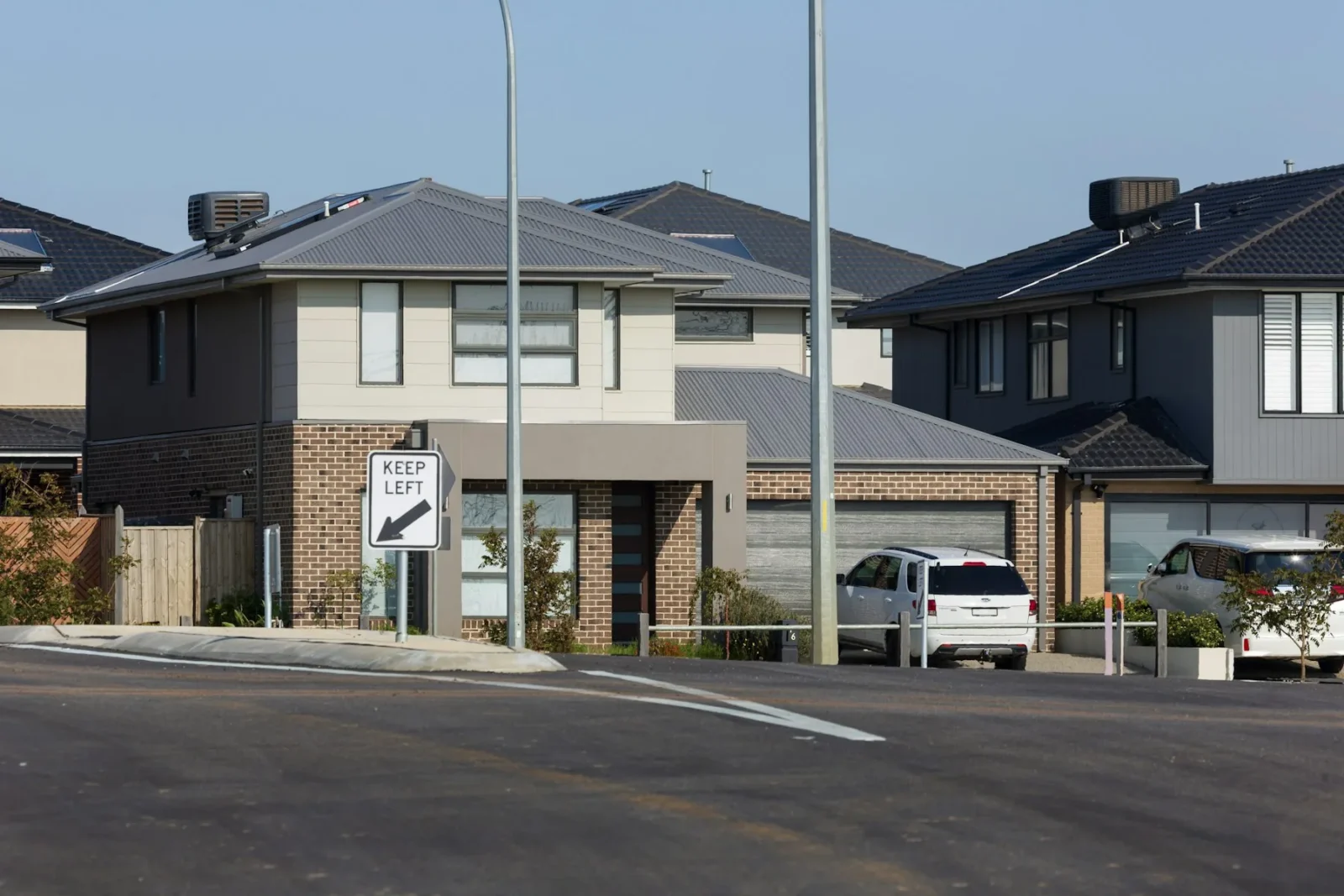
Building Your Dream Home in NSW: What You Should Know About Montgomery Homes
Montgomery Homes has been building across Sydney, Newcastle, the Hunter, Wollongong and...
illustrarch Editoral Team4 Mins read


Leave a comment