

Workplace Safety Tips for Your Employees
Implementing clear safety protocols, investing in health and safety certification, and providing ongoing training are essential for creating a safer workplace environment.
 illustrarch Editoral Team12 April 20263 Mins read113

Table of Contents Show
In any workplace, safety should always come first. No matter the industry, employees need to work in an environment where they do not have to worry about accidents or injuries. A safe workplace helps employees do their jobs better and increases their morale, as they feel valued and protected.
Every employee has the right to feel safe at work. Ensuring safety includes both the physical space and the company culture. Whether you run a small team or a large corporation, effective safety measures can make a big difference. Let’s look at how you can create a safer workplace for your employees.
Clear Safety Protocols
Having clear safety protocols is crucial for any organization. These guidelines should explain what to do in different situations, including emergencies, equipment use, and everyday tasks. Employees need to know how to respond in the event of an emergency, and a clear plan can help save lives.
It is just as important to update these protocols regularly. When new equipment is added or the work environment changes, the protocols should be updated too. Make these safety guidelines easy to access, so that employees can check them anytime. Everyone should follow these protocols consistently; consider holding brief meetings to review them and ensure everyone understands their duties.
Health and Safety Certification
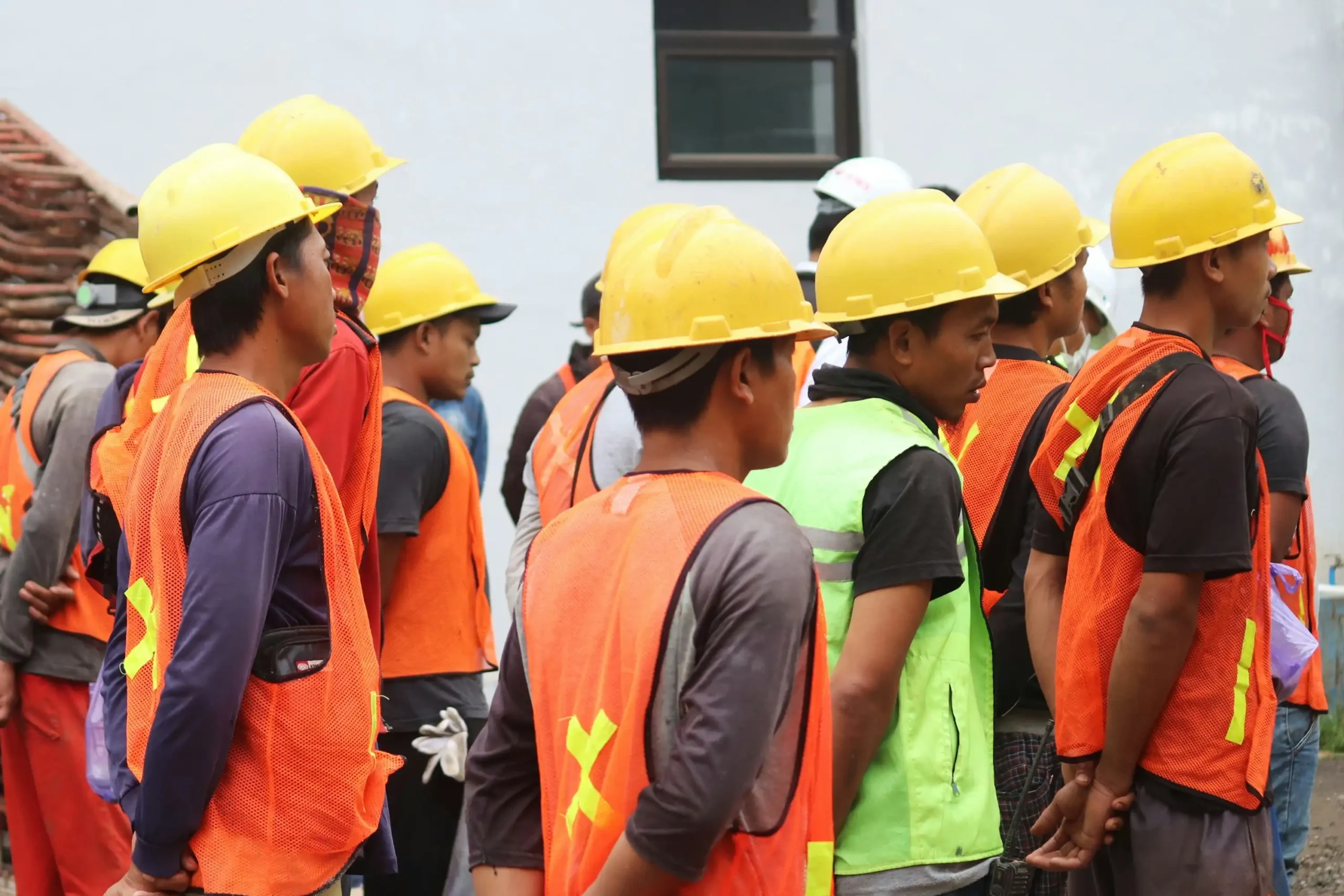
Investing in health and safety certification can greatly improve workplace safety. Certification programs equip employees with the knowledge and skills to identify risks, follow safety procedures, and maintain a safe environment. These programs cover topics such as emergency response, communicating hazards, and using equipment safely.
Having certified staff can make the workplace feel safer and more professional. Employees are more at ease knowing their coworkers have the right training to manage potential risks. This proactive approach reduces accidents and builds a safety culture that is important for any successful organization.
Safety Training
Ongoing safety training is vital for keeping safety procedures fresh in employees’ minds. Training should not be a one-time event. Instead, provide regular sessions to keep employees up to date on best practices and changes to safety protocols. An engaging training environment helps employees absorb and remember this important information.
Using interactive methods, such as role-playing or hands-on demonstrations, can enhance the learning experience. Employees should feel free to ask questions and discuss safety concerns. Make safety training part of the company culture and encourage employees to consider how they can help create a safer workplace.
Using Equipment Safely
Employees need to know how to use tools and equipment safely to keep the workplace safe. Each piece of equipment should have clear instructions for operation, and employees must be trained to follow them carefully.
Regular maintenance of tools is also vital. Faulty or poorly maintained equipment can cause accidents or injuries. Set up a system for regular checks and encourage employees to report any problems immediately. This proactive approach shows that everyone shares responsibility for safety.
Encouraging Open Communication
Employees should feel comfortable reporting safety concerns at work. Build a culture where workers can point out hazards or suggest improvements without worrying about consequences. This open communication leads to better solutions and a sense of accountability for safety.
Consider forming safety committees or holding regular safety meetings to discuss workplace conditions. Involving employees in these talks can help gather useful insights and promote teamwork around safety.
Workplace Ergonomics
Ergonomics is another key part of workplace safety. A well-designed workstation can lower the risk of injuries related to posture and movement. Encourage employees to adjust their chairs, desks, and computer equipment for their comfort.
Conduct ergonomic assessments to identify potential risks and implement necessary changes. Training employees on good posture and movement can further reduce strain and improve well-being. Comfortable employees are more likely to be productive and engaged.
Preventing Fatigue and Stress
Workplace safety involves both mental and physical safety. It’s important to address employee fatigue and stress to maintain a safe work environment. Encourage regular breaks, promote a work-life balance, and provide resources for stress management.
By focusing on mental wellness, you help create a more engaged workforce. Happy employees are more productive and attentive to their surroundings, which contributes to a safer workplace. Workplace safety is a continuous journey, not a final goal. By putting these practices into action, you can help create a safer and healthier workplace for everyone. Taking these steps today will make tomorrow more secure for your employees.








Futuro House Production Revived in Finland After Decades-Long Hiatus
A Facebook listing for abandoned moulds led to the first new Futuro...
illustrarch Editoral Team3 Mins read

Building Your Dream Home in NSW: What You Should Know About Montgomery Homes
Montgomery Homes has been building across Sydney, Newcastle, the Hunter, Wollongong and...
illustrarch Editoral Team4 Mins read

Designing a Home Theater: Where Drapery Fits Into the Plan
In a media room the curtains are a performance layer, not decoration....
illustrarch Editoral Team3 Mins read

Oscar Niemeyer’s Cathedral of Brasília: The Hyperboloid Concrete Hymn
The Cathedral of Brasília reads as a single gesture, yet it stood...
 Furkan Sen7 Mins read


Leave a comment