

5 Red Flags NSW Households Miss When Switching Energy Providers
Switching energy providers can save NSW households money, but conditional discounts, the comparison energy price, embedded networks, transfer dates and dual fuel bundles can quietly cancel the savings.
 illustrarch Editoral Team14 October 20263 Mins read4

Table of Contents Show
Switching energy providers is meant to save NSW households money, but the process can hide a few traps that catch even careful shoppers. Every 1 July, the Australian Energy Regulator resets the Default Market Offer (DMO), the benchmark price that all NSW electricity retailers must compare their plans against. That reset is typically the best time to review your bill, but only if you know what to look for.
Before comparing plans, it helps to understand how the market works. NSW is a deregulated energy state, meaning multiple electricity and gas providers compete for your business, and prices, discounts, and contract terms vary widely between them. That competition is good for consumers, but the fine print often carries more weight than the headline offer.
1. Conditional Discounts Inflating the “Savings”
Retailers often advertise a large percentage discount off the DMO, but many are conditional, meaning the full saving only applies if specific terms are met. Pay-on-time and direct debit discounts are the most common examples, and a late or failed payment can cancel the discount for that billing cycle entirely.

- Ask whether the quoted discount is guaranteed or conditional.
- Check how often you need to meet the condition to keep it active.
2. Not Checking the Plan Against the Comparison Price
Every NSW electricity retailer must show how a market offer compares to the comparison energy price as a percentage above or below it. A plan that looks cheap initially can still sit above the benchmark once conditional discounts are stripped out.
Households who switch based solely on a discount headline, without checking the comparison energy price figure on the Energy Price Fact Sheet, often end up on a plan that is not meaningfully better than what they already had. A higher percentage below the comparison energy price generally signals a better deal.
3. Assuming a Switch Is Possible in an Embedded Network
Apartment blocks, retirement villages, and caravan parks are sometimes part of an embedded network, where the building buys electricity in bulk and on-sells it to residents. Households in these buildings usually cannot switch to an open-market retailer, no matter how attractive a deal looks online.
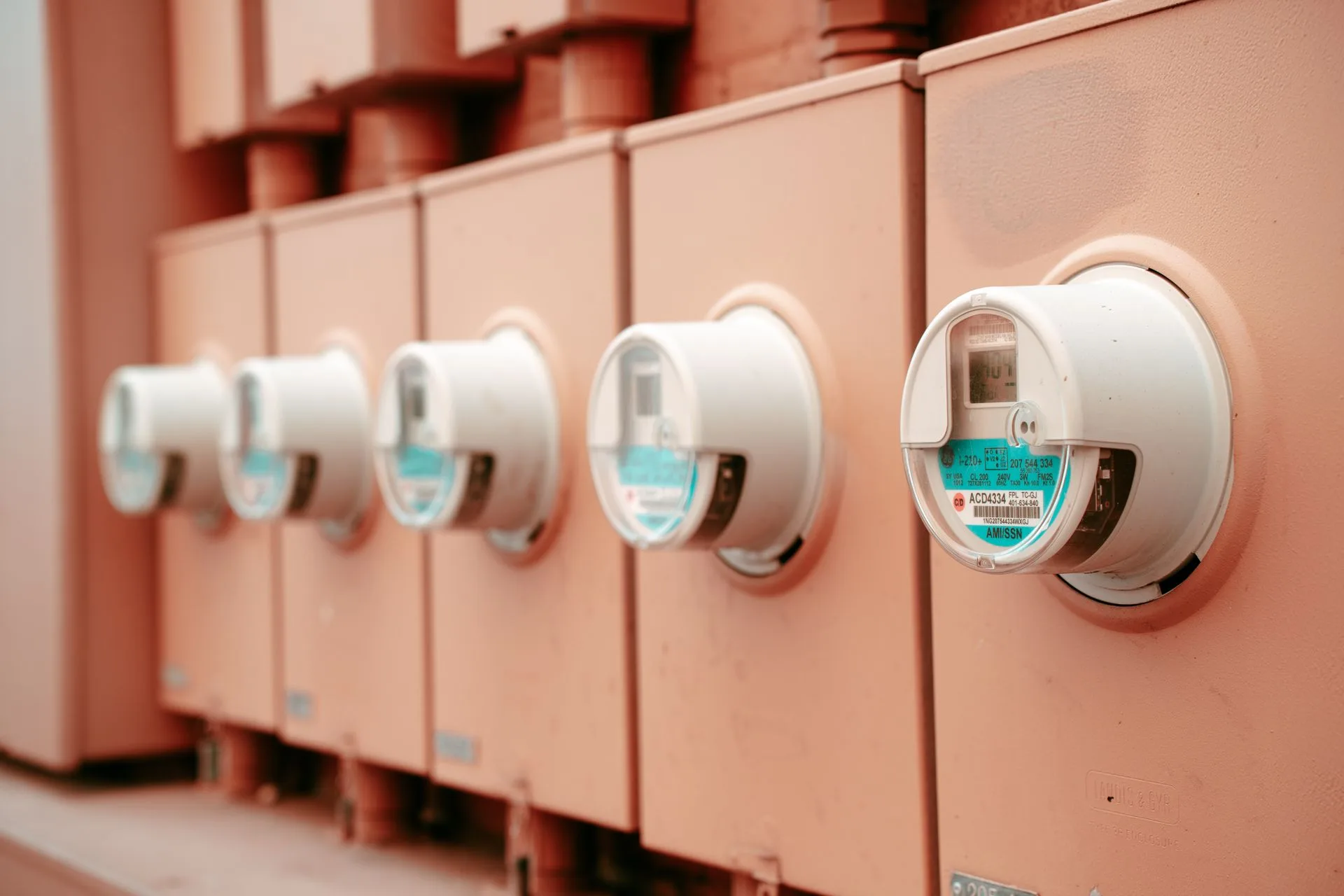
They remain entitled to NSW energy rebates, but often at the on-seller’s rates rather than a standard retail price. Checking the bill for an on-seller’s name rather than a recognised retailer, or asking the building manager directly, can help avoid wasting time comparing plans that were never available in the first place.
4. Cooling-off and Transfer Date Confusion
NSW households get a 10-business-day cooling-off period after signing a new energy contract, during which they can cancel without penalty. The complication is around transfer dates, since a delayed or backdated switch can create issues that feel more like a billing dispute than a simple change of provider.
- A delayed or backdated transfer can mean billing overlap between two retailers.
- It can also shift the start date of a fixed-term benefit, reducing its value.
- Confirm the exact transfer date in writing and keep the final bill from the old retailer until it fully reconciles.
5. Bundling Discounts That Aren’t Actually Cheaper
Dual-fuel discounts, offered when electricity and gas are purchased from the same retailer, simplify billing but don’t guarantee the lowest combined price. A dual-fuel discount is still a conditional discount, and in some cases, splitting electricity and gas between two different retailers works out to be cheaper overall.
It is also worth checking what happens once a plan’s benefit period ends, since most market offers are variable-rate and may increase after the discount period expires, often without a new notification that prompts another comparison.
Quick Recap
| Red flag | What to check |
|---|---|
| Conditional discounts | Is the discount guaranteed or tied to a condition? |
| Ignoring the comparison energy price benchmark | Does the plan’s % above/below comparison energy price appear on the fact sheet? |
| Embedded networks | Does the bill show an on-seller’s name instead of a retailer? |
| Cooling-off confusion | Is the transfer date confirmed in writing? |
| Bundling discounts | Is dual fuel actually cheaper than splitting providers? |
Making The Switch Work In Your Favour
None of these red flags means switching isn’t worth it. Most NSW households save money by moving off an old plan, especially one that has quietly rolled past its benefit period. The key is to read the Energy Price Fact Sheet in full, compare the actual comparison energy price percentage rather than the advertised discount, and confirm upfront whether a household is even eligible to switch. A few minutes spent checking these details before signing can protect against the confusion that catches even experienced bill-payers.
Speak with our team at Connect With Us if you need help to compare energy plans in NSW.








Designing an Off-Grid Cabin: How to Plan for Solar Power From the First Sketch
Solar works best when it shapes an off-grid cabin from the first...
illustrarch Editoral Team4 Mins read

Passive House vs LEED Certification: Which Green Standard Should You Pursue?
Passive House focuses on strict energy performance and airtightness, while LEED scores...
 Sinan Ozen8 Mins read

The Honest Guide to Powering and Furnishing a Home Far From the Grid
A functional off-grid home requires reliable power generation, storage, water supply, and...
 Furkan Sen6 Mins read

Solar Generators and Off-Grid Inverters in Resilient Architecture
Solar generators and off-grid inverters are essential components in resilient architecture, influencing...
 Bahattin Duran4 Mins read


Leave a comment