

Modern American Homes: Interior Design Trends to Watch in 2026
Interior design in the United States is evolving toward warmer, more adaptable, and emotionally grounded spaces in 2026. From the rise of warm minimalism and biophilic interiors to curved architectural forms, moody neutral palettes, sustainable luxury, and flexible layouts for hybrid living, modern American homes are redefining comfort and purpose.
 Elif Ayse Sen24 December 20254 Mins read295

Table of Contents Show
Interior design in the United States is entering a new phase in 2026, one defined not by excess or rigid rules, but by comfort, adaptability, and emotional connection. After years of sharp minimalism, fast trends, and visually aggressive interiors, modern homes are shifting toward spaces that feel calmer, warmer, and more human. This evolution reflects broader cultural changes, including a stronger focus on well-being, sustainability, and flexible living. Rather than following a single dominant style, today’s interiors balance aesthetics with purpose, blending natural materials, thoughtful color palettes, and adaptable layouts. The hottest interior design trends of 2026 reveal how American homes are becoming more responsive to real life, supporting work, rest, creativity, and personal expression within the same spaces.
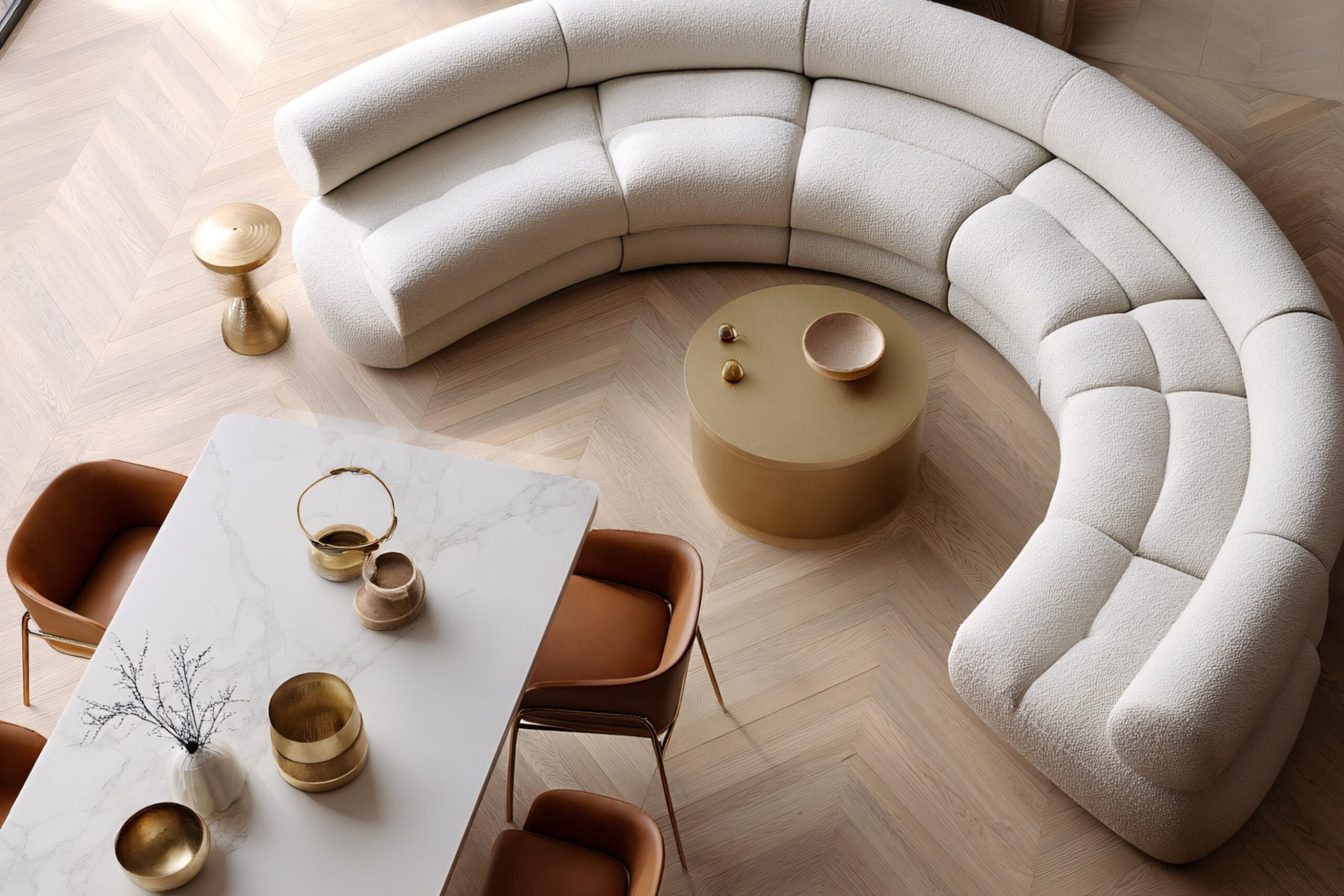
Warm Minimalism Replacing Cold Modernism
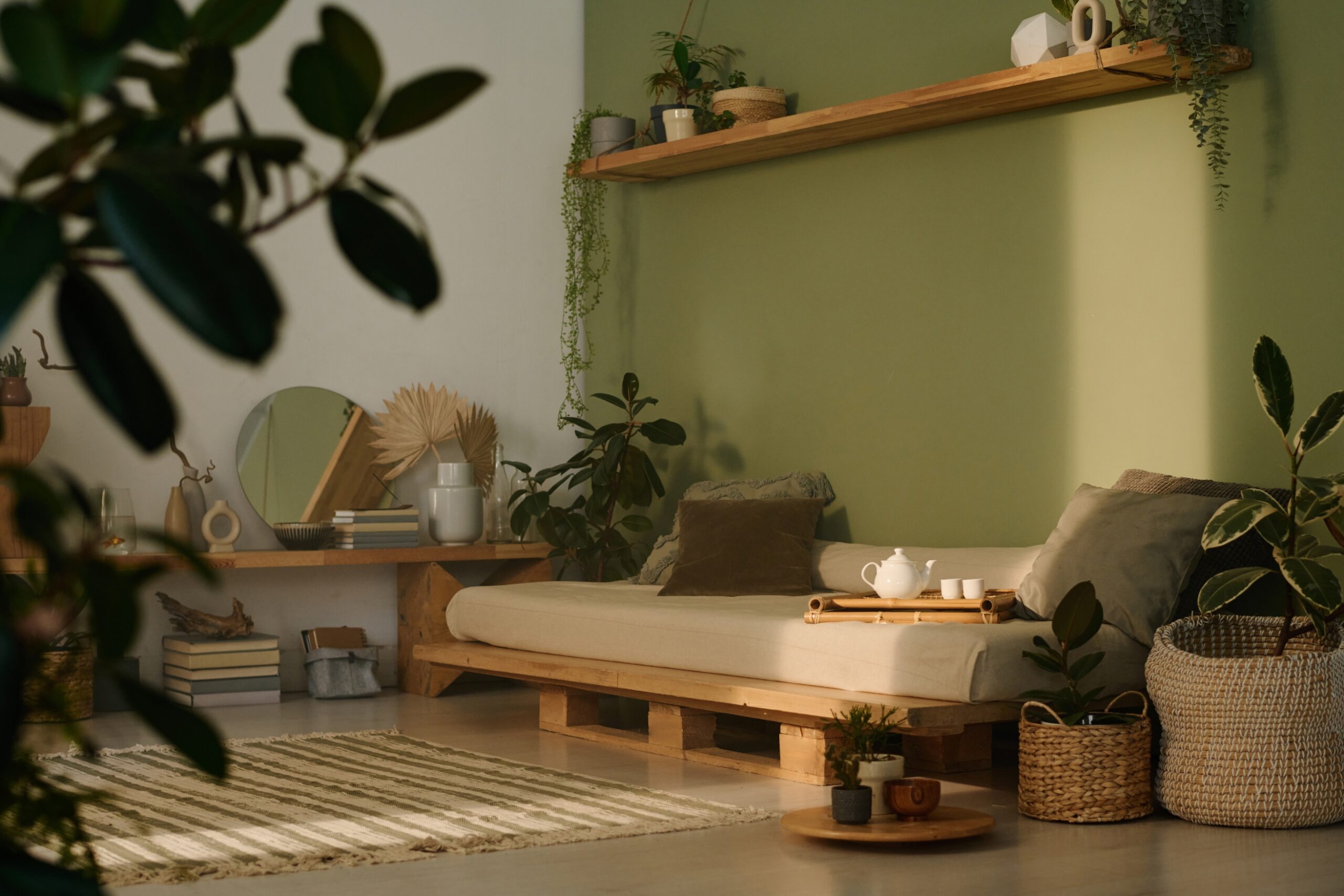
In 2026, American interiors are moving away from the sharp, ultra-cold minimalism of the past decade and embracing a warmer, more human version of simplicity. Warm minimalism focuses on calm spaces that feel lived-in rather than showroom-perfect. Neutral palettes are softened with creamy whites, sand tones, warm taupes, and muted clay colors. Clean lines still dominate, but they are balanced with tactile materials such as linen upholstery, oak flooring, limewashed walls, and handmade ceramics. This trend reflects a desire for emotional comfort and mental clarity, especially in urban homes where interiors act as a retreat from fast-paced city life. Instead of visual emptiness, warm minimalism prioritizes intention, where every object has a purpose, a story, or a sensory value.

Nature-Driven Interiors and Biophilic Living
Biophilic design continues to evolve in 2026, becoming less decorative and more architectural in American homes. Rather than simply adding plants, designers are integrating nature into the spatial experience through daylight-focused layouts, organic materials, and visual connections to the outdoors. Large windows, sliding glass walls, skylights, and indoor courtyards are becoming defining features of modern homes.

Materials like stone, terracotta, wood, and natural plaster are used in their raw or lightly finished states to emphasize authenticity. This trend is closely linked to wellness, as homeowners seek interiors that reduce stress, improve air quality, and support a healthier daily rhythm. In suburban and coastal regions of the USA, biophilic interiors also reflect climate awareness and a deeper respect for local landscapes.
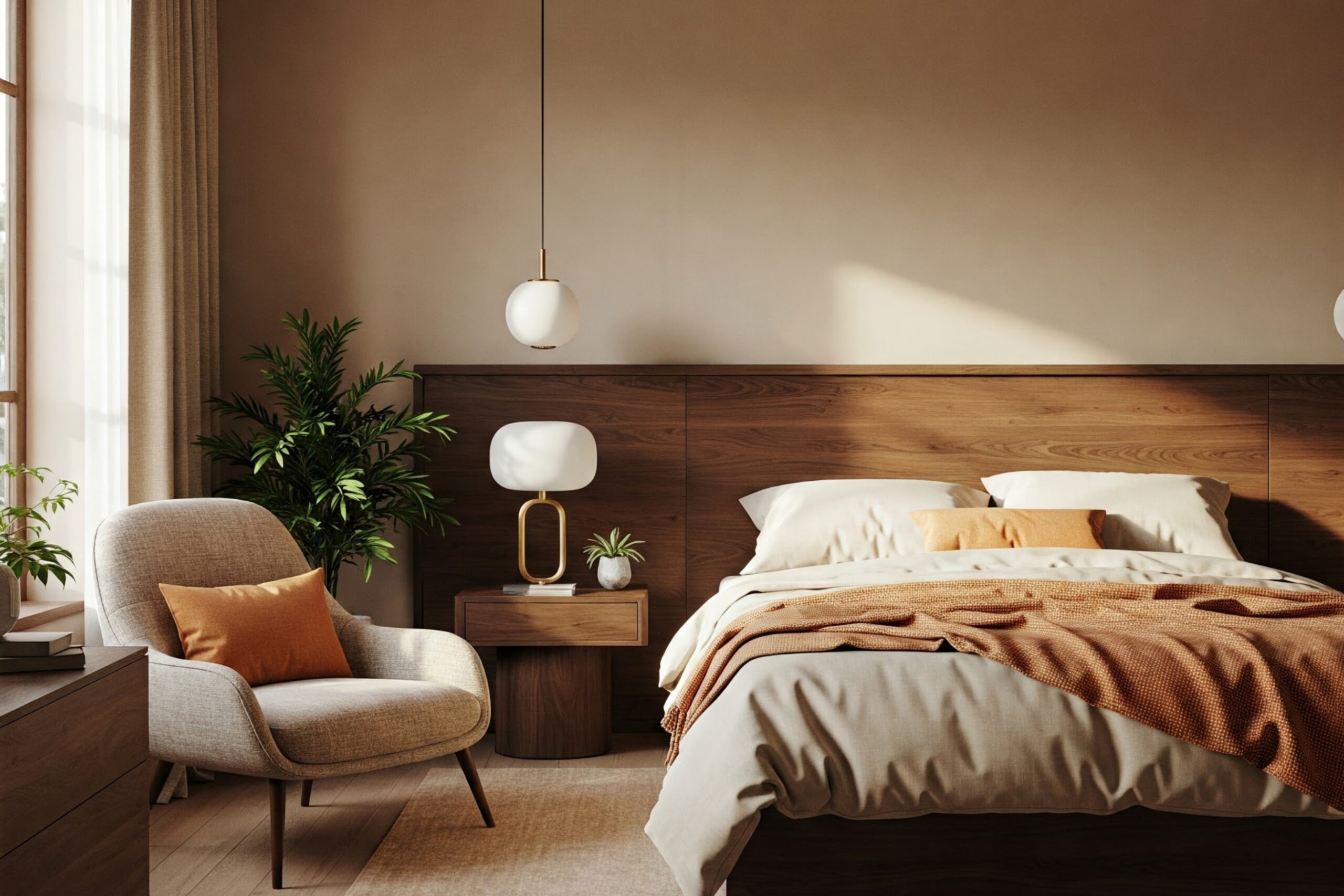
Curved Forms and Soft Architectural Geometry
Sharp corners are slowly disappearing from American interiors in 2026, replaced by curves that introduce movement, softness, and emotional warmth. Rounded sofas, curved kitchen islands, arched doorways, and sculptural furniture pieces create spaces that feel more fluid and welcoming. This shift reflects a broader cultural move toward comfort and inclusivity, where interiors are designed to feel safe and approachable rather than rigid and formal. Curved geometry also improves spatial flow, especially in open-plan homes, guiding movement naturally from one area to another. In modern homes, curves are no longer accents but structural design decisions that define walls, ceilings, built-ins, and custom furniture.
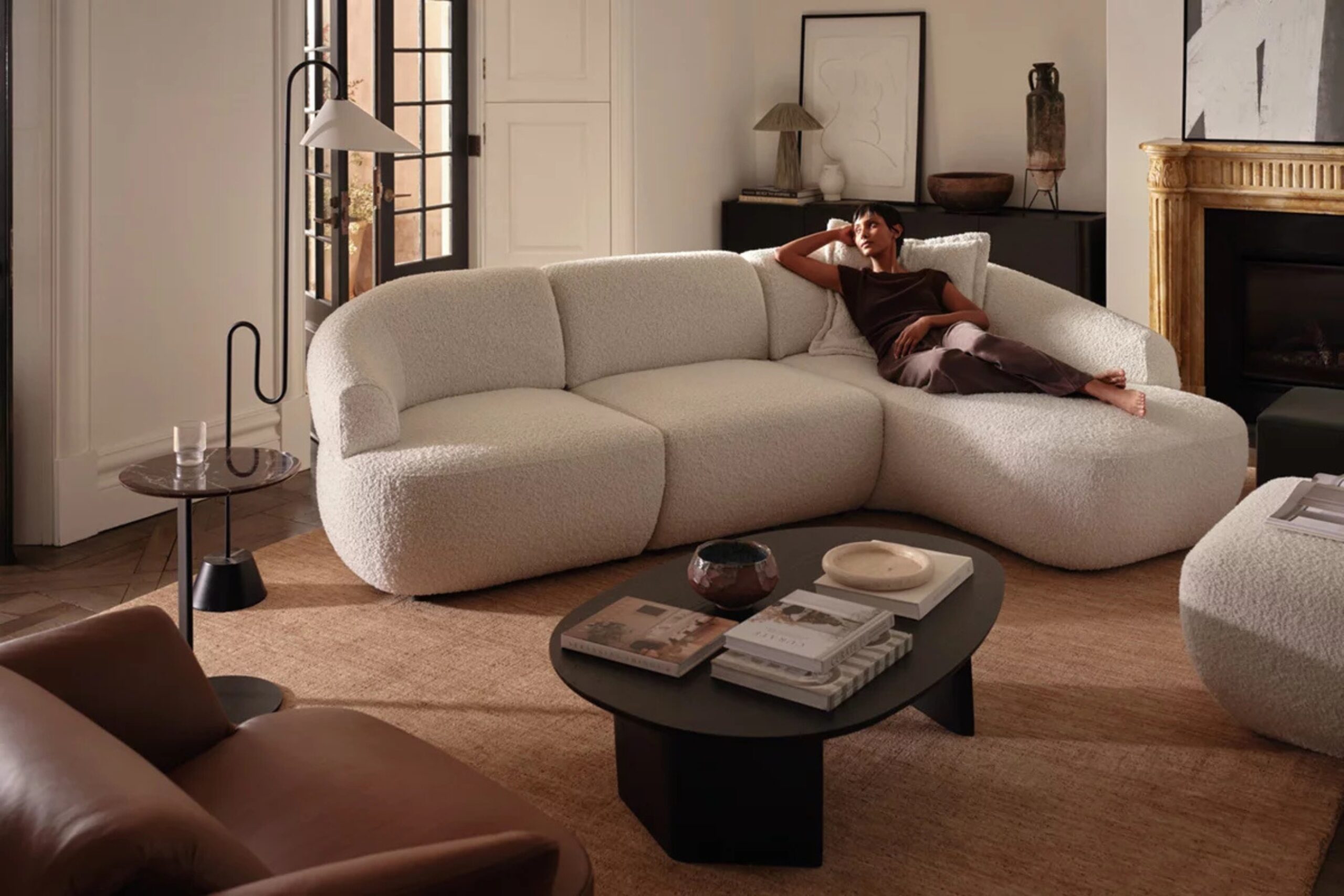
Moody Neutrals and Earth-Based Color Palettes
While bright whites once dominated American interiors, 2026 welcomes deeper, more grounded neutral tones that add character and depth. Colors such as olive green, charcoal, warm gray, muted navy, and rich brown are used to create intimate and emotionally engaging spaces. These moody neutrals work especially well in living rooms, bedrooms, and home libraries, where atmosphere is more important than brightness. Rather than feeling heavy, these palettes are carefully balanced with natural light, matte finishes, and layered textures. This trend reflects a growing confidence in color use, as homeowners move beyond safe choices and embrace interiors that express personality and mood.
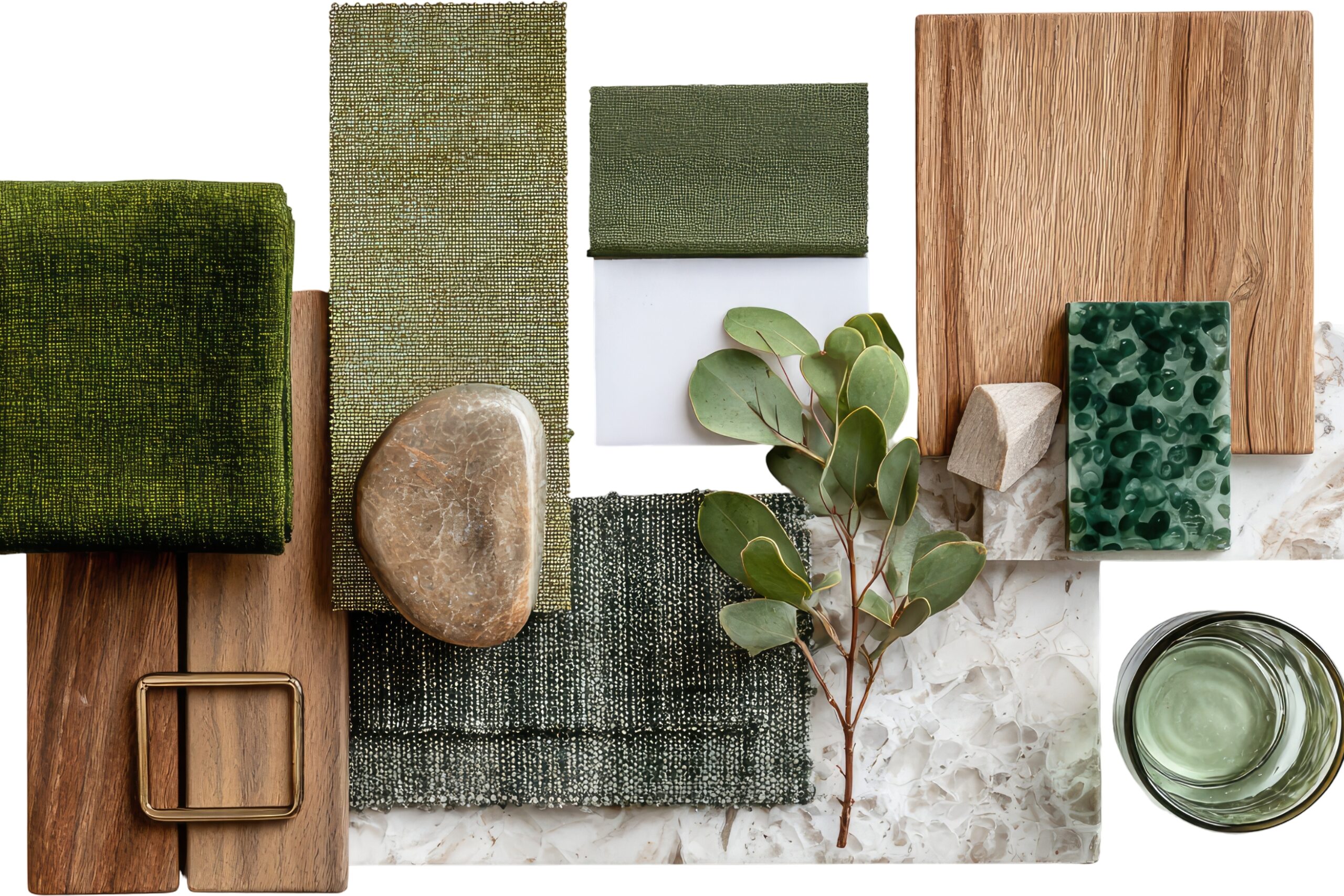
Sustainable Luxury and Conscious Material Choices
Sustainability in 2026 is no longer an aesthetic trend but an expectation in American interior design. However, it is now paired with a sense of understated luxury rather than compromise. Recycled wood, low-VOC paints, reclaimed stone, and eco-certified fabrics are used in refined ways that feel premium and timeless. Custom furniture made by local artisans, vintage pieces, and long-lasting materials are favored over mass-produced décor. This trend emphasizes durability, ethical sourcing, and reduced environmental impact, aligning interior design with broader climate awareness. Luxury is redefined as quality, longevity, and responsibility rather than excess.
Flexible Spaces for Hybrid Living
As remote and hybrid lifestyles continue to shape American living habits, flexibility becomes a key interior design principle in 2026. Spaces are no longer designed for a single function but must adapt throughout the day. Living rooms double as workspaces, dining areas transform into creative studios, and guest rooms serve as wellness or meditation spaces. Sliding partitions, modular furniture, built-in storage, and adaptable lighting systems support this multifunctional approach. This trend reflects a practical response to changing lifestyles, emphasizing efficiency without sacrificing comfort or aesthetics.

The leading interior design trends shaping modern American homes in 2026 point to a future where design is both intentional and emotionally grounded. Warm minimalism replaces cold perfection, nature becomes an essential design partner, and soft forms create more inviting spatial experiences. Deeper neutral tones bring atmosphere, while sustainable materials redefine luxury as something responsible and lasting.

At the same time, flexible layouts respond to changing lifestyles, proving that good design must evolve alongside how people live. Together, these trends show a clear direction: interiors are no longer just about how a home looks, but about how it feels, functions, and supports everyday life. In 2026, the most successful interiors are those that combine beauty, adaptability, and meaning into spaces designed for long-term living.




Spa-Like Serenity: 5 Accessible Luxury Upgrades to Transform Your Master Bathroom
Five accessible upgrades, from decluttering and layered lighting to plush textiles, natural...
 illustrarch Editoral Team3 Mins read
How to Fill a Large TV Wall?
A broad living room wall poses an immediate spatial challenge the moment...
illustrarch Editoral Team4 Mins read
How Integrated Furniture Can Shape the Architecture of Urban Interiors
Most people treat furniture as the last decision in interior architecture, yet...
illustrarch Editoral Team2 Mins read
Architecture and Interior Design: Can Architects Specialize in Both?
Architects hold most of the skills interior design needs, from space planning...
 Furkan Sen5 Mins read


Leave a comment