

Sofa Trends in 2026: Comfort, Organic Forms, and Human-Centered Design
Sofa design in 2026 focuses on comfort, organic forms, tactile materials, and emotional warmth. From earthy tones to deep lounge seating, sofas become spatial anchors shaping modern interiors.
 Elif Ayse Sen29 December 20254 Mins read546
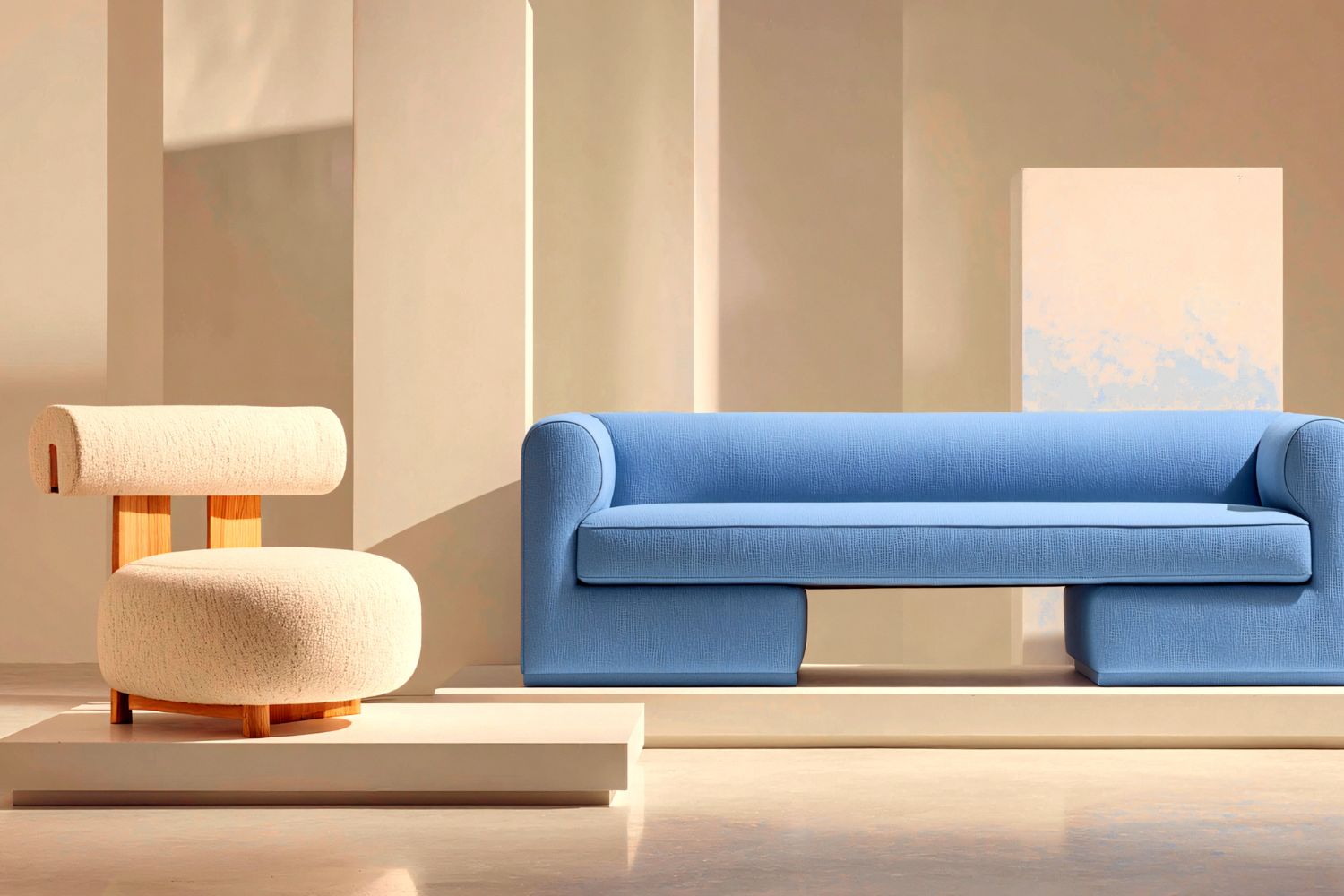
Table of Contents Show
Sofas have evolved far beyond their role as simple seating elements. In 2026, they stand at the center of interior design, shaping how spaces feel, function, and emotionally perform. As homes continue to adapt to changing lifestyles, where living rooms must accommodate rest, work, social interaction, and personal expression, the design of sofas reflects a deeper shift toward comfort, longevity, and human-centered aesthetics. Rather than following fast trends or rigid stylistic rules, contemporary sofa design emphasizes warmth, tactility, and adaptability.
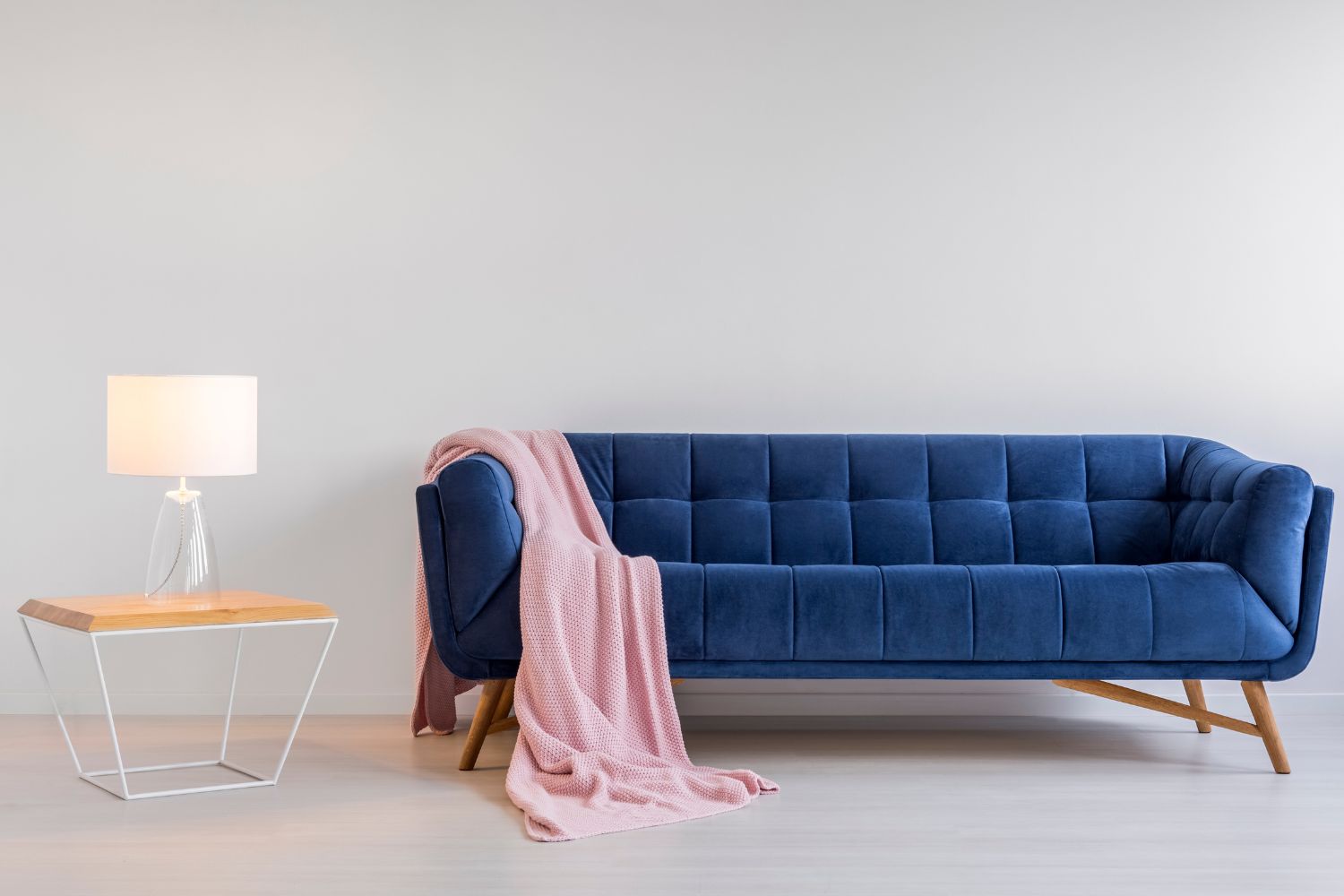
Natural colors, organic forms, and refined materials are replacing cold minimalism and purely decorative statements. The sofa is no longer just furniture; it is a spatial anchor that defines atmosphere, flow, and identity. The following trends highlight how sofas in 2026 respond to these evolving needs, balancing visual sophistication with everyday comfort and emotional connection.
Nature-Inspired & Earthy Shades
In 2026, sofa color palettes are moving decisively toward nature-inspired hues that create calm, grounded interiors. Earthy shades such as clay, sand, terracotta, olive green, moss, warm taupe, and deep brown are replacing cold greys and stark whites that dominated previous years. These colors do not aim to stand out aggressively; instead, they blend harmoniously with natural light, wood finishes, stone textures, and organic materials.

Designers are increasingly using sofas as anchors that stabilize the emotional atmosphere of a space, rather than as statement objects competing for attention. Earth-based tones also age gracefully, making them ideal for long-term interiors focused on sustainability and timelessness. In residential projects, these colors enhance comfort and emotional warmth, while in hospitality or lounge settings, they help create spaces that feel relaxed, welcoming, and human-centered.
Comfort-First, Deep Lounge Sofas
Comfort has become the primary design driver for sofas in 2026, reflecting broader lifestyle changes where living rooms serve as places to rest, work, socialize, and retreat. Deep-seated sofas with generous proportions, low profiles, and oversized cushions encourage lounging rather than formal sitting.
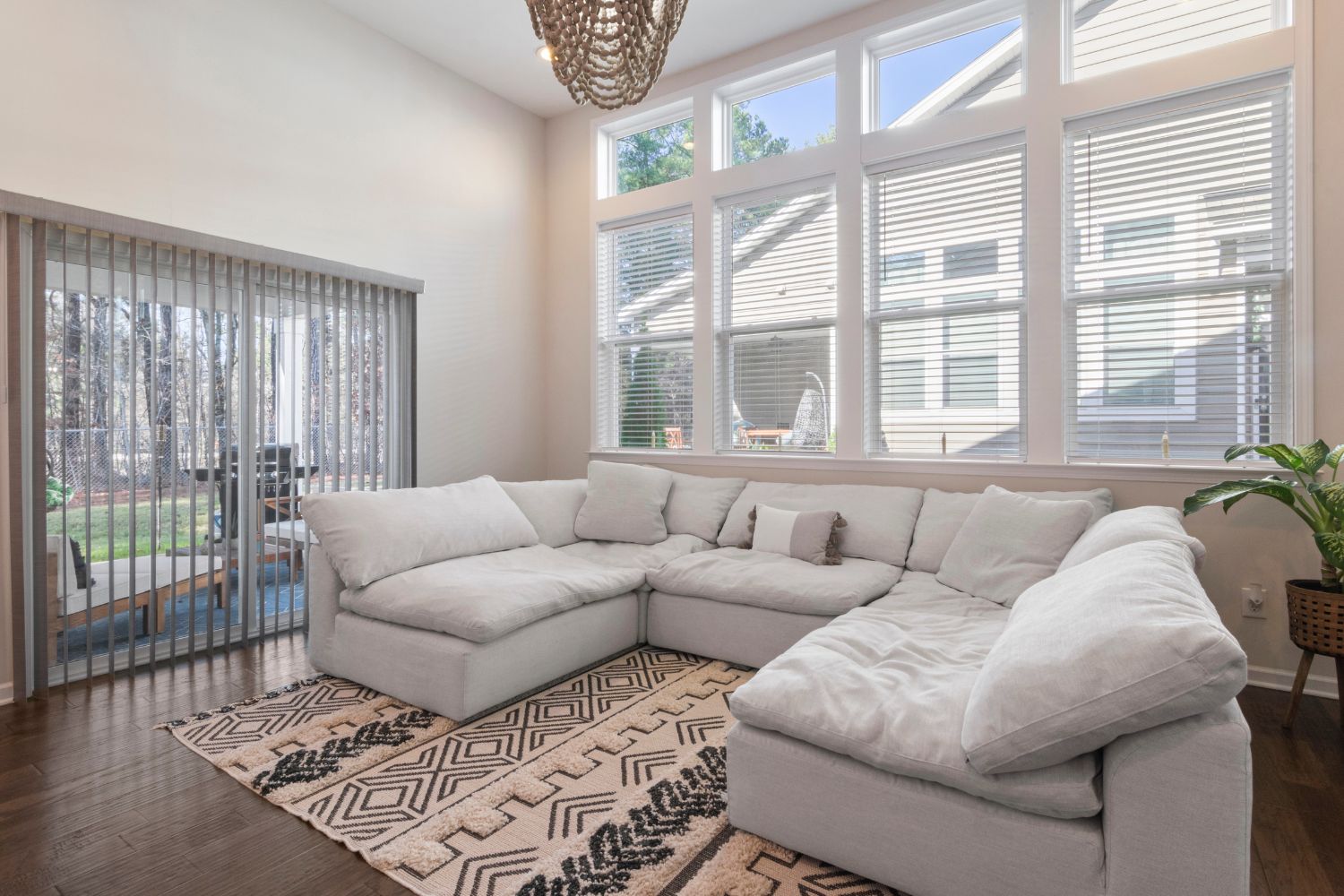
These designs prioritize physical ease, allowing users to sit cross-legged, recline, or stretch out fully. Upholstery is often soft and tactile, enhancing the sense of refuge and relaxation. This shift also reflects a move away from showroom-perfect interiors toward spaces that support real daily life. In architectural terms, deep lounge sofas soften rigid layouts and introduce a sense of informality, making interiors feel more lived-in and adaptable. The trend emphasizes that comfort is not a luxury but an essential component of contemporary interior design.
Curved & Organic Sofa Forms
Curved and organic sofa forms are defining the visual language of 2026 interiors, replacing sharp edges and strict geometries with softer, flowing silhouettes. These forms echo natural shapes found in landscapes and bodies, creating interiors that feel more intuitive and emotionally engaging. Curved sofas improve spatial flow, especially in open-plan living areas, by guiding movement rather than interrupting it. They also soften architectural rigidity, making spaces feel more inclusive and approachable.
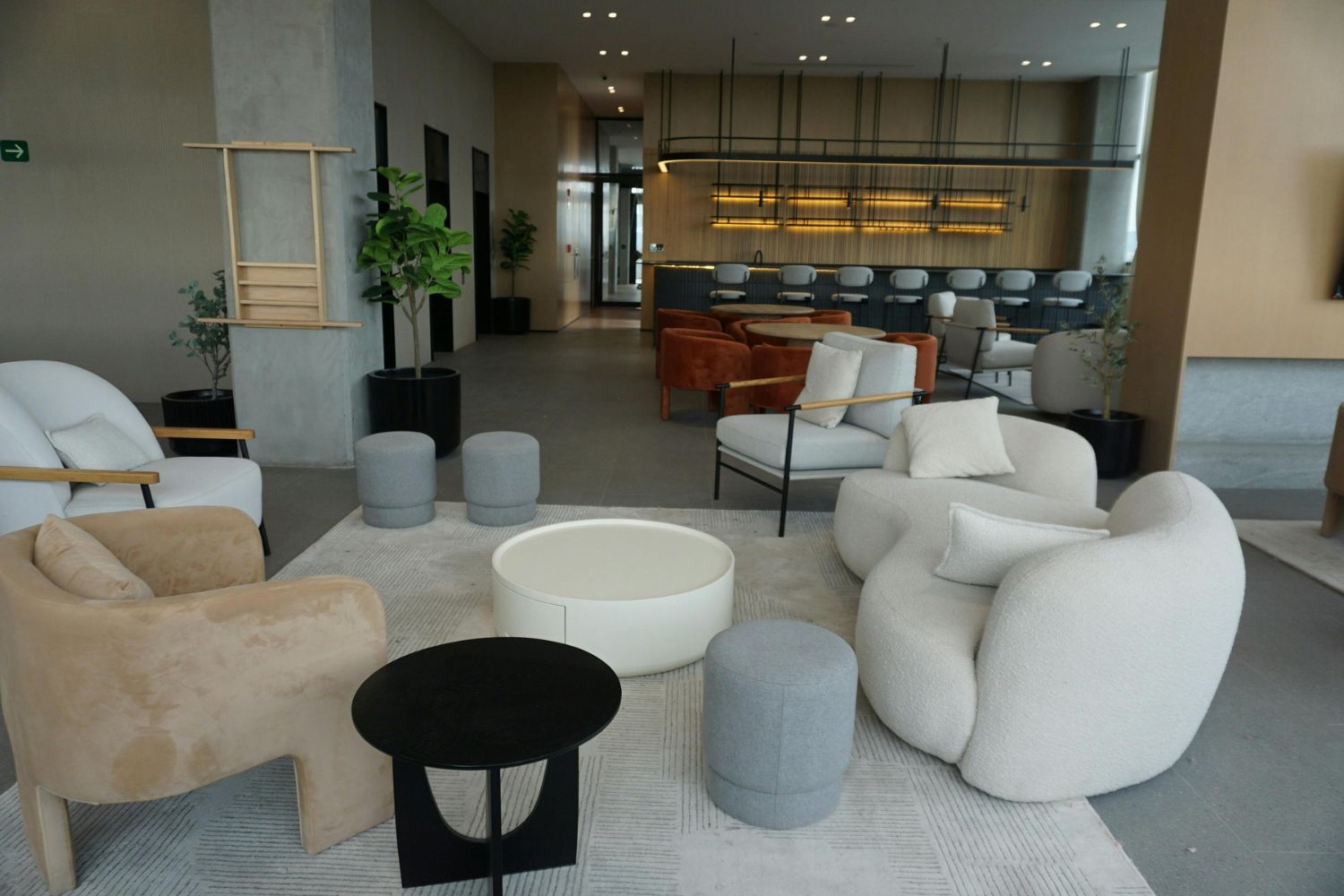
Designers often use these sofas to subtly divide zones without relying on walls or rigid furniture placement. Beyond aesthetics, organic forms contribute to psychological comfort, as humans instinctively respond more positively to rounded shapes. As a result, curved sofas are not only visual statements but also functional tools for creating balanced, human-scaled environments.
The Return of Classic Brown Leather
Brown leather sofas are making a strong comeback in 2026, valued for their warmth, durability, and timeless character. Unlike the black or overly polished leather styles of the past, today’s leather sofas favor rich cognac, caramel, and chocolate tones with matte or lightly distressed finishes. These surfaces age beautifully, developing a patina that adds depth and personality over time. Brown leather works equally well in modern, industrial, and classic interiors, bridging the gap between contemporary design and traditional craftsmanship.
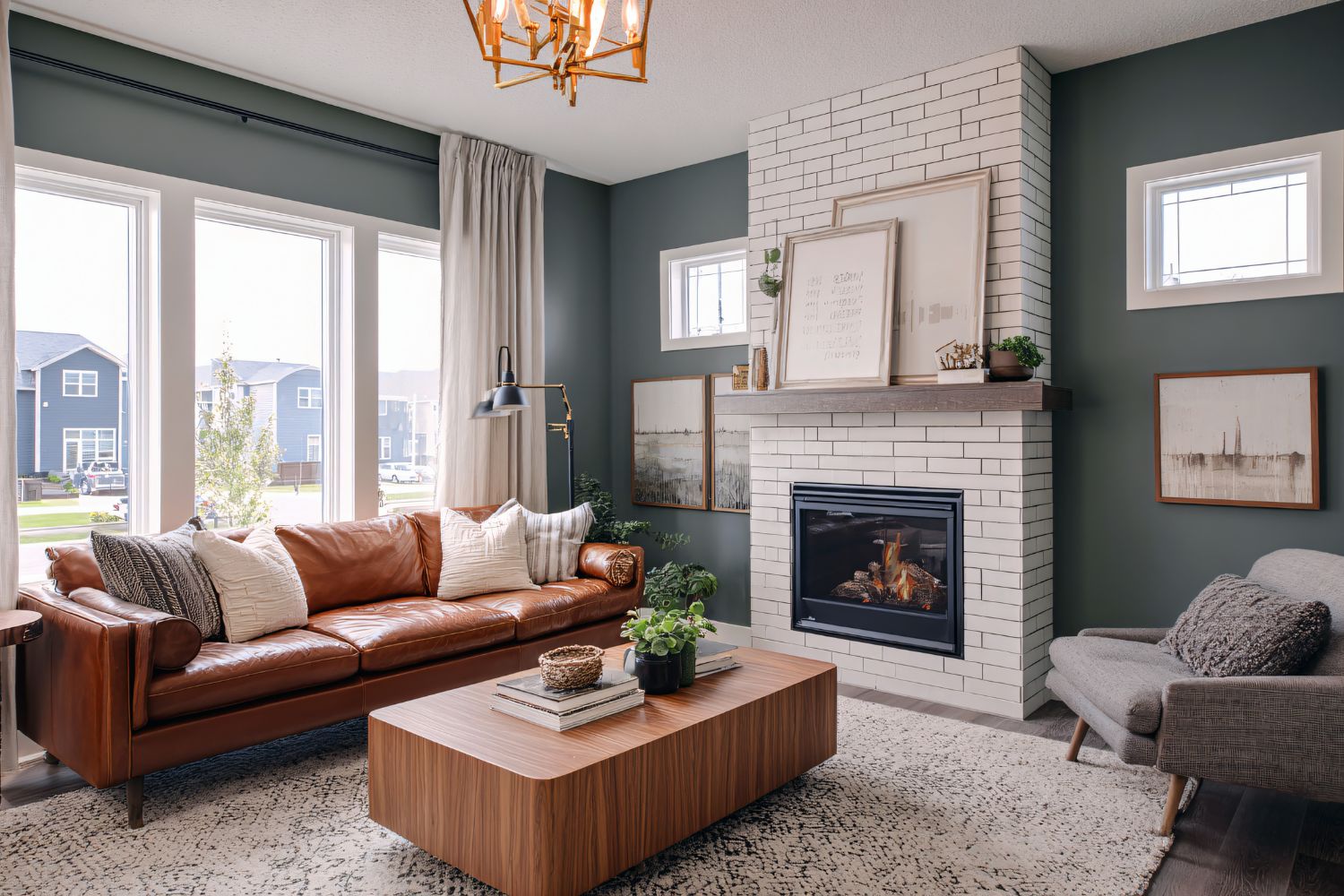
From a sustainability perspective, high-quality leather sofas are often seen as long-term investments rather than disposable furniture. Their tactile richness and visual weight make them ideal anchor pieces, grounding a space while adding a sense of understated luxury.
Neo-Deco & Soft Luxury Influences
Neo-Deco sofa designs in 2026 reinterpret the elegance of Art Deco through a contemporary lens. Instead of heavy ornamentation, designers use subtle cues such as curved backs, vertical channeling, refined pleats, and rich upholstery materials like velvet or textured woven fabrics. Metallic accents, often in muted brass or brushed finishes, appear sparingly to add depth rather than excess. This approach aligns with the broader trend of “soft luxury,” where sophistication is expressed through material quality and form rather than overt decoration.
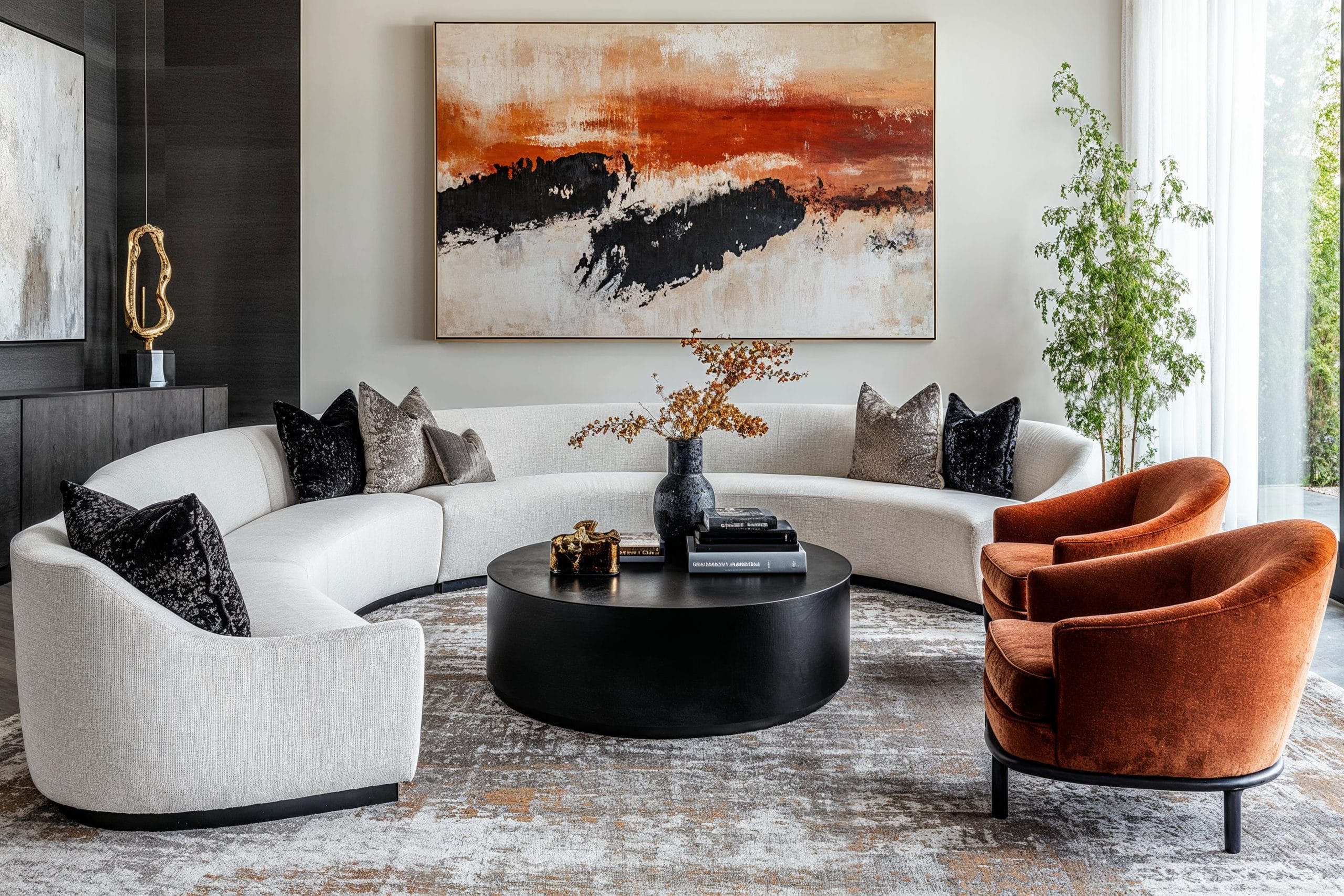
Neo-Deco sofas often act as focal points in otherwise calm interiors, providing visual interest without overpowering the space. They are particularly popular in boutique hotels, refined residential living rooms, and curated commercial interiors seeking elegance with restraint.
Tactile Fabrics & Mixed Materials
In 2026, the sensory experience of furniture is just as important as its visual appeal. Sofas increasingly feature tactile fabrics such as bouclé, brushed linen, wool blends, and softly textured weaves that invite touch. Designers are also combining materials, such as fabric seating with leather trims or contrasting cushion textures, to add subtle complexity. This layered approach creates depth without relying on bold colors or patterns.

Tactile upholstery enhances comfort while reinforcing the emotional connection between users and their environment. In minimalist interiors, texture replaces ornamentation, becoming the primary source of richness and character. These sofas feel warm, approachable, and intentionally crafted, aligning with the broader move toward more human-centered interiors.
Statement Prints & Floral Upholstery
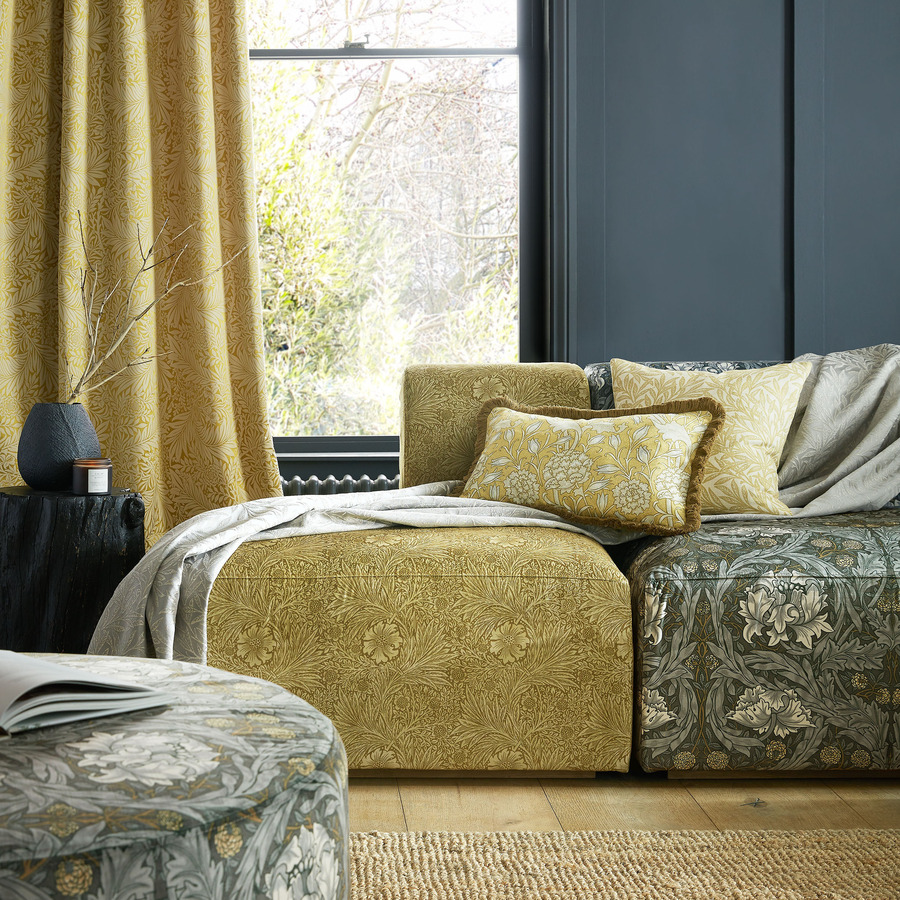
Patterned and floral sofas are re-emerging in 2026 as expressive statement pieces that counterbalance the dominance of neutral interiors. Rather than loud or overly decorative prints, current designs favor refined florals, abstract botanical motifs, and soft retro patterns with muted color palettes. These sofas are often used strategically, either as a single focal element in a calm space or within thoughtfully layered interiors that balance pattern with restraint.
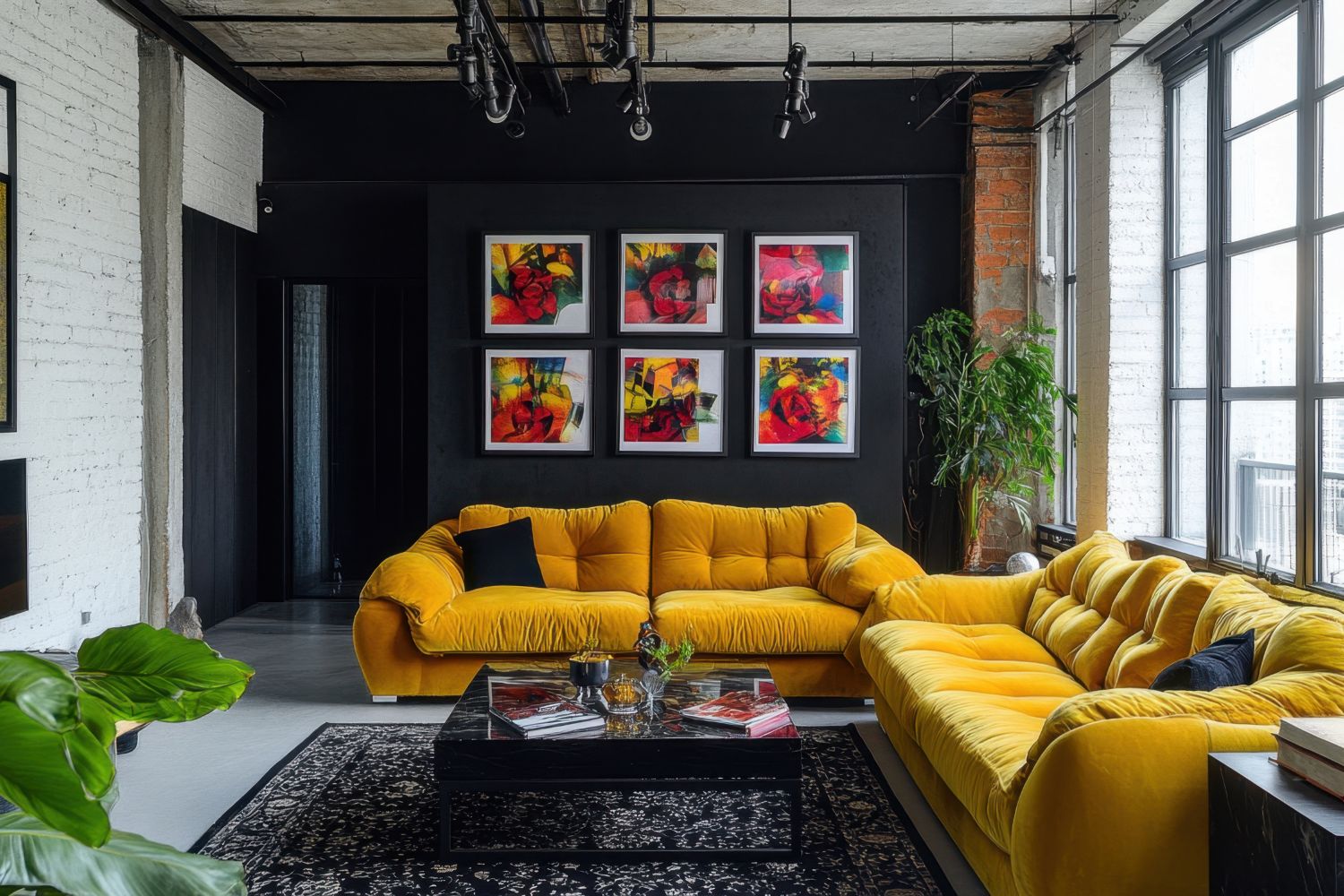
The sofa trends of 2026 reveal a clear movement toward interiors that feel more grounded, expressive, and genuinely lived in. From earthy color palettes and deep lounge seating to curved silhouettes, tactile materials, and refined luxury details, these designs prioritize comfort without sacrificing elegance. The return of classic leather, the rise of armless and low-profile forms, and the renewed interest in patterns all point to a broader desire for individuality and long-term value. Rather than chasing novelty, contemporary sofa design embraces timeless principles, human scale, material honesty, and emotional warmth. As interiors continue to evolve, sofas remain one of the most powerful tools for shaping how spaces are experienced. In 2026, the most successful sofa designs are those that support daily life while quietly enhancing the character and atmosphere of the space they inhabit.





A New Book Records the 1970s Interiors of Ebony and Jet’s Chicago Headquarters
820 Ebony/Jet collects Barbara Karant's photographs of the empty Johnson Publishing Company...
 illustrarch Editoral Team2 Mins read
How Integrated Furniture Can Shape the Architecture of Urban Interiors
Most people treat furniture as the last decision in interior architecture, yet...
illustrarch Editoral Team2 Mins read
Architecture and Interior Design: Can Architects Specialize in Both?
Architects hold most of the skills interior design needs, from space planning...
 Furkan Sen5 Mins read
How to Make an Architecture Mood Board: A Step-by-Step Guide
A practical walkthrough for building an architecture mood board, covering how to...
Furkan Sen6 Mins read


Leave a comment