


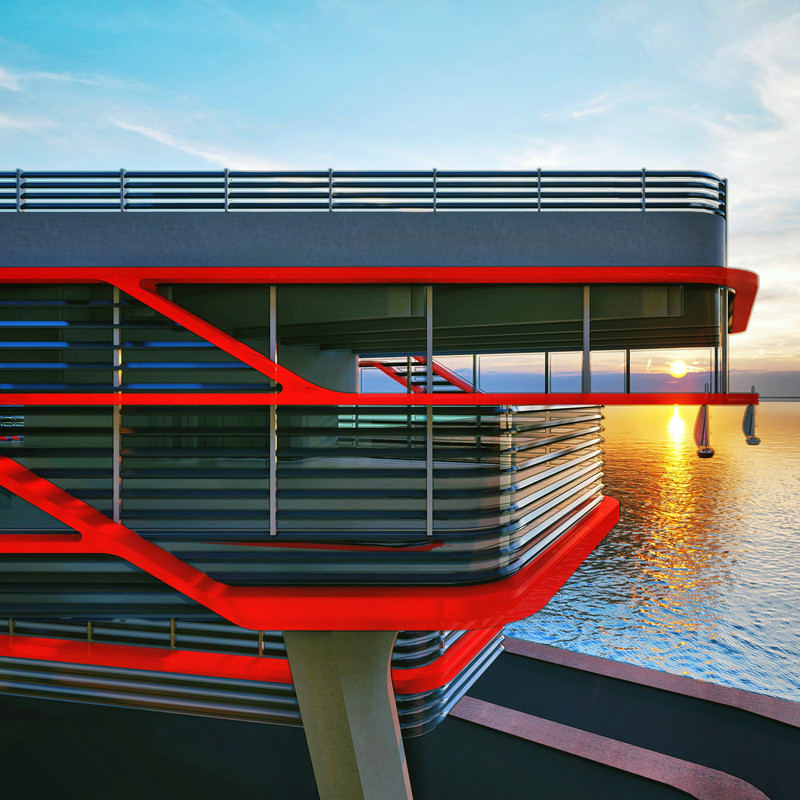


The Gwadar East Bay Cruise Ship Terminal is a maritime gateway designed to open Pakistan’s emerging port city to mass tourism while serving as an engine of local economic growth. Conceived by architect Junaid Ahmed Khan, the project frames Gwadar as a future smart city whose rapid economic development, large foreign investments, and access to the 800 kilometre coastline of Baluchistan give it immense potential as a tourist destination. Rather than treating a cruise terminal as an exclusive arrival point for the wealthy few, the design deliberately reaches toward the various classes of people who would not previously have been able to experience the exclusivity such a program usually implies.
At its core the terminal pairs the logistics of cruise arrival with a commercially active business center, turning the building into a hub of economic growth. It carries provisions for local business opportunities and extends into a cultural bed that establishes a direction for the future, with sub programs such as an aquarium dedicated to the promotion of marine conservation. In this way the terminal acts not only as a center for the rich but as a cradle for the overall development of the port city itself.
Designing for the cruise threshold
A cruise ship terminal is a demanding building type because it must absorb thousands of passengers in concentrated waves, then fall quiet between sailings. Architects working on this typology balance generous circulation, customs and security control, baggage flow, and clear sightlines to the water, all while the structure withstands a humid, salt laden coastal climate. The most successful terminals avoid becoming single use sheds and instead behave as public destinations in their own right, which is precisely the ambition behind this scheme as it folds retail, culture, and conservation into the arrival sequence.
The choice to anchor the project in Gwadar reflects the city’s strategic role on the Arabian Sea and within Pakistan‘s wider coastal economy. By layering tourism, commerce, and marine education into one waterfront landmark, Khan’s terminal aims to establish new boundaries with respect to program, context, and understanding. The result reads less as a transit point and more as a civic threshold, one that invites both visiting passengers and the surrounding community to share in the harbour’s future.




Heritage “Ay” Kiln Adaptive Renewal by WUGE Studio & YFS
Heritage “Ay” Kiln Adaptive Renewal by WUGE Studio + YFS reinterprets a...
 Begum Gumusel4 Mins read

Adaptive Reuse of the Michelin Factory by Kengo Kuma & Associates
Kengo Kuma & Associates has unveiled a proposal to transform the former...
 Elif Ayse Sen3 Mins read
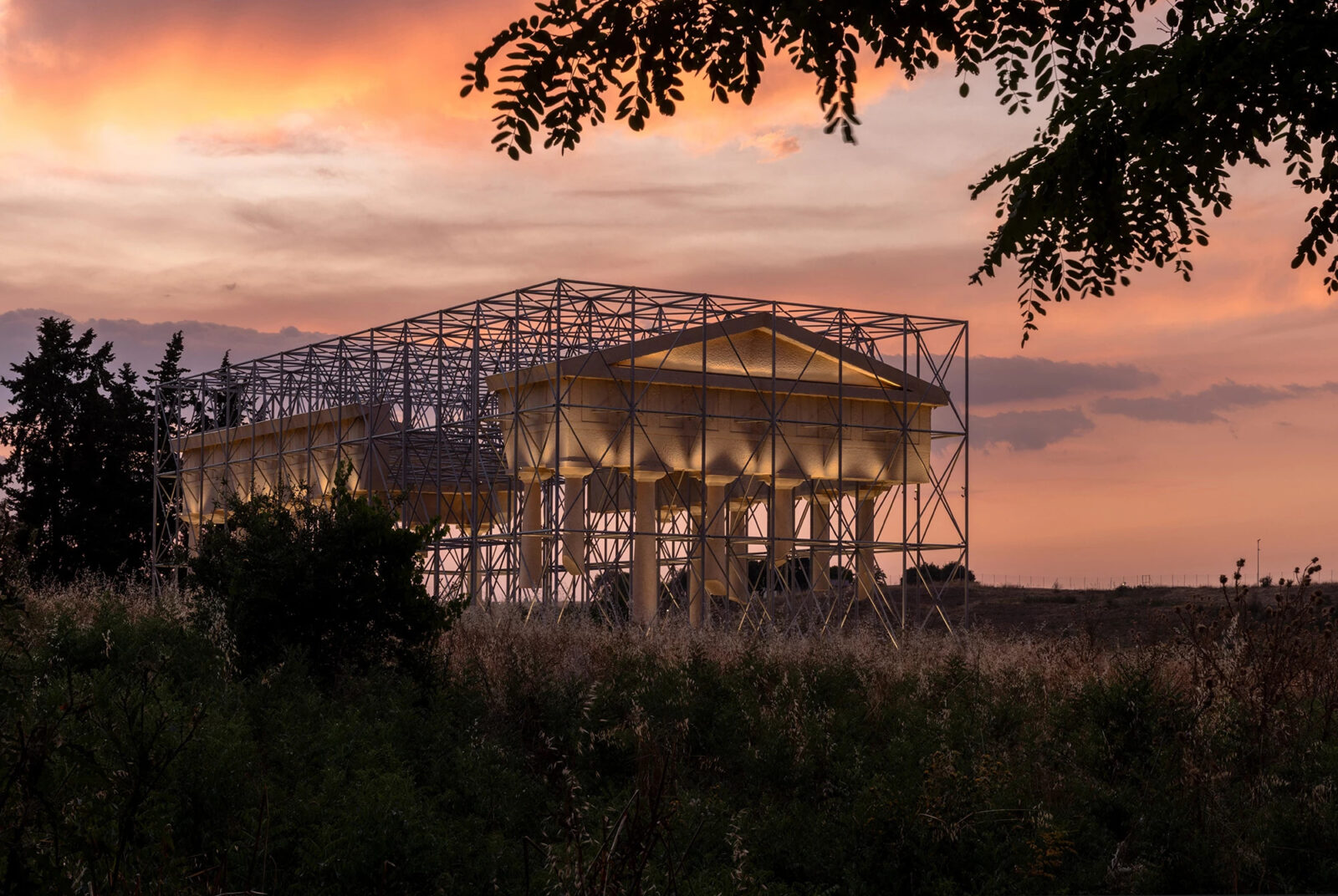
Inverse Ruin: Reimagining an Ancient Temple Through Contemporary Intervention
A contemporary architectural installation at the Herakleia archaeological site in Policoro offers...
Elif Ayse Sen2 Mins read

Seddülbahir Fortress Re-Use Project by KOOP Architects + AOMTD
Seddülbahir Fortress, restored after 26 years of multidisciplinary work, reopens as a...
Elif Ayse Sen3 Mins read


Leave a comment