

Intervention On Diana Island – Strengthening Caiçara Culture
The project on Diana Island focuses on enhancing caiçara culture by addressing infrastructure needs and creating spaces that support both community life and tourism.
 illustrarch Editoral Team19 December 20191 Mins read401


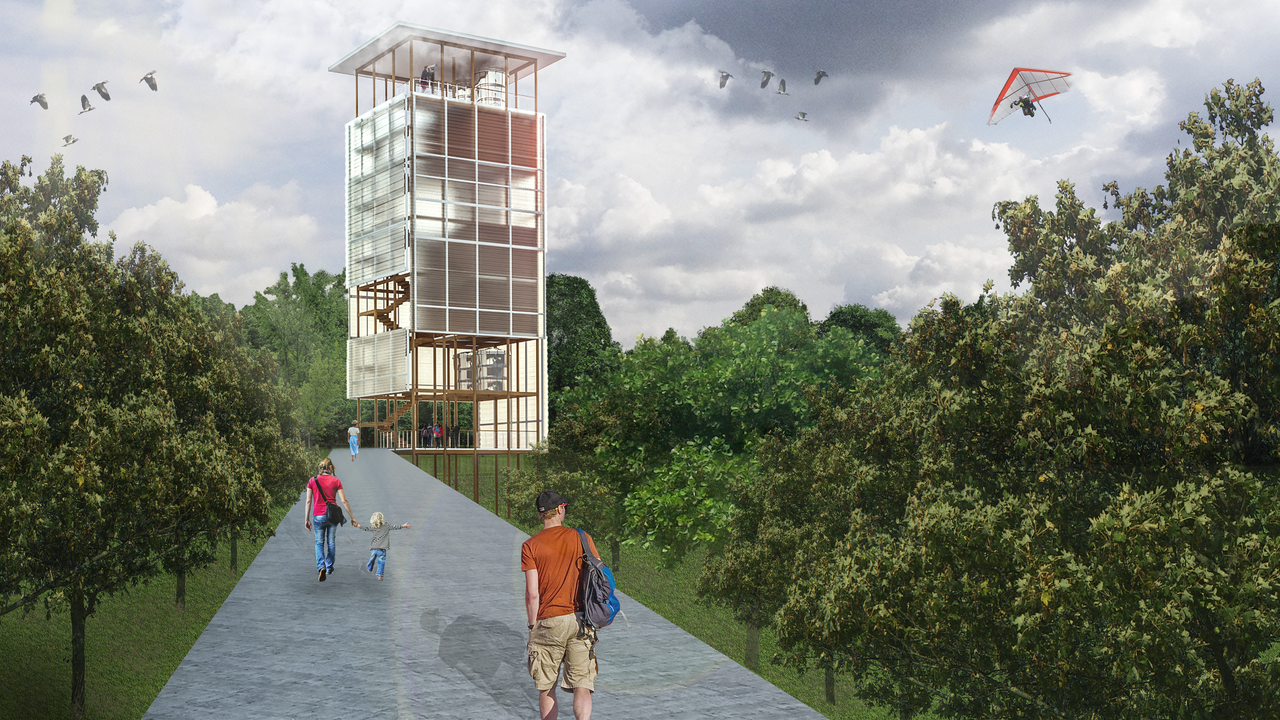


Rafael Pauliquevis approaches Diana Island in Santos, Brazil, as a living territory whose future depends on reading what is already there. The project begins with an investigation of caiçara culture, mapping coasts and traditions to understand the real needs of the residents who fish, build boats, and shape daily life along the water. Through visits and direct dialogue with the community, the analysis surfaces clear weaknesses: a lack of infrastructure, large territorial voids, and the difficulty of improving fishing practices that sustain the island economy.
From those findings, the proposal sets out a series of guidelines rather than a single building. It boosts territorial infrastructure with attention to sewage, the collection and disposal of solid waste, and drainage organized around a walkway that skirts the entire island while reorganizing its circulation. It recovers water fronts, introduces strategies for the voids left by unplanned housing distribution, and consolidates a single boarding point for both fishermen and tourists. A school boat development yard encourages residents to expand the art of fishing and pass craft knowledge to a new generation.
Designing With a Coastal Community
A cultural center on a small island carries responsibilities that go beyond program and form. It has to protect the identity of the people who live there while opening space for visitors, and it must respond to a fragile shoreline where water, land, and built fabric meet under constant pressure. Pauliquevis answers this by weaving cultural, ecological, and economic strategies together. The plan preserves and expands areas of natural ecosystems, develops a typical caiçara restaurant to support regional tourism, and restructures the sports sector with two swimming pools, a new soccer field, and a locker room. A nursery organizes the typical birds of the place, and a network of vertical water reservoirs supplies the island while doubling as an observatory.
The result reads as an act of cultural reinforcement, where infrastructure, public space, and tradition support one another instead of competing. Work of this kind sits within a long architectural conversation about how design can serve coastal and traditional communities. Readers can explore the wider context through the cultural center as a building type, the caiçara people of the Brazilian coast, and the city of Santos that frames this island setting.




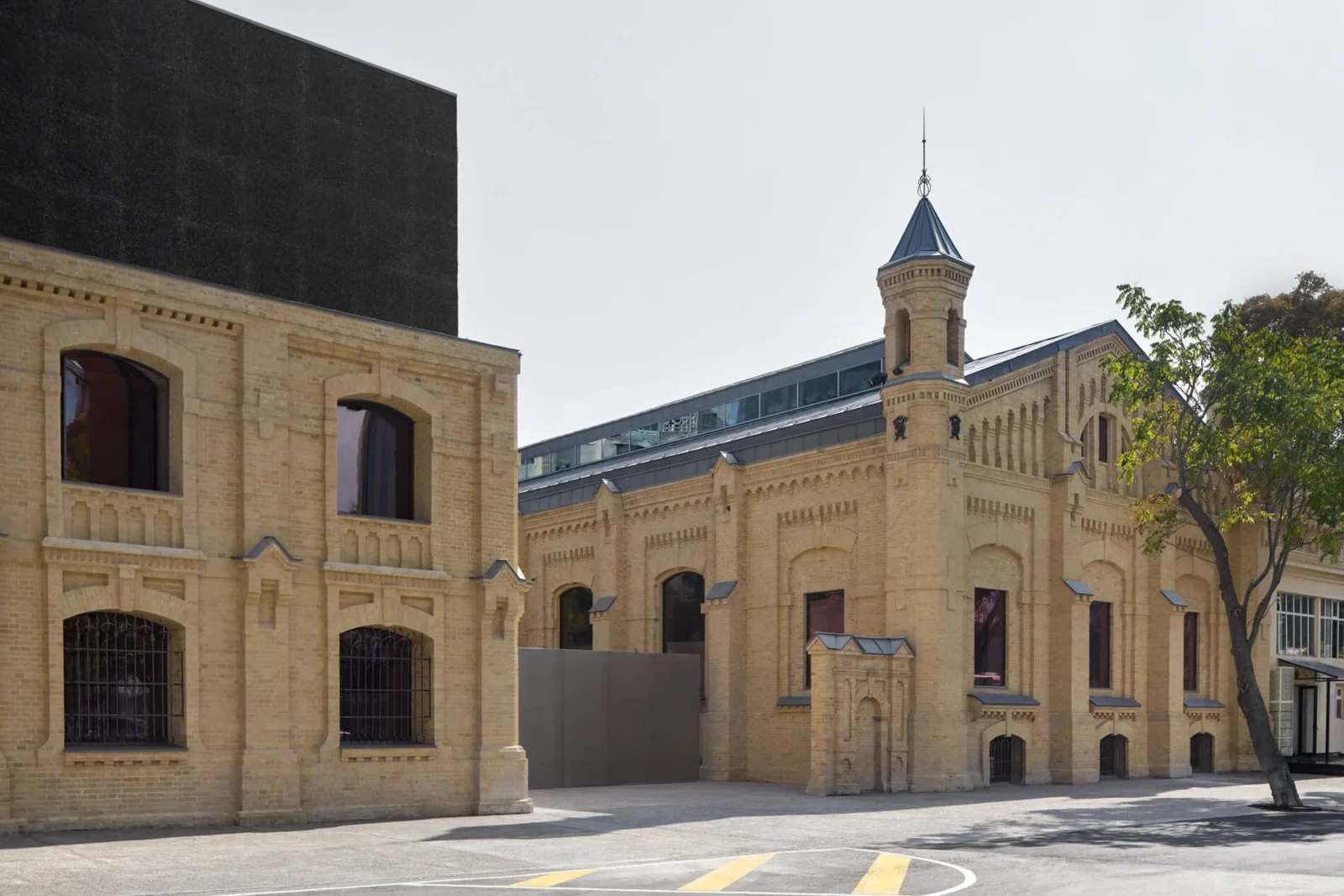
CCA Tashkent Opens in Studio KO’s Revamped 1912 Tram Depot
Studio KO has converted a 1912 Tashkent tram depot into CCA Tashkent,...
illustrarch Editoral Team2 Mins read

People’s Theatre Opens Permanent Inwood Home After 18 Years
WORKac's ramp-driven design gives Mino Lora's People's Theatre its first permanent home...
illustrarch Editoral Team2 Mins read
MAD to Convert 1923 Rotterdam Warehouse into Dance Center
MAD will convert a 1923 Rotterdam warehouse into Danshuis, a dance center...
illustrarch Editoral Team1 Mins read
Bawan Village Visitor Center by TAO
On the site of an abandoned petrol station in Yunnan, TAO builds...
illustrarch Editoral Team2 Mins read


Leave a comment