

From Water Supply to Tourist Attraction: The Evolution of Istanbul’s Basilica Cistern
Built in 532 AD under Emperor Justinian I, the basilica cistern in Istanbul served as the largest underground water reservoir in Constantinople. This article traces its full architectural evolution, from Byzantine infrastructure to Ottoman neglect, 19th-century rediscovery, and the 2022 restoration that turned it into one of Istanbul's most visited cultural landmarks.
 Elif Ayse Sen17 June 202611 Mins read273
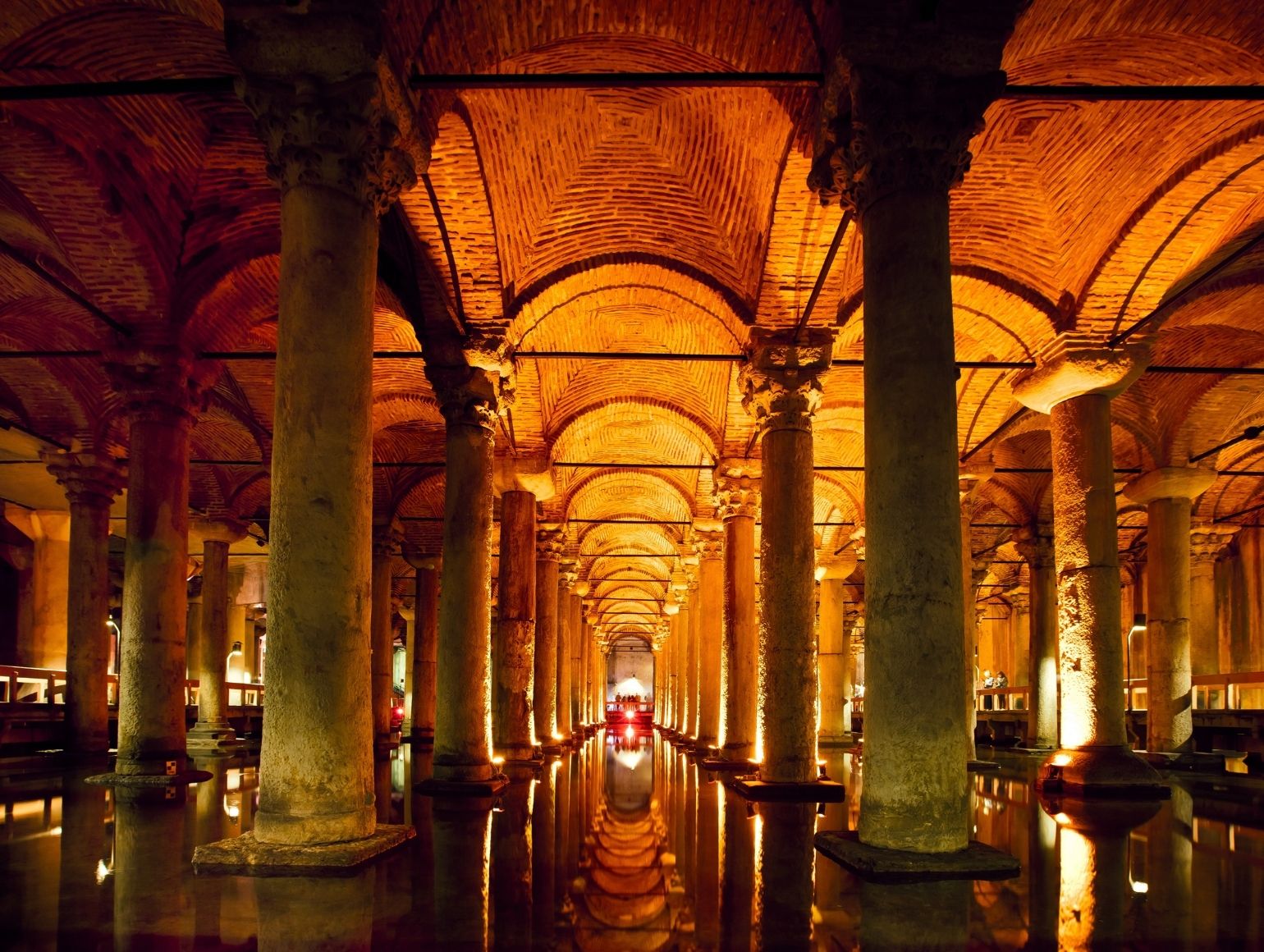
Table of Contents Show
The basilica cistern is a 6th-century underground water reservoir beneath Istanbul’s Sultanahmet district, built during the reign of Byzantine Emperor Justinian I. Covering 9,800 square meters and supported by 336 marble columns, it served as a critical water supply for Constantinople before centuries of neglect, rediscovery, and a major 2022 restoration transformed it into one of Turkey’s most visited cultural landmarks.
What Is the Basilica Cistern?
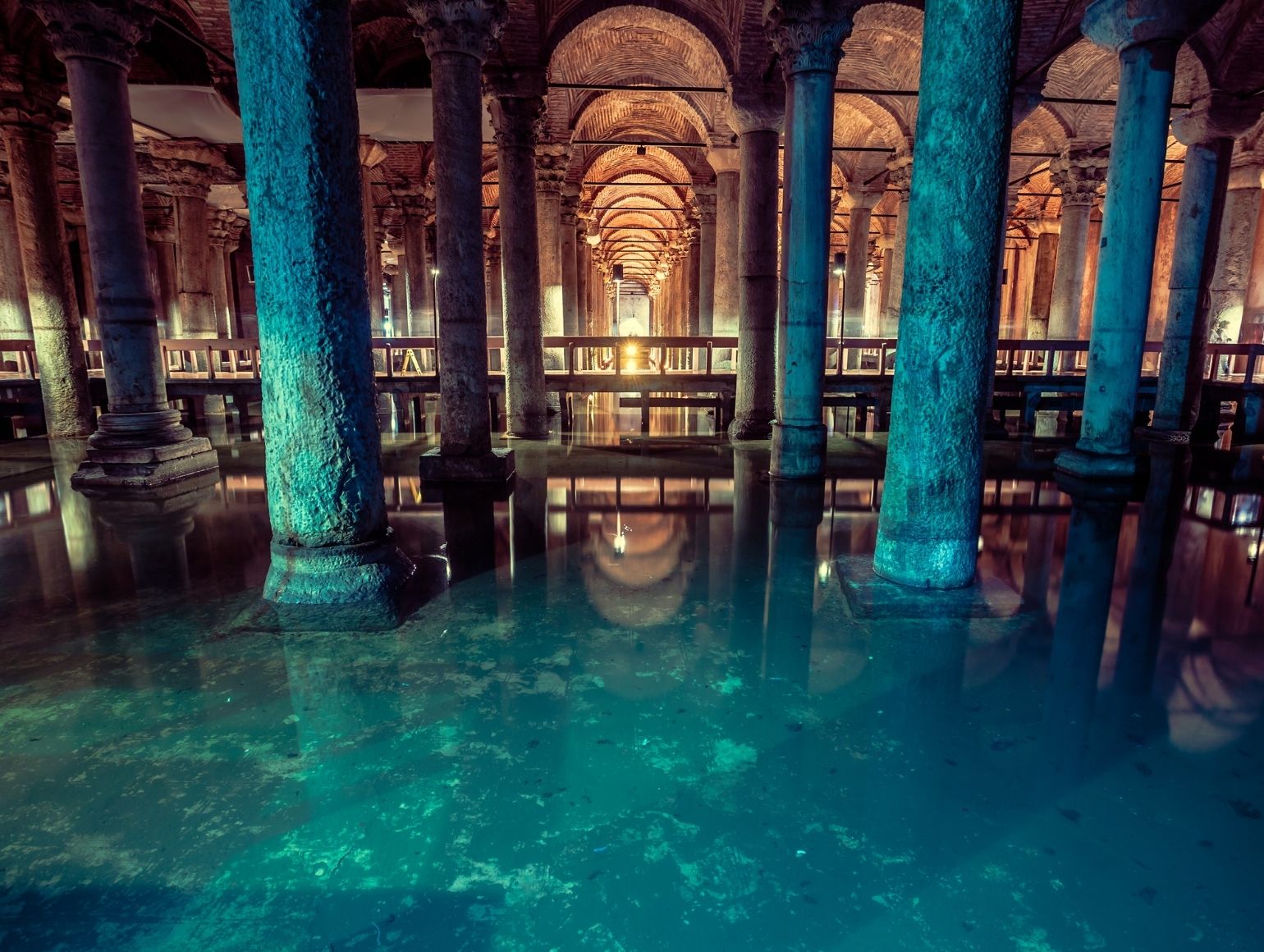
The Basilica Cistern, known in Turkish as Yerebatan Sarnıcı (“Sunken Cistern”) or Yerebatan Sarayı (“Sunken Palace”), is the largest surviving underground cistern from the Byzantine era. It sits roughly 150 meters southwest of Hagia Sophia, directly beneath the historic First Hill of Constantinople. The structure measures approximately 138 meters long and 65 meters wide, with a storage capacity of around 80,000 cubic meters of water.
The name “Basilica” comes not from a church but from the Stoa Basilica, a large public square that once stood above the site. This public square housed Constantinople’s law courts, a library reportedly containing 120,000 books, and the Octagon, a university building where law courses were taught and cases tried. The basilica burned down in 476, was rebuilt (likely by the prefect Illus), and was destroyed again during the Nika Riot of 532. When the prefect Longinus rebuilt the basilica above ground around 542, the cistern was constructed underneath it.
Today, the basilica cistern in Istanbul stands as one of the city’s essential architectural experiences, drawing millions of visitors who descend a 52-step staircase into its dimly lit, column-filled interior.
Why Was the Basilica Cistern Built?
Constantinople’s geography created a fundamental water problem. The city sits on a hilly peninsula surrounded by sea on three sides, with no major rivers flowing through it. During the dry Mediterranean summers, water shortages were a constant threat, especially as the population grew beyond what local springs could support.
Emperor Justinian I commissioned the cistern to store water transported through the Aqueduct of Valens and other aqueducts originating from the Belgrade Forest, approximately 19 kilometers north of the city center. The cistern supplied water to the Great Palace, the imperial residence, and surrounding buildings on the First Hill. During sieges, these underground reservoirs were vital to the city’s survival. Constantinople’s defensive strategy depended on its ability to withstand prolonged blockades, and water storage infrastructure was as strategically important as its famous Theodosian Walls.
Historical accounts suggest that around 7,000 workers were involved in building the cistern. Construction likely started around 527-528 and the cistern was functional several years before the basilica above was completed in 541.
📌 Did You Know?
Constantinople had hundreds of cisterns beneath its streets. The Basilica Cistern is the largest, but the nearby Binbirdirek Cistern (Cistern of 1,001 Columns) also survives. Together, these underground reservoirs formed one of the most extensive water infrastructure networks in the ancient world, a system that kept a city of over 500,000 people supplied through wars, droughts, and sieges for nearly a thousand years.
Structural Design and Architectural Features of Basilica Cistern
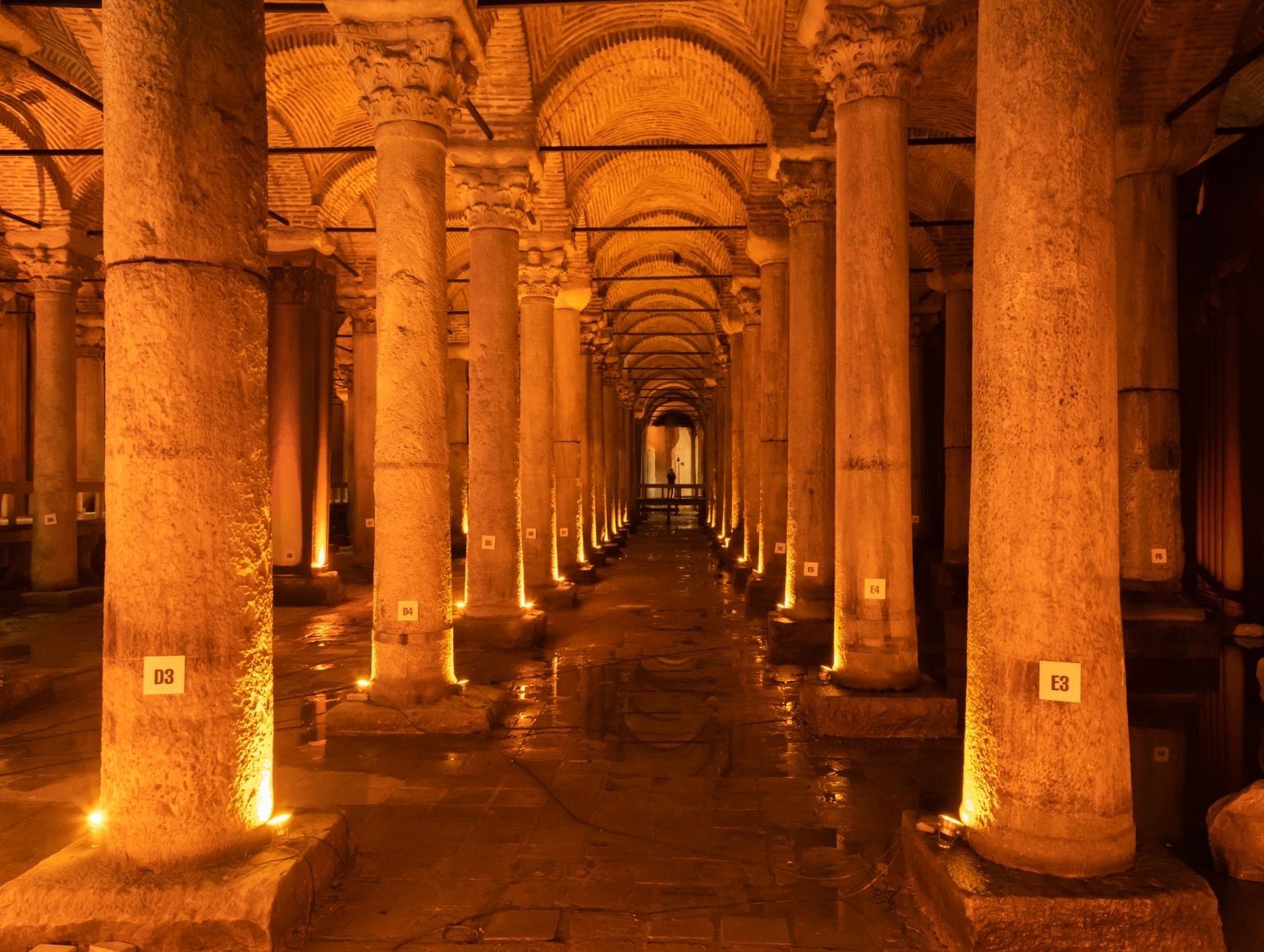
The cistern basilica is an underground hall arranged in a grid of 12 rows with 28 columns each, totaling 336 columns. Each column stands approximately 9 meters tall. The columns support a ceiling of brick cross-vaults, and the entire structure sits within walls made of 4.8-meter-thick firebrick, coated with waterproofing Horasan mortar (a lime-based plaster mixed with crushed terracotta that the Byzantines used extensively for hydraulic structures).
One of the most architecturally striking aspects of the cistern is the variety of its columns. Because the Byzantines routinely recycled building materials from older Roman structures (a practice called spolia), the columns display a mix of Corinthian, Doric, and Ionic capitals. Some capitals are carved with fine detail while others are plain, giving the column forest an irregular, almost improvised character that contrasts with the rigid geometry of the grid plan.
The ceiling vaults spring from the column capitals and distribute the weight of the earth and structures above. This system allowed the cistern to sit invisibly beneath a busy public square while supporting significant loads overhead. The vault construction reflects standard Byzantine engineering practices of the period, similar to techniques used in the substructures of Justinian’s other building projects, including the Hagia Sophia, which was completed just five years earlier in 537.
📐 Technical Note
The cistern’s Horasan mortar (khorasan) is a hydraulic lime plaster made by mixing slaked lime with crushed brick or terracotta. This material sets underwater and has proven remarkably durable: laboratory analyses of samples from the Basilica Cistern show compressive strength values comparable to modern Portland cement mortars. The 4.8-meter wall thickness, combined with this waterproof coating, prevented groundwater infiltration for over a millennium.
The Medusa Head Column Bases
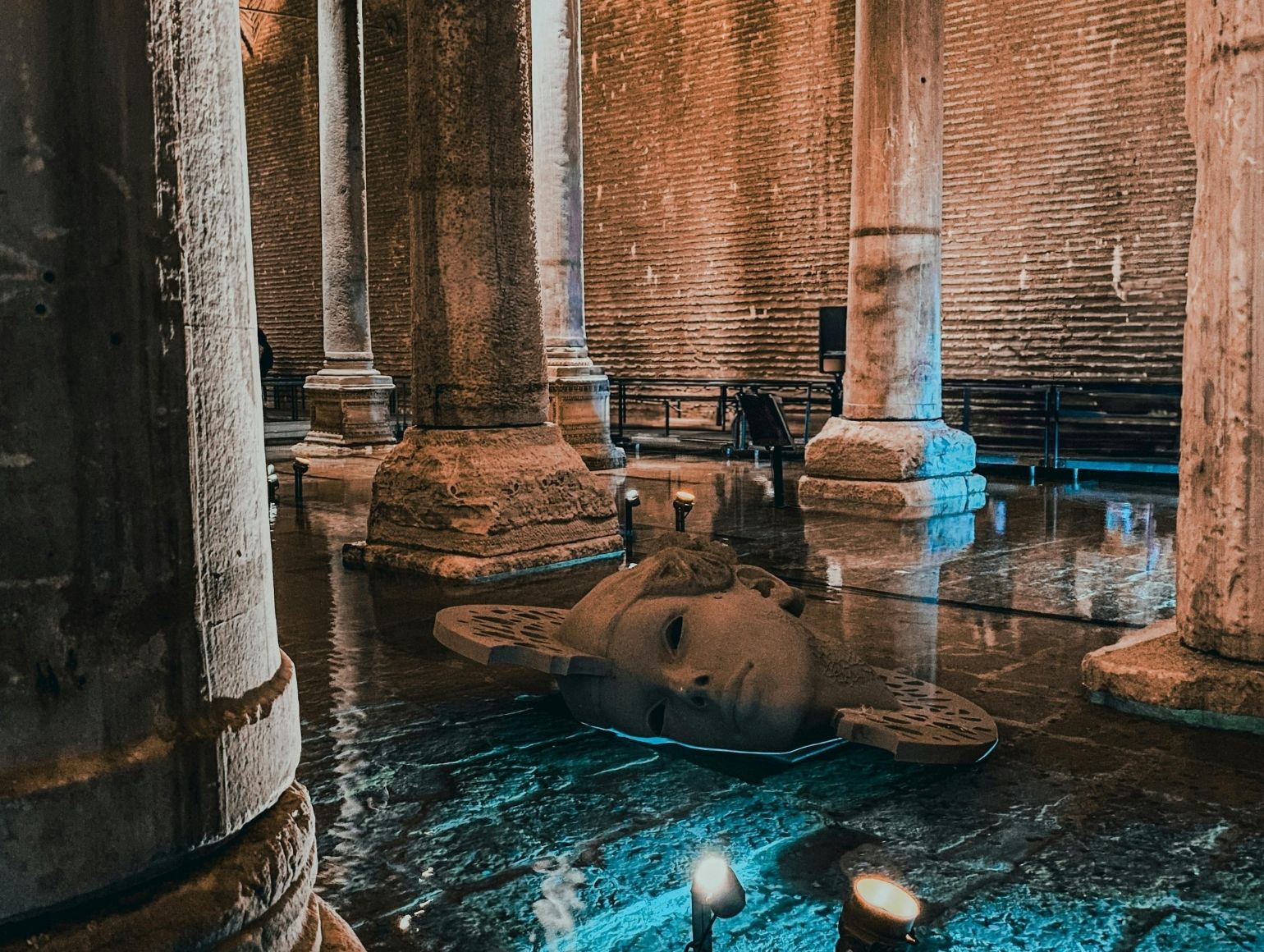
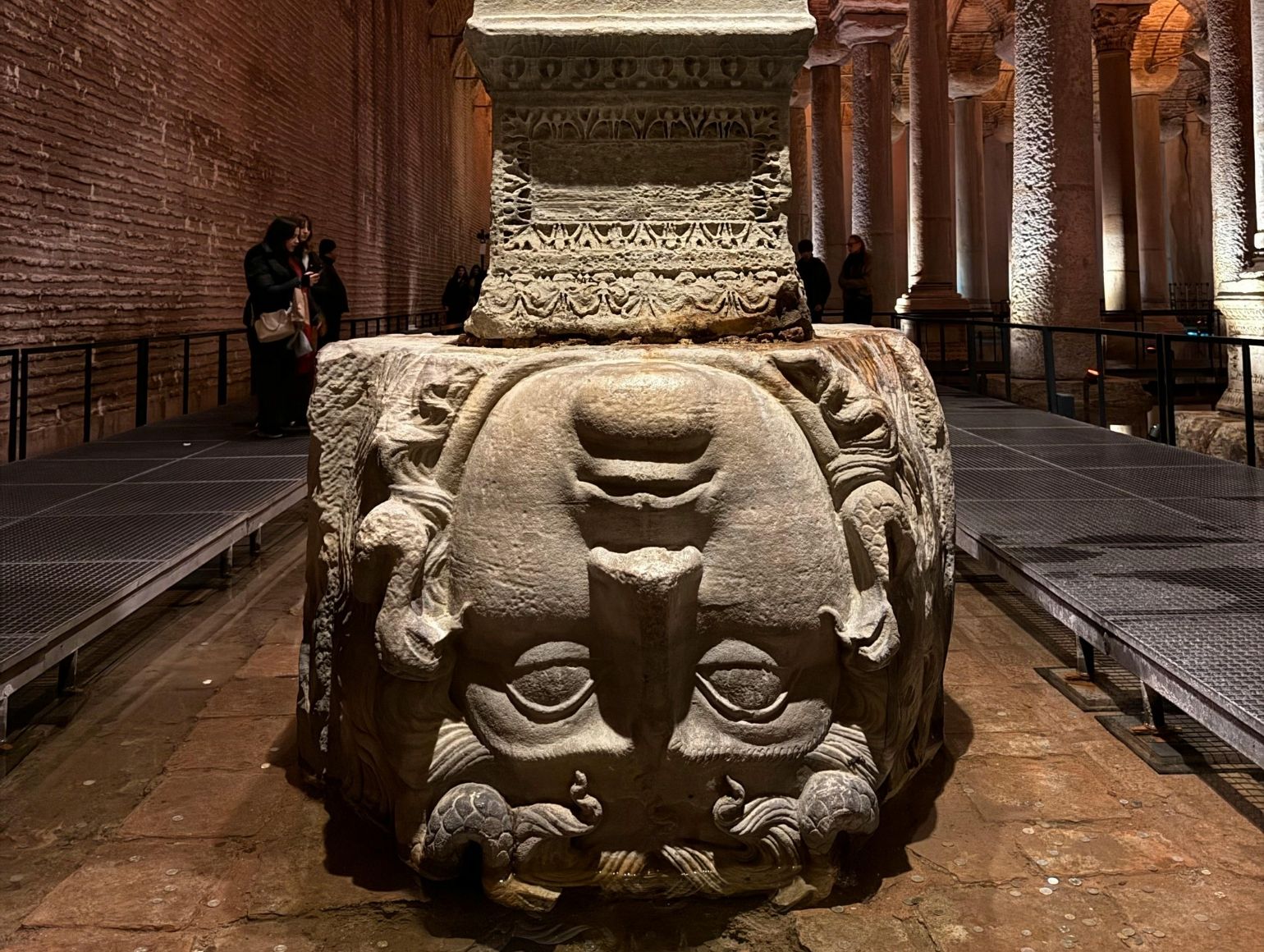
At the northwest corner of the cistern, two massive Medusa heads serve as column bases. One is positioned sideways and the other upside down. These carved stone heads are among the most photographed features in all of Istanbul, and their exact origin remains debated among archaeologists.
The most accepted theory is that the Medusa heads were brought as spolia from a late Roman forum, possibly the Forum of Constantine, where similar carved elements have been found. Their unusual placement (inverted and rotated) was likely practical rather than symbolic: the builders needed column bases of specific heights to level the floor, and these carved blocks happened to fit the required dimensions. In Byzantine construction practice, reusing materials from older buildings was standard, and builders treated spolia as raw building stock rather than art objects.
That said, a separate tradition holds that Medusa’s face was placed upside down deliberately to neutralize her legendary power to turn onlookers to stone. Whether practical or apotropaic (protective), the Medusa heads have become inseparable from the cistern’s identity.
The Cistern Through the Ottoman Period
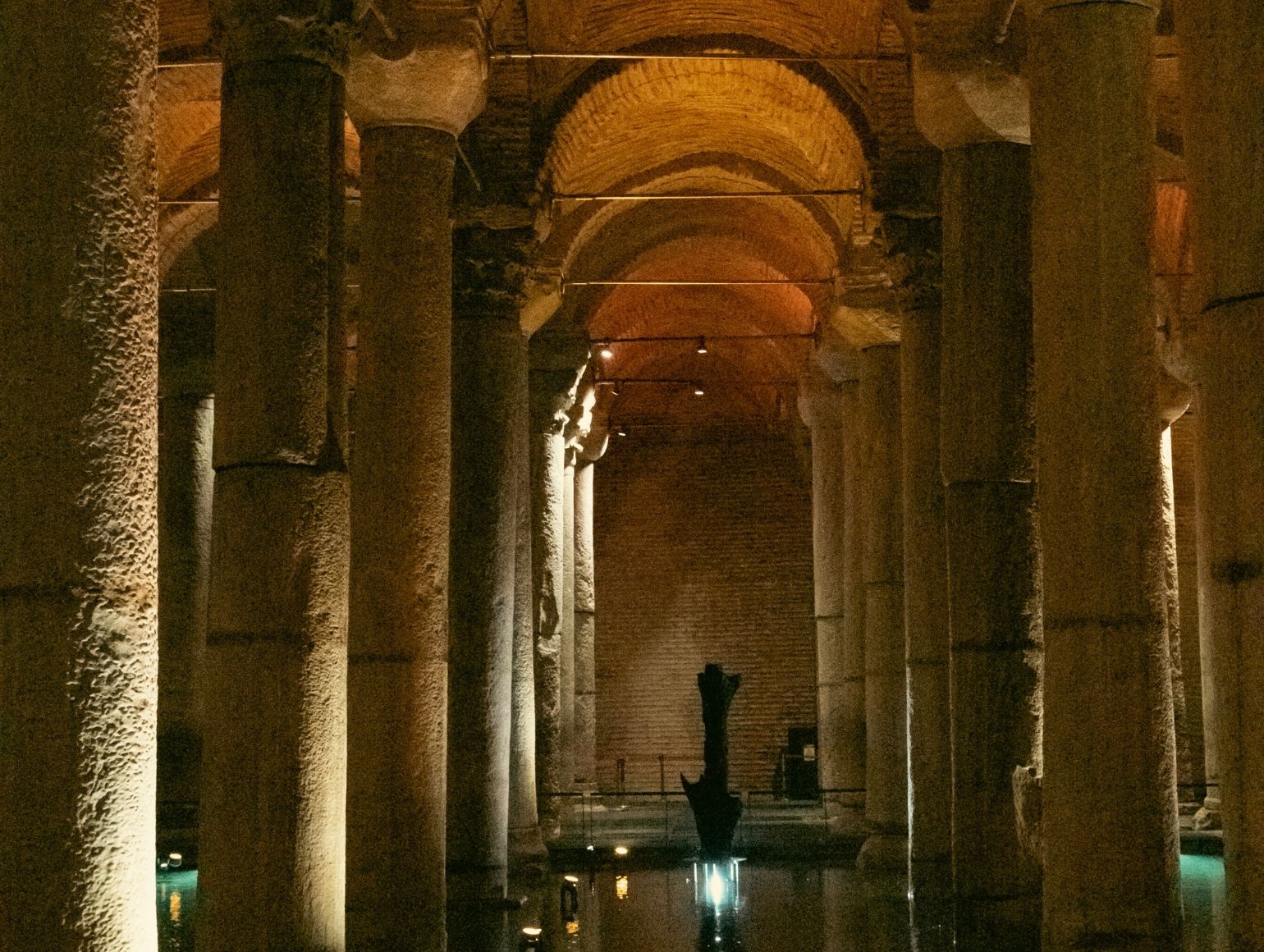
When Sultan Mehmed II conquered Constantinople in 1453, the city’s water infrastructure remained essential. Ottoman engineers built new conduits and maintained older ones, but the Basilica Cistern’s role gradually diminished as new water systems were developed. The cistern continued to supply water to the gardens of Topkapı Palace for a period, but its use became increasingly limited over the following centuries.
By the late Ottoman period, the cistern had largely fallen out of active use and out of public memory. A famous account describes French scholar Petrus Gyllius rediscovering the cistern in 1545 while researching Byzantine antiquities. According to his writings, local residents had been drawing water through holes in their basement floors and some were even catching fish from the reservoir below, all without knowing that a massive architectural structure lay beneath their homes.
💡 Pro Tip
If you visit Istanbul’s Sultanahmet district, the Basilica Cistern is just a 2-minute walk from Hagia Sophia and roughly 5 minutes from the Blue Mosque and Topkapı Palace. Plan your visit for the morning (right at the 9:00 AM opening) to avoid the heaviest crowds. The interior humidity sits at around 96%, so protect electronic equipment and bring a light layer even in summer.
Rediscovery and 20th-Century Restorations
After Gyllius documented the cistern in the 16th century, it attracted occasional scholarly interest but remained largely inaccessible. The first modern restoration came in the 1980s. In 1985, the Istanbul Metropolitan Municipality launched a major cleaning and restoration project. Workers removed tons of debris and sediment that had accumulated over centuries, repaired damaged brickwork and arches, and replaced structurally compromised columns.
Elevated steel walkways were installed above the water level, allowing visitors to walk through the column forest without disturbing the water or the structure. A basic lighting system was added, and drainage infrastructure was put in place to manage water levels. In 1987, the Basilica Cistern opened to the public as a museum for the first time in its history.
A second restoration in 2005 addressed persistent leaks and reinforced the foundation. In 2017, further work repaired stonework damaged by long-term moisture exposure, cleaned columns and arches, and addressed biological growth on marble surfaces. Each of these projects was relatively limited in scope, focused on structural preservation rather than reimagining the visitor experience.
The 2022 Restoration: A Full Architectural Transformation
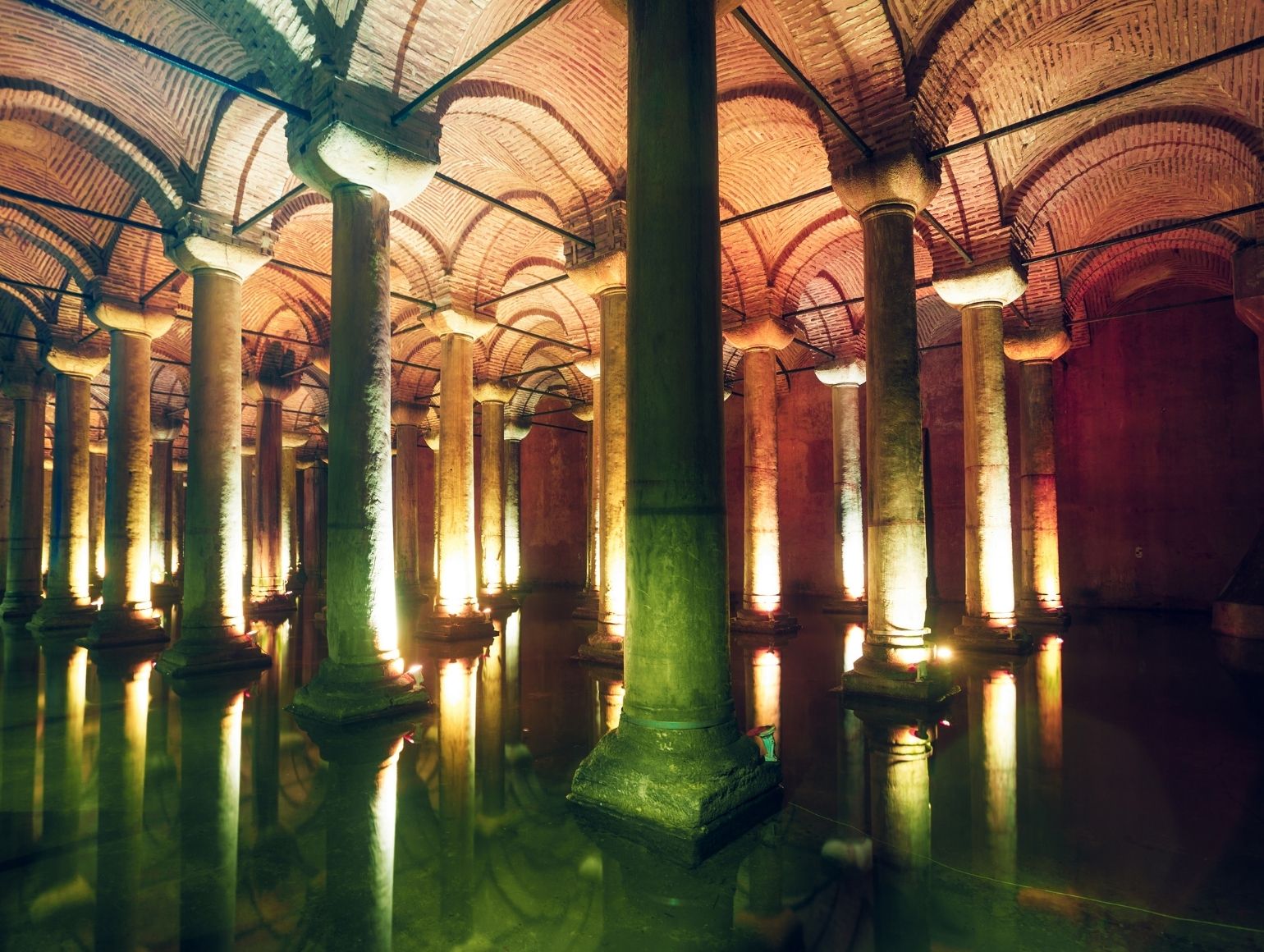
The most ambitious intervention came between 2017 and 2022, when the Istanbul Metropolitan Municipality (İBB) Heritage team undertook a full-scale restoration and redesign. Led by architect Doğu Kaptan of Atelye 70 Design and Planning, with lighting design by Adriano Caputo of Studio Illumina, this project went far beyond structural repair. It reconceived the cistern as a contemporary cultural space while preserving its historical character.
What Changed in the 2022 Restoration?
The restoration addressed several layers simultaneously. On the structural side, the team applied seismic reinforcement measures and performed earthquake risk mitigation, recognizing that the cistern sits in one of the most seismically active regions in Europe. Workers removed approximately 1,440 cubic meters of cement mortar that had been applied in earlier, less sensitive restorations, revealing the building’s original brick and stone textures beneath.
A new modular steel walkway was installed, physically separated from the historic structure to avoid placing additional stress on the original columns and vaults. This engineering decision allowed improved visitor circulation while protecting the archaeological fabric. The walkway design introduced cantilevered sections that give visitors closer views of architectural details, including the Medusa heads, without requiring contact with the original stonework.
The lighting redesign was perhaps the most visible change. The old fluorescent lighting was replaced with a dynamic LED system capable of color changes inspired by the zultanite gemstone (a color-shifting mineral found in Turkey). The lighting was designed to highlight the cistern’s columns, vaults, and water surfaces while preserving the atmospheric darkness that defines the visitor experience. Conservation-grade lights were selected to avoid UV damage to stone surfaces.
Contemporary art installations were also introduced, including sculptures and projections that interact with the water and column spaces. The additions were designed to be fully removable, ensuring they leave no permanent mark on the historic structure.
🏗️ Real-World Example
Basilica Cistern Restoration (Istanbul, 2022): Following the restoration, daily visitor numbers jumped from approximately 1,000 to nearly 10,000. In about 1,000 days of operation post-reopening, the site welcomed over 11 million visitors, making it one of Istanbul’s top three attractions alongside Hagia Sophia and Topkapı Palace. The project demonstrated how sensitive restoration combined with contemporary exhibition design can dramatically increase public engagement with heritage sites without compromising structural integrity.
The Basilica Cistern in Popular Culture
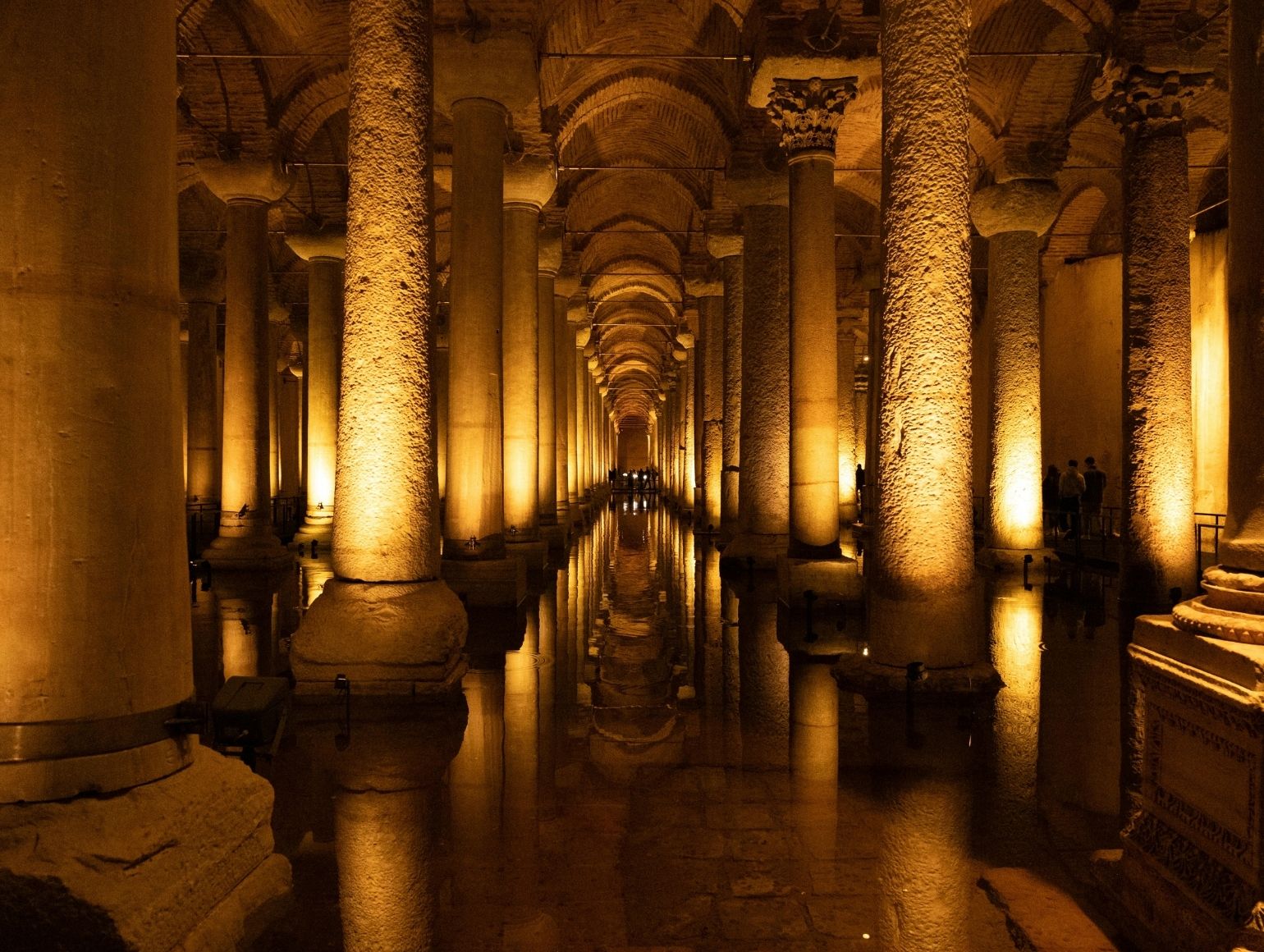
The cistern’s atmospheric interior has made it a recurring setting in film and literature. James Bond fans may recognize it from From Russia with Love (1963), where the cistern appears as a mysterious underground passage. More recently, Dan Brown’s novel Inferno (2013) used the cistern as a central plot location, and the subsequent film adaptation starring Tom Hanks brought renewed international attention to the site.
Photographer Ara Güler captured the cistern’s atmosphere in a series of photographs during the 1950s, when the space was still partially flooded and largely unrestored. These images documented the cistern in a raw, unlit state that no longer exists, making them an important historical record.
The cistern has also served as a venue for concerts, art exhibitions, and cultural events, particularly after the 2022 reopening introduced purpose-designed exhibition spaces. These cultural programs align with a broader trend in adaptive reuse, where historic structures are given new cultural functions alongside their heritage value.
How the Basilica Cistern Compares to Other Istanbul Cisterns
The Basilica Cistern is the largest but not the only surviving Byzantine cistern in Istanbul. The Binbirdirek Cistern (Cistern of Philoxenos), located roughly 500 meters to the southwest, is the second largest. Built in the 4th or 5th century, it originally contained 224 columns arranged in a double-tier system. The Theodosius Cistern (Şerefiye Sarnıcı), a smaller but well-preserved example, has recently been restored and opened as an alternative cultural venue.
These cisterns, along with hundreds of smaller ones scattered beneath Istanbul’s historic peninsula, formed an integrated water storage network that was essential to the city’s survival. Archaeologists estimate that over 200 cisterns were built beneath Constantinople during the Roman and Byzantine periods. Most remain inaccessible or have been filled in over the centuries, but each discovery adds to our understanding of the city’s extraordinary underground infrastructure.
| Feature | Basilica Cistern | Binbirdirek Cistern | Theodosius Cistern |
|---|---|---|---|
| Date Built | c. 532 AD | 4th-5th century AD | 5th century AD |
| Number of Columns | 336 | 224 (double-tiered) | 32 |
| Area | ~9,800 m² | ~3,640 m² | ~850 m² |
| Water Capacity | ~80,000 m³ | ~40,000 m³ | Unknown |
| Current Status | Open to visitors (restored 2022) | Open (event venue) | Open (cultural venue) |
| Notable Feature | Medusa head column bases | Double-stacked columns | Intimate scale, concerts |
Heritage Management and the 2026 Transfer Controversy
In June 2026, the basilica cistern istanbul made international headlines when its management was transferred from the Istanbul Metropolitan Municipality to the General Directorate of Foundations, a central government body under the Ministry of Culture and Tourism. The transfer caused a temporary closure and reignited a long-running debate about who should control Istanbul’s major heritage sites.
The cistern reopened on June 6, 2026, initially offering free weekend admission before returning to paid entry. The episode highlighted a broader pattern: since 2021, several Istanbul landmarks, including Galata Tower, Gezi Park, and the Pera Palace Hotel, have been transferred from municipal to central government control. Each transfer has raised questions about governance models for cultural heritage, the role of local versus national authorities in preservation, and how management changes affect visitor experience and site revenue.
For architects and heritage professionals, the situation offers a real-time case study in how ownership structures, conservation policy, and political dynamics interact when managing UNESCO-listed sites. The Basilica Cistern is part of the “Historic Areas of Istanbul,” designated a UNESCO World Heritage Site since 1985, and is nationally protected under Turkey’s Law No. 2863 on the Conservation of Cultural and Natural Property.
⚠️ Common Mistake to Avoid
Many visitors assume the Basilica Cistern is covered by the Istanbul Museum Pass or Museum Card. It is not. The cistern requires a separate ticket regardless of which pass you hold. Always check the current ticketing arrangement before visiting, especially given the recent management transfer in 2026, which may have changed pricing and access procedures.
Architectural Lessons from the Basilica Cistern
The Basilica Cistern offers several lessons that remain relevant to contemporary architecture and urban planning. First, it demonstrates how infrastructure can double as monumental architecture. The Byzantine engineers could have built a purely functional tank. Instead, they created a space with architectural presence, one whose column grid, vaulted ceiling, and spatial scale give it the character of a cathedral rather than a utility room.
Second, the cistern’s survival through nearly 1,500 years demonstrates the durability of well-executed hydraulic engineering. The Horasan mortar waterproofing, the thick firebrick walls, and the load-distributing column grid have required remarkably little structural intervention relative to the building’s age.
Third, the 2022 restoration provides a model for how adaptive reuse can work at a heritage site. The design team achieved a contemporary visitor experience without physically altering the historic fabric. Every new element, from the steel walkway to the LED lighting to the art installations, was designed to be removable. This “reversibility principle” is a core concept in modern conservation practice, and the Basilica Cistern applies it at an impressive scale.
Finally, the cistern reminds us that cities carry hidden layers. Beneath Istanbul’s streets lies an entire infrastructure network that shaped the city’s ability to survive and grow for over a millennium. For architects working in historic urban contexts, the cistern is a reminder to consider not just what is visible on the surface but what might exist below it. Understanding a city’s architectural history often means looking underground.
💡 Pro Tip
Architecture students visiting the Basilica Cistern should pay close attention to the column capitals. Because they are spolia from different Roman-era buildings, you can identify Corinthian, Ionic, and Doric orders all within a single structure. Sketching three or four different capitals during your visit is one of the most effective ways to internalize the visual differences between the classical orders.
Video: The Basilica Cistern Built by Justinian
This short documentary walks through the construction history, water engineering, and architectural features of the Basilica Cistern, placing it in the context of Justinian’s wider building program in Constantinople.
✅ Key Takeaways
- The Basilica Cistern was built around 532 AD under Emperor Justinian I to store water transported from the Belgrade Forest via aqueducts, solving Constantinople’s seasonal water shortages.
- Its 336 columns are spolia recycled from older Roman structures, displaying a mix of Corinthian, Doric, and Ionic capitals in a single underground space.
- The two Medusa head column bases at the northwest corner are likely practical recycled elements rather than symbolic placements, though their origin remains debated.
- The 2022 restoration by Istanbul Metropolitan Municipality transformed the cistern from a basic heritage site into a contemporary cultural venue, increasing daily visitors from 1,000 to nearly 10,000.
- The cistern’s 2026 management transfer from municipal to central government control raised ongoing questions about heritage governance at UNESCO-listed sites.
Final Thoughts
The basilica cistern turkey has survived empires, earthquakes, fires, and centuries of neglect. It was built as infrastructure, forgotten, rediscovered, and eventually reinvented as a cultural landmark. Each phase of its existence reflects the priorities of the era: Byzantine engineering ambition, Ottoman pragmatism, 20th-century heritage awareness, and 21st-century cultural tourism. For anyone interested in how architecture endures and adapts across time, the Basilica Cistern is one of the most complete case studies on earth. Standing among its 336 columns, you are not just inside a building. You are inside a 1,500-year argument about what cities owe to the structures beneath their feet.
Visitor information, including ticket prices and opening hours, may change due to the recent management transfer. Check the latest details before planning your visit.




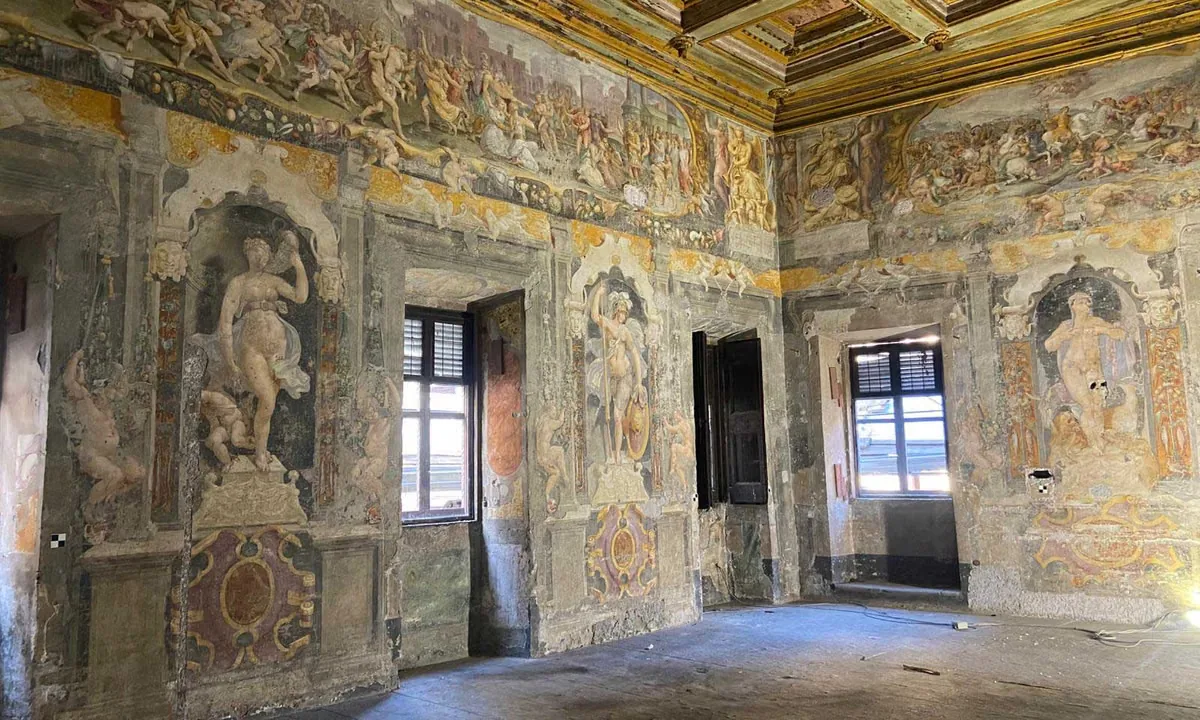
Restorers Uncover 16th-Century Murals Hidden by Nuns in Villa Silvestri Rivaldi
Conservators in Rome are uncovering 16th-century murals hidden for 300 years inside...
 illustrarch Editoral Team3 Mins read
A 2,500-Year-Old Solar Observatory in Puebla Is the First Group E Complex Found Outside the Maya Area
Archaeologists working for Mexico's INAH have confirmed that two platforms at Teteles...
illustrarch Editoral Team2 Mins read
India Art, Architecture & Design Biennale 2026: Ministry of Culture Opens Delhi Monuments
Delhi's monuments, including Purana Quila and the Red Fort, will host the...
illustrarch Editoral Team2 Mins read

Donald Insall, the Conservation Architect Who Led Windsor Castle’s Restoration, Dies at 100
Donald Insall, the British architect who turned conservation into a planning discipline...
illustrarch Editoral Team2 Mins read


Leave a comment