

UNIDO Regional Hub
The UNIDO Regional Hub in Beirut, designed by Ali Salha, reimagines the workplace as a vertical village of garages that fosters collaboration and innovation among startups.
 illustrarch Editoral Team18 March 20211 Mins read385


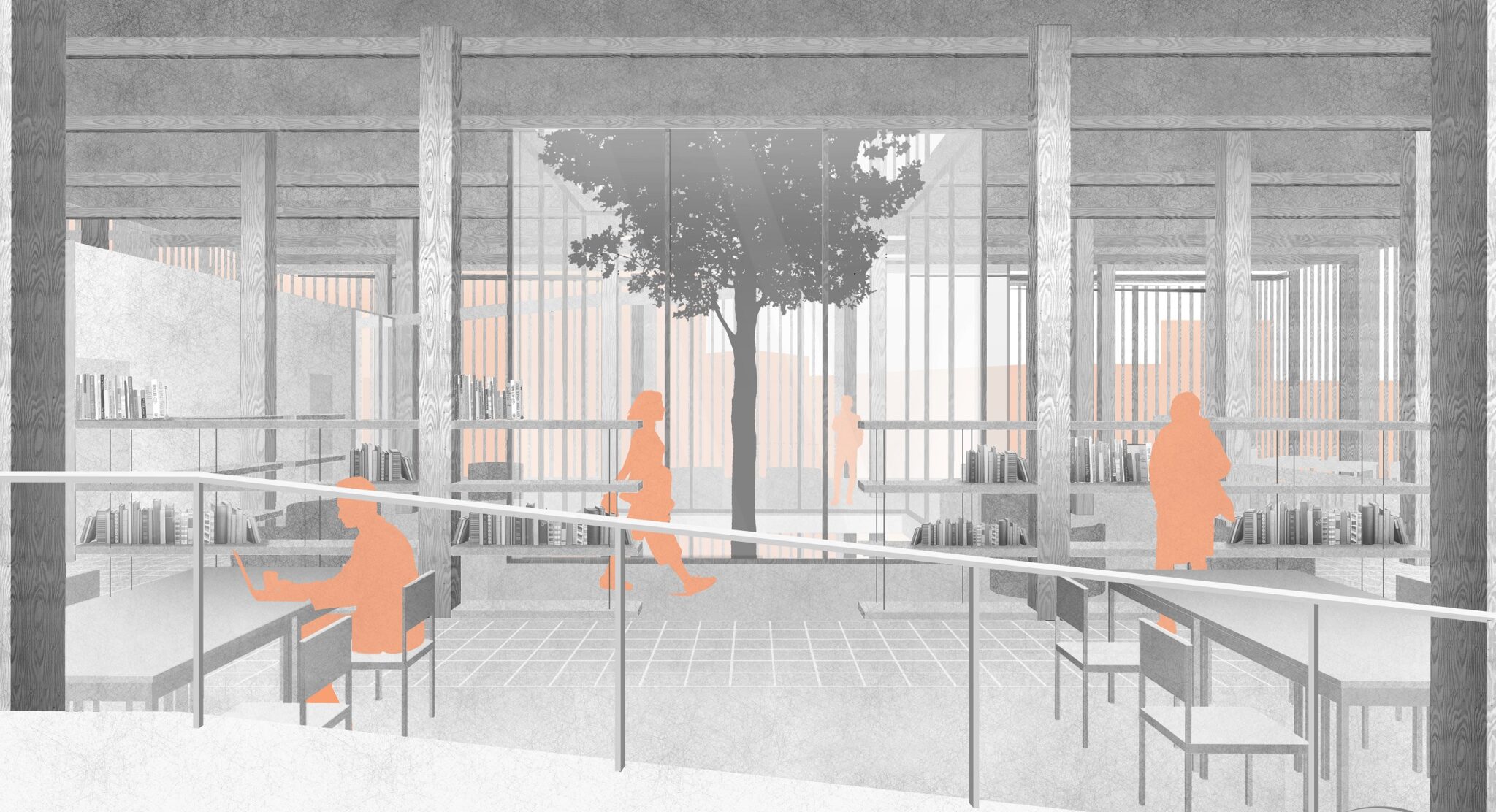
The UNIDO Regional Hub by architect Ali Salha reimagines the workplace as a stacked collection of garages, recalling the modest spaces where companies like Apple and Microsoft built their first products. By placing these garages one over another, the project gives rise to a dynamic vertical village in Beirut, Lebanon, where startups can inspire one another, collaborate across sectors, exchange knowledge, and produce unexpected, paradigm-shifting creations.
At the heart of the design lies a tension between geometric order, which results from deliberate planning, and chaos, which emerges from self-organizing processes. Salha takes this duality as the main idea, working to reflect the chaotic attitude of urban planning in west Beirut and to blur the boundaries between chaos and order across many levels: form, structure, spatial configuration, and program through the integration of facilities. The garage metaphor anchors this ambition, treating each unit as a small incubator capable of growth and reinvention.
The Office as a Vertical Community
Designing an office building for collaboration involves more than stacking floors of desks. The most engaging workplaces encourage chance encounters, give teams room to expand or contract, and keep circulation open so that knowledge moves freely between groups. A vertical village answers these needs by breaking the rigid floor plate into smaller, identifiable territories, each with its own character, while shared routes and overlaps invite the cross-pollination that early-stage companies depend on.
The decision to root the concept in the fabric of Beirut gives the scheme a distinctly local voice. The city’s layered, improvised growth offers a model of urban planning that is far from tidy, and Salha embraces that informality rather than smoothing it away. By letting apparent disorder coexist with a clear underlying structure, the hub captures something true about how cities and creative communities actually develop.
For an incubator dedicated to startups, this balance carries real meaning. Order provides the framework that keeps a busy building legible and usable, while controlled chaos leaves space for the unplanned ideas that drive innovation. Read as a single gesture, the UNIDO Regional Hub argues that a workplace can be both a piece of infrastructure and a living neighborhood, shaped as much by its occupants as by its architect.



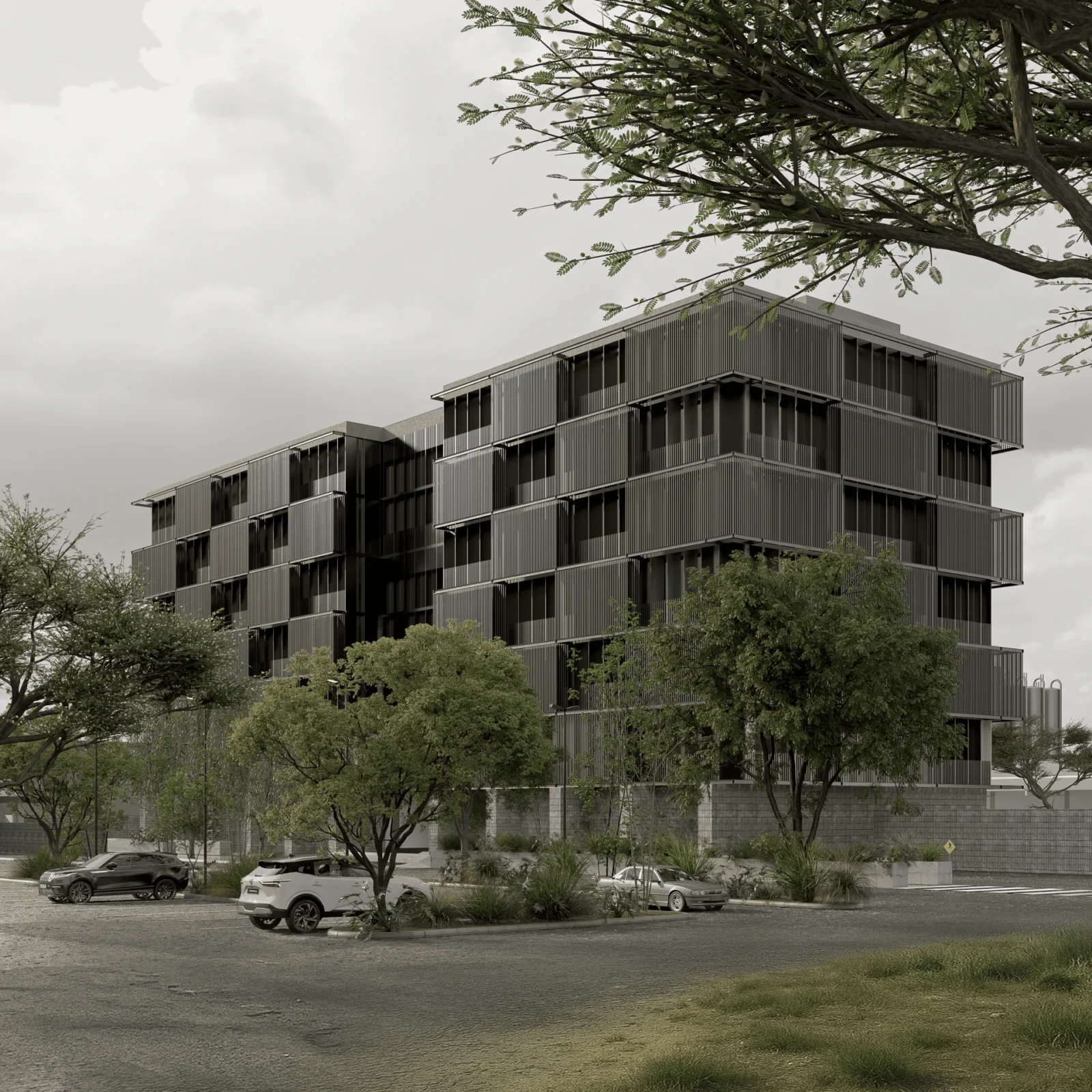
Corporativo MGP by Sensorial Arquitectura
A corporate project exploring the duality between rigidity and softness, seeking a...
illustrarch Editoral Team2 Mins read
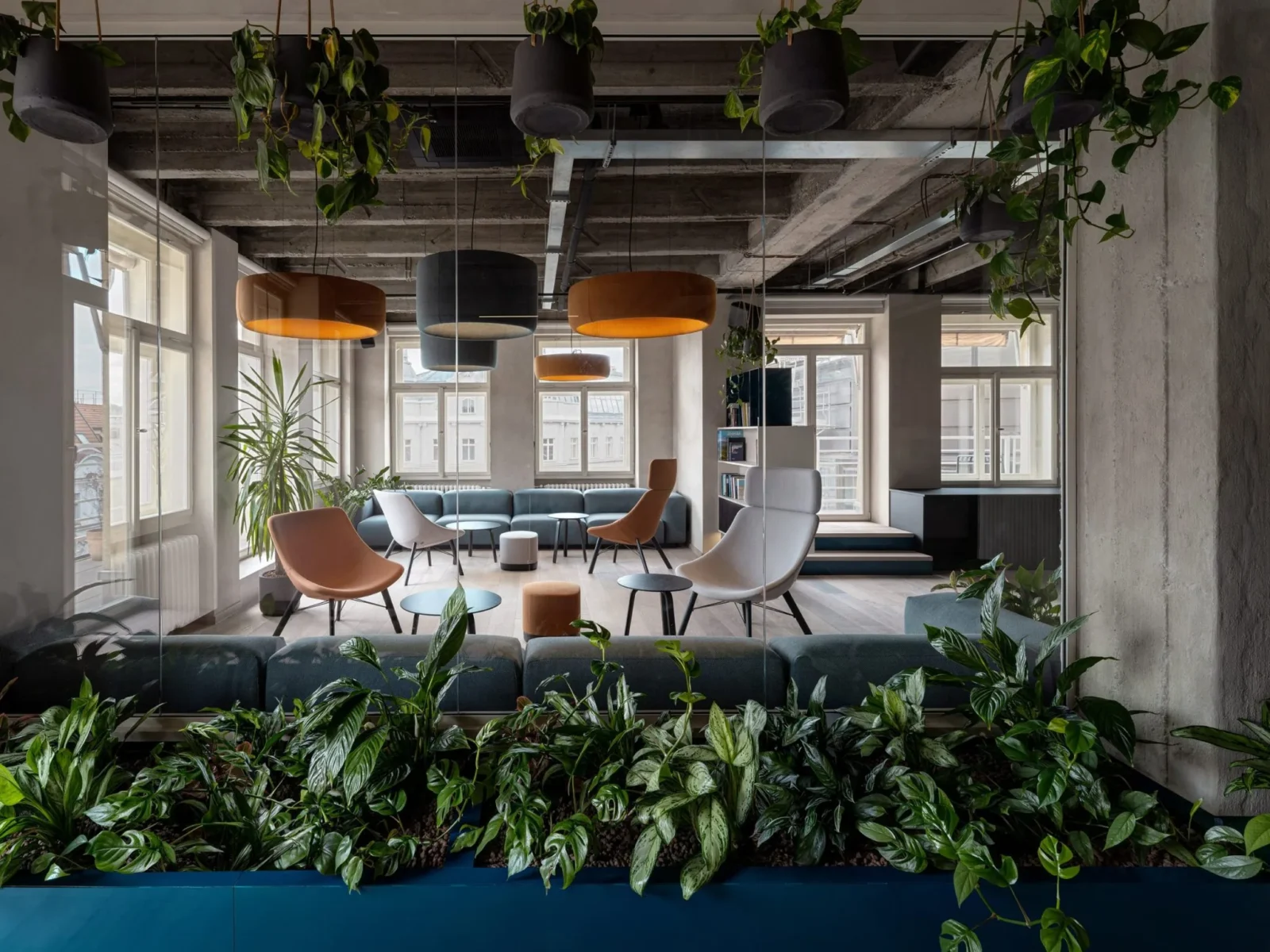
Office That Breathes by archicraft
For the people who work here, the outcome is an office that...
illustrarch Editoral Team2 Mins read
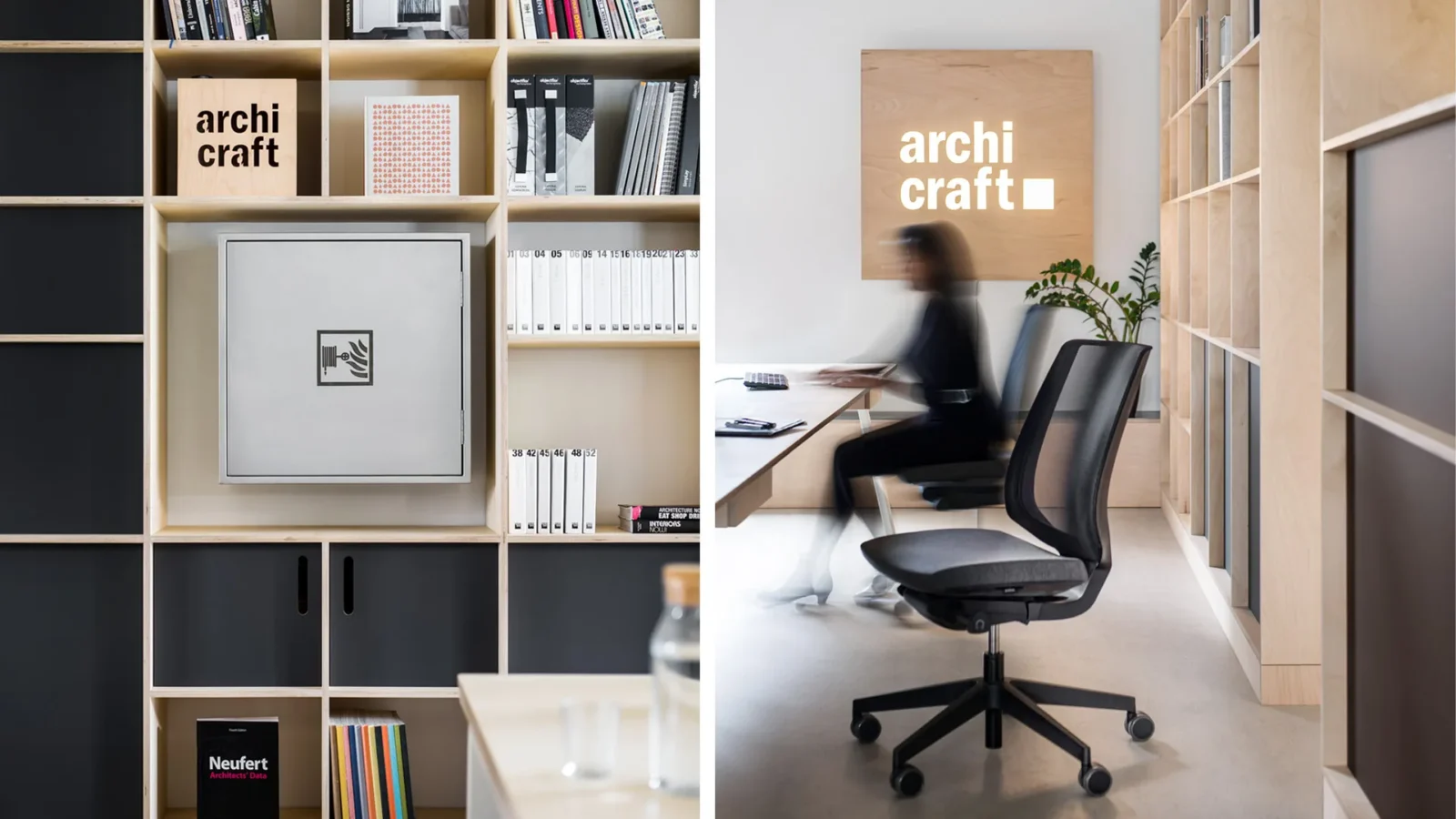
Archicraft Studio by archicraft
archicraft designed and built its own Prague studio, stripping the shell back...
illustrarch Editoral Team2 Mins read

NAB 3 Parramatta Square & NAB 2 Carrington St. Offices by Woods Bagot
NAB 3 Parramatta Square and NAB 2 Carrington Street by Woods Bagot...
 Begum Gumusel4 Mins read


Leave a comment