

HEALING GARDENS – Designing Spaces for Wellness and Reflection
This competition challenges architects and landscape designers to envision gardens as therapeutic environments, where nature, space, and sensory experience promote wellness and recovery.
 Bahattin Duran8 January 20263 Mins read130

Table of Contents Show
Introduction
In an increasingly fast-paced and often stressful world, the profound impact of nature on health and well-being has never been more critical. Healing gardens, designed as therapeutic landscapes, provide restorative environments that foster physical, mental, and emotional wellness. These gardens serve as sanctuaries where individuals can retreat from the pressures of daily life, reconnect with nature, and engage in reflective practices. This competition invites architects, landscape designers, and artists to envision healing gardens as transformative spaces that harmoniously blend nature, design, and wellness. Participants are encouraged to explore innovative concepts that not only enhance the aesthetic appeal of these environments but also reflect the cultural narratives and diverse traditions associated with healing practices around the globe. By integrating local flora and fauna, the designs should aim to enhance biodiversity, supporting local ecosystems while promoting a sense of connection to the environment. Moreover, sustainability is paramount; participants should prioritize eco-friendly practices that minimize environmental impact and promote resilience against climate change. This includes utilizing native plant species, implementing water conservation techniques, and creating spaces that encourage biodiversity. Ultimately, the goal is to create serene environments that inspire healing, reflection, and community engagement. By fostering spaces where individuals can immerse themselves in nature’s beauty and tranquility, we can contribute to a holistic approach to well-being that transcends traditional therapeutic practices. This competition challenges you to push the boundaries of design and redefine the potential of healing gardens in nurturing both body and spirit.Objective
The primary objective of this competition is to design a healing garden that transcends conventional landscape architecture, providing a multifaceted environment for restoration and wellness. Participants are challenged to envision spaces that not only enhance individual well-being but also foster community connections. By integrating thoughtful design principles with the therapeutic benefits of nature, the healing garden should serve as a sanctuary that invites visitors to engage with their surroundings and cultivate a sense of peace and mindfulness. Designers are encouraged to consider the holistic experience of users, addressing both the physical and emotional aspects of healing. The garden should incorporate elements that promote relaxation, sensory engagement, and introspection, creating an environment that caters to diverse needs and encourages exploration. Furthermore, participants should prioritize inclusivity, ensuring that the garden is accessible to all members of the community, regardless of age or ability. Through this competition, we aim to inspire innovative and sustainable design solutions that celebrate the profound relationship between nature and human well-being. Participants should consider how their designs can educate visitors about the importance of nature in promoting health, while also enhancing biodiversity and fostering environmental stewardship.Discount Tiers:
- 5% Discount : Available for universities that register 10 individual or team participants.
- 10% Discount : Available for universities that register 20 individual or team participants.
- 30% Discount : Available for universities that register 40 individual or team participants.
Prizes:
- 1500 USD
- E-CERTIFICATES
- INTERVIEWS
- PUBLICATION
- & MORE
Registration Now:
Click here to register.Organizers:
Archiol CompetitionsWhat Makes a Garden Therapeutic
Healing gardens are guided by a growing body of research into how nature affects the body and mind. Studies in environmental psychology have linked views of greenery to lower stress, reduced blood pressure, and faster recovery in clinical settings. Two ideas are often cited: attention restoration, which describes how natural scenes give the mind a gentle break from constant focus, and the stress reduction response, which describes the calming effect of safe, natural surroundings. A successful healing garden translates these ideas into physical form rather than treating planting as decoration alone.
Design Elements to Consider
Several recurring elements help a garden support wellness. Clear, accessible paths invite gentle movement and orientation. Seating placed in both sunlit and shaded spots lets visitors choose comfort and privacy. Water features add soothing sound and can mask urban noise. Sensory planting that engages sight, smell, touch, and even taste deepens engagement, while shelter and a sense of enclosure provide a feeling of safety. Balancing open lawns with intimate alcoves gives users a range of experiences, from quiet solitude to shared gathering.
Sustainability and Local Ecology
The brief’s emphasis on sustainability reflects current best practice in landscape design. Choosing native plant species reduces the need for irrigation and chemical inputs while supporting local pollinators and wildlife. Water conservation techniques such as rain gardens, permeable surfaces, and on-site harvesting lower demand on municipal supplies. Designing for biodiversity not only strengthens the ecosystem but also enriches the sensory variety that makes a garden feel alive. These strategies tie the project’s wellness goals to broader environmental resilience.
Inclusivity and Community Use
An effective healing garden welcomes people of all ages and abilities. Universal design principles, such as gentle gradients, firm path surfaces, rest points, and clear wayfinding, ensure the space serves wheelchair users, older visitors, and children alike. Beyond individual restoration, gardens can host community activities like group therapy, gardening programs, or quiet events, which build social connection. Considering both solitary reflection and shared use helps a design meet the competition’s call for spaces that nurture both body and spirit.
Tips for a Strong Competition Entry
When preparing a submission, ground the concept in a clear narrative that explains how the design promotes healing. Show the user journey through the space, demonstrate sensory and seasonal variety, and document sustainable choices with simple diagrams. Strong entries pair atmospheric imagery with plans and sections that prove the ideas work spatially. Reviewing the discount tiers and registration details early also helps teams plan participation and meet deadlines without last-minute pressure.



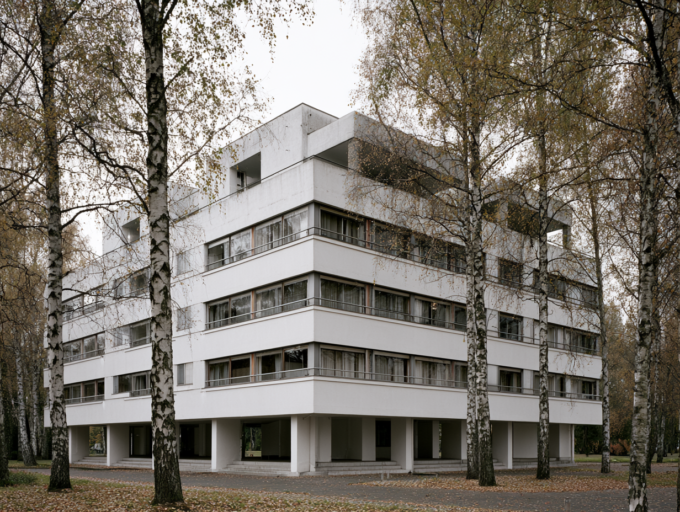




Architecture in Geometry: From Basic Shapes to Complex Forms
Geometry gives architecture its order. This breakdown shows how basic shapes like...
 Furkan Sen7 Mins read

Best Portable Monitors for Architects: 2026 Buying Guide
Portable monitors let architects keep a dual-screen workflow on site visits, in...
Furkan Sen7 Mins read
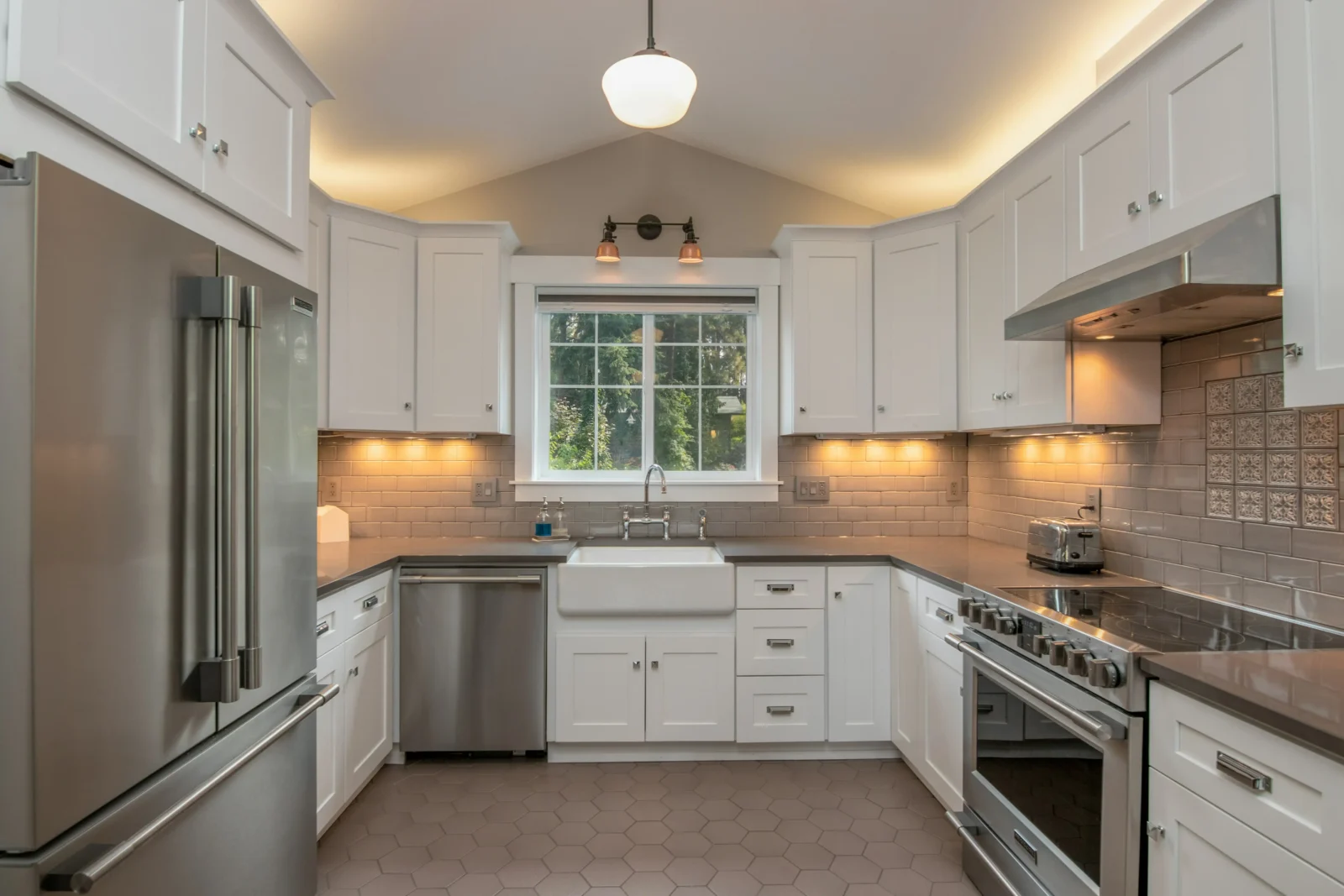
Why Custom Kitchens Are Becoming a Must-Have in Modern Homes
Table of Contents Show Designed for the Reality of NYC LivingMaximizing Every...
 illustrarch Editoral Team2 Mins read

Designing Physical Brand Touchpoints for Architecture Studios
Table of Contents Show Think Beyond the LogoMatch the Object to the...
illustrarch Editoral Team5 Mins read


Leave a comment