

Inspirational Stories #20: Sanjay Puri Architects
In the 20th edition of our Inspirational Stories series, Sanjay Puri Architects shares how climate, cultural context and local materials shape every project, why bold geometry has to emerge from the plan, and what three decades of contextual design have taught the Mumbai studio.
 Elif Ayse Sen31 August 20265 Mins read84
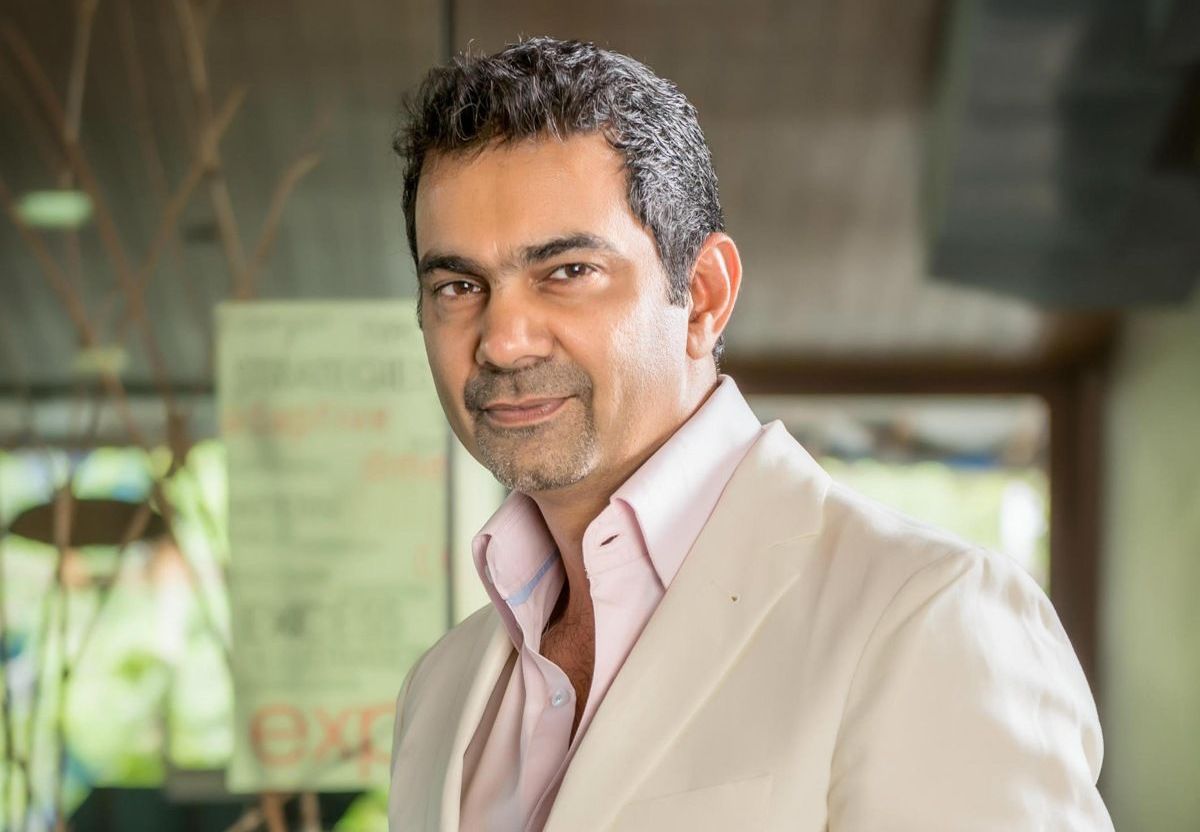

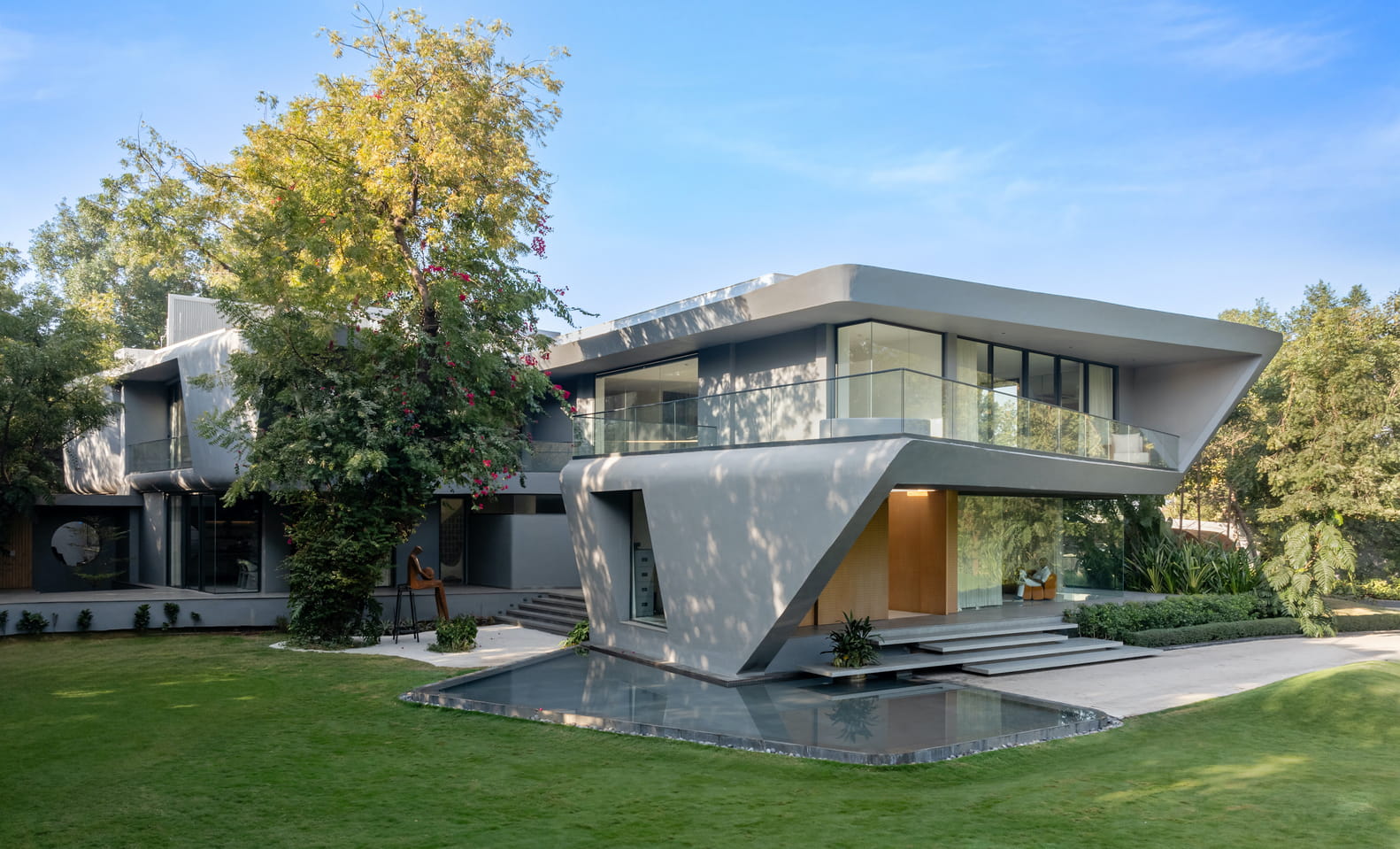

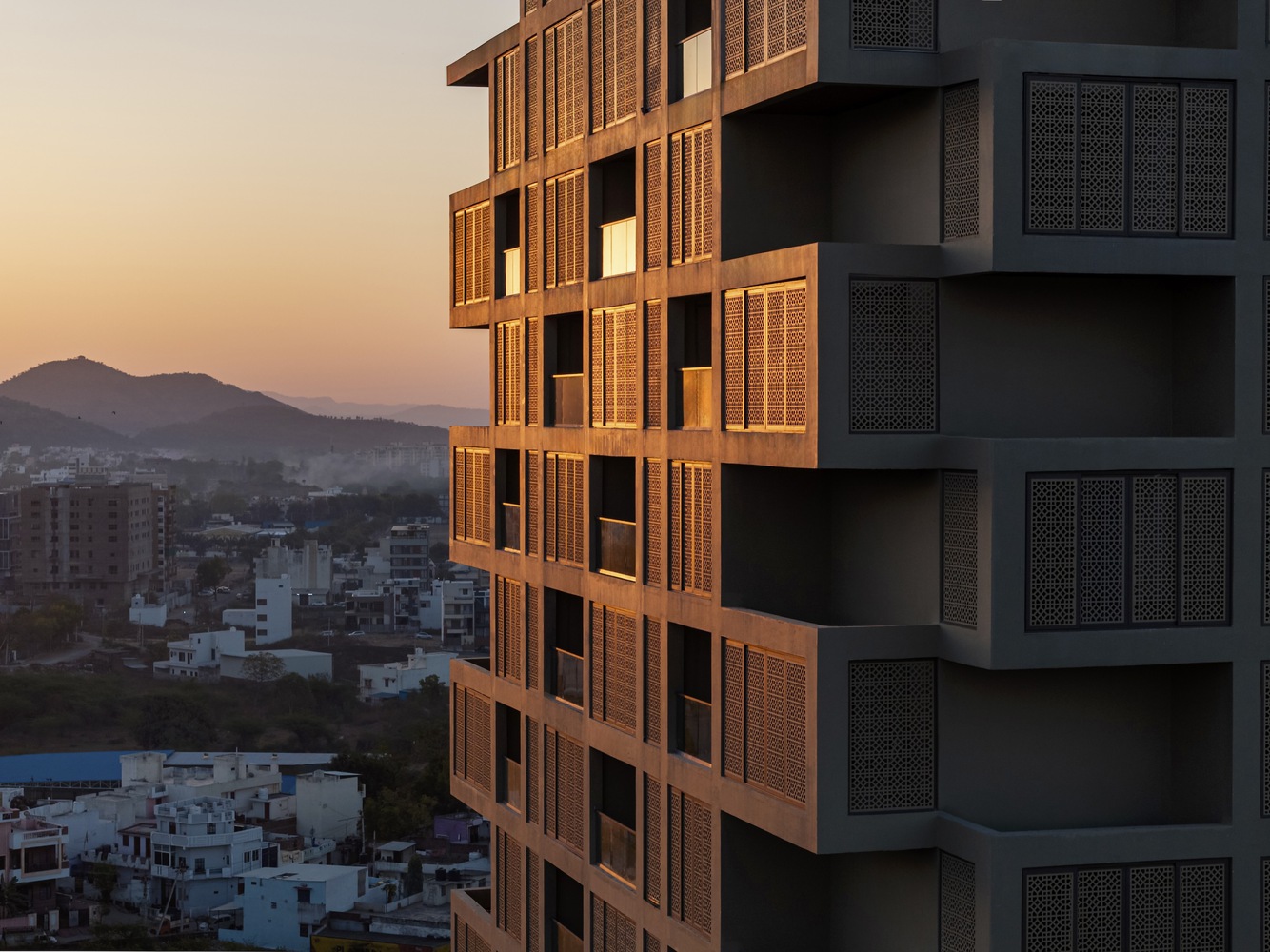

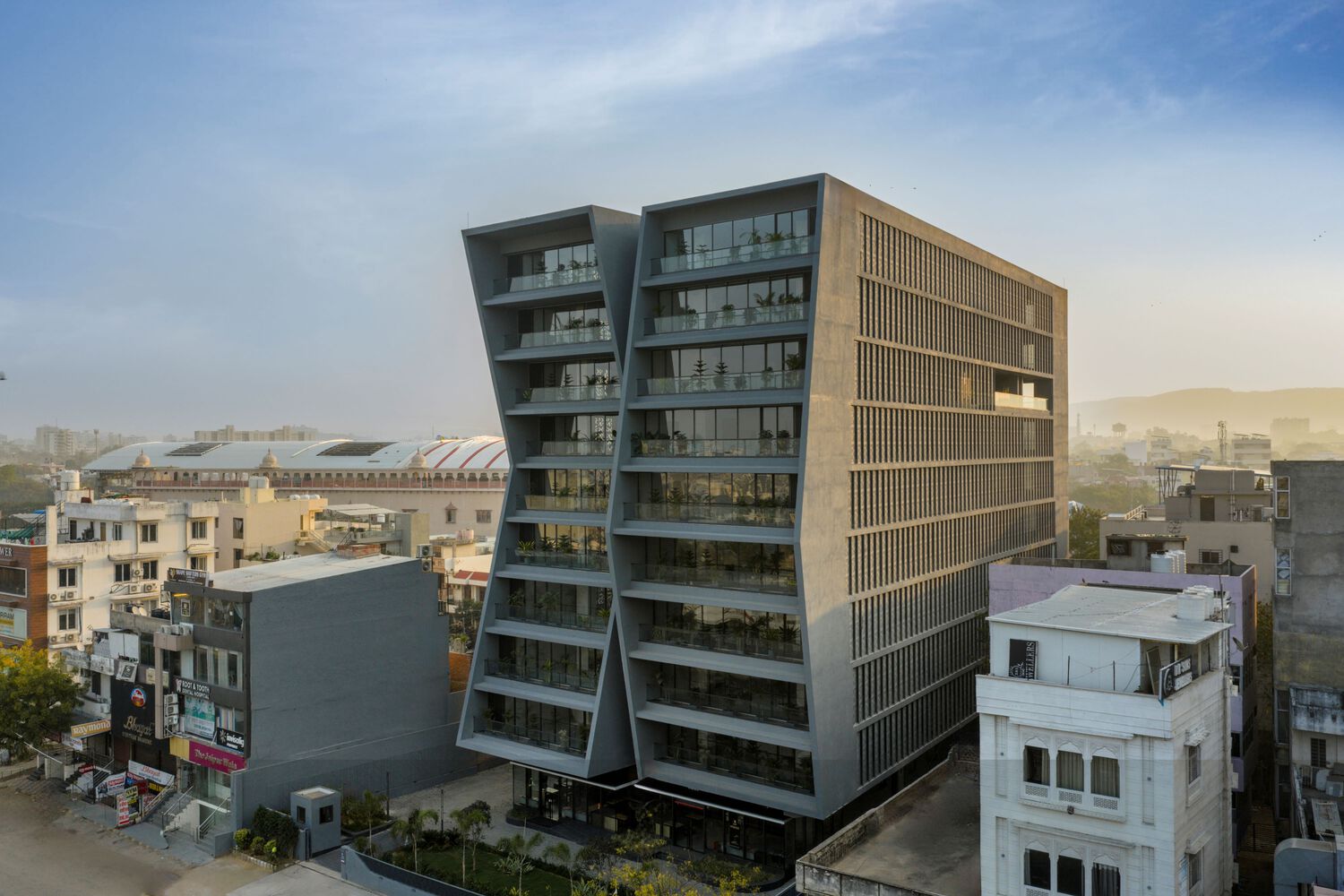
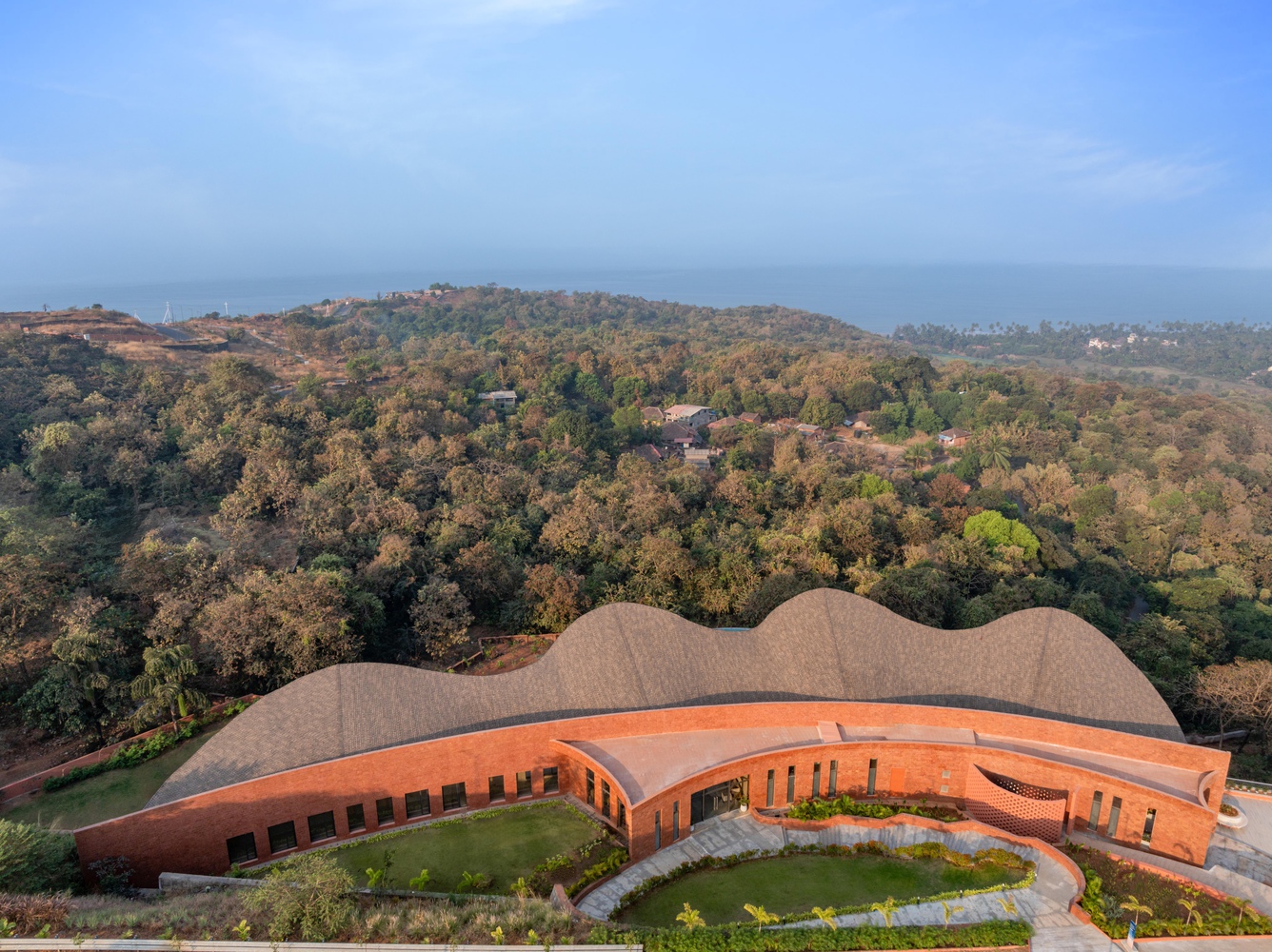
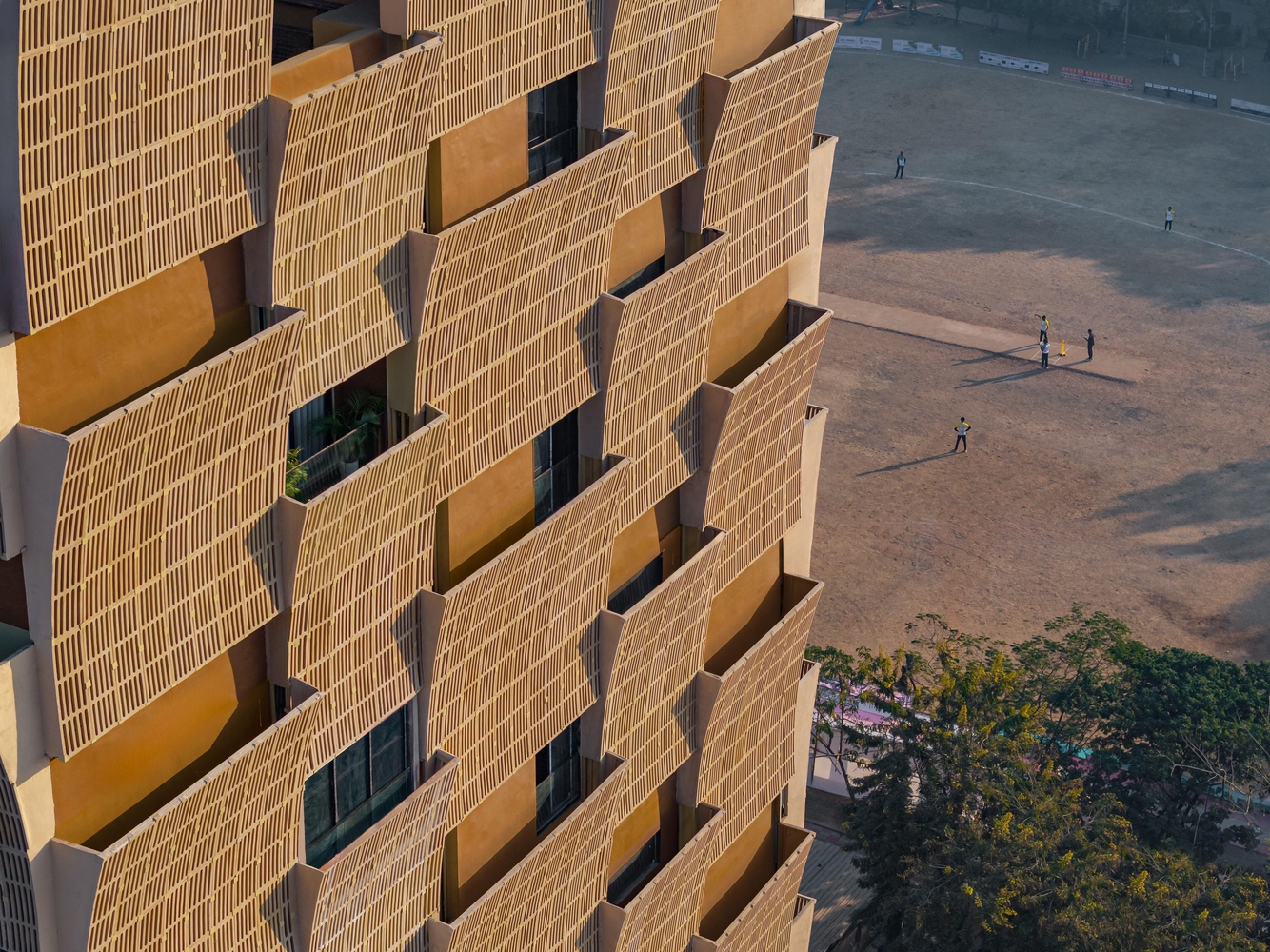
Table of Contents Show
In the 20th edition of our Inspirational Stories series, we are pleased to feature Sanjay Puri Architects, @sanjay_puri_architects on Instagram, a Mumbai-based practice founded in 1992 by Sanjay Puri and Nina Puri. Both graduated from the Academy of Architecture, Mumbai in 1988, and Sanjay worked at the office of Hafeez Contractor for nine years, five of them alongside his studies and four more as a Senior Associate, before opening the practice. The studio now employs a team of 108 and is engaged on projects across 51 Indian cities, with commissions in Australia, Spain, Montenegro, the UAE, Oman and the United States.
Along the way the firm has collected more than 475 awards, among them the Architizer A+ Awards Overall Sustainable Design Firm of the Year 2024 in New York and the World Architecture Community International Architect of the Year 2024. It is ranked number 32 on Archello’s Top 100 architects worldwide and appears again on the World Architecture Festival 2026 shortlist with a completed project in Indore. In this conversation, Sanjay Puri reflects on three decades of contextual design, the role climate plays in every brief, and what he has learned from judging architecture from the other side of the table.
How would you describe the journey of Sanjay Puri Architects from its early days to becoming one of India’s most recognized global practices?
Sanjay Puri: It has been an extremely challenging yet rewarding journey since we began our practice in 1992. Many of our ideas initially faced strong resistance, requiring significant effort to convince clients to embrace designs that were contextual and distinctive. Additionally, we encountered challenges in explaining unconventional details to contractors unfamiliar with such approaches. The realization of these ideas was driven by our belief that every design must have meaning and respond thoughtfully to its context.
That last sentence is worth pausing on, because it describes a practice that had to build its own audience before it could build its portfolio. Three decades later, the same conviction reads as a competitive advantage rather than an obstacle.
With projects across 50+ Indian cities and multiple continents, how does your team adapt design strategies to different climates and cultural contexts?
Sanjay Puri: The climate of each location plays a crucial role in shaping the conceptualization of our designs. Equally important are the cultural context, local traditions, and availability of materials. By carefully considering these factors, each project evolves as a unique response to its specific setting.
India alone spans hot and dry, warm and humid, composite, temperate and cold zones, so a strategy that works in Rajasthan will fail in Goa. This is the same logic that underpins the way climate shapes local architecture everywhere, from courtyard planning in arid regions to raised, ventilated forms in monsoon belts.
Sustainability appears to be a core theme throughout your award-winning projects. Would you agree with this characterization, and what principles guide your approach to sustainable design today?
Sanjay Puri: We consistently strive to reduce the embodied carbon footprint of our projects. By responding to climate conditions, minimizing heat gain through passive cooling, and integrating energy-efficient strategies, we significantly reduce the overall lifecycle impact of our buildings.
Two things stand out in that answer. The first is the emphasis on embodied carbon rather than operational performance alone, which is where the profession has been slowest to move. The second is that the tools named are architectural, not mechanical. Orientation, massing, shading and airflow decide most of a building’s energy story before any equipment is specified, which is the founding premise of passive design architecture.
Many of your buildings explore bold geometries and spatial experimentation. What drives this ongoing pursuit of new architectural forms?
Sanjay Puri: We believe every building should possess a distinct identity and character. While basic geometry has historically guided architectural design, our approach explores diverse geometries emerging from organic planning. This exploration creates spaces that are not only unique in form but also rich in experiential quality.
The phrase “emerging from organic planning” is the key one. The geometry is presented as an outcome of how the plan is organised rather than as a shape applied to it, which is what separates a formally ambitious building from a merely decorative one. It also explains why the studio’s work sits so comfortably alongside the wider revival of contemporary vernacular architecture, where form follows the demands of sun, wind and material rather than a signature style.
Having served as a juror for major global awards, how has this experience shaped your perspective on contemporary architecture?
Sanjay Puri: Serving on juries for international award programs offers exposure to a wide range of ideas, scales, and typologies from across the world. While the process is intensive and demands careful evaluation of multiple aspects, it is equally enriching and serves as a valuable learning experience.
Sanjay was the first Indian architect invited to judge the World Architecture Festival, sitting on juries in Barcelona, Singapore, Berlin, Amsterdam and Lisbon, and has also judged The Architectural Review Awards, the Dezeen Awards, The Plan Awards in Italy and the INDE Awards in Australia. For anyone weighing whether entering is worth the effort, that vantage point is instructive: our overview of the most significant architecture awards and our look at how architectural competitions drive innovation cover what juries actually reward.
Looking ahead, what directions or challenges do you believe will define the next phase of Sanjay Puri Architects’ work?
Sanjay Puri: With each project, we aim to develop cohesive design solutions that are both functional and experiential. This pursuit of thoughtful, distinctive design will continue to guide our work at every stage.
The studio’s current pipeline suggests where that leads. Shiva 1800 in Silwa, a project negotiating the relationship between a historic setting and a contemporary intervention, won the new and old category at the AR Future Projects Awards 2026 and was highly commended overall, while completed work continues to appear on international shortlists.
Across these six answers, a consistent method emerges: read the climate first, then the culture, then what can actually be sourced and built nearby, and let the form follow from that sequence rather than precede it.
What makes the studio useful to younger practices is not the awards count but the discipline underneath it. Every unusual geometry in the portfolio is traceable back to a plan, a sun angle or a local material, and the resistance the office met in its early years came from insisting on that logic before clients and contractors were ready for it. For students and emerging architects, the encouraging part of this story is how ordinary the starting conditions were. A studio founded in 1992 with ideas nobody wanted, run by two architects from the same graduating class, became one of the most awarded practices in the world by refusing to design the same building twice. To explore more of their work, visit the Sanjay Puri Architects project archive or browse their published projects on designboom.
🔗 See also Inspirational Stories #16: Egemen Karakaya · Inspirational Stories #17: Ambientevario · Inspirational Stories #18: Arch-Exist Photography · Inspirational Stories #19: KOOP Architects




Inspirational Stories #19: KOOP Architects
In the 19th edition of our Inspirational Stories series, KOOP Architects shares...
Elif Ayse Sen6 Mins read

Inspirational Stories #18: Arch-Exist Photography
In the 18th edition of our Inspirational Stories series, Arch-Exist Photography shares...
Elif Ayse Sen4 Mins read

Inspirational Stories #17: Ambientevario
In the 17th edition of our Inspirational Stories series, Ambientevario shares how...
Elif Ayse Sen6 Mins read

Inspirational Stories #16: Egemen Karakaya
In the 16th edition of Inspirational Stories, we feature Egemen Karakaya, an...
Elif Ayse Sen4 Mins read


Leave a comment