

Revitalize Your Home’s Exterior with These Practical Renovations
Home exterior renovations enhance visual appeal and resale value through landscaping, paint, entryway upgrades, and roofing improvements that create a strong first impression.
 Muhammad Abdullatef - Tifa Studio6 February 20245 Mins read377

Table of Contents Show
Home exterior renovations are targeted updates to a property’s outer surfaces, entry points, and surrounding grounds that raise both visual appeal and resale value. The highest-impact projects usually combine fresh landscaping, refreshed paint, an upgraded entryway, and well-maintained roofing, giving any house a stronger first impression from the street.
The outside of a house sets expectations before anyone steps through the door. A clean, considered exterior lifts the curb appeal and supports the long-term value of the property. The phrase itself describes the attractiveness of a property as viewed from the street, and it carries real weight whether you plan to stay for years or list the home for sale. The renovation ideas below cover the areas that return the most value for the effort.
Landscaping Enhancements
Landscaping frames everything else on the property, so it is a smart place to begin. Adding flower beds, reviving a tired lawn, and updating outdoor lighting can shift the whole mood of a front yard. Colorful shrubs near the entry, neat borders along walkways, and warm fixtures that wash light across the facade at dusk all build a sense of care. Grouping plants by their water needs keeps maintenance manageable, a practice the EPA describes in its WaterSense landscaping tips on choosing regional, low-water species.
Hardscape matters as much as planting. A cracked or stained driveway pulls attention away from a tidy yard, so resurfacing or replacing it can change the read of the entire frontage. If you are weighing materials, our breakdown of the best pavers for a driveway covers durability and cost trade-offs. Healthy turf ties it together, and there is good reason to treat it seriously, as our guide on why lawn care matters for your landscape explains.
💡 Pro Tip
Plant in odd-numbered groupings of three or five rather than straight rows. Staggered clusters read as intentional design instead of a nursery layout, and they fill in gaps faster as the plants mature. Layer height from tall at the back to low at the border so beds keep depth even in winter.
Roof and Siding Upgrades
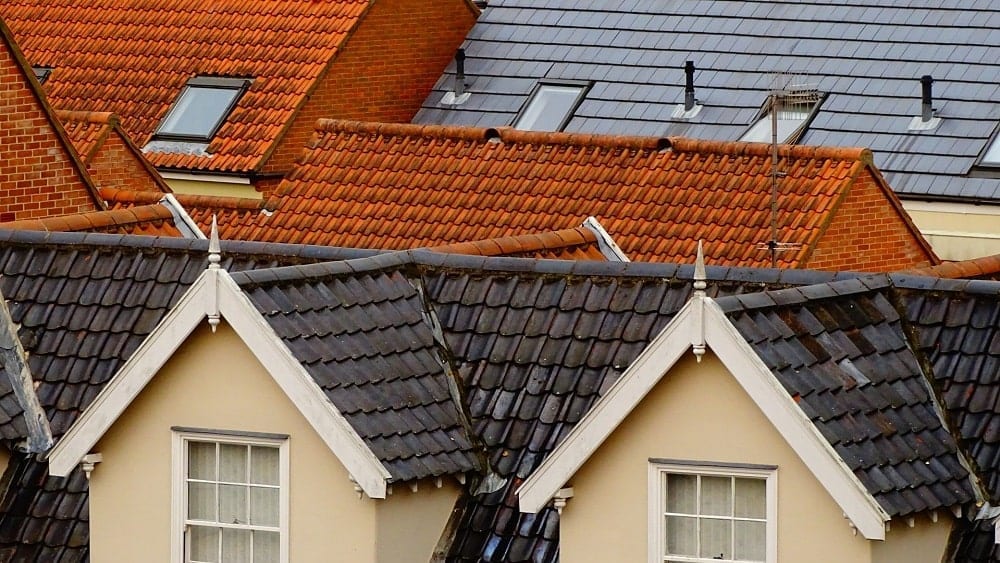
A roof and its siding protect the structure from weather while shaping how the house reads from the curb. Both wear visibly over time, and tired surfaces can undercut every other update you make. Choosing durable materials and finishes that match the home’s style keeps the result coherent rather than patched together. Working with experienced roofing contractors, such as the ones that can be found on this page, helps you weigh options for energy-efficient shingles or low-maintenance siding. Our notes on essential roofing upgrades walk through what to check before committing.
Siding deserves the same scrutiny as the roof. Faded, warped, or cracked panels read as neglect even when the rest of the house is sound. Fiber cement, engineered wood, and quality vinyl each balance appearance, upkeep, and resilience differently, so match the choice to your climate and how much maintenance you want to take on. Pair any new siding with proper flashing and a continuous moisture barrier behind it, since water that gets trapped against sheathing causes far more damage than a worn surface ever would. A coordinated roof and siding refresh also tends to read as a single deliberate project rather than a series of patches.
Exterior Paint and Finishes
Few projects reset a home’s appearance as quickly as new paint. A modern palette, whether confident contemporary tones or quiet neutrals, can make a dated facade feel current again. The finish carries weight too. High-grade exterior coatings hold up against sun, rain, and temperature swings, so the surface stays protected long after the color stops looking fresh. Test swatches on more than one wall and view them at morning and evening light before deciding, since orientation changes how a color behaves through the day.
📌 Did You Know?
Lighter exterior colors reflect more solar radiation than dark ones, which can lower the surface temperature of walls and the cooling load behind them. The U.S. Department of Energy notes that reflective exterior surfaces are a recognized strategy for reducing heat gain in warm climates.
Front Door and Entryway Upgrades
The entry is the focal point of any facade, so it rewards attention. A solid, well-chosen front door lifts curb appeal and signals quality the moment a visitor approaches. Updated hardware, a fresh house number, and a pair of lights flanking the door sharpen the look without a major budget. The practical gains matter too. Insulated doors and proper weatherstripping cut drafts and trim energy bills, and the Department of Energy outlines the same principles in its guidance on weatherizing and air sealing a home. If aging windows sit near the entry, the DOE resource on updating or replacing windows is worth a read, since glazing accounts for a sizable share of heating and cooling loss.
⚠️ Common Mistake to Avoid
Homeowners often replace a door but skip resealing the frame, then wonder why drafts remain. The gap between the jamb and the rough opening is a common leak path. Add or renew weatherstripping and a door sweep at the same time as the swap, or the new door will underperform.
Outdoor Living Spaces
Outdoor rooms have become one of the most requested exterior features, extending usable space beyond the walls of the house. Patios, decks, shaded lounges, and dining areas give families a place to relax and entertain through much of the year. Comfortable furniture, decorative lighting, and weather-resistant materials turn a bare slab into a setting people actually want to use. Fire pits, outdoor kitchens, and layered greenery push the comfort further across seasons.
Storage and finishing details count outdoors as much as inside. Many homeowners look for authentic cast iron designs for hooks that match the durability and character of patio or garden furniture. Sturdy fittings like these serve a clear function while adding a touch of lasting style, and small choices of this kind keep an outdoor area both useful and good to look at.
Budget-Friendly Renovation Tips
Meaningful exterior change does not always require a large outlay. A fresh coat of paint on the door, shutters, or fence revives a frontage for the cost of a few cans. Swapping dated hardware, house numbers, and light fixtures delivers a modern note at low expense. Power-washing siding, walkways, and the driveway removes years of grime and often makes surfaces look almost new. Reusing or refurbishing planters and outdoor furniture adds character while keeping spending in check, and a clear plan helps you spend where it counts.
The smartest budget approach is to sequence work by impact. Tackle the items a visitor notices first, the entry, the lawn edge, and the most visible wall, before moving to larger structural projects. That order keeps the home looking cared for at every stage of the renovation.

Cost figures and project scope vary by region, material supplier, and the condition of your home. Get local quotes before setting a renovation budget.
What This Means for Your Next Project
Strong home exterior renovations rarely come down to a single dramatic change. The houses that read best combine several coordinated moves, healthy landscaping, fresh paint, a sharp entryway, sound roofing, and an outdoor space that invites people to linger. Each layer supports the others, and together they raise both daily enjoyment and long-term value.
Your Next Step: Walk to the curb, look back at your house the way a first-time visitor would, and write down the three things your eye lands on first. Fix those before anything else, since they shape the impression every other upgrade builds on.







Beyond the Floor Plan: How Electrical Design Shapes the Modern Home
The electrical plan decides how a home actually works. Lighting layers, outlet...
 illustrarch Editoral Team12 Mins read

Futuro House Production Revived in Finland After Decades-Long Hiatus
A Facebook listing for abandoned moulds led to the first new Futuro...
illustrarch Editoral Team3 Mins read
Building Your Dream Home in NSW: What You Should Know About Montgomery Homes
Montgomery Homes has been building across Sydney, Newcastle, the Hunter, Wollongong and...
illustrarch Editoral Team4 Mins read
Designing a Home Theater: Where Drapery Fits Into the Plan
In a media room the curtains are a performance layer, not decoration....
illustrarch Editoral Team3 Mins read


Leave a comment