

Space Solutions: Indications Your Business Could Benefit from Portable Buildings
Portable buildings are prefabricated structures that provide quick, cost-effective solutions for businesses needing additional space during periods of growth or renovation.
 Bahattin Duran6 February 20245 Mins read381

Table of Contents Show
Portable buildings are factory-made, relocatable structures that give a business extra floor space in days rather than months. When a company outgrows its premises, runs a temporary project site, or needs to keep operating during a renovation, these units deliver usable rooms quickly, at a lower cost than permanent construction, and with the option to move or remove them once the need passes.
Recognising the moment to add space is the hard part. Some businesses wait until staff are crammed into corridors or inventory spills into hallways before acting. The signs below point to situations where portable buildings tend to solve the problem faster and more cheaply than a lease change or a ground-up build. Reading them early helps you plan space around real demand instead of reacting under pressure.
What Counts as a Portable Building?
A portable building is a prefabricated unit produced in a factory, then transported to site and set up on a prepared base. According to the Wikipedia entry on modular construction, most modules are 60 to 90 percent finished offsite before they reach the location, which is why installation is so fast. The category covers single portable cabins, linked classroom blocks, multi-room site offices, and larger relocatable complexes. Many are designed to meet the same building codes as conventional structures, so the trade-off is speed and flexibility rather than quality.
📌 Did You Know?
The global offsite construction market was valued at roughly USD 172 billion in 2024, according to figures cited by ArchDaily. That scale is one reason portable and modular units have moved from a stopgap option into mainstream commercial planning.
Hiring Portable Building Services
Choosing a provider matters as much as choosing the unit. A capable portable building hire company offers turnkey support: custom design, site preparation, delivery, installation, ongoing maintenance, relocation, and eventual removal. The right partner will help you match the structure to its actual use, whether that means an insulated office, a wet-services unit with plumbing, or a secure storage block. Ask for references on projects similar to yours, and confirm who handles permits, foundations, and utility connections before signing.
Building codes and approval requirements for relocatable structures vary by jurisdiction. Confirm local rules with your council or authority before installation.
Sudden Growth or Expansion Needs
Growth rarely arrives on a tidy schedule. A new contract, a hiring push, or a jump in stock can fill your floor plan almost overnight. Portable buildings absorb that pressure without the cost and delay of a fit-out or a relocation. You add desks, meeting rooms, or storage where you need them, then scale back if demand settles. This keeps capital free for the work driving the growth instead of locking it into a long lease you may regret.
💡 Pro Tip
Before the unit arrives, sort out the ground works and services early. Most schedule slips on portable installs come from an unlevel base, missing power, or no data connection on delivery day, not from the building itself. A short site survey up front saves a costly return visit.
Project-Based Work Sites
Firms that work project to project, especially in construction, events, or consulting, often need a professional base on site. A portable office becomes the hub for staff, drawings, and meetings, which sharpens coordination and keeps decisions close to the work. Because the units travel, the same office can follow a crew from one job to the next. That mobility suits any operation where the address changes but the need for a proper workspace does not.
Educational Institutions During Renovations
When schools and universities expand or refurbish, keeping classes running is the priority. Portable classrooms fill the gap, giving students a stable place to learn while builders work elsewhere on campus. These units can be fitted with heating, ventilation, power, and data so a temporary room feels much like a permanent one. The result is continuity for students and staff, with minimal disruption to the academic year.
Seasonal Demand Peaks
Retailers and service providers often see sharp demand spikes around holidays and sale periods. Extra commercial space for those weeks rarely justifies a permanent build. Portable buildings work well as pop-up retail outlets, click-and-collect points, or seasonal customer service desks, then come down when trade returns to normal. The added capacity eases crowding and cuts wait times, which protects the customer experience during the busiest stretch of the year.
⚖️ Pros & Cons at a Glance
✅ Pros: Fast installation, lower upfront cost than permanent builds, relocatable and reusable, scalable up or down with demand.
❌ Cons: Site groundworks and utilities add to the budget, design choices are more limited than custom builds, and long-term hire can cost more than buying.
Remote or Rural Workforce Accommodation
Mining, agriculture, forestry, and similar sectors operate far from established towns, where suitable offices and quarters are scarce. Portable buildings travel to these locations and assemble into comfortable living units and fully functional office spaces. They can be specified for harsh conditions, with proper insulation, climate control, and the facilities a crew needs to stay productive and safe. For isolated operations, that capability often decides whether a project is viable at all.
Disaster Recovery and Emergency Services
When a flood, fire, or storm disrupts a region, response teams need operating space immediately. Portable buildings can be deployed quickly as command posts, medical points, or temporary shelter for affected residents and personnel. Trade bodies such as the Modular Building Institute document how the sector supports crisis response, since relocatable units can be moved into place and made operational far faster than anything built from scratch. Pre-positioned stock turns a slow recovery into an organised one.
Healthcare Expansion and Patient Overflow
Hospitals and clinics regularly run short of space during refurbishment or surges in patient numbers. Portable medical buildings can be equipped as temporary clinics, screening rooms, laboratories, or extra patient bays, keeping care going without interruption. This flexibility proved its worth during recent public health emergencies, when facilities had to scale capacity within days. Being able to add clinical space on demand helps providers manage patient flow and hold their standard of care steady.
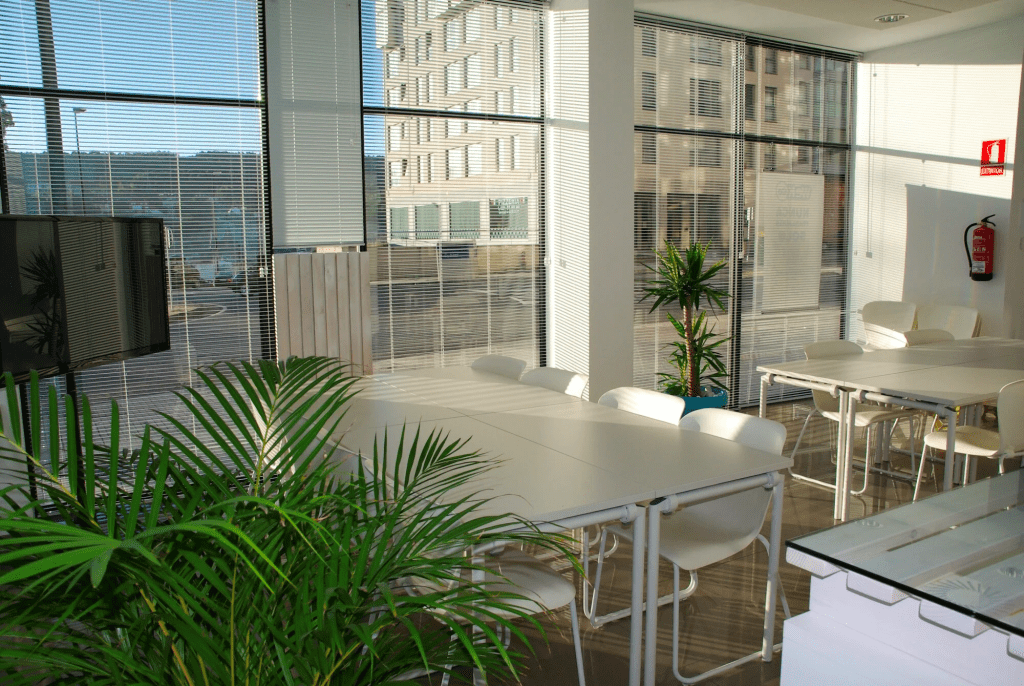
Planning Portable Space Effectively
The businesses that get the most from portable buildings treat them as a deliberate part of their space strategy, not a last-minute fix. Map your likely demand for the next one to three years, identify the points where a permanent build would be slow or risky, and keep a shortlist of providers who can move quickly. The same thinking applies to making better use of existing space before you add more. Pairing smarter layouts indoors with relocatable units outside often answers a space problem at a fraction of the cost of moving.
It also helps to think about reuse. A unit bought or hired for a renovation can later serve a project site, a seasonal pop-up, or an emergency role, which spreads its value across several uses. That reusability sits at the heart of why portable buildings keep gaining ground over single-purpose construction, and it connects directly to wider conversations about space-saving design.
The Bigger Picture
The clearest signal you could benefit from portable buildings is simple: your need for space is real but not necessarily permanent. Growth spurts, projects, seasons, remote sites, and emergencies all share that shape. Matching a relocatable structure to a temporary need keeps a business flexible and frees capital for the work that actually drives it forward, which is a sharper way to handle space than committing concrete to every short-term problem.



Futuro House Production Revived in Finland After Decades-Long Hiatus
A Facebook listing for abandoned moulds led to the first new Futuro...
 illustrarch Editoral Team3 Mins read
Building Your Dream Home in NSW: What You Should Know About Montgomery Homes
Montgomery Homes has been building across Sydney, Newcastle, the Hunter, Wollongong and...
illustrarch Editoral Team4 Mins read
Designing a Home Theater: Where Drapery Fits Into the Plan
In a media room the curtains are a performance layer, not decoration....
illustrarch Editoral Team3 Mins read

Oscar Niemeyer’s Cathedral of Brasília: The Hyperboloid Concrete Hymn
The Cathedral of Brasília reads as a single gesture, yet it stood...
 Furkan Sen7 Mins read


Leave a comment