

Preventing Corrosion-Driven Accidents
Learn how to prevent corrosion-driven accidents in buildings and infrastructure, from early warning signs to inspection, coatings and monitoring.
 illustrarch Editoral Team5 August 20262 Mins read92
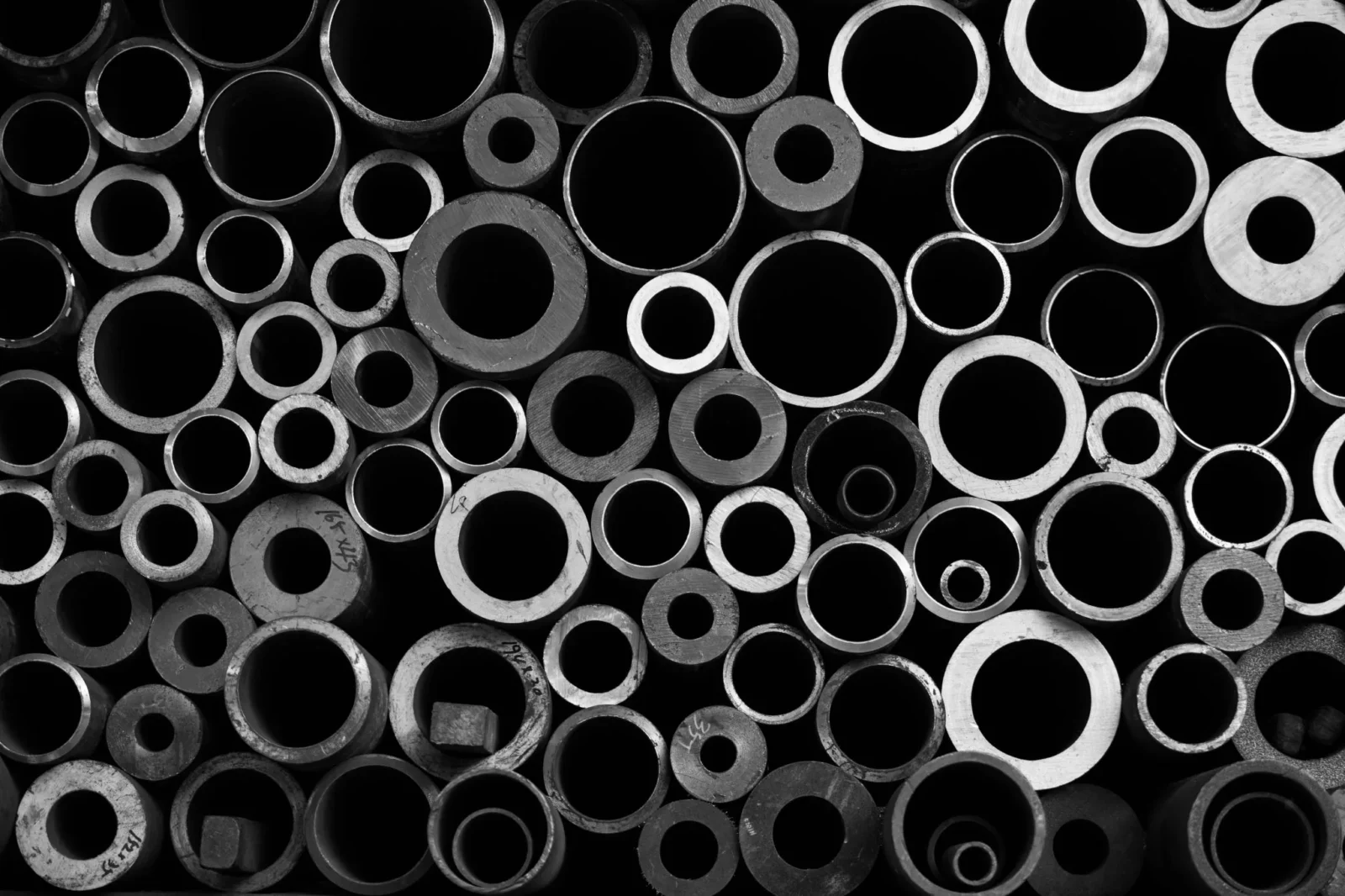
Corrosion is often a slow process, but its effects can create serious safety risks if left unaddressed. Over time, moisture, chemicals, temperature changes, and environmental exposure weaken metal components that support buildings and infrastructure. For architects, engineers, and facility managers, preventing corrosion is an important part of protecting structural integrity, extending service life, and reducing the likelihood of costly failures. A proactive maintenance strategy helps identify potential problems before they become safety hazards.
Know Where Corrosion Develops
Corrosion can affect structural steel, reinforcing bars in concrete, fasteners, piping, handrails, roofing systems, and exterior building components. Areas exposed to water, humidity, salt, industrial pollutants, or frequent temperature changes face a higher risk of deterioration.
Buildings located near coastlines or in regions where deicing salts are commonly used often experience faster corrosion rates. Even small amounts of trapped moisture inside wall assemblies or around roof penetrations can create conditions that allow corrosion to develop over time. Understanding these vulnerable areas allows project teams to prioritize inspections and maintenance.
Design Choices Make a Difference
Preventing corrosion begins during the design phase. Material selection, drainage planning, protective coatings, and proper detailing all influence long-term performance.
Designing systems that prevent standing water reduces prolonged exposure to moisture. Separating dissimilar metals also minimizes galvanic corrosion, which occurs when certain metals come into contact in the presence of an electrolyte such as water. Architects can also specify protective finishes that help shield exposed metal components from environmental conditions while reducing future maintenance requirements.

Regular Inspections Reduce Risk
Routine inspections are one of the most effective ways to detect corrosion before structural performance is affected. Visual assessments may identify rust, coating failures, staining, cracking, or metal deformation that indicates deterioration beneath the surface.
Facilities with aging infrastructure often benefit from scheduled evaluations using nondestructive testing methods to identify hidden corrosion. Early detection allows repairs to be completed before damage spreads to surrounding components. Inspection records also help owners monitor changes over time and prioritize maintenance investments based on actual conditions.
Maintenance Extends Building Life
Preventive maintenance plays an important role in reducing corrosion-related accidents. Cleaning drainage systems, repairing damaged coatings, sealing water entry points, and replacing deteriorated components all help preserve structural performance.
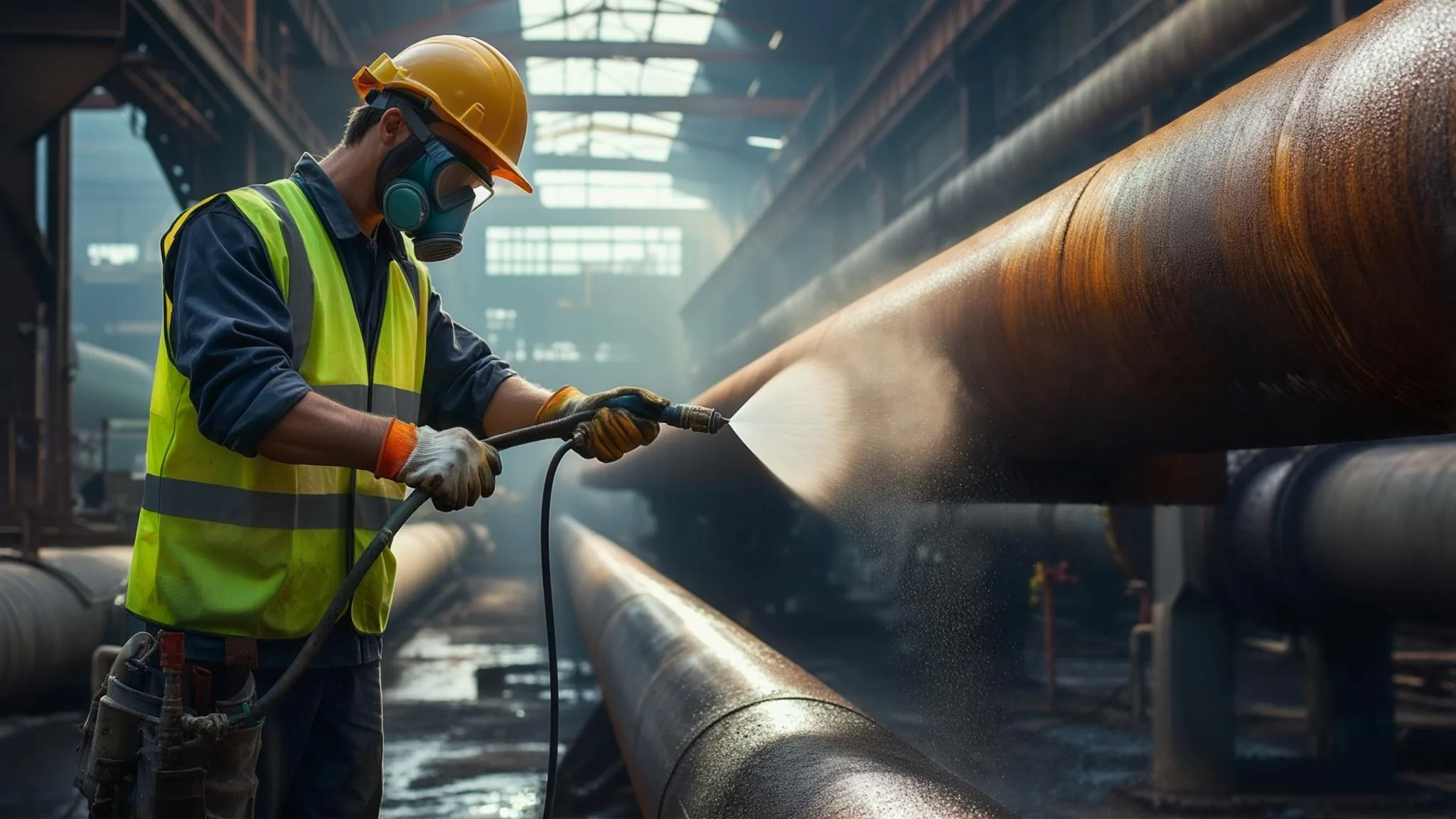
Many owners also work with specialized corrosion control companies to evaluate existing conditions and develop long-term maintenance strategies for critical assets. Professional assessments provide valuable guidance for buildings exposed to demanding environmental conditions. Consistent maintenance is generally more cost-effective than responding after significant deterioration has occurred.
Protect Structures Before Problems Grow
Corrosion rarely develops overnight, but small signs of deterioration can become significant safety concerns if ignored. Thoughtful design, durable material selection, regular inspections, and ongoing maintenance work together to reduce risk throughout a building’s service life.
Architects and project teams who prioritize corrosion prevention help improve occupant safety while protecting valuable infrastructure investments. Addressing corrosion early supports reliable building performance, reduces repair costs, and contributes to structures that remain safe and functional for decades. For more information on preventing corrosion-driven accidents, feel free to look over the accompanying resource.





How One Delay Can Disrupt An Entire Jobsite
Discover how a single delay can impact your construction jobsite, causing cascading...
illustrarch Editoral Team2 Mins read

Design Build vs Design Bid Build: Understanding the Design and Build Contract
A design and build contract puts design and construction under one agreement...
 Furkan Sen5 Mins read

Shop Drawings Meaning and How They Differ From Working Drawings
Working drawings and shop drawings both guide construction, but they serve different...
Furkan Sen6 Mins read

Why Your Design Brief Matters More Than Your Builder Choice
A well-crafted design brief is essential in custom home building, as it...
illustrarch Editoral Team10 Mins read


Leave a comment