

How One Delay Can Disrupt An Entire Jobsite
Discover how a single delay can impact your construction jobsite, causing cascading schedule, cost and quality problems, and how to prevent it.
 illustrarch Editoral Team5 August 20262 Mins read84
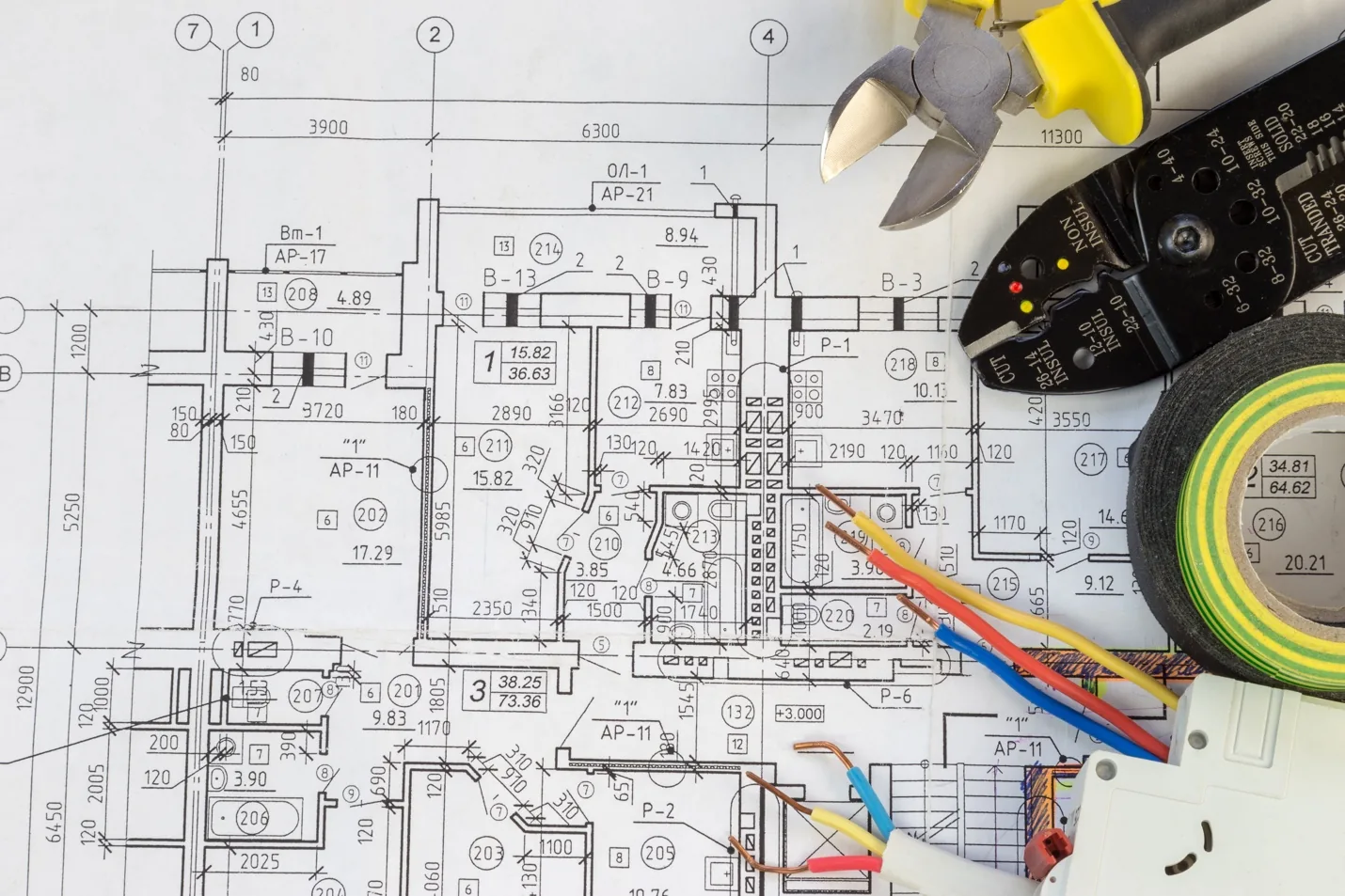
Construction projects depend on hundreds of connected tasks taking place in the right order. When one activity falls behind schedule, the disruption often spreads throughout the entire project. A late delivery, delayed inspection, or unavailable subcontractor can affect multiple trades, increase costs, and push back the completion date. Understanding how delays develop allows architects, contractors, and project managers to reduce risk and keep projects moving efficiently.
One Delay Can Affect Every Trade
Construction schedules are built around a sequence of work. Concrete must cure before framing begins, framing must be completed before mechanical systems are installed, and inspections often determine when the next phase can start.
If one milestone is missed, every activity that follows may need to be adjusted. Electricians, plumbers, drywall installers, painters, and finish carpenters often work on carefully coordinated schedules. When one team cannot begin on time, other crews may be forced to wait or move to another project. This creates scheduling conflicts that can continue long after the original delay has been resolved. Maintaining realistic schedules and monitoring progress daily helps reduce the likelihood of these chain reactions.
Material Management Keeps Work Moving
Reliable access to materials is essential for maintaining productivity. Deliveries that arrive late, damaged products, or misplaced supplies can leave crews without the resources needed to complete scheduled work.

Organized contractor storage helps protect tools and building materials while making inventory easier to manage throughout the project. When materials are stored securely and remain accessible, crews spend less time searching for equipment and more time completing productive work. Coordinating deliveries with construction milestones also reduces site congestion and minimizes the chance of materials arriving before they are needed.
Communication Prevents Small Problems From Growing
Strong communication keeps every project participant informed about changing conditions. Architects, engineers, contractors, suppliers, and subcontractors should regularly share schedule updates, design revisions, and field observations.
Project management software, daily reports, and coordination meetings help everyone understand current priorities and identify potential conflicts early. Quick communication allows teams to adjust labor assignments, reschedule deliveries, or revise work sequences before delays spread across multiple trades. Open communication also improves collaboration when unexpected challenges arise.
Prepare for the Unexpected

Even well-planned projects face weather interruptions, labor shortages, equipment failures, or unforeseen site conditions. Successful teams prepare for these situations by building flexibility into schedules and maintaining contingency plans.
Alternative suppliers, backup equipment, and clearly defined response procedures allow work to continue with fewer interruptions. Reviewing project risks throughout construction also helps managers anticipate issues before they affect the overall timeline. Planning for uncertainty does not eliminate delays, but it often reduces their impact.
Construction delays rarely remain isolated to one task. A single interruption can influence labor schedules, material deliveries, inspections, and project costs across the entire jobsite. Teams that prioritize communication and regular progress reviews are better equipped to keep projects on schedule. Addressing small issues before they expand into larger problems protects budgets, supports quality construction, and helps deliver successful projects on time. Look over the infographic for more information.








Preventing Corrosion-Driven Accidents
Learn how to prevent corrosion-driven accidents in buildings and infrastructure, from early...
illustrarch Editoral Team2 Mins read

Design Build vs Design Bid Build: Understanding the Design and Build Contract
A design and build contract puts design and construction under one agreement...
 Furkan Sen5 Mins read

Shop Drawings Meaning and How They Differ From Working Drawings
Working drawings and shop drawings both guide construction, but they serve different...
Furkan Sen6 Mins read

Why Your Design Brief Matters More Than Your Builder Choice
A well-crafted design brief is essential in custom home building, as it...
illustrarch Editoral Team10 Mins read


Leave a comment