

Improving Indoor Air Quality: The Importance of Changing Your Aircon Filter
Changing your air conditioning filter regularly is essential for maintaining indoor air quality by trapping pollutants and ensuring efficient system performance.
 Furkan Sen2 April 20245 Mins read380

Table of Contents Show
Improving indoor air quality often starts with one overlooked task: changing your aircon filter. A clean filter traps dust, pollen, and allergens before they recirculate through your rooms, while a clogged one strains the system and pushes pollutants back into the air. Replacing it on schedule keeps the air you breathe cleaner and your cooling system running efficiently.
From fine dust to seasonal allergens, poor indoor air quality has a direct effect on how you feel at home and at work. Air conditioning systems sit at the center of that picture, and the small maintenance habit most people skip is learning how to clean your aircon filter. This article looks at why a regular filter change matters and how to do it correctly.

What Is Indoor Air Quality?
Indoor air quality describes the condition of the air inside buildings and how it relates to the health and comfort of the people in them. Because most of us spend the majority of our day indoors, the air circulating through our living and working spaces shapes daily well-being more than many realize.
Common indoor pollutants include dust, pet dander, pollen, mould spores, volatile organic compounds released by cleaning products and furnishings, and residue from tobacco smoke. When these build up, the effects show quickly: respiratory irritation, allergy flare-ups, headaches, fatigue, and worsened asthma symptoms. Addressing the problem usually combines steady ventilation, regular maintenance of cooling units, and source control to cut pollutants at their origin. For a wider set of measures, see this practical breakdown on improving indoor air quality for a healthier home.
📌 Did You Know?
According to the United States Environmental Protection Agency, indoor air can be two to five times more polluted than outdoor air, and in some cases far higher. Since people in developed countries spend roughly 90 percent of their time indoors, that concentration matters for long-term health.
How Air Conditioning Systems Affect Indoor Air Quality
Air conditioning does more than cool a room. By regulating temperature and humidity, these systems help control mould growth and keep occupants comfortable. As air passes through the unit, the filter traps airborne particles before the cleaned air returns to the space, which makes the filter the first line of defence for the air you breathe.
Many modern units pair standard filtration with higher-grade media such as High-Efficiency Particulate Air (HEPA) elements or electrostatic filters, which capture much smaller particles including some bacteria and fine smoke. Removing these contaminants reduces the irritants that trigger allergies and respiratory problems. The catch is that this only works while the filter stays clean. Once it loads up with debris, airflow drops and the captured pollutants start finding their way back into circulation.
Regular servicing keeps the whole system honest. Homeowners in hot climates, such as Arizona’s Gem City, often rely on professional air conditioning installation services in Mesa that handle both the install and ongoing maintenance, so each unit keeps performing through the intense summer heat. If you manage cooling yourself, the same principle applies: a maintained system protects both comfort and air quality. For seasonal upkeep ideas, this guide on keeping your home cool through hot summers is a useful companion read.
⚠️ Common Mistake to Avoid
Reaching for the highest MERV filter you can find can backfire. A filter that is too dense for a residential system restricts airflow, forces the blower to work harder, and can reduce cooling output. Match the filter rating to what your unit is designed to handle, and check the manual before upgrading.
Why Changing Your Aircon Filter Matters
Changing your aircon filter on a regular basis is a small task with outsized returns. It directly affects indoor air quality and the overall performance of your cooling system. Here are the main reasons it pays off:
- Cleaner air: A filter’s job is to catch dust, pollen, pet dander, and other allergens. As these collect, efficiency drops and pollutants recirculate. A fresh filter keeps the system trapping contaminants instead of redistributing them.
- Better efficiency: Clean media allows proper airflow and keeps dust off internal components. The unit runs with less strain and lower energy use. A clogged filter does the opposite, raising bills and the odds of a breakdown.
- Longer equipment life: When airflow is blocked, the compressor and fan work harder to hold the set temperature. Keeping the filter clean reduces wear on these parts, which means fewer repairs and a longer service life.
- Health benefits: Clean air matters most for anyone with allergies, asthma, or other respiratory conditions. A dirty filter can worsen symptoms and raise infection risk, while a regular change cuts down on airborne irritants.
A regular filter change supports high indoor air quality, better system efficiency, longer equipment life, and healthier breathing for everyone in the building. Manufacturer guidelines remain the best reference for how often to replace a filter, since the right interval depends on usage, pets, and local conditions.
How to Change Your Aircon Filter: Step by Step
Replacing a filter takes only a few minutes once you know the routine. Follow these steps for a clean, safe swap:
- Check the manual: Find the filter type, size, and recommended replacement interval for your specific unit.
- Pick the right filter: Choose one with an appropriate MERV (Minimum Efficiency Reporting Value) rating for your system, balancing filtration against airflow.
- Turn the system off: Switch off the aircon at the unit before you start to avoid damage or injury.
- Install it correctly: Slide the new filter in so the airflow arrows printed on the frame point toward the unit, not away from it.
- Set a reminder: Use a calendar or phone alert to stay on schedule, since a forgotten filter is the most common cause of poor performance.
💡 Pro Tip
Write the installation date on the edge of the filter frame with a marker when you fit it. During peak cooling months, pull the filter out once a month and hold it up to a light. If you cannot see light through it, replace it early rather than waiting for the calendar reminder.
How Often Should You Change Your Aircon Filter?
Most standard residential filters need replacing every one to three months, but the right interval shifts with how the system is used. Homes with pets, heavy pollen seasons, or constant running during summer wear filters out faster. Reusable washable filters should be cleaned on a similar schedule and left to dry fully before refitting.
Filter ratings give you a useful guide to performance. Higher MERV numbers capture smaller particles, but they also demand a system that can handle the extra resistance. For a clear reference on what each level captures, the EPA’s explainer on MERV ratings breaks down the scale from coarse dust to fine smoke particles.
📐 Technical Note
MERV ratings run from 1 to 16 under the ASHRAE Standard 52.2 method, with higher numbers capturing finer particles. True HEPA filters sit above this scale and remove 99.97 percent of particles at 0.3 microns. Most homes do well with a filter in the MERV 8 to 13 range, which balances strong filtration against healthy airflow.
Broader context helps too. The World Health Organization links household air pollution to millions of avoidable deaths each year, which underlines why even simple steps like filter changes carry real weight. For an authoritative overview of the wider issue, the EPA’s introduction to indoor air quality and Australia’s government guide to indoor air quality both cover ventilation, pollutants, and control measures in depth.
Where to Go From Here
Your Next Step: Check the date on your current aircon filter today, then locate the model and size in your unit’s manual so you can buy the correct replacement before peak season arrives. A two minute check now is the easiest way to protect both your air and your cooling system.





Standby or Portable Generator? A Practical Framework Based on Loads, Outages, and Logistics
Choosing between a standby and a portable generator gets easier once you...
 illustrarch Editoral Team5 Mins read
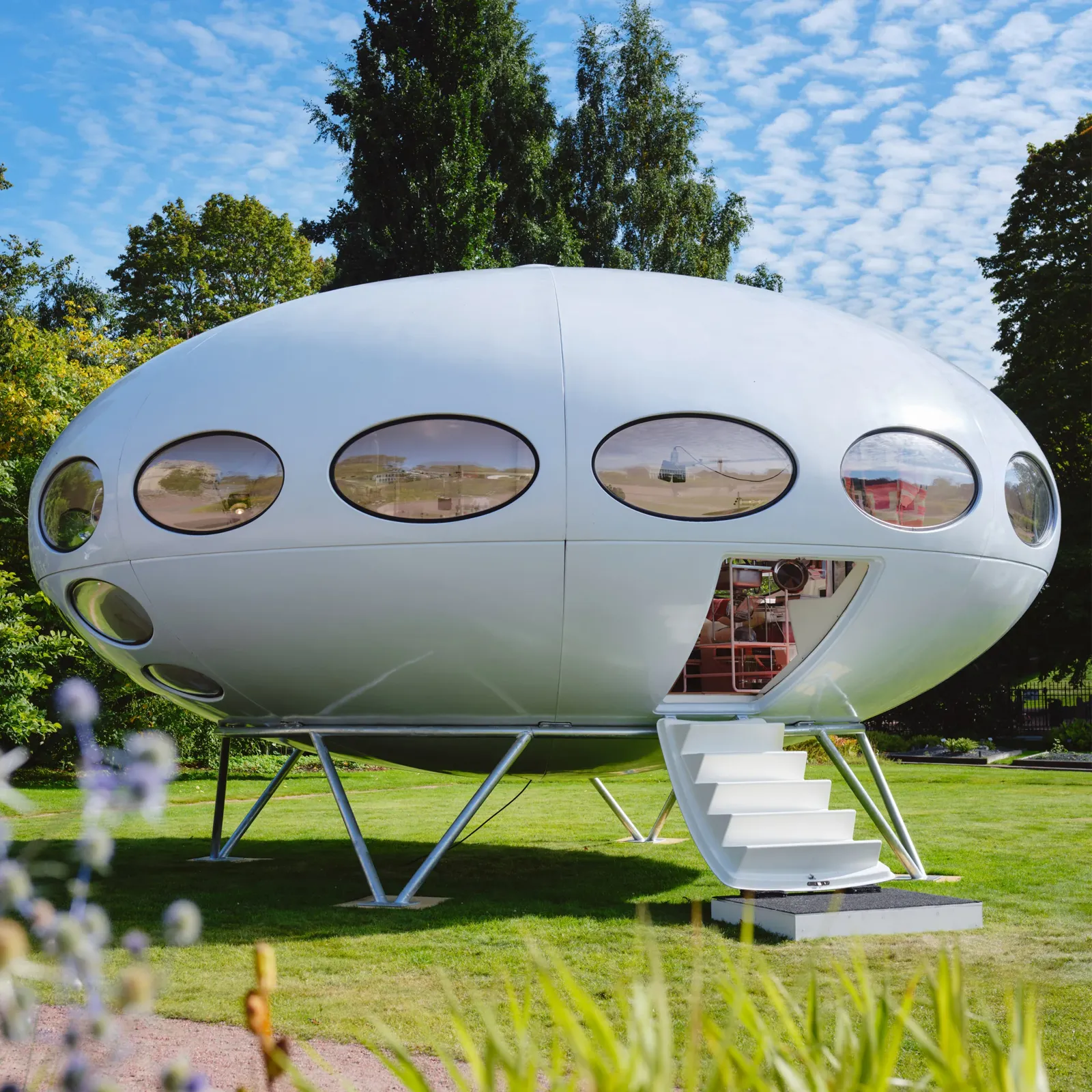
Futuro House Production Revived in Finland After Decades-Long Hiatus
A Facebook listing for abandoned moulds led to the first new Futuro...
illustrarch Editoral Team3 Mins read

Building Your Dream Home in NSW: What You Should Know About Montgomery Homes
Montgomery Homes has been building across Sydney, Newcastle, the Hunter, Wollongong and...
illustrarch Editoral Team4 Mins read

Designing a Home Theater: Where Drapery Fits Into the Plan
In a media room the curtains are a performance layer, not decoration....
illustrarch Editoral Team3 Mins read


Leave a comment