

Prefab Office Solutions: Streamlining Construction for Modern Businesses
Prefab office solutions utilize off-site manufacturing to create modular workspaces that significantly reduce construction time and costs for businesses.
 Furkan Sen5 April 20245 Mins read378
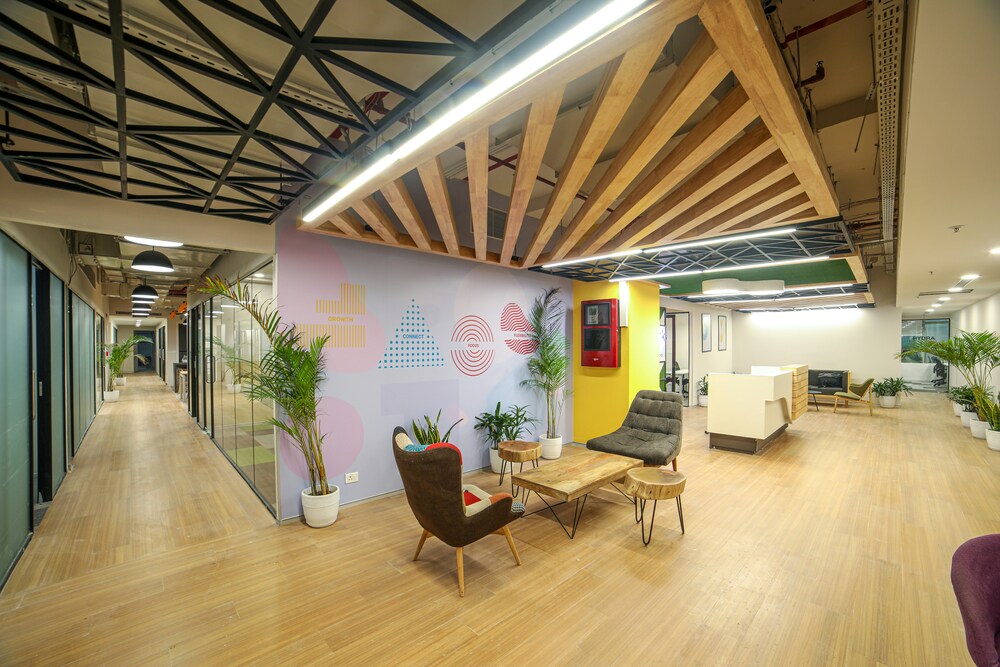
Table of Contents Show
Prefab office solutions are workspaces built from components manufactured off-site in a factory, then delivered and assembled at the final location. They give businesses a faster, more predictable route to a finished office than conventional on-site building, with tighter quality control and less disruption to daily operations.
Growing companies rarely have months to wait for a building to come together brick by brick. Lengthy timelines, budget overruns, and weather delays make traditional office construction hard to plan around. Modular and panelized methods answer that problem directly, which is why developers and tenants increasingly look at prefab office buildings when they need usable space on a fixed schedule.
What Are Prefab Office Solutions?
Prefab, short for prefabricated, means assembling parts of a structure in a controlled factory setting and then moving them to the construction site for final assembly. Applied to offices, the approach ranges from flat-pack panel systems to fully volumetric modules that arrive with wiring, plumbing, flooring, and even furniture already installed.
Two main formats dominate the market. Panelized systems ship walls, floors, and roof sections that crews join on a prepared foundation. Volumetric modular construction delivers complete three-dimensional room boxes that stack and connect like building blocks. Both run on the same principle that already shapes modular homes: build indoors, control the variables, and cut the time spent exposed to site conditions.
📌 Did You Know?
Prefabrication is far from a recent idea. According to Wikipedia, the Crystal Palace, erected in London in 1851, was a highly visible example of iron and glass prefabricated construction, with thousands of standardized parts produced off-site and assembled in a matter of months. The same logic now drives modern office delivery.
Why Businesses Choose Prefab Offices
The appeal of prefab office solutions comes down to four practical advantages that affect schedule, budget, and the finished product.
Speed of construction
Because the structure is fabricated while site work happens at the same time, the two timelines overlap instead of running back to back. A traditional fit-out can stretch across many months, while a modular office is often ready in a fraction of that span. Faster delivery means less rent paid on two spaces at once and a quicker return to normal operations.
Cost-effectiveness
Factory production cuts material waste, keeps labor under one roof, and shortens the period when financing and overhead pile up. Bulk purchasing and repeatable processes also reduce the surprises that inflate on-site budgets. The result is a more predictable cost, which matters as much to finance teams as the final figure.
Quality control
Components built indoors avoid rain, frost, and the inconsistencies of open-air work. Each module passes through inspection points before it ever reaches the site, so problems get caught on the factory floor rather than after installation. This consistency is one reason prefab offices often match or beat the build quality of conventional construction.
Design flexibility
Modular does not mean identical boxes. Layouts, glazing, cladding, and interior finishes can all be specified to suit the brand and the work happening inside. A clear design brief early in the process keeps that customization on track and prevents costly changes once production starts.
💡 Pro Tip
Lock your floor plan and service routes before the factory cuts the first panel. Changing a module layout mid-production is far more expensive than revising a drawing, since fabrication lines are built around fixed dimensions and pre-installed mechanical, electrical, and plumbing runs.
Prefab vs Traditional Office Construction
The table below sums up how the two approaches compare across the factors most businesses weigh before committing.
| Factor | Prefab Office | Traditional Build |
|---|---|---|
| Timeline | Site and build run in parallel, shorter overall | Sequential stages, longer overall |
| Cost predictability | Fixed factory pricing, fewer surprises | More exposure to delays and change orders |
| Quality control | Inspected on a controlled factory line | Depends on site conditions and crews |
| Weather impact | Minimal during fabrication | Significant risk of delay |
| Future relocation | Modules can be disassembled and moved | Permanent, hard to relocate |
⚖️ Pros & Cons at a Glance
✔️ Pros: faster occupancy, predictable budgets, factory-grade quality, less site waste, option to relocate or expand later
✖️ Cons: transport and crane logistics, module size limited by road clearances, design changes hard once production starts, needs early decisions

Where Prefab Offices Work Best
Prefab suits situations where time and repeatability carry weight. Fast-scaling tech companies use modular headquarters to occupy space in a few months and keep their focus on hiring rather than construction schedules. Multinationals apply the same standardized process across regional branches, so an office in one city matches the quality and layout of another while each project stays on deadline.
The approach also fits sites with tight access or short construction windows, since most of the noisy, dusty work happens elsewhere. Schools, clinics, and site offices on active construction projects often rely on the same modular systems for the same reasons.
Phased growth is another strong fit. A company that expects to add headcount can install a core block now and connect extra modules later, without tearing into a finished building each time. That ability to expand in stages keeps capital spending aligned with actual demand, which is hard to do with a single fixed structure poured in concrete.
Temporary needs benefit too. Pop-up sales offices, swing space during a renovation, and seasonal teams all gain from a building that can be leased, relocated, or reconfigured rather than written off once the project ends. The same module that houses a project team this year can serve a different site the next.
🎓 Expert Insight
“The commercial modular construction industry continues to grow as more owners recognize the schedule and quality benefits of building in a controlled environment.”, Modular Building Institute
As the trade body for commercial modular construction, the Modular Building Institute tracks how offices, schools, and healthcare facilities are increasingly delivered through prefabrication.
⚠️ Common Mistake to Avoid
Treating the foundation and site prep as an afterthought. Modules arrive on a fixed delivery date, and a foundation that is not level, cured, and correctly set out can stall an entire crane crew. Coordinate site groundwork with the factory schedule from day one so the two meet cleanly.

Evaluating a Prefab Office Provider
Not every supplier offers the same level of finish or service. Ask to see completed projects in person, confirm what is included in the quoted price, and check how the provider handles foundations, utility hookups, and permits. Sites such as ArchDaily’s prefabrication coverage show the range of what modern modular design can achieve, which helps set realistic expectations for both look and performance.
Pay attention to the building system itself. Steel-framed modules carry heavier loads and span wider open-plan layouts, while timber and panel systems can be lighter and quicker to install. The right choice depends on storeys, span, and how the space will be used. For background on the methods and terminology, the overview of prefabrication is a useful starting reference.
Cost figures and timelines are approximate and vary by region, supplier, building system, and project scope. Confirm specifics with your provider before budgeting.
The Bigger Picture
Prefab office solutions reflect a wider shift in how buildings get made, moving repetitive work into the factory where it can be measured, refined, and controlled. For a business weighing speed against cost and quality, that shift turns construction from an unpredictable obstacle into a manageable part of the plan. The real question is no longer whether modular can match a traditional build, but how much time and certainty it can give back to the people who have to run the office once the doors open.


1 Comment



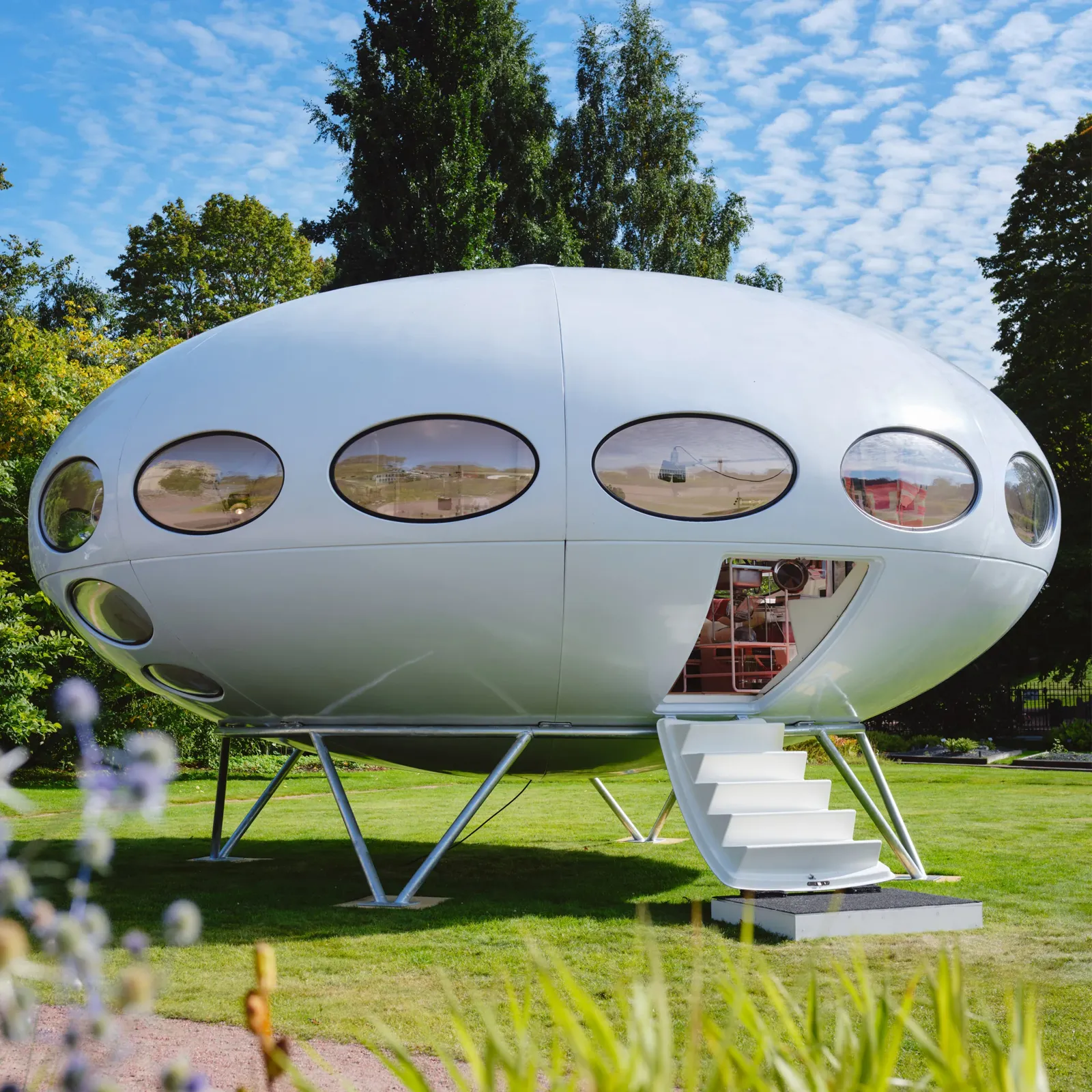
Futuro House Production Revived in Finland After Decades-Long Hiatus
A Facebook listing for abandoned moulds led to the first new Futuro...
 illustrarch Editoral Team3 Mins read
Building Your Dream Home in NSW: What You Should Know About Montgomery Homes
Montgomery Homes has been building across Sydney, Newcastle, the Hunter, Wollongong and...
illustrarch Editoral Team4 Mins read
Designing a Home Theater: Where Drapery Fits Into the Plan
In a media room the curtains are a performance layer, not decoration....
illustrarch Editoral Team3 Mins read

Oscar Niemeyer’s Cathedral of Brasília: The Hyperboloid Concrete Hymn
The Cathedral of Brasília reads as a single gesture, yet it stood...
Furkan Sen7 Mins read


Great discussion, I’ve learned a lot from the responses here