

Psychology in Hotel Design: Guest Comfort Guide
A practical look at how psychology in hotel design uses color, lighting, sound, and spatial flow to make guests feel calm, oriented, and genuinely at home.
 Bahattin Duran5 April 20246 Mins read768

Table of Contents Show
Psychology in hotel design is the practice of shaping space, light, color, sound, and layout so guests feel calm, safe, and cared for without consciously noticing why. By matching the built environment to how people perceive and react to their surroundings, designers turn an ordinary stay into a comfortable, restorative experience.
Walk into a well-planned hotel lobby and the mood lands before you reach the desk. The ceiling height, the warmth of the lighting, the path your feet want to take, and even the quiet hum of the room all send signals to your brain. Good hospitality design reads those signals in advance and arranges them on purpose, which is exactly where behavioral and environmental psychology meet architecture.
What Is Psychology in Hotel Design?
Psychology in hotel design draws on environmental psychology, the study of how physical settings affect human emotion and behavior. Instead of decorating rooms to look attractive, designers ask a sharper question: how will this space make a tired traveler feel at 11 p.m. after a delayed flight? The answer guides decisions about color, scale, acoustics, and circulation.
The discipline has real academic grounding. Bodies such as the American Psychological Association document how lighting, density, noise, and access to nature change stress levels, sleep quality, and a person’s sense of control. Hospitality designers apply those findings to a specific goal, which is making a temporary place feel like a personal one.
🎓 Expert Insight
“We shape our buildings; thereafter they shape us.” Winston Churchill, House of Commons, 1943
Churchill made the point while arguing to rebuild the Commons chamber, but it sits at the heart of hotel psychology. Once a guest enters a space, the room starts directing how they move, rest, and feel.
This thinking sits alongside broader hotel design principles that cover branding, operations, and structure. The psychological layer is what connects those technical choices to a guest’s actual comfort.
The Core Psychological Principles Behind Guest Comfort
Five recurring principles do most of the work. Each one targets a specific human response, and each translates into concrete design moves on a floor plan. The table below maps the principle to the guest effect and to a practical application you can point to in a finished hotel.
Psychological Principles at a Glance
| Principle | Guest Effect | Design Application |
|---|---|---|
| Lighting | Regulates alertness and sleep | Warm bedside light, cooler daytime lobby light |
| Color | Sets mood and energy level | Calm blues and greens in rooms, warm accents in bars |
| Spatial flow | Reduces confusion and stress | Clear sightlines from entrance to reception |
| Biophilia | Lowers tension, aids recovery | Garden views, planting, natural materials |
| Sound | Protects rest and privacy | Acoustic ceilings, soft flooring, quiet HVAC |
Color and Mood
Color is the fastest emotional cue in a room. Soft blues and greens read as calm and restful, which is why they show up so often in guest rooms meant for sleep. Warmer reds, ambers, and golds raise energy and sociability, so they tend to appear in bars, lounges, and restaurants where conversation is the point. Color temperature matters too. Warm tones make a large lobby feel cozier, while cooler tones can make a tight room feel a little wider. The same logic that drives color theory in residential interiors carries straight into hospitality.
Lighting and Circadian Comfort
Light does more than help guests see. It tells the body what time it is. Bright, cooler light in the morning supports alertness, while warm, dim light in the evening signals the brain to wind down toward sleep. A bedside lamp at a high color temperature can quietly sabotage a guest’s rest, which is why thoughtful properties tune lighting by zone and time of day.
📐 Technical Note
Lighting color is measured in Kelvin (K). Guest-room and evening spaces usually sit around 2700K to 3000K for a warm, relaxing feel, while lobbies and work areas often run 3500K to 4000K for clarity. Aligning light with these ranges supports natural circadian rhythm, a core concern in environmental psychology.
Spatial Flow and Wayfinding
People feel uneasy when they cannot tell where to go. Clear circulation, honest sightlines, and a legible path from the entrance to reception remove that low-grade anxiety before it starts. Spatial psychology also balances openness against intimacy. Guests want generous, social spaces in public areas and protected, enclosed comfort in their rooms. Getting that balance right is part of solid interior design fundamentals, and it directly shapes how relaxed a visitor feels.
Biophilia and a Natural Connection
Biophilic design connects guests to nature through views, planting, water, daylight, and natural textures. The framework is well documented in the 14 Patterns of Biophilic Design by Terrapin Bright Green, which links specific natural cues to lower stress and better focus. In hotels, this can be a courtyard garden, a green wall behind reception, or simply a window framed to catch a tree line.
📌 Did You Know?
A landmark 1984 study by Roger Ulrich, published in Science, found that surgical patients with a window view of trees recovered faster and needed fewer strong painkillers than those facing a brick wall. The same restorative pull of nature is what hotel designers tap into with garden views and daylight.
Sound and Acoustic Calm
Noise is one of the quickest ways to break a guest’s sense of comfort, yet it is often the last thing addressed. Thin walls, hard floors, and loud mechanical systems leak stress into a room. Acoustic ceilings, soft flooring, door seals, and quiet HVAC let a space feel private and restful. When a guest cannot hear the corridor or the room next door, they relax without ever thinking about why.
First Impressions and the Psychology of Arrival
The first thirty seconds set the tone for the whole stay. Arrival is where a guest decides, mostly unconsciously, whether they feel welcome and safe. A clear entrance, a warm reception zone, and a lobby that reads at a glance all build that early trust. Scale plays a role here. A soaring atrium can signal grandeur, while a lower, softer ceiling can feel protective and intimate. Materials, texture, and a coherent visual identity tell guests what kind of place they have entered before a single word is exchanged.
Hospitality publications such as Hospitality Design regularly cover how arrival sequences and lobby planning influence guest perception, and the pattern is consistent. When the entrance feels considered, guests extend that goodwill to the rest of their experience.
Designing a Sense of Place and Belonging
Comfort deepens when a hotel feels rooted in where it is. Local materials, regional art, and references to the surrounding culture give a property identity and help guests feel they have arrived somewhere specific rather than another interchangeable room. This sense of place works on memory and emotion, turning a stay into a connection with the destination.
Personalization extends the same idea into the room. Adjustable lighting, controllable temperature, and ergonomic furniture let guests shape their own environment, which restores the feeling of control that travel often strips away. Even a well-considered desk setup matters here, since the same thinking behind adjustable furniture and daily comfort applies to how a guest works and unwinds in a hotel room. Strong hotel projects published on ArchDaily show how local context and guest-centered detail can reinforce each other.
What This Means for Your Next Project
Psychology in hotel design is not a finishing touch applied after the architecture is set. It works best when comfort is a design driver from the first sketch, guiding how light, color, sound, flow, and nature come together. The properties that feel effortless to stay in are usually the ones where these decisions were made early and on purpose.
Your Next Step: On your next walkthrough, pause in the lobby and the guest room and note your honest emotional reaction in the first ten seconds. That gut response is the clearest test of whether the psychology of the space is doing its job.
Frequently Asked Questions
How does psychology improve guest comfort in hotels?
It aligns the physical environment with how people naturally respond to light, color, sound, space, and nature. Warm evening lighting supports sleep, calm colors lower tension, clear layouts reduce stress, and natural views aid recovery. Together these choices make guests feel at ease without conscious effort.
What colors are best for hotel guest rooms?
Soft blues, greens, and muted neutrals tend to work best in bedrooms because they read as calm and restful and support sleep. Warmer accent colors like amber or terracotta suit social areas such as lounges and restaurants, where the goal is energy and conversation rather than rest.
Why is lighting so important in hotel design psychology?
Lighting controls more than visibility. It cues the body’s circadian rhythm, signaling alertness with cooler daytime light and rest with warm evening light. Poorly tuned lighting can disrupt sleep and raise stress, so designers adjust brightness and color temperature by zone and time of day.
What is biophilic design in a hotel?
Biophilic design connects guests to nature through daylight, plants, water features, natural materials, and framed outdoor views. Research links these cues to lower stress and faster mental restoration, which is why courtyards, green walls, and garden-facing rooms appear so often in comfort-focused properties.
How do hotels create a strong first impression?
Through a clear, welcoming arrival sequence. A legible entrance, a warm reception zone, considered ceiling height, and coherent materials tell guests they are safe and cared for within seconds. That early emotional read shapes how they judge the entire stay.





Interior Design for Commercial Spaces: Enhancing Functionality and Brand Identity
Commercial interior design has to serve brand, function and regulation at once....
 Begum Gumusel4 Mins read
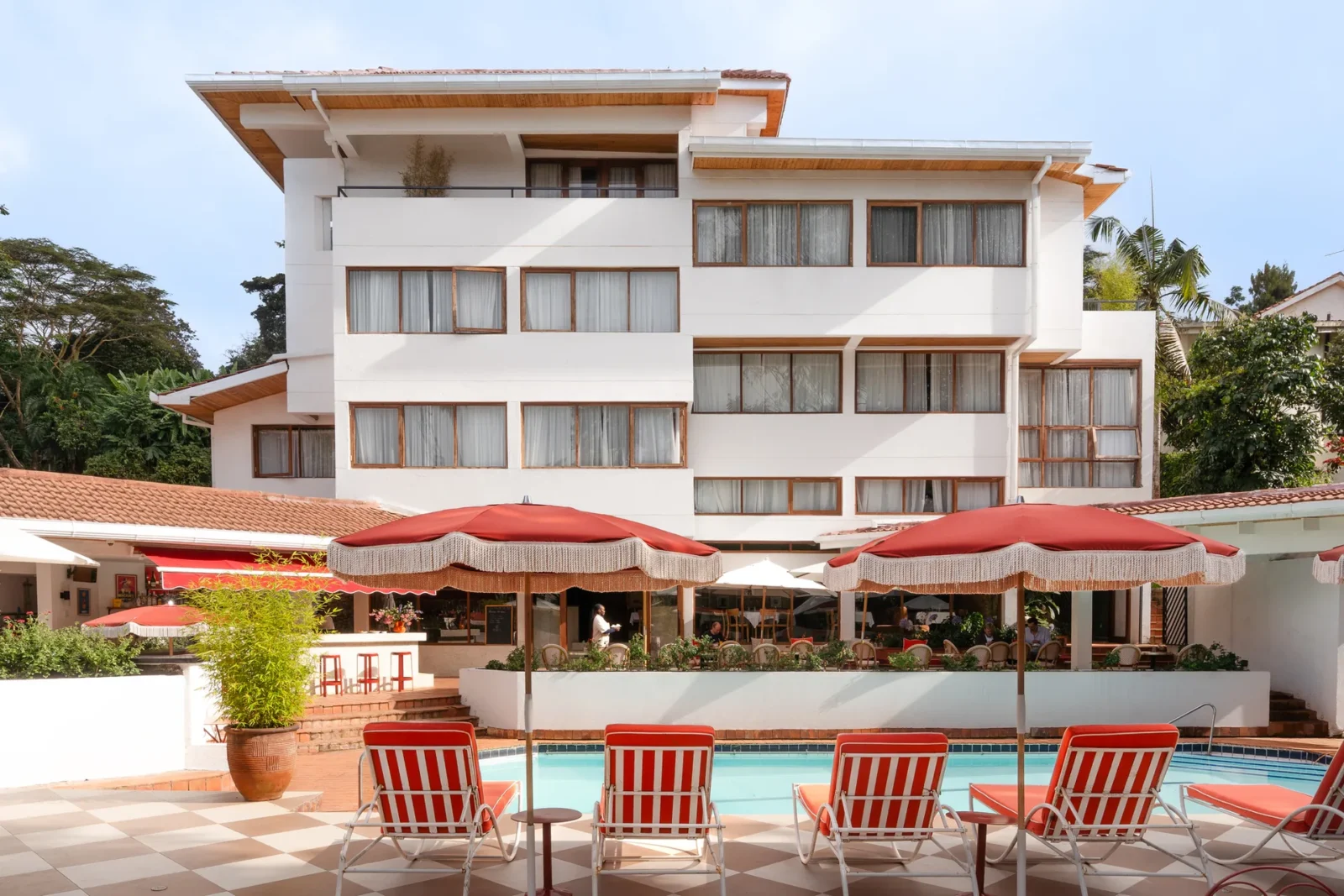
Celine and Lolo Hotel by Powerhouse Company
Powerhouse Company turns a 1976 split-level villa in Nairobi's Lavington into an...
 illustrarch Editoral Team2 Mins read
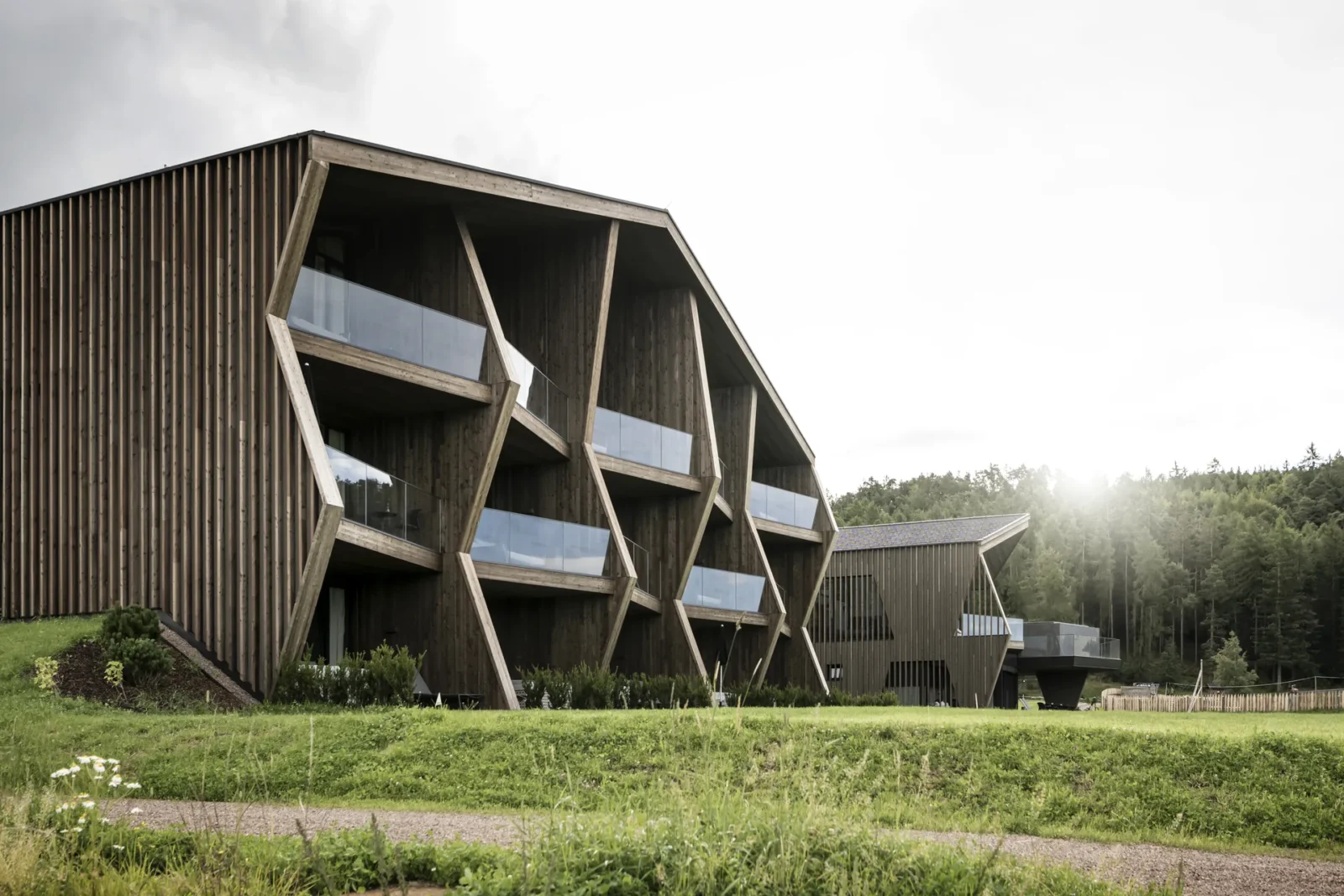
Aeon by NOA
NOA adds Aeon to a 550 year old farm in Soprabolzano, South...
illustrarch Editoral Team3 Mins read

Villa Argentina by 3LHD
3LHD reconstructs Villa Argentina in Dubrovnik, tying a 1920 villa, later villas...
illustrarch Editoral Team3 Mins read


Leave a comment