

Designed by an Architect, Built on Memory: The Story Behind Pera Coda
Pera Coda is a narrative mystery game that intertwines architectural design with psychological themes, set in a surreal re-imagining of Istanbul.
 Elif Ayse Sen4 July 20253 Mins read355

Table of Contents Show
Pera Coda is an isometric narrative mystery game and interesting adventure that blends psychological depth of Disco Elysium, the exploration-driven mystery of Outer Wilds, and the looping time puzzle mechanics of 12 Minutes. All scenes set against surreal backdrop of Istanbul city. The game, provide you to play as a man trapped between life and death in this haunting backdrop.

Designed by an architect, all scenes set against surreal backdrop of Istanbul city. The game, provide you to play as a man trapped between life and death in this haunting backdrop. During the adventure, the man will face with the memories, past, regrets, humans around him and relations with them that shaped him. There are loops that are not just a repetition, but a psychological trial, where progress depends on emotional breakthroughs.
Pera Coda invites players into a re-imagined version of Istanbul that feels both familiar and surreal at the same time. In this game, the city isn’t just a backdrop, it becomes a reflection of the main character’s emotional and psychological state.

As players explore the city’s distorted streets, they will notice how real-world places are transformed into symbolic spaces where chaos and calm exist side by side. Each location carries emotional weight, acting as a stage for the protagonist’s inner journey. The story unfolds through meaningful dialogues, exploration, and puzzles that are deeply connected to this man’s past. These puzzles are kind of challenges. However, they help unlock memories and guide him toward healing.

Players literally will encounter a game where you can experience very thought-provoking scenes on architecture and psychology. Besides feelings and experiencing in mysterious Istanbul, Pera Coda combines retro-noir tones with surreal dreamscapes in visuals. The game is using an isometric lens to highlight symbolic details and environmental storytelling.
According to developers and players, Pera Coda is not just a game, it’s an mysterious love letter to Istanbul and a profound exploration of guilt, identity, and psychology of redemption.

Finally, Pera Coda is a narrative mystery adventure game developed by Elyzio in collaboration with Falan. Set to launch on Steam, the game invites players into a deeply emotional and visually perfect experience that blends psychological storytelling with surreal exploration. You can follow the latest updates through the official website, and on social media platforms of Pera Coda.
How an Architectural Eye Shapes the Game
What sets Pera Coda apart from many narrative games is that its world is built with an architect’s sensitivity to space. Streets, courtyards, and interiors are not just decoration; they are composed to guide attention and set rhythm. The isometric viewpoint reinforces this, presenting each scene almost like a model or a section drawing, where the relationship between rooms and the way light falls into them becomes part of the storytelling. This approach lets the city read as a designed sequence rather than a random sprawl.
Istanbul as a Character
Istanbul has long inspired artists for its layered history, where Byzantine, Ottoman, and modern fabrics overlap within the same view. Pera Coda draws on this density, reimagining recognizable districts in a surreal key so that familiar landmarks feel slightly dreamlike. Using a real city as the stage gives the emotional themes a grounded weight, while the distortions signal that we are seeing the place through the protagonist’s troubled memory rather than as a literal map.
The Appeal of Time-Loop Storytelling
The looping structure that Pera Coda shares with titles like 12 Minutes is a popular device because it lets a story reveal itself in layers. Each repetition gives the player new information, so earlier scenes take on fresh meaning the second or third time through. In Pera Coda the loops are framed as a psychological trial, meaning progress depends on emotional insight rather than only on solving a mechanical puzzle. This ties the gameplay directly to the themes of guilt, regret, and gradual healing.
Why Spatial Design Matters in Games
Pera Coda is a useful example of how architectural thinking can strengthen interactive media. Level designers borrow many principles from architecture, including circulation, sightlines, thresholds, and the pacing of open and enclosed spaces. When these are handled with care, players feel guided without being told where to go, and a place can communicate emotion before a single line of dialogue appears. For architecture students, studying how games construct believable spaces can sharpen the same skills used in physical design.





Interior Design for Commercial Spaces: Enhancing Functionality and Brand Identity
Commercial interior design has to serve brand, function and regulation at once....
 Begum Gumusel4 Mins read

India Art, Architecture & Design Biennale 2026: Ministry of Culture Opens Delhi Monuments
Delhi's monuments, including Purana Quila and the Red Fort, will host the...
 illustrarch Editoral Team2 Mins read
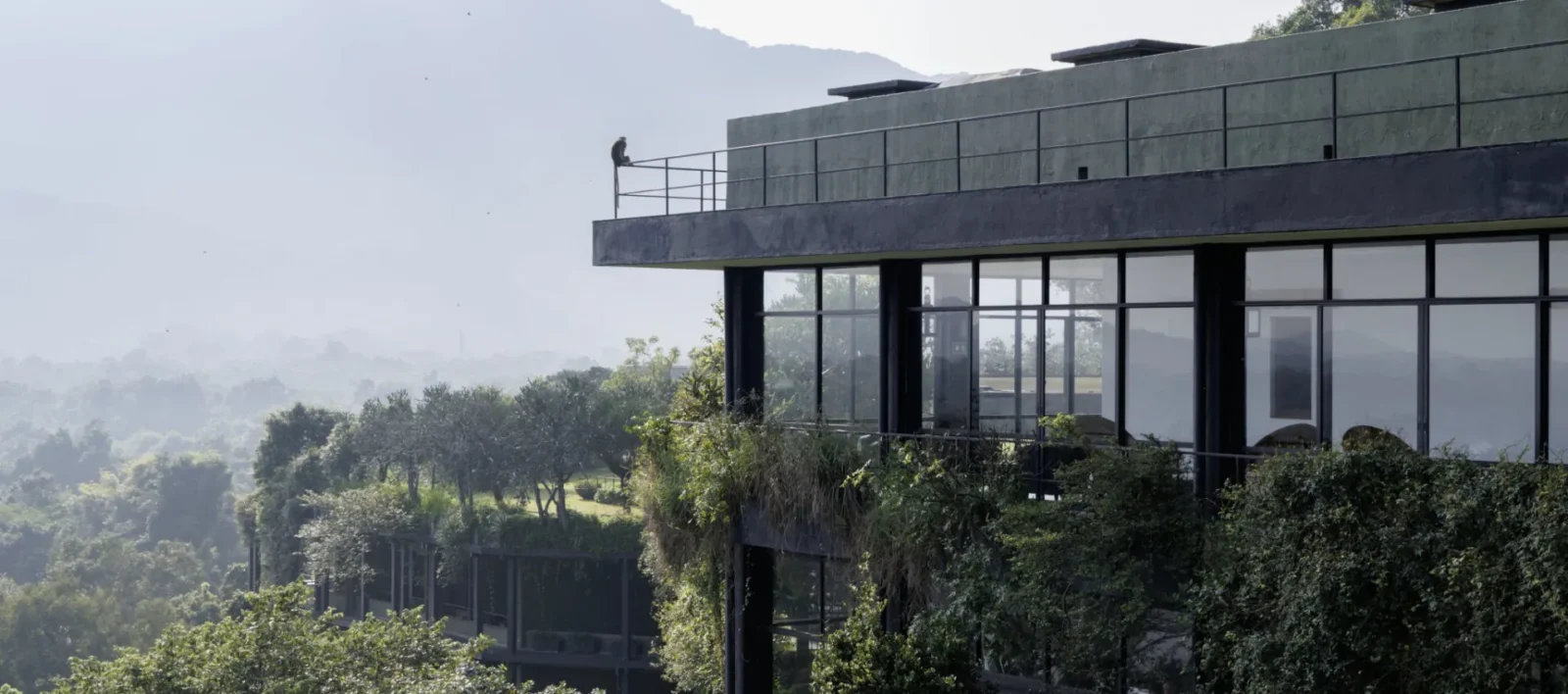
Vitra Museum Stages First Major Geoffrey Bawa Retrospective in Decades
Vitra Design Museum opens the first major Geoffrey Bawa retrospective in 20...
illustrarch Editoral Team2 Mins read
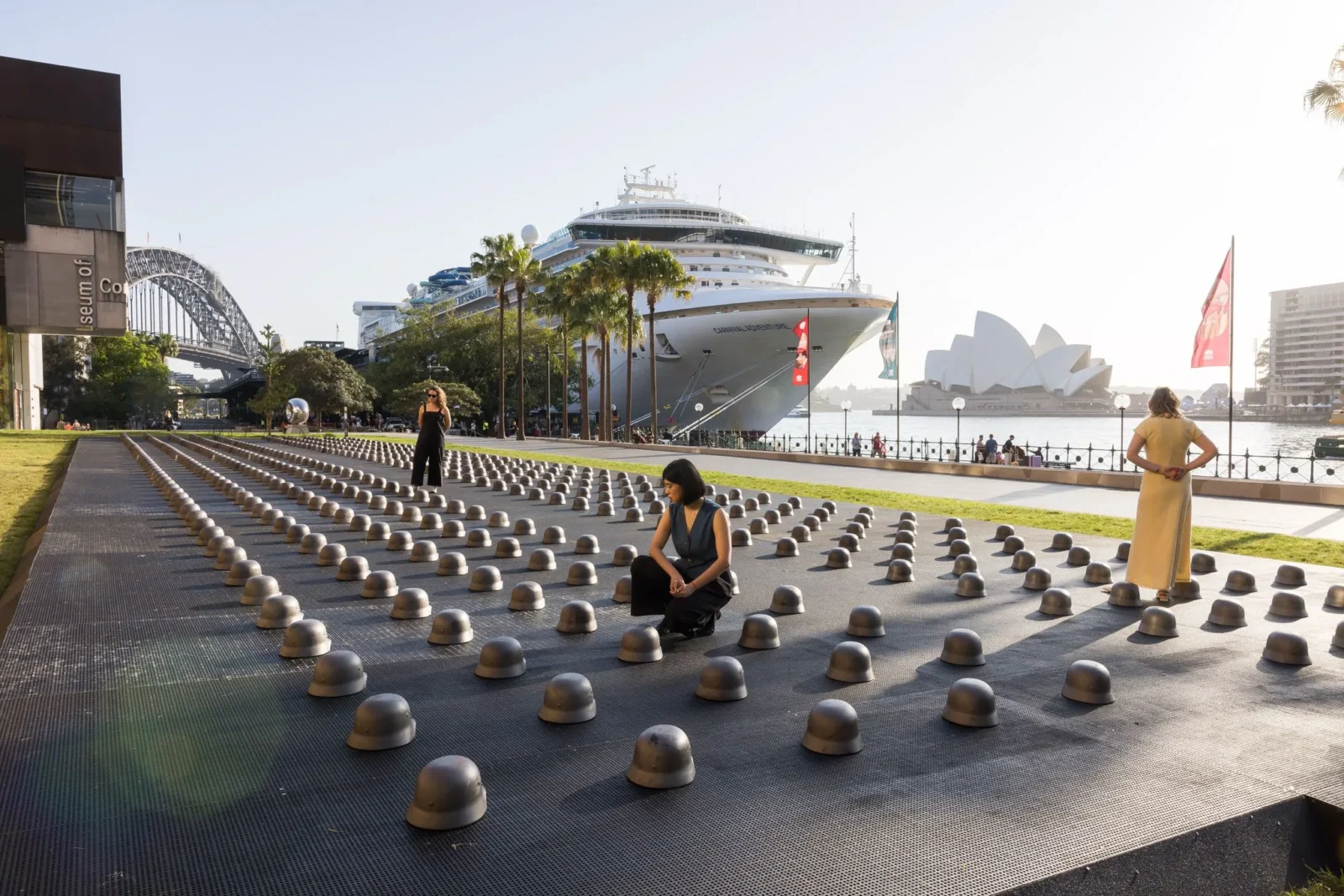
Ai Weiwei Installs 500 Cast-Iron Helmets Outside Sydney Museum
Ai Weiwei's 500 cast-iron helmets opened outside Sydney's MCA on 25 September,...
illustrarch Editoral Team2 Mins read


Leave a comment