

Corian Solid Surface Countertops: A Material Study in Seamless Design and Form
Corian solid surface countertops are non-porous, versatile materials that allow for seamless installations and precise shaping.
 Sinan Ozen19 November 20253 Mins read281
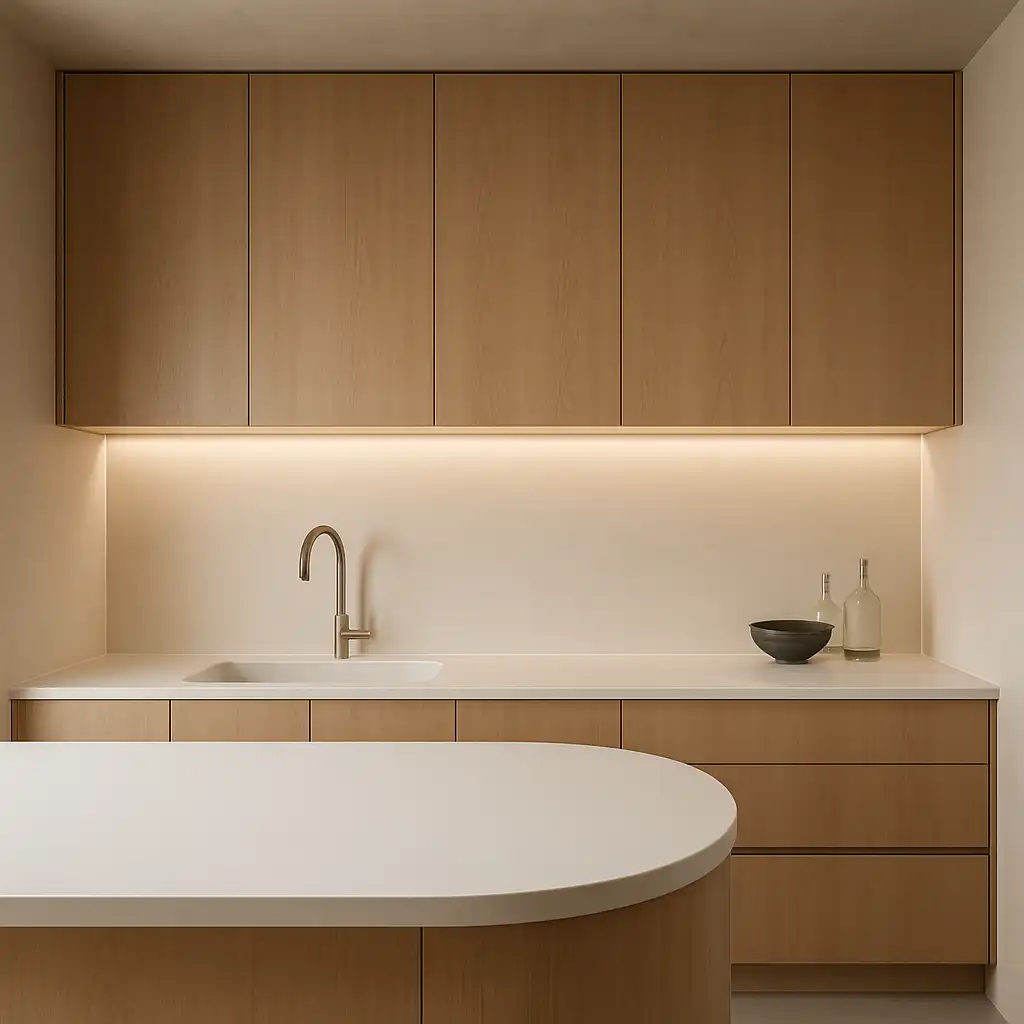
In modern architectural practice, materials are more than structural decisions. They’re integral to how spaces feel, function, and endure. Among the many surfaces used in interior architecture, Corian solid surface countertops stand out not simply for their visual impact, but for their quiet versatility. Developed by DuPont, Corian has been used across residential and commercial interiors for decades. Its continued relevance lies in how well it aligns with the principles of thoughtful design: cohesion, precision, and intent.
For architects and designers who prioritize continuity in materials, Corian offers an opportunity to work with a surface that adapts, rather than demands. It moves easily between form and function, supporting seamless integration while maintaining material clarity.
The Architectural Appeal of Corian Solid Surface
Corian is a solid surface material, composed of acrylic polymer blended with natural minerals. This combination creates a tactile, matte-finished material that can be cut, joined, and thermoformed without compromising appearance or performance. It behaves less like stone and more like a design medium, allowing for a degree of control that architects rarely find in natural materials.
In countertop applications, this translates into:
- Joint-free installations that maintain a continuous visual line
- Integrated sinks and splashbacks from the same material batch
- Precision shaping to meet curved or irregular geometries
These qualities make Corian a preferred surface for kitchens in minimalist homes, high-end hospitality, and healthcare environments, where hygienic and non-porous surfaces are essential.
Performance and Fabrication
From a material specification perspective, Corian solid surface countertops check a number of boxes.
- They are non-porous, which means they resist water, stains, and bacterial absorption, ideal for wet areas.
- The surface is thermally stable under normal kitchen conditions, though like many acrylic-based materials, it requires the use of trivets for high-heat cookware.
- Because the material is homogeneous throughout, surface scratches or light damage can often be sanded out and restored to its original state.
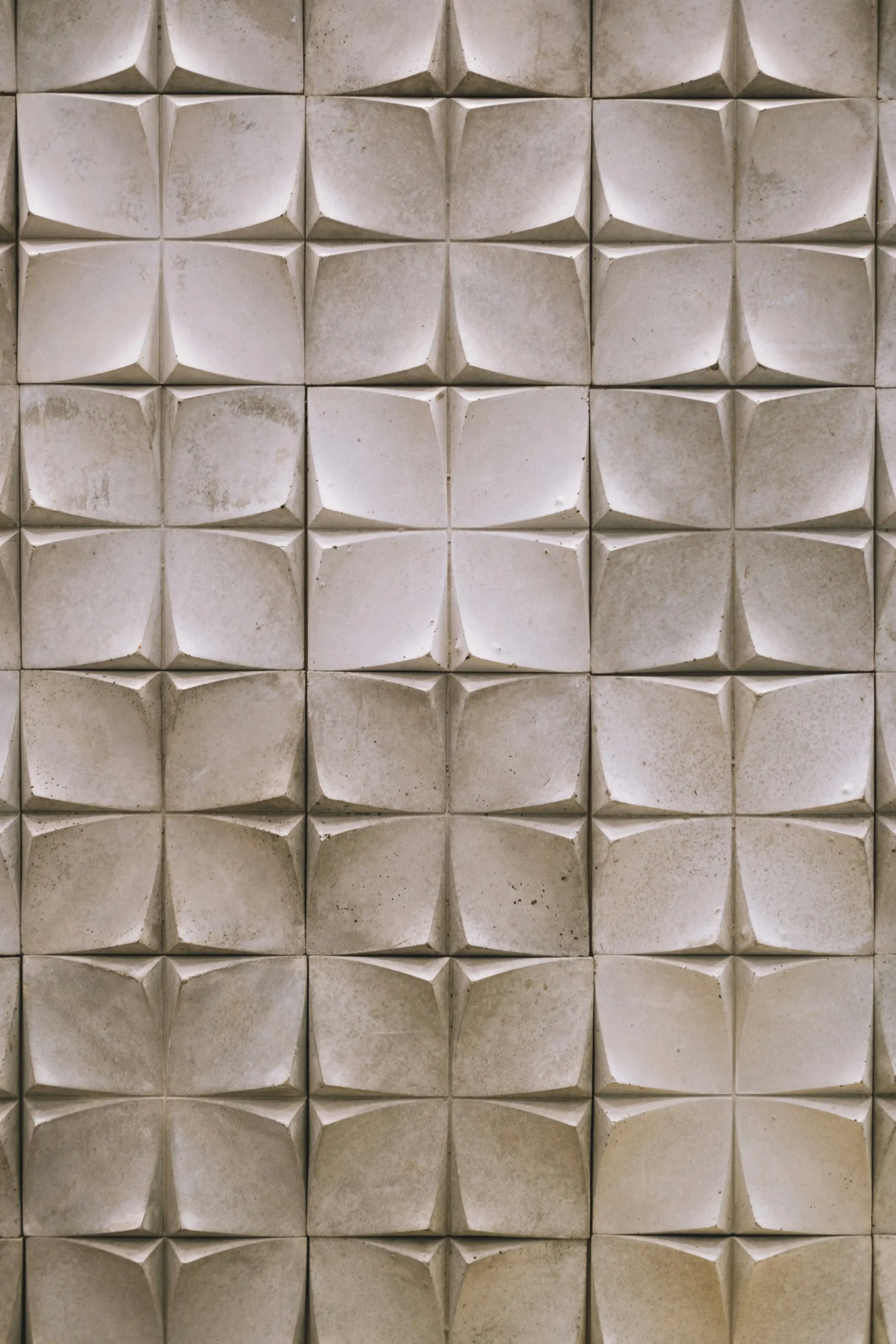
Fabrication is typically handled by certified professionals, ensuring proper joining, finishing, and edge profiling. Unlike natural stone, Corian can be seamlessly joined without visible gaps, allowing for expansive runs or complex shapes that would be difficult with quartz or granite. This characteristic also lends itself well to integrated edge profiles and monolithic islands, supporting a more sculptural approach to kitchen design.
Design Integration: Form, Function, and Fluidity
Corian invites architectural designers to think beyond flat surfaces. Because of its thermoformable properties, it can be shaped into curves, vertical transitions, and flowing forms that resist the visual interruptions seen with modular countertop systems. This makes it suitable not only for horizontal surfaces, but also for wall cladding, feature panels, and continuous splashback-to-worktop transitions.
In well-designed kitchens, the edge profiles of worktops become subtle design gestures, echoing the architectural language of the home. With Corian, these profiles can be square, coved, bullnosed, or entirely custom, all formed from the same solid material.
Applications extend to:
- Curved peninsula ends that soften otherwise rigid floor plans
- Integral drainboard grooves that support visual cleanliness
- Tactile surface consistency, offering a quiet counterpoint to textured cabinetry or stone flooring
Corian supports material continuity, an architectural value that often separates intentional design from stylistic trend.
Palette and Product Variants
While Corian is often associated with its signature glacier white finish, its palette today includes over 100 options ranging from warm neutrals and industrial greys to veined patterns that mimic marble with far more uniformity. Designers working on projects with restrained palettes will appreciate Corian’s consistent tonality and muted reflectivity, especially in matte finishes.
Collections such as Corian Artista and Corian Diore push the material into more expressive territory, using translucent particles and layered patterning to provide depth and dimension. These options allow surface treatments to respond to lighting conditions, spatial scale, or thematic palettes.
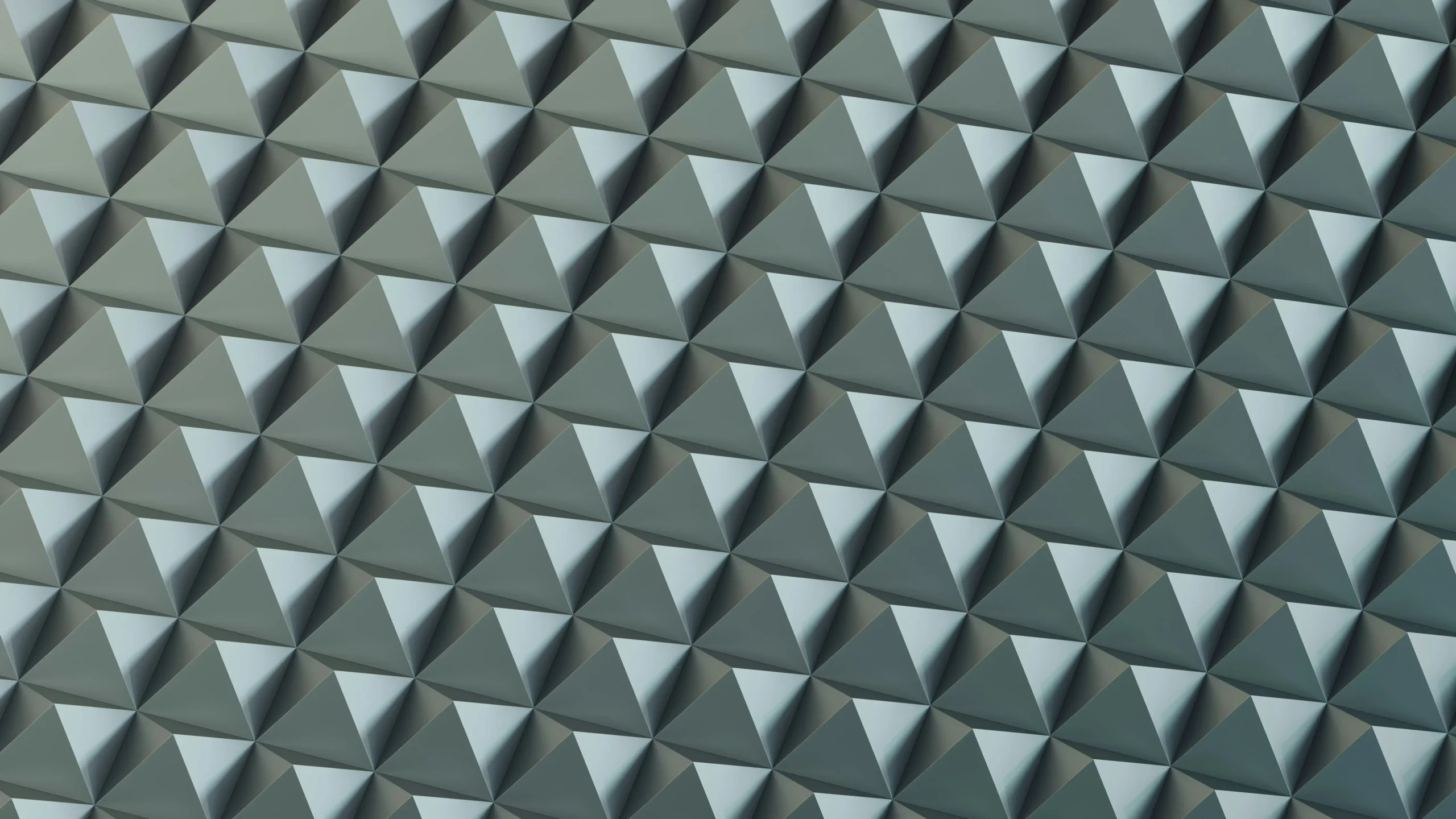
Because the colors are embedded throughout the thickness of the material, cut edges remain consistent, further reinforcing visual unity. This is particularly relevant when countertops extend into vertical cladding or custom shelving.
Questions from the Field
Is Corian considered outdated in 2025?
While it has a long history, Corian’s ability to support seamless, custom installations keeps it relevant in contemporary architecture. It’s especially valued in projects where minimalism and clean detailing are prioritized.
Is it more affordable than granite?
Generally yes, though pricing varies by color, thickness, and fabrication complexity. Corian often presents better long-term value in design-forward or hygiene-sensitive spaces.
What are its limitations?
Being an acrylic-based material, Corian can be scratched or damaged by excessive heat if not properly protected. It is not intended to replicate the granular complexity of natural stone but rather to offer uniformity and precision.
Why It Matters in Architectural Design
Corian solid surface countertops offer more than visual consistency. They support a design ethos. Their ability to bridge geometry, material performance, and spatial clarity makes them a valuable tool in the hands of architects and designers who think holistically.
In homes, institutions, or hospitality projects where surface articulation matters, Corian can become a quiet enabler of spatial rhythm. It plays a supporting role, but it plays it well, refining the feel of a kitchen or work area without pulling attention away from the architecture itself.





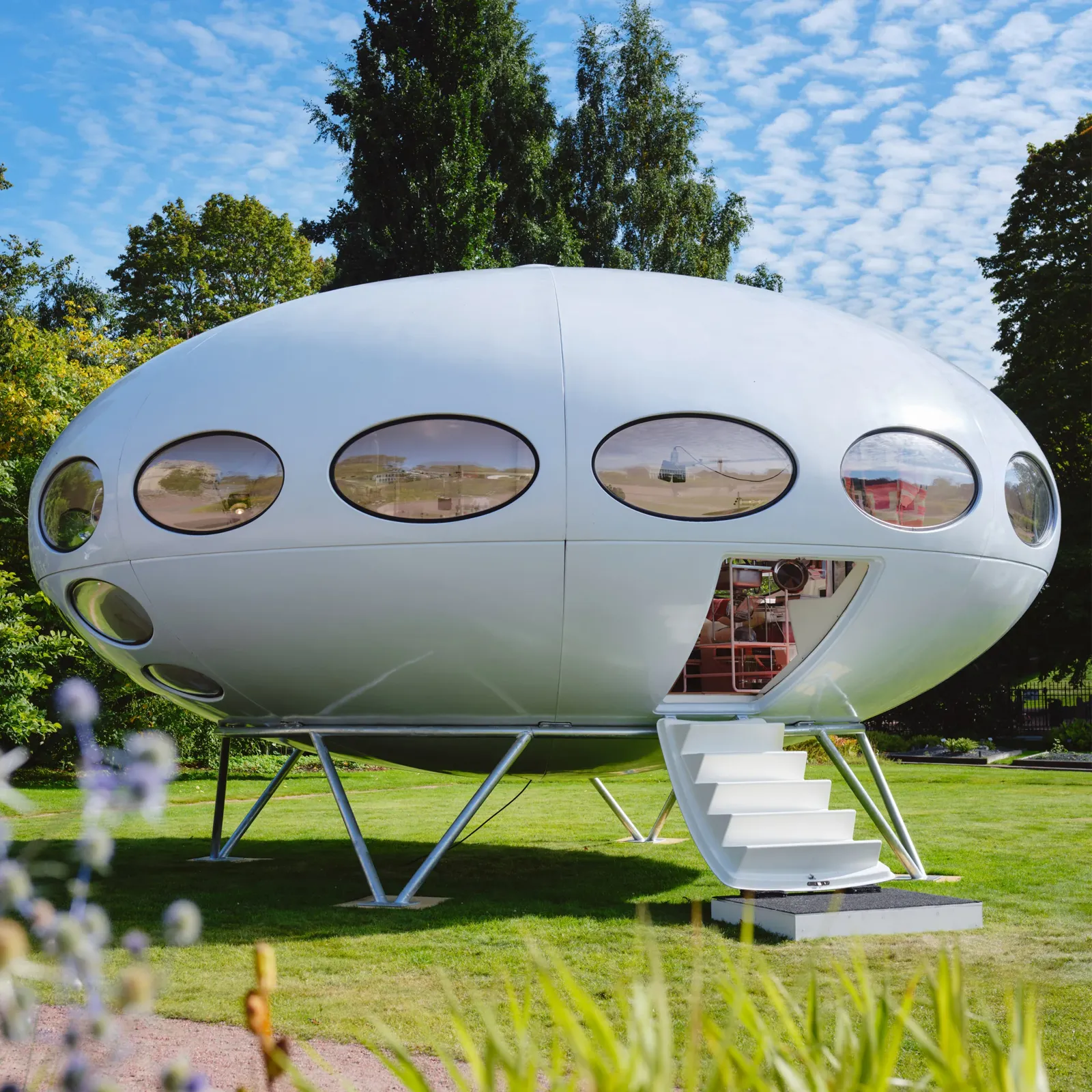
Futuro House Production Revived in Finland After Decades-Long Hiatus
A Facebook listing for abandoned moulds led to the first new Futuro...
 illustrarch Editoral Team3 Mins read
Building Your Dream Home in NSW: What You Should Know About Montgomery Homes
Montgomery Homes has been building across Sydney, Newcastle, the Hunter, Wollongong and...
illustrarch Editoral Team4 Mins read
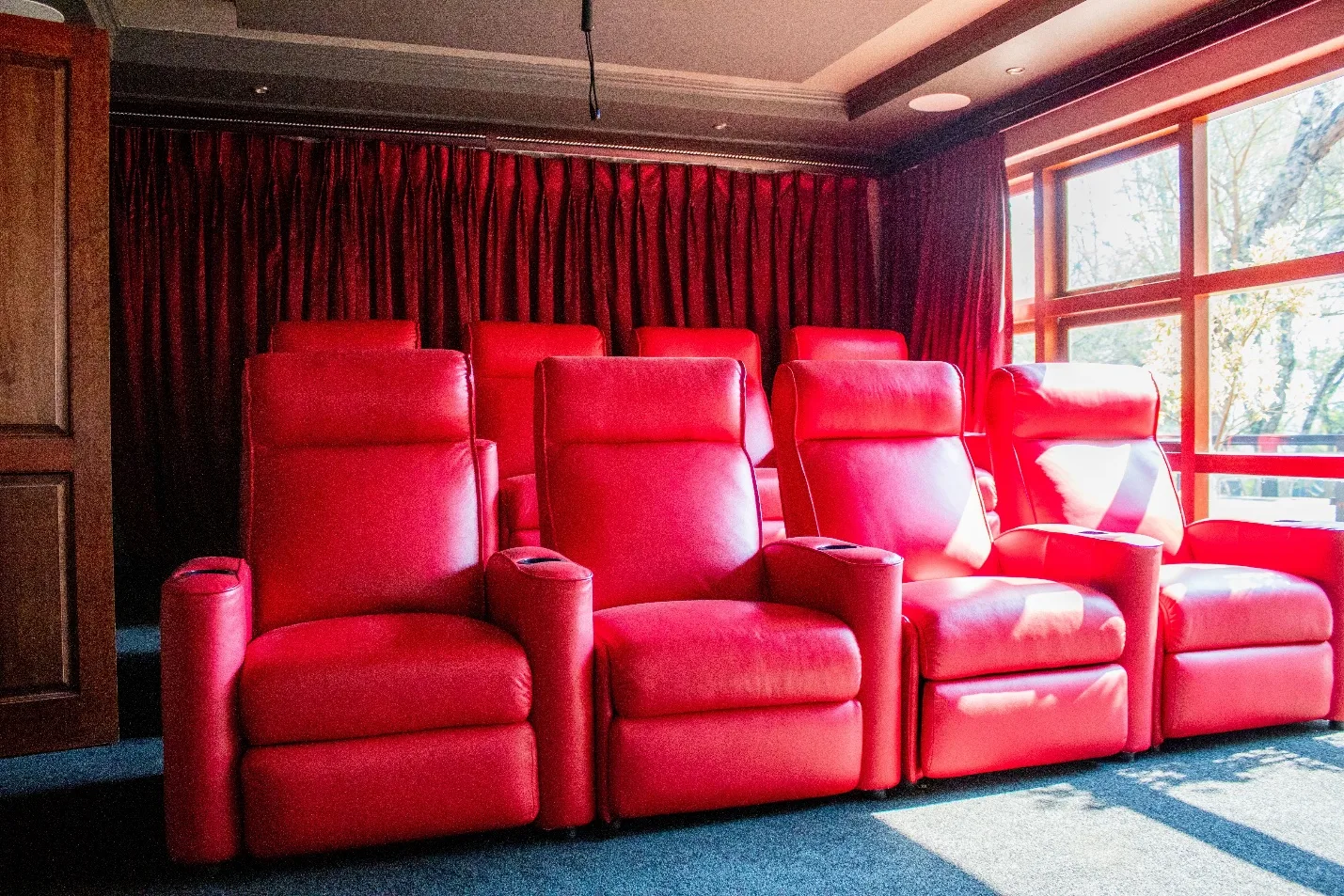
Designing a Home Theater: Where Drapery Fits Into the Plan
In a media room the curtains are a performance layer, not decoration....
illustrarch Editoral Team3 Mins read
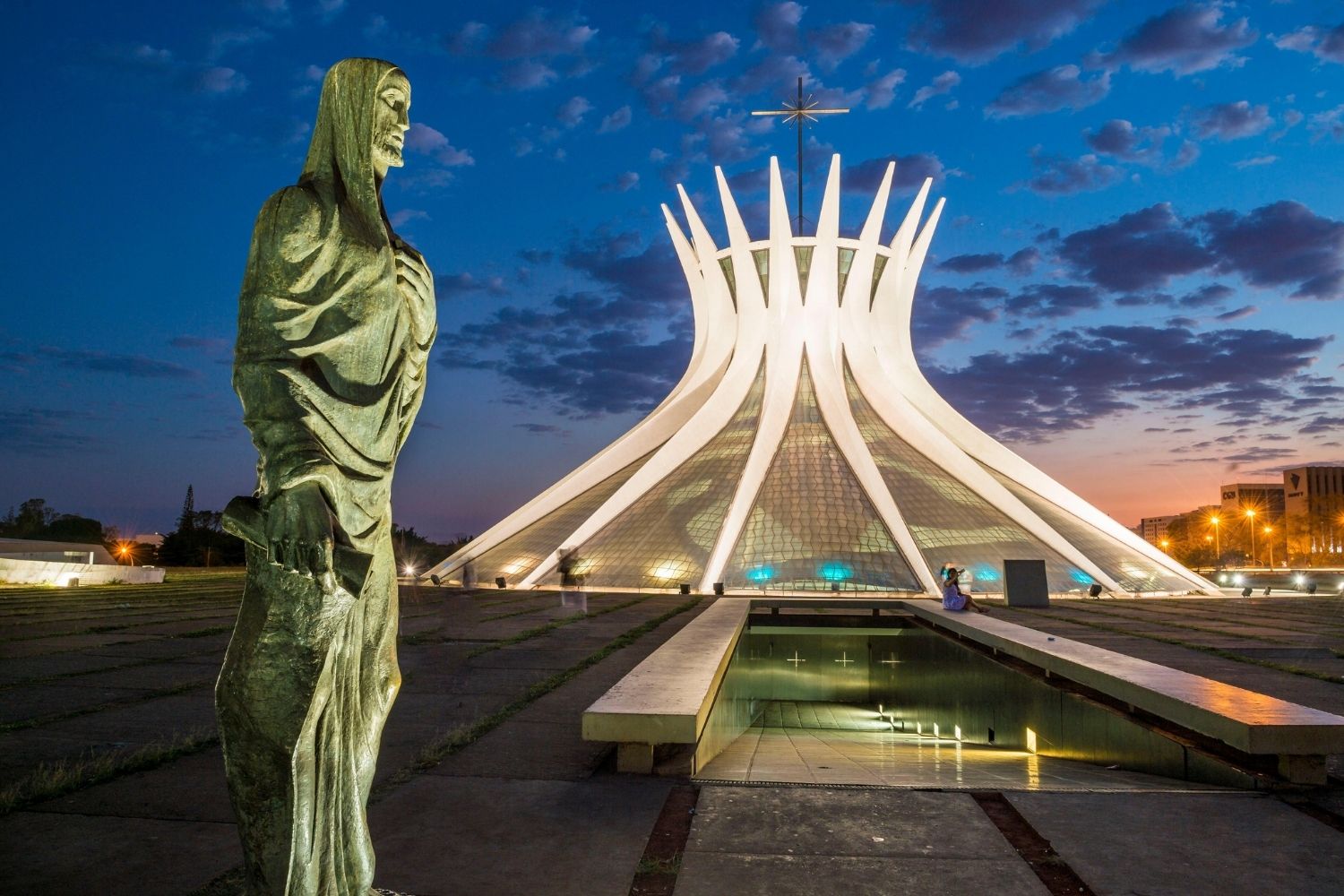
Oscar Niemeyer’s Cathedral of Brasília: The Hyperboloid Concrete Hymn
The Cathedral of Brasília reads as a single gesture, yet it stood...
 Furkan Sen7 Mins read


Leave a comment