

Building a Home in Melbourne in 2025: What You Need to Know Before You Commit
Building a home in Melbourne in 2025 involves understanding the complex housing market, realistic costs, and the selection process for builders amidst a supply shortage.
 Furkan Sen16 June 20268 Mins read157
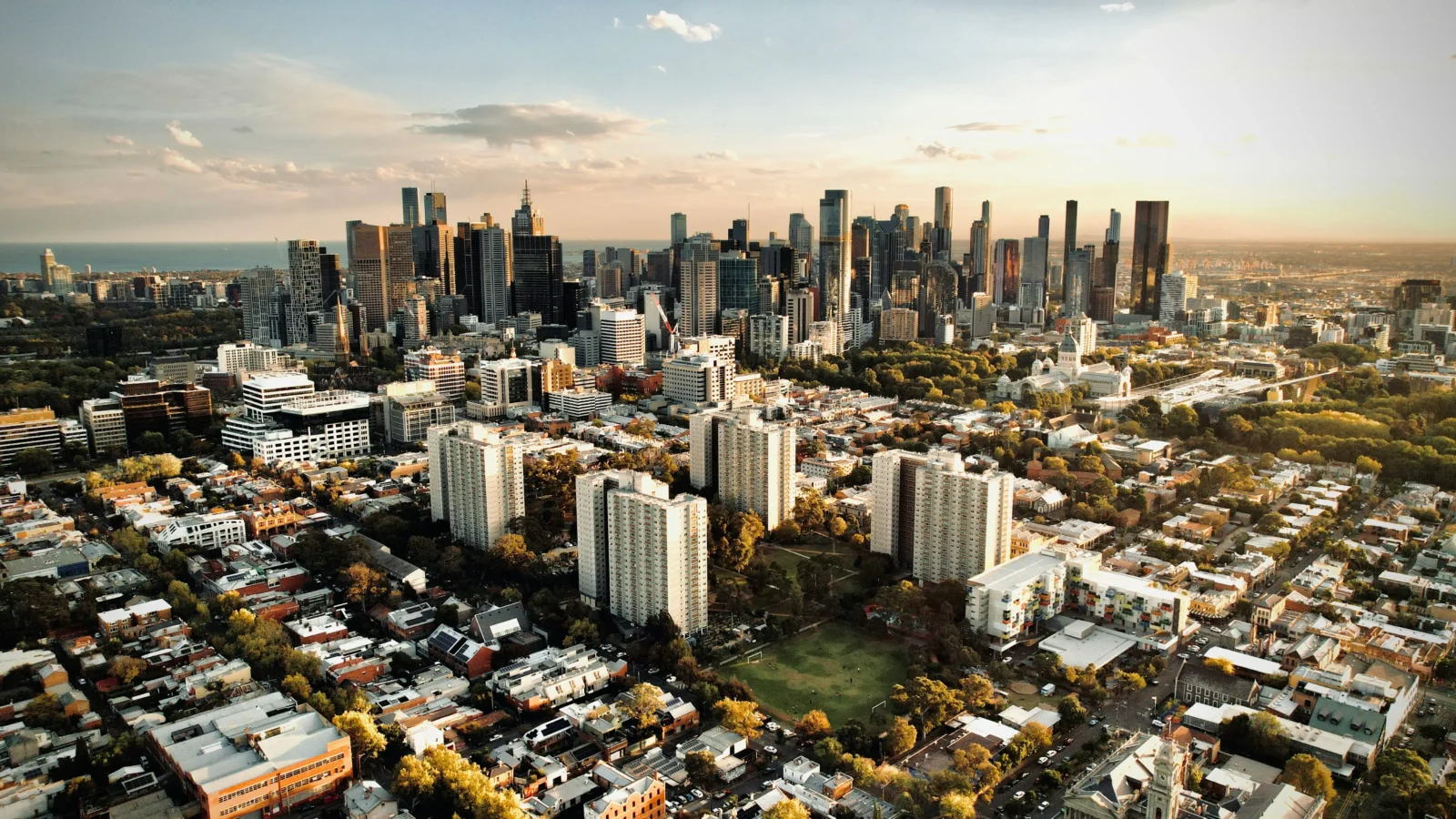
Table of Contents Show
Melbourne is one of the most dynamic housing markets in Australia, and also one of the most complex to build in. The city is growing at a pace that is expected to see it surpass Sydney’s population by 2029, yet new dwelling completions across Victoria are at their lowest levels in a decade. For families and individuals who want a new home in this market, building is not just a lifestyle choice. In many cases, it is the most practical path to getting the space, location, and quality they are looking for.
But building in Melbourne requires more preparation than most first-time builders expect. This guide covers the market context, realistic costs, the key differences between builder types, and what the selection process should actually look like if you want a result you will be proud of for decades.
If you are at the stage of comparing your options, speaking with experienced house builders Melbourne residents trust is the most efficient way to understand what is possible on your block and within your budget.
Why Melbourne’s Housing Market Makes Building the Right Move Right Now
Melbourne’s population is continuing to grow and is expected to surpass Sydney by 2029, with strong interstate migration and international arrivals fuelling demand for housing across metropolitan and outer suburbs and creating long-term pressure on availability and affordability. At the same time, with new housing commencements at their lowest levels since 2014, supply is unlikely to meet growing demand in the near term. The Victorian Government’s Housing Statement sets out an ambition to deliver 800,000 new dwellings over the next decade, but construction activity has slowed considerably since that target was announced.
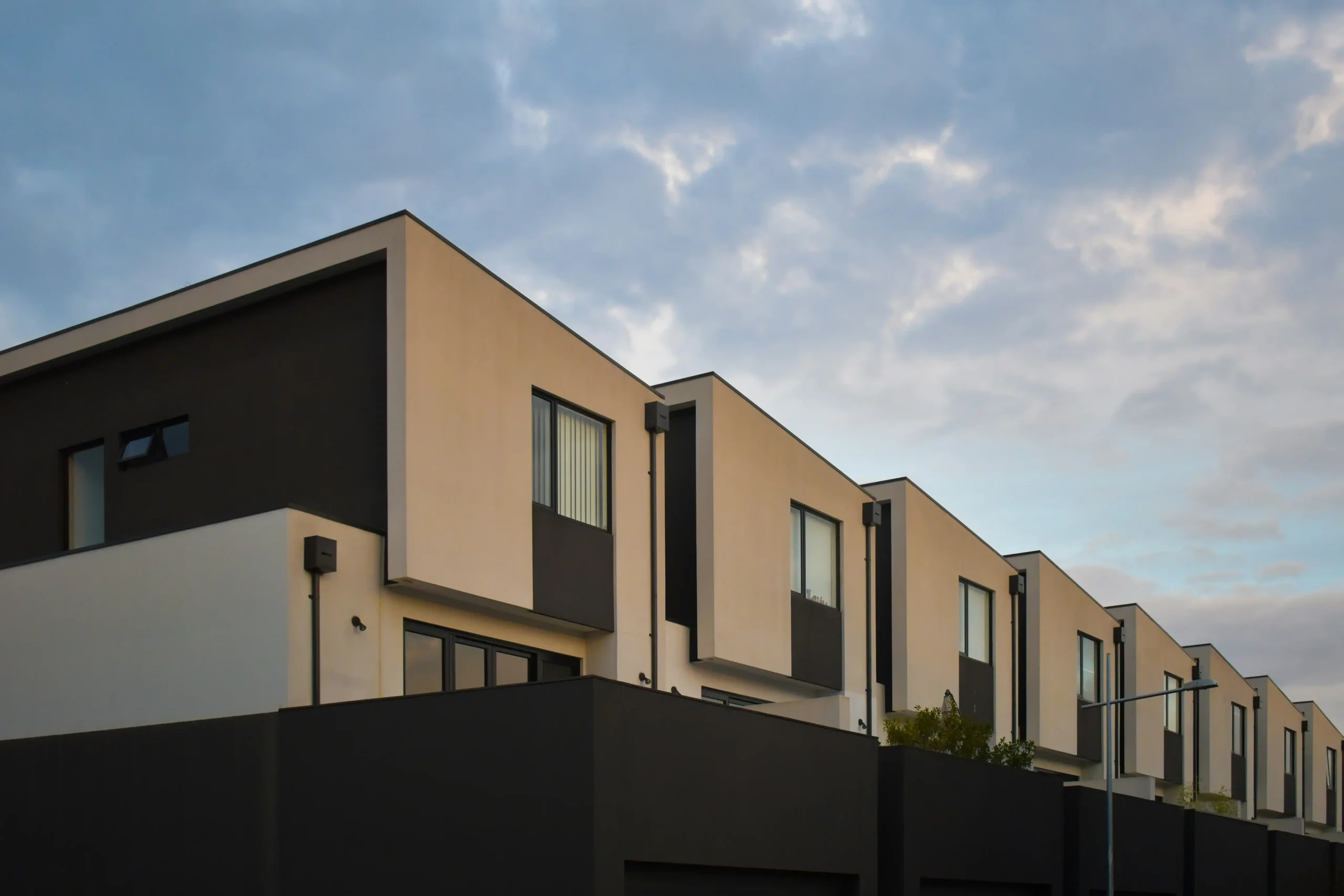
For homeowners who hold land, this supply gap is significant. It means that a well-designed, well-built home in an established or growth corridor suburb is an asset in a market where stock is genuinely constrained. Experts project robust growth in Melbourne’s property market over the next three years, with median house prices expected to climb 21% by mid-2027, according to Oxford Economics forecasts.
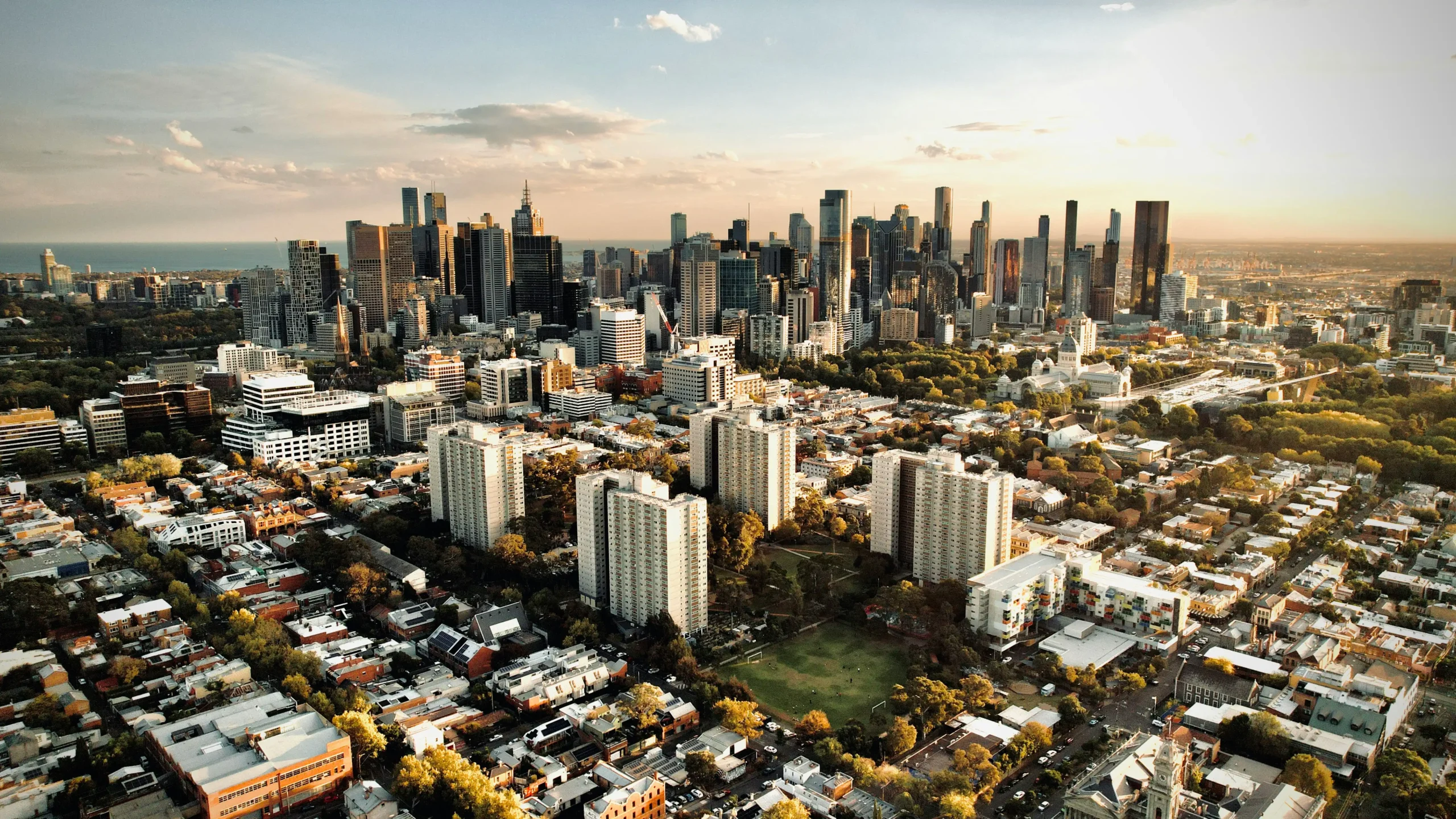
The knockdown rebuild market has also accelerated across Melbourne’s established suburbs. In many sought-after Melbourne neighbourhoods, vacant land is scarce, making demolition and rebuilding one of the most practical pathways to creating a new home. Homeowners benefit from proximity to schools, transport, parks, and amenities while upgrading ageing housing stock into modern, energy-efficient dwellings. Suburbs like Glen Iris, Bentleigh, Reservoir, and Preston have seen particularly strong knockdown rebuild activity as families choose location over compromise.
The practical conclusion from all of this: if you are ready to build, the conditions in Melbourne’s property market strongly favour acting rather than waiting.
What Does It Cost to Build a House in Melbourne?
This is the question every prospective builder asks first, and the honest answer requires more nuance than a single figure can provide.
In 2025, the average cost to build a home in Melbourne ranges between $1,900 and $4,000 per square metre. A mid-range 220 square metre four-bedroom home in the outer suburbs could land between $550,000 and $700,000, not including land. For custom-designed or premium homes, costs move higher, with most custom builders pricing from the mid-$2,000s per square metre up to $4,000 and beyond for higher-end or architecturally driven homes.
Several factors push a quote toward the upper end of these ranges.
Site conditions. Melbourne’s geology is highly variable. Reactive clay soils are prevalent in the western and northern suburbs, requiring engineered slabs and deeper footings that add to the base build cost. Rock, fill, and high water tables create their own complications. Any quote that does not account specifically for your site’s conditions is not a complete picture of what your build will cost.
Design complexity. A home with a complex roofline, double storey construction, large spans of glazing, or custom joinery requires more engineering, more trades time, and more materials than a straightforward footprint. The more specific your design brief, the more the base per-square-metre rate becomes a rough guide rather than a reliable budget figure.
Inclusions and upgrades. One of the most common misconceptions when building a new home is assuming the builder’s advertised “starting from” price covers everything you will need to move in. That figure usually reflects a base-level package covering only the essentials. Flooring, landscaping, driveways, window furnishings, and appliances are frequently excluded from base contract prices.
Timing. Construction costs in Melbourne are forecast to rise around 4% in 2026, driven by skilled trades in short supply and a significant volume of construction work underway across the state. For buyers who are ready to proceed, locking in a price sooner rather than later is a financially sensible move.
A realistic planning approach is to establish your total budget inclusive of land, construction, site works, council fees, professional fees, landscaping, and a contingency of at least 10%, then work back to the construction budget from there rather than starting with a base build price and adding costs progressively.
Understanding the Types of Builders in Melbourne
Not every builder is right for every project, and understanding the categories helps you shortlist appropriately before you start comparing individual firms.
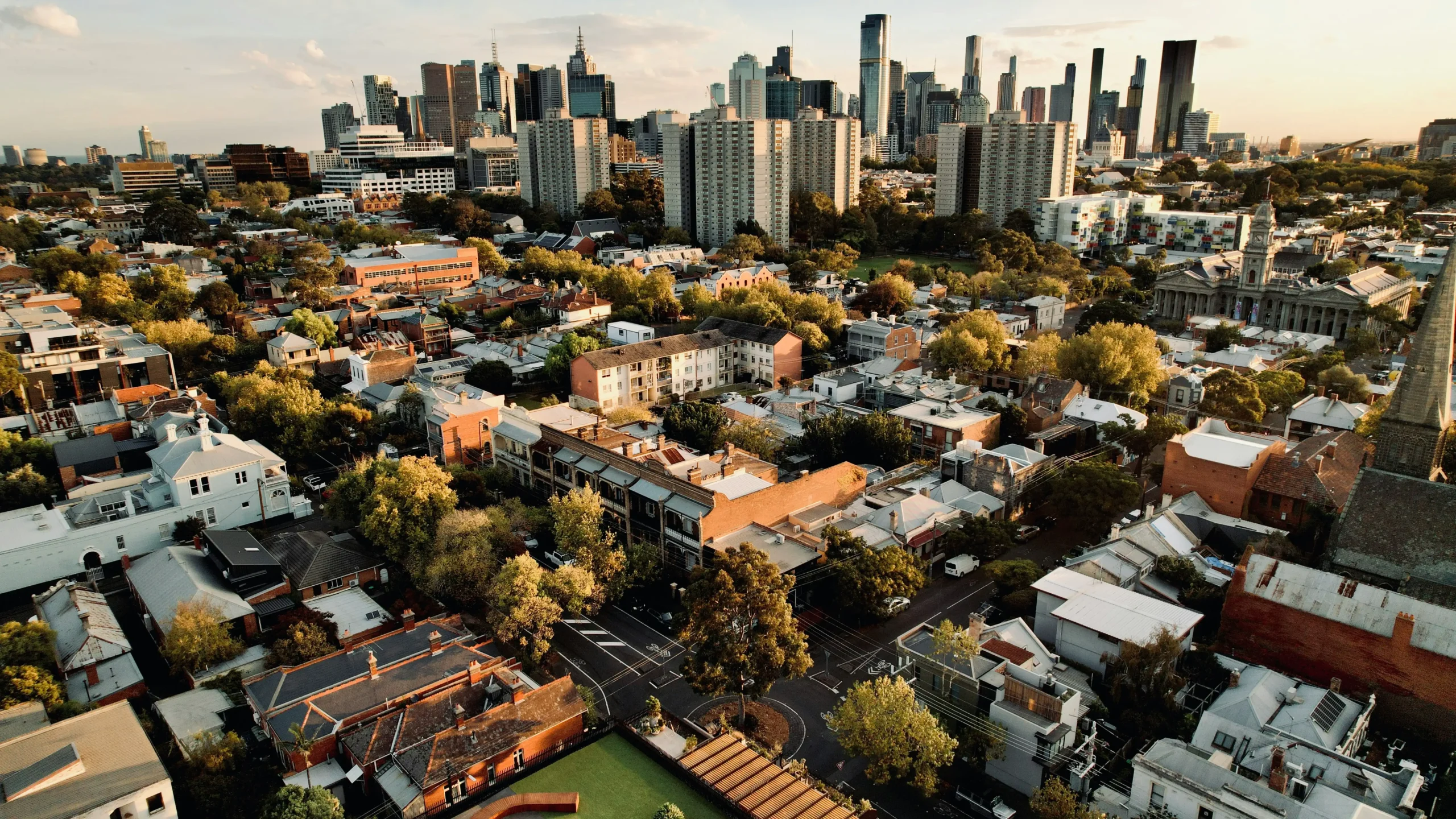
Volume builders operate at scale from a fixed catalogue of plans. They are best suited to standard blocks in Melbourne’s outer growth corridors, where the land is relatively flat, the lots are more uniform, and the buyer’s primary priority is value and speed over design individuality. The catalogue keeps design costs low, but customisation options are limited to what the system allows. Many volume builders offer compelling base prices that climb significantly once site costs, upgrades, and inclusions are factored in.
Project builders offer more design flexibility than volume builders while still working from a core range of base plans that are modified to suit the client’s brief. They tend to be well suited to buyers who have a clear sense of what they want but do not require fully bespoke design, and who are building on sites without unusual conditions.
Custom builders design and construct entirely to your brief. There is no standard plan range. Every element of the floor plan, facade, interior layout, and specification is developed specifically for your block, your family’s lifestyle, and your aesthetic preferences. This is the appropriate choice for:
- Blocks that are narrow, sloping, irregularly shaped, or have restricted access
- Knockdown rebuild projects in established suburbs where site conditions vary considerably
- Buyers with specific design requirements that fall outside a standard catalogue
- Higher-end or architecturally driven projects where the result needs to reflect a clear vision
The premium for custom over volume building is real, but for many Melbourne blocks and many homeowner briefs, a custom approach is not a luxury. It is simply the only path to a home that actually works on the land.
Melbourne-Specific Factors That Affect Every Build
Melbourne has a set of market dynamics that do not exist in the same combination anywhere else in Australia, and understanding them before you start the builder selection process will save time and money.
Reactive clay soils are common across Melbourne’s western and northern suburbs. These soils expand when wet and contract when dry, creating ground movement that can affect slab design and long-term structural performance. A reputable builder will conduct a site classification report before quoting and will specify a slab system appropriate to the soil classification. Be cautious of quotes that carry a vague or low site allowance without a completed soil test.
Heritage and planning overlays apply across large parts of Melbourne’s established suburbs. Design approval requirements vary significantly between council areas, and some overlays restrict external materials, roof pitch, and height. If your block is affected by a heritage overlay, your builder should have direct experience navigating those requirements with the relevant council.
Victorian Building Authority licensing. In Melbourne, all builders must be registered with the Victorian Building Authority (VBA). You can verify any builder’s registration through the VBA’s online register. This is a non-negotiable baseline, not a differentiator between builders, but a minimum requirement before any further evaluation begins.
Domestic building insurance. Victoria requires builders to take out domestic building insurance before accepting a deposit for work over $16,000. This insurance protects the homeowner if the builder becomes insolvent, dies, or disappears before the work is complete. Do not release any deposit payment before the insurance certificate of currency is in your hands.
Construction cost escalation. Melbourne’s building trades market is tight. Materials and labour costs have increased significantly since 2020, and the pipeline of work across the state keeps pressure on both. A fixed-price contract with a reputable builder protects you from cost escalation during the build, but it requires that the full scope be defined and documented before signing.
How to Evaluate and Select the Right Builder
The builder selection process is where most building projects succeed or fail. A methodical approach here is more valuable than any amount of research at any other stage.
Start with VBA registration and insurance. These are minimum requirements. Any builder who cannot immediately provide their VBA registration number and insurance certificates should not progress further in your evaluation.
Look for relevant local experience. Builders with strong local experience understand Melbourne’s unique planning requirements, soil conditions, and council-specific guidelines. A builder whose portfolio consists primarily of projects in one part of Melbourne may not have the same depth of knowledge when it comes to conditions in another area. Ask specifically about completed projects in your suburb or on sites with similar conditions to yours.
Request references from comparable completed projects. Start by examining recent projects and speaking with past clients. Assess how well the builder managed timelines and responded to problems during construction. Past client references are the single most reliable indicator of how a builder actually performs during a project, as opposed to how they present during the sales process. Ask specifically how variations and unexpected issues were handled.
Compare quotes on a like-for-like basis. The general rule of thumb is to get three quotes. If one is significantly higher or lower than the others, ask the builder to explain why. Pricing differences between quotes for the same project almost always reflect different assumptions about inclusions, site costs, or material specifications rather than a genuine saving.
Assess the quote for detail and transparency. A vague quote is a warning sign. If something is not clear, ask. Transparency early in the process prevents disputes later. A detailed quote that clearly separates base construction, site allowances, provisional sums, and contingency provisions reflects a builder who understands your project fully. Large or vague provisional sums leave significant financial exposure on your side.
Evaluate communication from the first interaction. A new home build in Melbourne typically takes 12 to 18 months from contract through to handover. How quickly does the builder respond to your questions? Do they ask thoughtful questions about your brief? Do they explain things clearly? The quality of your working relationship with your builder over the duration of the project shapes the entire experience, and that relationship is already forming from the first conversation.
What the Contract Should Cover
Once you have selected a builder, the contract is where the details of your agreement are formalised. Understanding the key provisions protects you throughout the build.
Residential building contracts in Victoria are typically based on HIA or MBA standard form documents. Before signing, make sure you are clear on the following.
Fixed price versus cost-plus. A fixed-price contract provides certainty on total construction cost. A cost-plus arrangement passes cost risk to you in exchange for greater transparency about actual expenditure. For most homeowners, a fixed-price contract is preferable, but it requires that the full scope be defined before the contract is executed.
The payment schedule. Payments should align with genuine construction milestones: slab, frame, lock-up, fixing, and completion are the standard stages in Victoria. Never make a payment ahead of the corresponding milestone.
Provisional sums. These are estimates for items that cannot be fully specified at the time of signing. They represent areas where the final cost may differ from the contracted figure. Minimise them where possible, and understand clearly which items in your quote carry a provisional sum rather than a fixed price.
Variations. Any change to the agreed scope after contract execution should be documented in a written variation order that you approve before the work proceeds. Verbal agreements about changes are the most common source of building disputes.
Defects liability. This is the period after practical completion during which the builder must rectify identified defects at no cost to you. Understand the period and the process for lodging defects before handover is finalised.
Building as a Long-Term Investment
A well-designed, well-built home in Melbourne is one of the most durable assets a household can hold. In a city where population is growing, supply is constrained, and median house prices are forecast to continue climbing, the financial case for building is compelling for those who have the land or can access it.
The decisions that matter most are the ones made before a single brick is laid: choosing the right site, working with a builder who understands Melbourne’s specific conditions, and taking the time to get the design and contract details right before committing. Those decisions compound over the life of the home in ways that are difficult to overstate.
Melbourne’s best builders are busy. The ones worth working with are often booked months ahead. Starting the research and engagement process early, before you feel urgent pressure to decide, is the best position to be in.








Futuro House Production Revived in Finland After Decades-Long Hiatus
A Facebook listing for abandoned moulds led to the first new Futuro...
 illustrarch Editoral Team3 Mins read
Building Your Dream Home in NSW: What You Should Know About Montgomery Homes
Montgomery Homes has been building across Sydney, Newcastle, the Hunter, Wollongong and...
illustrarch Editoral Team4 Mins read

Designing a Home Theater: Where Drapery Fits Into the Plan
In a media room the curtains are a performance layer, not decoration....
illustrarch Editoral Team3 Mins read

Oscar Niemeyer’s Cathedral of Brasília: The Hyperboloid Concrete Hymn
The Cathedral of Brasília reads as a single gesture, yet it stood...
Furkan Sen7 Mins read


Leave a comment