

How Can Window Coverings Improve Indoor and Outdoor Comfort?
Window coverings work as a home’s adjustable climate layer. A practical guide to matching exterior awnings and interior blinds to orientation, glare, heat and privacy.
 illustrarch Editoral Team29 August 20269 Mins read64
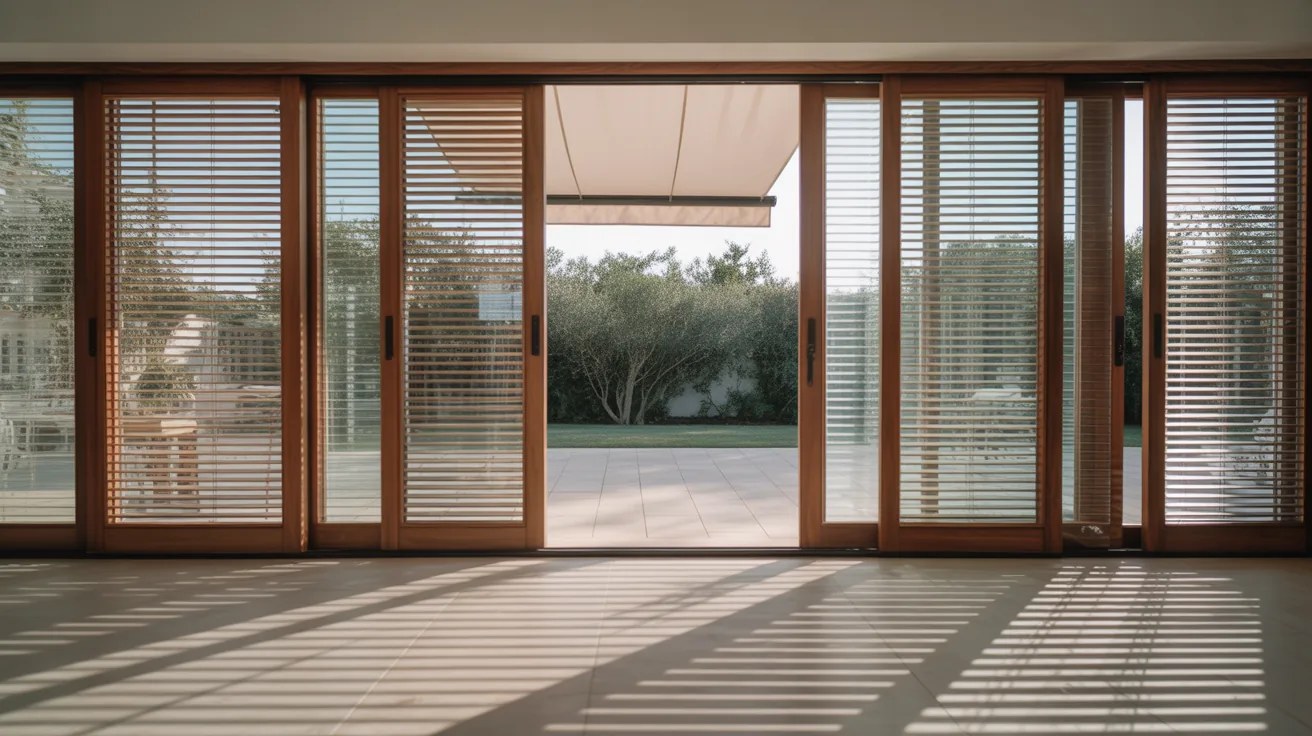
Table of Contents Show
A room can look beautiful and still feel uncomfortable. Morning glare may hit the dining table, afternoon sun can turn a living room into a glasshouse, and an uncovered patio may sit empty through the warmest part of the day. I often think of window coverings as a home’s adjustable climate layer. They help each space respond to weather rather than simply endure it.
Outdoor and indoor coverings perform different roles. Exterior shade can intercept strong sunlight before it reaches the glass, while interior blinds can soften brightness, protect privacy and shape the mood of a room. Used together, they provide greater control over heat, light, airflow and everyday comfort.
The right combination depends on window orientation, room use and exposure. A western-facing family room needs a different response from a shaded bedroom or a north-facing patio.
Start with the Source of Discomfort
Before choosing a product, identify what makes the space uncomfortable. Heat, glare, poor privacy and lack of shade may appear together, but they are not the same problem.
Observe the room and outdoor area at different times of day. Record when direct sun enters, where glare appears and which furniture becomes hot.
Common comfort problems include:
- Intense afternoon heat
- Glare on televisions or computer screens
- Faded flooring or furnishings
- Limited privacy
- Outdoor areas with no midday shade
- Cold-feeling windows during winter
- Bright bedrooms early in the morning
- Wind across balconies or patios
- Overheated outdoor furniture
- Rooms that feel dark when coverings close
A clear diagnosis prevents overcorrection. Heavy blockout treatments may stop glare but also remove useful daylight, while a light-filtering blind may not provide enough heat control for exposed western glass.
Understand How Window Orientation Changes Performance
The direction a window faces influences when and how sunlight enters. East-facing windows receive lower morning sun, while west-facing windows can be exposed to strong late-afternoon heat. North-facing glass often receives useful winter sun and more summer shade when eaves are suitably designed.
South-facing windows usually receive less direct sun but may still need coverings for privacy, insulation or glare from bright outdoor surfaces.
Review:
- Window direction
- Seasonal sun angles
- Nearby trees and buildings
- Reflected heat from paving
- Existing eaves
- Room occupancy times
- Valuable views
- Prevailing wind
The same product does not need to appear on every elevation. Selecting treatments according to exposure can improve comfort while avoiding unnecessary expense.

How Retractable Awnings Create Flexible Outdoor Shade
Retractable systems can extend over patios, balconies, doors and windows when shade is needed, then fold away when homeowners want open sky or winter sunlight. Their self-supporting folding arms can provide cover without permanent front posts, leaving circulation and views more open.
Some systems are available in wide spans and deep projections, making them suitable for dining tables, lounge furniture and larger openings. Manual and motorised operation provide different levels of convenience.
Potential benefits include:
- Adjustable shade
- Reduced direct sun on windows
- More comfortable outdoor seating
- Protection from light weather
- Open views when retracted
- No permanent front posts
- Manual or motorised control
- Optional sun and wind sensors
- A range of fabric colours
- Cassette protection for stored fabric
The final result depends on location, installation height, projection and sun angle. Low western sun may travel beneath an overhead awning, so side screening or planting may still be helpful.
Stop Heat Before It Reaches the Glass
Exterior shading can be highly effective because it intercepts solar exposure outside the building. Once strong sunlight passes through glass, part of that energy is absorbed by floors, furniture and interior surfaces.
Interior coverings still play an important role, but they manage light and heat after it enters the window zone. Combining exterior and interior products can provide a more flexible response.
A layered approach may use:
- An awning above exposed glazing
- Internal adjustable blinds
- Curtains for night-time insulation
- External planting
- Existing eaves
- Window films where suitable
- Separate controls for different windows
Homeowners should avoid blocking useful winter sun automatically. Retractable or adjustable products allow seasonal changes without permanently darkening the room.
Make Outdoor Areas Comfortable for Longer
A shaded patio can become usable for meals, reading and children’s play during periods when bare paving feels too hot. Shade also protects outdoor furniture from direct exposure and may reduce glare around the table.
Comfort depends on airflow as well as shade. A low, enclosed cover can trap warm air, while an open-sided awning allows breezes to move through.
Plan the shaded area around:
- Dining furniture
- Lounge seating
- Door operation
- Main walking paths
- Barbecues and heat sources
- Rainwater movement
- Garden views
- Afternoon sun direction
- Furniture storage
- Lighting and power
Measure the area with chairs pulled out, not only with furniture tucked neatly under the table. Shade should cover the people using the furniture rather than just the tabletop.
Use Automation for Changing Conditions
Motorisation allows large awnings and blinds to operate with less physical effort. This can be valuable for wide windows, high installations and households where manual controls are difficult to reach.
Sensors and timers can also respond when occupants are away. A sun sensor may extend exterior shade when exposure rises, while a wind sensor may retract an awning when conditions become unsuitable.
Automation options may include:
- Wall switches
- Remote controls
- Timers
- Sun sensors
- Wind sensors
- Smart-home integration
- Grouped window controls
- App-based operation
Automated systems still need sensible settings and maintenance. Owners should know how to operate them during a power interruption and how to override scheduled behaviour when weather changes unexpectedly.

Bring Warmth Indoors with Timber Venetian Blinds
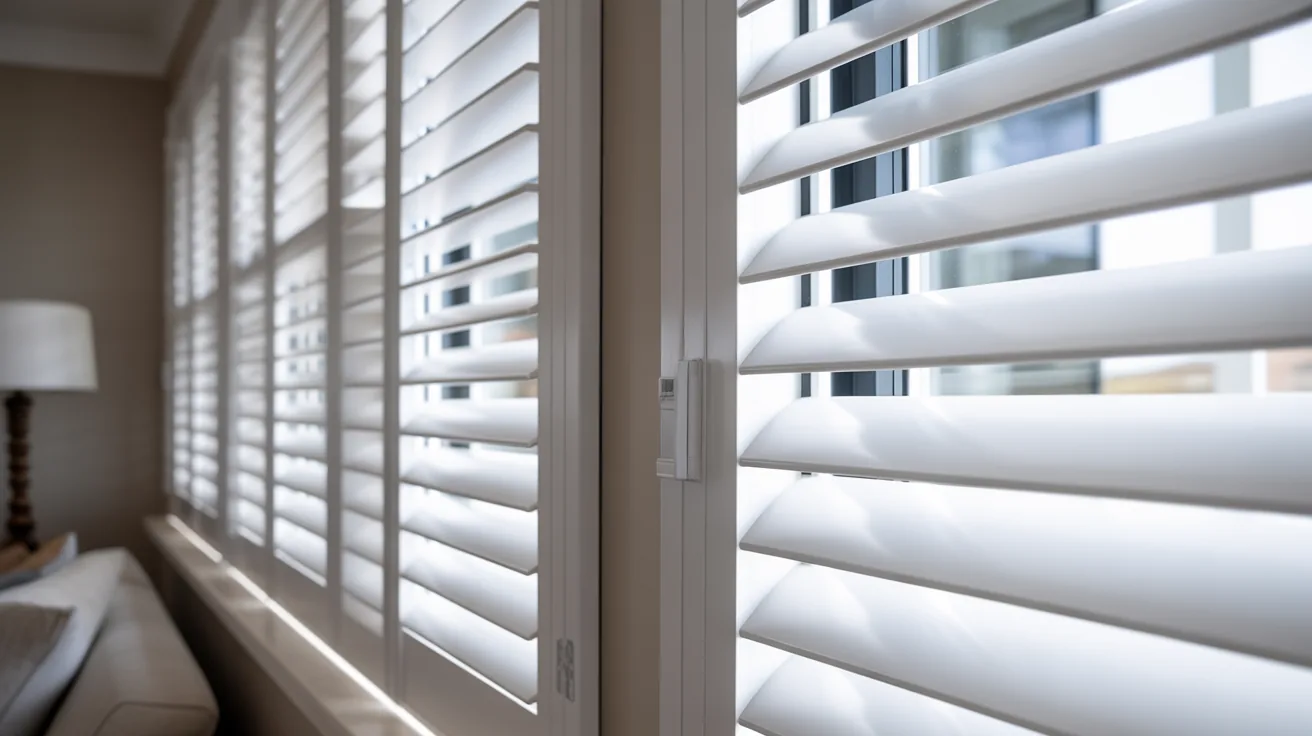
Timber venetian blinds combine adjustable light control with the warmth of a natural-looking material. Horizontal slats can redirect daylight, reduce direct views and frame the window without the softness or fullness of curtains.
They work particularly well in living rooms, studies, dining areas and bedrooms where homeowners want a structured finish. Timber tones can connect visually with flooring, furniture and cabinetry.
Their adjustable slats can support:
- Daytime privacy
- Glare reduction
- Controlled daylight
- A clear view when raised
- Warm interior styling
- Ventilation through an open window
- Different privacy levels across the day
- Easy coordination with timber finishes
Natural timber requires care in humid or wet areas. Bathrooms, laundries and windows exposed to regular condensation may need a moisture-resistant alternative with a similar appearance.
Adjust Slat Angles for Better Light
Fully closing a blind is not always necessary. Angling the slats can redirect sunlight towards the ceiling, creating softer brightness deeper within the room.
Upward-tilted slats may also protect privacy from street-level views. Downward angles can help with sightlines from higher neighbouring properties, depending on window position.
Try different settings for:
- Morning sunlight
- Afternoon glare
- Computer use
- Television viewing
- Daytime privacy
- Evening screening
- Ventilation
- Cleaning
Pale ceilings and walls can help distribute reflected daylight. This may reduce the sharp contrast between a bright window and a darker room.
Control Glare Without Losing the View
Glare can make a room difficult to use even when the temperature feels comfortable. Screens, televisions and glossy surfaces are particularly affected by bright windows.
Movable coverings let occupants reduce direct light during the problem period and reopen the view afterwards. This is more flexible than permanently obscuring the glass.
Glare-control strategies include:
- Tilting Venetian slats
- Extending exterior shade
- Moving screens perpendicular to windows
- Using separate blinds across wide openings
- Choosing matte finishes
- Adding side screening for low sun
- Layering blinds and curtains
- Reducing reflections from nearby paving
Check the room from seated positions. Glare that is invisible while standing may fall directly across a sofa, desk or dining chair.
Improve Privacy Across the Day
Privacy changes after sunset. During the day, bright outdoor light may make it harder for passers-by to see inside. At night, interior lighting can make the room much more visible.
Adjustable blinds allow the slats to close or tilt as conditions change. Bedrooms and street-facing rooms may need a second layer where stronger screening or room darkening is required.
Useful privacy options include:
- Tilting slats rather than raising the blind
- Closing blinds before indoor lights are switched on
- Pairing blinds with curtains
- Using separate treatments for upper and lower windows
- Adding outdoor screening
- Planting around exposed sightlines
- Testing visibility from outside after dark
Privacy should not depend only on how a fabric or finish looks in a showroom. Always view samples against the actual window and lighting conditions.

Support Better Indoor Temperatures
Window coverings can help reduce unwanted heat in summer and limit exposure to cold glass during winter. Their effect depends on fit, material, operation and the performance of the window itself.
Coverings work best as part of a broader approach that includes insulation, ventilation, glazing and shading. They cannot correct major building defects or replace suitable heating and cooling.
During warmer weather:
- Shade exposed glass before peak heat
- Close internal blinds on sunny elevations
- Ventilate when outdoor air becomes cooler
- Retract awnings during strong wind
- Avoid trapping heat behind tightly closed coverings
During cooler weather, open coverings when sunlight can warm the room and close them after sunset. This simple routine can support comfort without making the home feel permanently shut.
Protect Furniture and Finishes
Direct sunlight can contribute to fading across flooring, rugs, artwork, upholstery and timber. Damage may appear unevenly where one section receives daily exposure.
Adjustable coverings reduce direct sun while preserving useful daylight. Exterior awnings can shade large glazed areas, while internal blinds allow finer control.
Pay attention to:
- Timber flooring
- Leather seating
- Coloured upholstery
- Artwork
- Photographs
- Rugs
- Books
- Cabinetry
- Outdoor cushions
- Dining furniture
Rotate movable items where practical. Using coverings consistently during intense exposure can also reduce strong differences between protected and unprotected sections.
Choose Fabric and Colour Carefully
Awning fabric affects shade, filtered light and the appearance of the exterior. Darker colours may provide stronger glare reduction, while lighter colours can create a brighter area beneath the cover.
Interior blind colour also changes the mood of a room. Warm timber shades can add depth, while pale finishes may feel lighter and less visually dominant.
When selecting finishes:
- View samples in natural light
- Compare them with the exterior façade
- Check appearance from inside
- Observe colours in sun and shade
- Review the fabric’s openness
- Match or complement timber furniture
- Think about long-term cleaning
- Confirm colour and finish warranties
A small sample can look very different across a large awning. Ask to view installed examples or larger fabric pieces where possible.
Plan for Wind, Rain and Exposure
Retractable awnings are designed primarily for sun protection, and their suitability for wind or rain depends on the product and installation. They should not be treated as permanent storm shelters.
Wind can place substantial force on an extended awning. Sensors may provide helpful protection, but they do not replace supervision or correct use.
Before installation, review:
- Local wind exposure
- Building height
- Coastal conditions
- Wall structure
- Mounting position
- Drainage
- Fabric slope
- Nearby trees
- Retraction space
- Manufacturer operating limits
Retract the awning when conditions exceed the product’s guidance. Allow wet fabric to dry when practical before leaving it stored for long periods.
Prioritise Accurate Measurement and Installation
Folding-arm systems place loads on the building, so the mounting surface and fixing method need professional review. Brick, concrete, timber framing and lightweight cladding may require different installation details.
Interior blinds also need precise measurements. Gaps, window handles and limited recess depth can affect fit, privacy and operation.
A site measure should review:
- Width and projection
- Installation height
- Wall condition
- Door and window clearance
- Sun direction
- Wind exposure
- Electrical access
- Recess depth
- Handles and locks
- Furniture placement
Ask what the quotation includes, such as motorisation, electrical work, cassette, sensors, installation and removal of old coverings. Matching scopes makes product comparisons more meaningful.
Follow a Simple Maintenance Routine
Outdoor fabrics collect dust, leaves and airborne residue. Indoor blinds gather dust across horizontal slats. Regular light cleaning is easier than restoring heavily soiled products.
Moving parts also benefit from periodic checks. Unusual sounds, uneven movement or loose components should be examined before they lead to larger faults.
Maintenance may involve:
- Removing loose debris
- Brushing awning fabric gently
- Allowing wet fabric to dry
- Dusting timber slats
- Avoiding excessive water on natural timber
- Checking awning arms and fixings
- Testing sensors
- Keeping tracks and moving areas clear
- Following manufacturer care instructions
- Arranging professional servicing when needed
Do not apply unapproved lubricants, solvents or pressure washing. These methods may damage coatings, fabrics or mechanisms.
Frequently Asked Questions About Folding-Arm Awnings
Are folding-arm awnings suitable for balconies?
They can suit balconies when there is adequate mounting structure, clearance and permission. Wind exposure often increases at upper levels, so product selection and installation require careful site review.
Apartment owners may also need strata approval before attaching anything to external walls or altering the building’s appearance. Confirm operating limits and retract the awning when weather conditions become unsuitable.
Do folding-arm awnings need support posts?
Most folding-arm designs are self-supporting and extend from brackets fixed to the building. This leaves the front edge open without permanent posts interrupting views or pathways.
The wall or mounting structure must be able to carry the required loads. A professional measure can identify suitable fixing points and whether additional structural work is needed. Do not assume that fascia boards or lightweight cladding provide adequate support.
Can folding-arm awnings be used in rain?
Their primary role is sun protection. Some may tolerate light rain when installed with suitable pitch, but they should not be treated as permanent all-weather roofs.
Follow the manufacturer’s guidance for rain and wind. Water should not pool on the fabric because the added weight can strain the arms and fixings. Retract the awning during heavy rain, storms or unsuitable wind.
Are motorised folding-arm awnings worth it?
Motorisation can make larger awnings easier to use and may encourage more regular operation. Remote controls, sun sensors and wind sensors add convenience for changing conditions.
The value depends on size, access and household preference. Ask about manual override, power requirements, warranty and replacement parts. Sensors provide assistance but do not remove the owner’s responsibility to monitor severe weather.
How long do folding-arm awnings last?
Service life depends on fabric quality, frame construction, installation, sun exposure, wind and maintenance. Careful operation can help reduce avoidable wear.
Retract the awning during unsuitable weather, keep debris away from moving parts and clean the fabric according to supplier instructions. Motorised systems may also need periodic servicing. Ask which structural, fabric and motor components are covered by warranty.
Bring Indoor and Outdoor Comfort Together
Window coverings work hardest when they respond to the entire property rather than one window at a time. Exterior shade can reduce direct exposure before it reaches the glass, while interior blinds provide privacy, glare control and visual warmth.
Observe where discomfort begins, compare the room across different seasons and choose adjustable products suited to each location. Professional measurement can then turn those observations into coverings that make the home more comfortable inside and more inviting outdoors.






Building Your Dream Home in NSW: What You Should Know About Montgomery Homes
Montgomery Homes has been building across Sydney, Newcastle, the Hunter, Wollongong and...
illustrarch Editoral Team4 Mins read

Oscar Niemeyer’s Cathedral of Brasília: The Hyperboloid Concrete Hymn
The Cathedral of Brasília reads as a single gesture, yet it stood...
 Furkan Sen7 Mins read

What Technology Does a Modern Workplace Need?
A modern workplace needs more than fast computers. A framework covering network,...
illustrarch Editoral Team8 Mins read
How Do You Choose Durable Shutters That Suit Your Budget?
Shutters can look identical in a showroom and perform very differently after...
illustrarch Editoral Team8 Mins read


Leave a comment