

The 3D render revolution: how luxury kitchen design is changing the way we build homes
Photorealistic 3D rendering is changing the luxury kitchen design process, letting clients, designers and architects see, compare and refine a kitchen before it is built.
 illustrarch Editoral Team28 September 20263 Mins read6

Table of Contents Show
Designing something you can’t see yet
Commissioning a luxury kitchen has historically required an unusual degree of trust. You make significant decisions — about materials, colors, spatial configuration, appliance placement — based on physical samples, two-dimensional drawings, and the professional judgment of your designer. Then you wait, sometimes for months, before seeing anything close to the finished result. By the time the installation is underway, changes are expensive and disruptive. The most consequential decisions are effectively locked in.
That dynamic has changed. Ornare’s kitchen design process now centers on photorealistic 3D rendering — a tool that transforms what was once a leap of faith into a collaborative, iterative visual conversation. The client can see, evaluate, and refine their kitchen before a single cabinet is ordered. It sounds like a modest technological upgrade. In practice, it changes almost everything about how decisions are made and how confident clients feel when they make them.
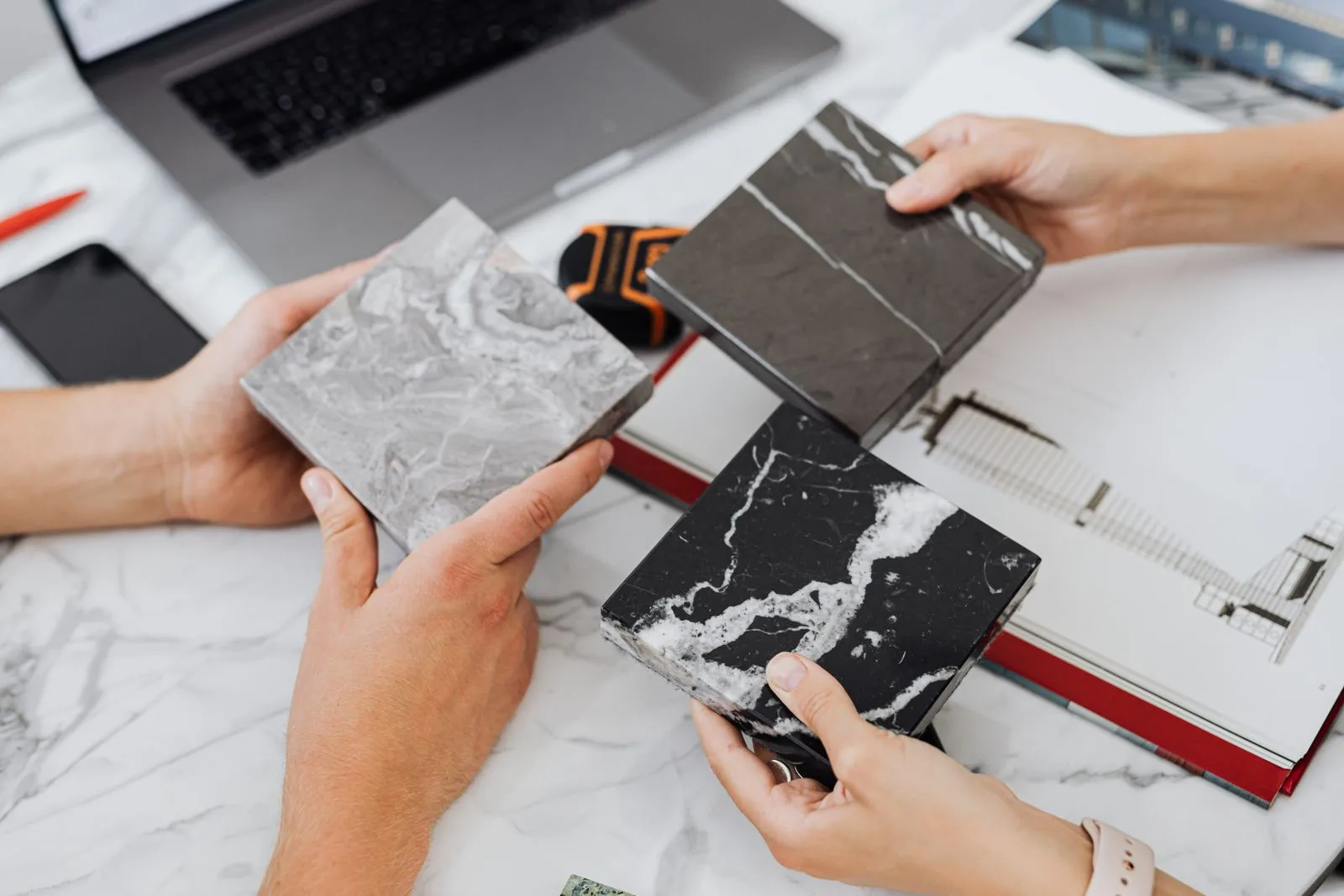
A profession that handled 15,000 kitchen projects in a single year
The scale and sophistication of the kitchen design industry in America today is easy to underestimate. According to the NKBA Kitchen Trends Summit report, the designers who participated in the 2025 Kitchen Trends study had an average of 17 years of professional experience and completed approximately 30 kitchen projects each in 2024 — meaning that collectively, the study’s respondents alone designed more than 15,000 kitchens in a single year. These are not casual practitioners. They are specialists whose entire professional lives are organized around the challenge of designing this one room, at the highest level, for clients who expect the best.
The render is not peripheral to how these professionals work — it is central to it. A luxury kitchen design project of any complexity requires a visual language that all parties — client, designer, architect, installation team — can read and respond to with confidence. The photorealistic render provides that language, and it does so in a way that flat drawings and physical samples simply cannot.
What the render actually changes
The value of a high-quality kitchen render isn’t visual reassurance — it’s better decision-making. When a client can see their proposed custom kitchen in photorealistic detail, under simulated lighting conditions, at the correct scale relative to the room’s proportions, decisions that would otherwise be abstract become concrete. The color of the cabinet fronts. The way the island relates to the cooktop wall. The visual weight of the upper cabinet run against the window. The effect of a specific countertop material under the home’s actual light conditions.
Stefan Schattan, CEO of Ornare, describes the render as non-negotiable: “Every project is fully rendered before we build anything. It lets the designer, the architect, and the client all see the same thing and work toward the same result. And it functions as a record of intention — when the installation team arrives, there’s no ambiguity about what was agreed.” That last point matters more than it might seem. In a custom kitchen project, misinterpretations at installation are not just inconvenient — they can be extraordinarily costly.

Iteration before commitment
One of the least discussed but most practically significant benefits of 3D visualization in kitchen design is the ability to explore alternatives without cost or consequence. Switching from light wood veneer to dark lacquer, reconfiguring the island from rectangular to L-shaped, adjusting the height of the upper cabinet run — in a traditional process, each of these changes requires significant redrawing time. In a render-based process, the same change can be visualized in hours and presented alongside the original for direct comparison.
This dramatically expands the range of design territory that can be explored before a decision is made — which in turn makes it far more likely that the final design is genuinely the best possible outcome, rather than simply the best outcome achievable within the constraints of a traditional process. The render doesn’t just show the client what they’re getting. It gives them the confidence to ask for what they actually want.




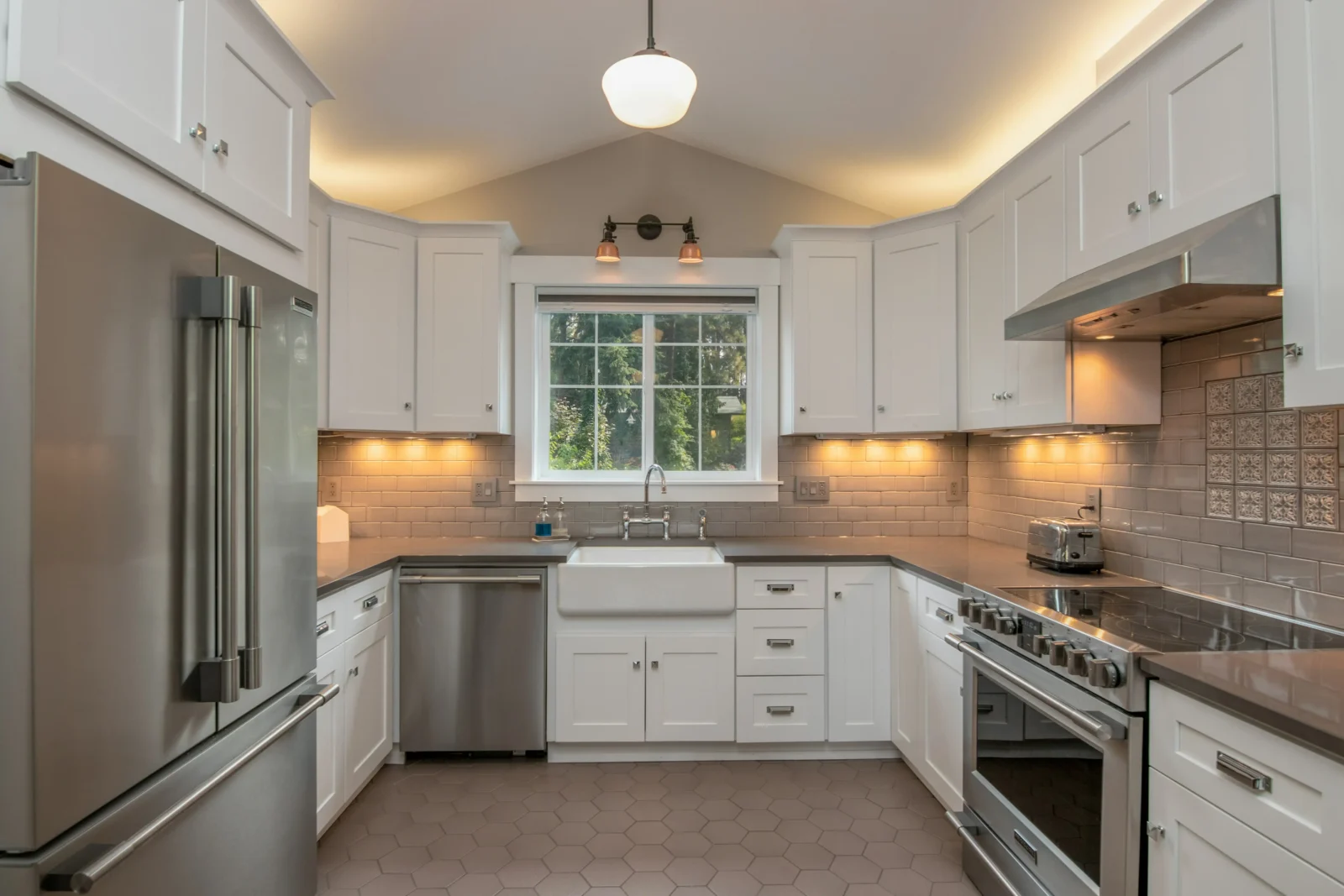
Why Custom Kitchens Are Becoming a Must-Have in Modern Homes
Custom kitchens in NYC are increasingly popular as they provide tailored designs...
illustrarch Editoral Team2 Mins read

Kitchen Floor Tile: 10 Styles Dominating U.S. Kitchens This Year
A focused look at the 10 kitchen floor tile styles gaining serious...
 Furkan Sen12 Mins read

Layout for Kitchen: How to Choose the Right One for Your Space
Choosing the right layout for your kitchen affects how you cook, move,...
 Elif Ayse Sen15 Mins read

A Comprehensive Guide To Practical Updates For Your Cooking Area
Practical updates for kitchens focus on optimizing space and workflow, emphasizing layout,...
illustrarch Editoral Team2 Mins read


Leave a comment