

The Journey of Digital Architectural Design
 Elif Ayse Sen19 June 20234 Mins read664

Table of Contents Show
Quick answer: Digital architecture is the use of computational tools, algorithms, and digital fabrication to design and produce buildings. It covers parametric modeling, BIM, simulation, and 3D printing, letting architects generate complex forms, test performance, and build with precision that manual methods cannot match.
Architecture has always been an art form that combines creativity, engineering, and functionality. Throughout history, architects have relied on various tools and techniques to bring their designs to life. In recent decades, the field of architectural design has witnessed a remarkable transformation with the advent of digital technologies. The journey of digital architectural design has revolutionized the way architects conceive, visualize, and construct buildings. Let’s explore the evolution of digital architectural design and its impact on the industry.
Computer-Aided Design (CAD)
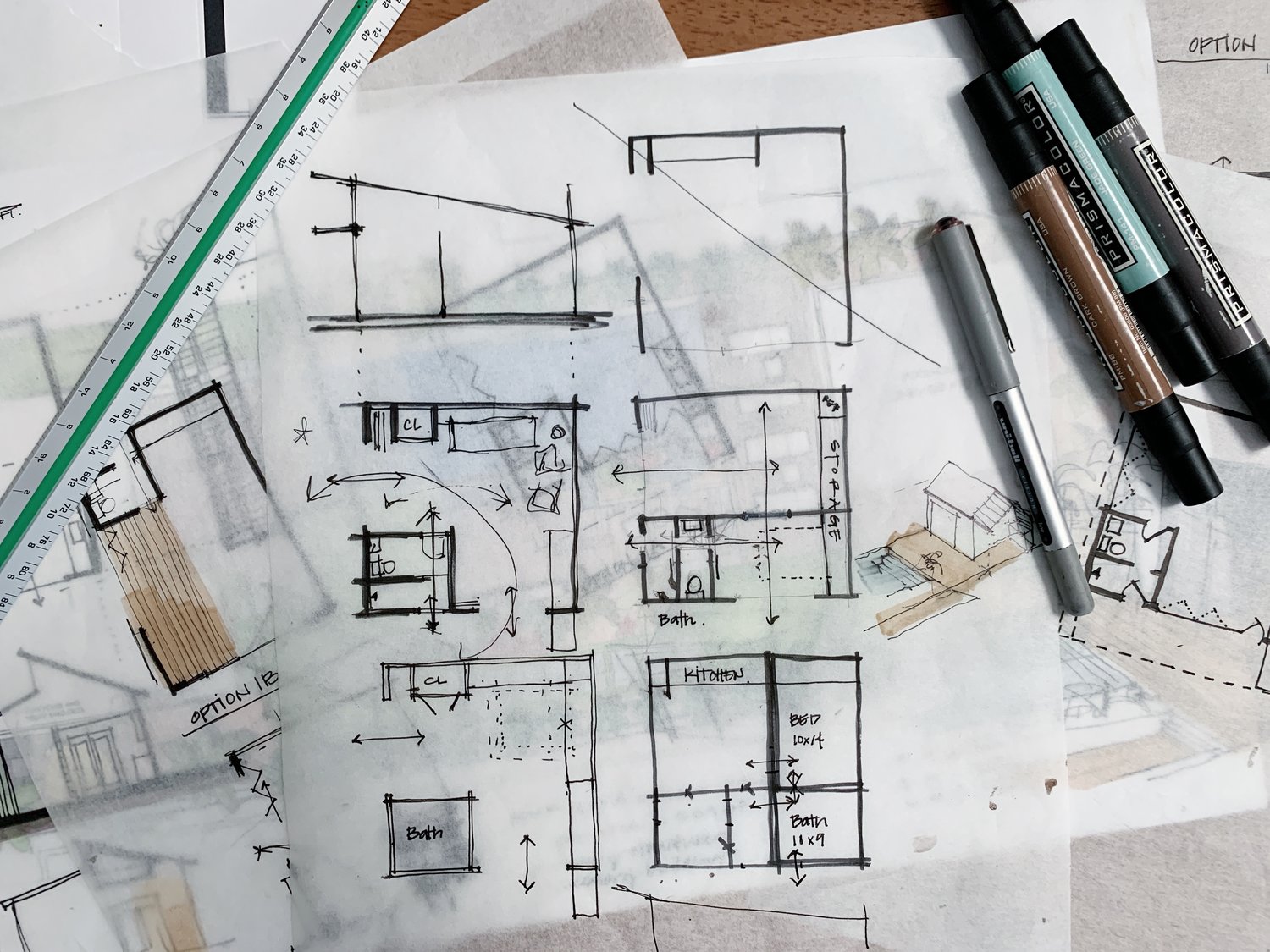
The first significant leap in digital architectural design came with the introduction of Computer-Aided Design (CAD) software in the 1960s. CAD replaced traditional hand-drawn blueprints and enabled architects to create precise, accurate, and editable digital drawings. This revolutionized the design process, allowing for increased efficiency, faster iterations, and improved communication between architects, engineers, and clients.
Three-Dimensional Visualization
The evolution of CAD software paved the way for three-dimensional (3D) visualization in architectural design. With the ability to create virtual models of buildings, architects could now walk clients through a realistic representation of their designs. This immersive experience provided a clearer understanding of spatial relationships, materials, and lighting, allowing for better decision-making and more effective communication.

Building Information Modeling (BIM)
Building Information Modeling took digital architectural design to the next level by introducing a comprehensive, data-driven approach. BIM software allows architects to create intelligent 3D models that incorporate not only the physical aspects of a building but also information about materials, costs, energy efficiency, and more. BIM facilitates collaboration among different stakeholders, streamlines construction processes, and enhances project management.
ArchiCAD revolutionized the architectural design process by providing architects with a comprehensive tool for creating 2D and 3D models, incorporating BIM capabilities, and facilitating collaboration among different disciplines. ArchiCAD’s innovation and user-friendly interface made it a popular choice among architects worldwide, contributing to the growth and adoption of digital architectural design.
Vectorworks Architect, part of the Vectorworks suite of software, offers a versatile platform that combines 2D drafting, 3D modeling, BIM, and visualization tools. Vectorworks Architect has gained recognition for its robust capabilities, including its integration with industry standards and compatibility with various file formats. The software’s flexibility and powerful design tools have made it a preferred choice for many architects seeking comprehensive software solutions.
Parametric Design and Generative Algorithms
The evolution of digital architectural design led to the emergence of parametric design and generative algorithms. These tools enable architects to create complex and intricate designs by defining a set of parameters and rules that drive the form-making process. Parametric design allows for the exploration of multiple design variations quickly and efficiently, giving architects the ability to optimize their designs based on specific criteria such as sustainability, structural performance, or aesthetic preferences.

Virtual and Augmented Reality
Virtual Reality (VR) and Augmented Reality (AR) technologies have become increasingly integrated into the field of digital architectural design. VR enables architects and clients to virtually walk through a building before it is constructed, providing a more immersive and realistic experience. AR overlays digital information onto the physical environment, allowing architects to visualize designs within existing spaces and make more informed design decisions.
Sustainability and Performance Analysis
Digital architectural design has also played a crucial role in addressing sustainability and performance analysis. With the help of computational tools, architects can simulate and analyze various factors such as energy consumption, daylighting, thermal comfort, and airflow within a building. This data-driven approach allows for the optimization of building performance and the integration of sustainable design principles from the early stages of a project.
Collaborative Platforms and Cloud Computing
Advancements in cloud computing and collaborative platforms have transformed the way architects work together on projects. Cloud-based design tools allow architects to work simultaneously on shared models, facilitating real-time collaboration and reducing the barriers of distance and time zones. This has opened up opportunities for international collaborations, remote working, and increased efficiency in design and construction processes.

As technology continues to advance, the future of digital architectural design holds even more exciting possibilities. Artificial Intelligence (AI) and machine learning algorithms can assist architects in generating design options, predicting performance outcomes, and automating repetitive tasks. The integration of robotics and 3D printing technologies in construction processes may revolutionize the way buildings are fabricated, making construction faster, more cost-effective, and sustainable.
In conclusion, the journey of digital architectural design has transformed the field of architecture, empowering architects with powerful tools and techniques to envision, communicate, and construct their designs. From CAD and 3D visualization to BIM, parametric design, virtual and augmented reality, sustainability analysis, and collaborative platforms, the evolution of digital architectural design has significantly enhanced the efficiency, accuracy, and creativity in the industry. With further advancements on the horizon, the future of digital architectural design promises to bring even more groundbreaking innovations to shape the buildings and cities of tomorrow.

Frequently Asked Questions
What is the difference between digital and traditional architecture?
Traditional architecture relies on hand drawing and physical models, while digital architecture uses computational design, BIM, and digital fabrication. Digital methods allow complex geometry, performance simulation, and tighter coordination between design and construction.
What tools are used in digital architecture?
Common tools include parametric platforms such as Grasshopper and Dynamo, BIM software such as Revit and ArchiCAD, rendering and simulation engines, and digital fabrication methods like CNC milling and 3D printing.
Is digital architecture the same as parametric design?
Parametric design is one part of digital architecture, focused on rule based, adjustable geometry. Digital architecture is broader and also covers BIM, simulation, data driven design, and digital fabrication.




What Technology Does a Modern Workplace Need?
A modern workplace needs more than fast computers. A framework covering network,...
 illustrarch Editoral Team8 Mins read

How Do You Choose Durable Shutters That Suit Your Budget?
Shutters can look identical in a showroom and perform very differently after...
illustrarch Editoral Team8 Mins read
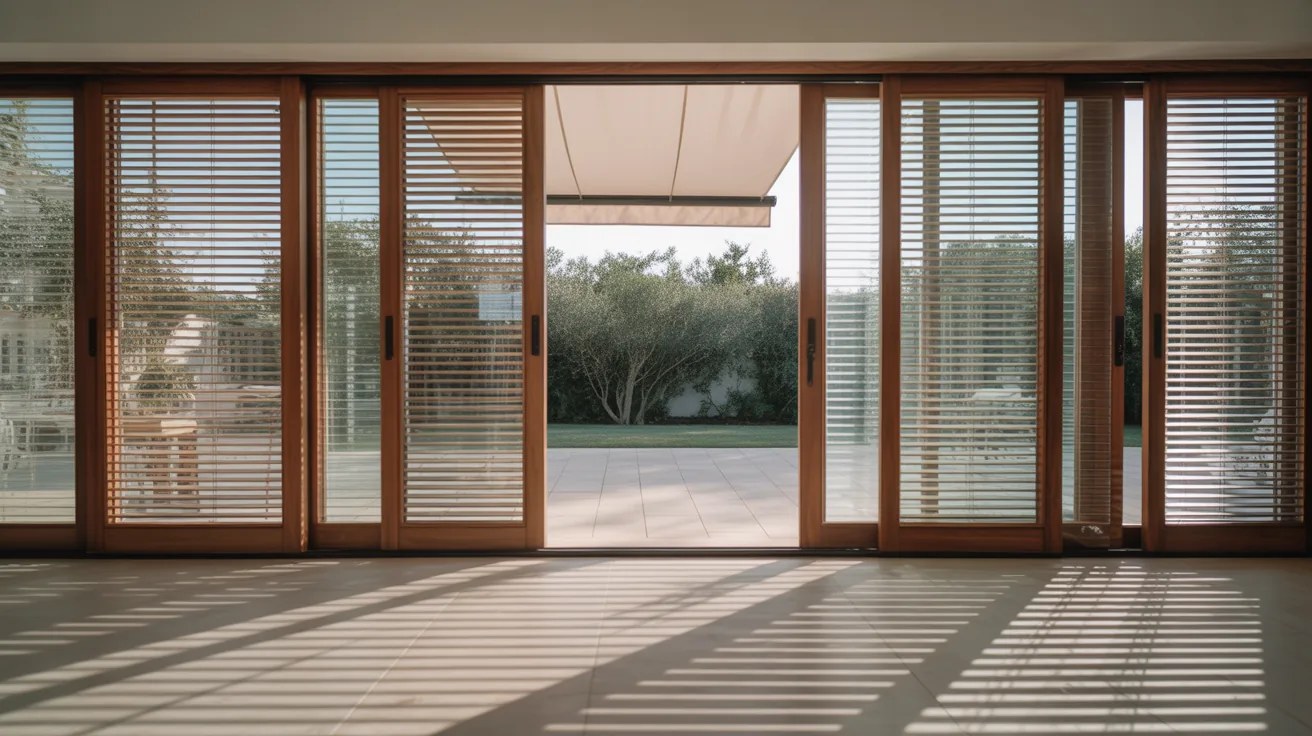
How Can Window Coverings Improve Indoor and Outdoor Comfort?
Window coverings work as a home’s adjustable climate layer. A practical guide...
illustrarch Editoral Team9 Mins read
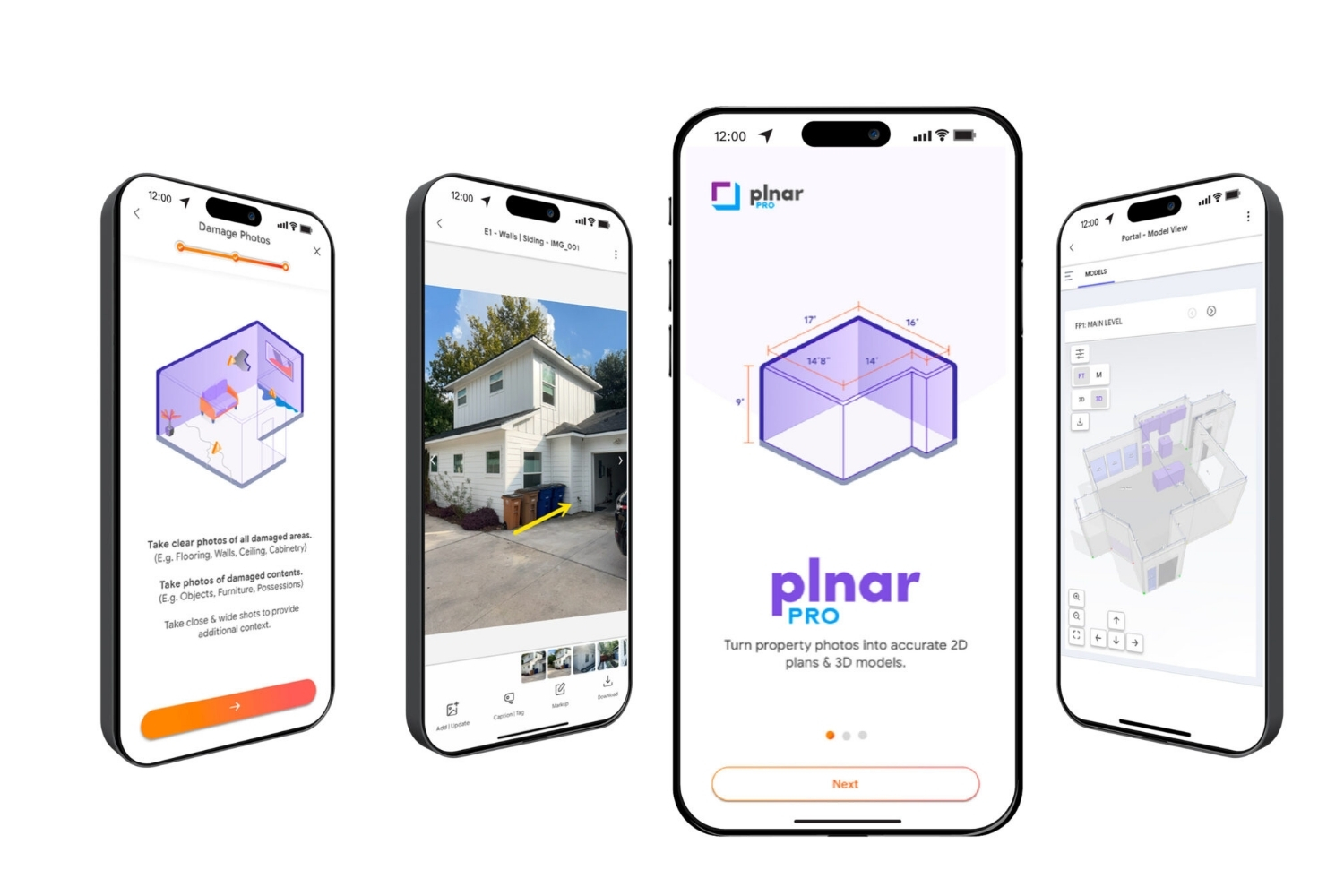
PLNAR Review: Does AR Measurement Hold Up on a Real Site Visit?
PLNAR began as a consumer AR tape measure and now runs as...
 Sinan Ozen5 Mins read




Leave a comment