

Key Secrets to Find Successful Interior Architecture Concepts
Explore essential strategies to find your interior architecture concept in our profound article. Learn how to optimize layout, pick color schemes, and select versatile materials.
 Elif Ayse Sen8 April 20245 Mins read445

Table of Contents Show
A strong interior architecture concept is the guiding idea that ties your layout, materials, light, and mood into one coherent space. The best way to find it is to define your personal style, map your functional needs, study real design options, and then test how form and function work together before you commit.
Choosing the right concept feels overwhelming because there are so many directions to pick from. The good news is that the process is structured. When you work through it step by step, the right interior architecture concept tends to reveal itself rather than appear out of thin air.
This guide breaks the search into four practical stages you can apply to any room or whole-home project. Each stage builds on the last, so by the end you have a concept that looks good, functions well, and reflects how you actually live. For background reading, the definition of interior architecture on Wikipedia is a useful primer on how the discipline differs from surface decorating.

Start by Assessing Your Personal Style
Your personal style is the foundation of any interior architecture concept. Before you look at trends or shopping lists, get clear on the environments that make you feel calm, focused, or energized. That instinct is data, and it points toward the palette, proportions, and textures you will want to live with for years.
Three simple exercises make this concrete:
- Reflect on the spaces you return to in memory. A grandparent’s sunlit kitchen or a quiet library reading room often holds the qualities you secretly want at home.
- Collect references constantly. Save photos, fabric swatches, and even single words that describe a feeling. Over a few weeks the repeating threads become obvious.
- Build a mood board. Group your saved images, colors, and materials in one place so you can see the principles behind your taste rather than a random pile of likes.
Style is not fixed. It shifts as your life changes, so aim for an adaptable direction rather than a rigid label. If you are torn between looks, comparing related approaches such as Scandinavian and Japanese minimalism can help you name what actually draws you in.
💡 Pro Tip
When building a mood board, limit yourself to three or four core colors and two main materials. A tight reference set keeps the concept disciplined and prevents the scattered, catalog look that comes from saving everything you like.
Define Your Functional Requirements
Once your taste is clear, switch from how a space should feel to what it must do. Functional requirements are the practical demands of daily life: the number of rooms, how they connect, storage, lighting, and circulation. A concept that ignores these may photograph well but frustrate you every morning.
List the activities each space supports. An avid reader needs a quiet corner with good task lighting. A busy family benefits from open zones and hard-wearing surfaces. A remote worker needs a defined area that separates focus from rest. The same square footage produces very different concepts depending on these answers.
Functionality and style are not opposites. The placement of a wall, the path of daylight, and the choice of a durable floor all serve practical needs while shaping the aesthetic. Treating function as the brief and style as the expression keeps both in balance. For more on translating needs into a workable direction, these interior concept suggestions are a helpful starting point.
⚠️ Common Mistake to Avoid
Many people choose finishes and furniture before settling the layout. Decorating an unresolved floor plan locks you into a concept that fights the room. Resolve circulation, daylight, and storage first, then layer in the visual choices.

Explore Design Options and Materials
With needs and taste defined, study real design options to enrich the concept. This is where styles, materials, colors, and textures come together. Traditional schemes suit those who want warmth and continuity, while contemporary or minimalist approaches reward people who value clean lines and restraint.
Materials carry as much weight as style. Stone, wood, metal, and fabric each set a different tone, and reclaimed or recycled materials can add character while reducing waste. Color and texture then fine-tune the mood, calming a bedroom or energizing a studio. Following current interior design trends helps, though trends should inform your concept rather than dictate it.
Filter every option through your functional brief. A quiet reading nook leans toward soft, warm tones, while a high-traffic family room calls for durable surfaces and forgiving finishes. The color palettes shaping 2026 interiors show how a single confident hue can anchor an entire scheme.
📌 Did You Know?
The term interior architecture covers the structural and spatial design of a building’s interior, while interior design more often addresses finishes and furnishings. According to the Council for Interior Design Qualification, qualified interior designers are tested on health, safety, and welfare standards, not just looks.
Blend Form and Function
The heart of a successful interior architecture concept is the union of form and function. This is more than pairing beauty with practicality. It means weaving the two so the space looks intentional and works without friction.
Start with the layout. A good plan uses space efficiently and supports real activities, whether that is a cozy reading corner, an efficient home office, or an open area for gathering. From there, color sets the ambiance, either energizing a room or settling it, and should always answer to the room’s purpose.
Material choices matter just as much. Designers now weigh durability, ease of cleaning, and sound insulation alongside appearance, so a finish earns its place by performing as well as it looks. Professional bodies such as the American Society of Interior Designers publish guidance on balancing these practical and aesthetic priorities. For deeper case studies, the ArchDaily interior design archive documents how working studios resolve the same tension at full scale.
Style should still come through. Whether you prefer clean minimalism or a layered, eclectic look, let your personality lead while practical requirements set the limits. That balance is what separates a concept that merely looks good from one that genuinely serves the people using it. If you want to refine an existing scheme, these notes on improving interior design with a clear concept are worth a read.
💡 Pro Tip
Test your concept against a typical day in the space before finalizing it. Walk through morning, work, and evening routines on paper. Concepts that survive this mental run-through rarely need expensive corrections later.

Frequently Asked Questions
What is an interior architecture concept?
An interior architecture concept is the central design idea that organizes a space, covering its layout, structure, light, materials, and mood. It acts as a decision filter, so every choice supports one coherent direction instead of a collection of unrelated finishes.
How do I find the right interior architecture concept for my home?
Begin by defining your personal style through reflection and a mood board, then list the practical functions each room must serve. Compare design options and materials against that brief, and choose the direction that satisfies both your taste and your daily routines.
What is the difference between interior architecture and interior design?
Interior architecture focuses on the spatial and structural design of a building’s interior, including walls, circulation, and how rooms relate. Interior design tends to concentrate on finishes, furnishings, and styling. In practice the two overlap heavily on most residential projects.
How long does it take to settle on a concept?
Allow a few weeks for the reference and planning stages rather than rushing. Collecting images, testing a mood board, and mapping functional needs takes time, but this groundwork prevents costly changes once construction or decorating begins.
Where to Go From Here
Your Next Step: Open a single folder, digital or physical, and spend one week saving only the rooms, colors, and materials that genuinely move you. Review the collection at the end of the week and circle the repeating patterns. Those patterns are the first honest draft of your interior architecture concept.



How Integrated Furniture Can Shape the Architecture of Urban Interiors
Most people treat furniture as the last decision in interior architecture, yet...
 illustrarch Editoral Team2 Mins read

How to Write an Architecture Concept Statement for Any Project
A practical guide to writing an architecture concept statement, covering what it...
 Sinan Ozen8 Mins read
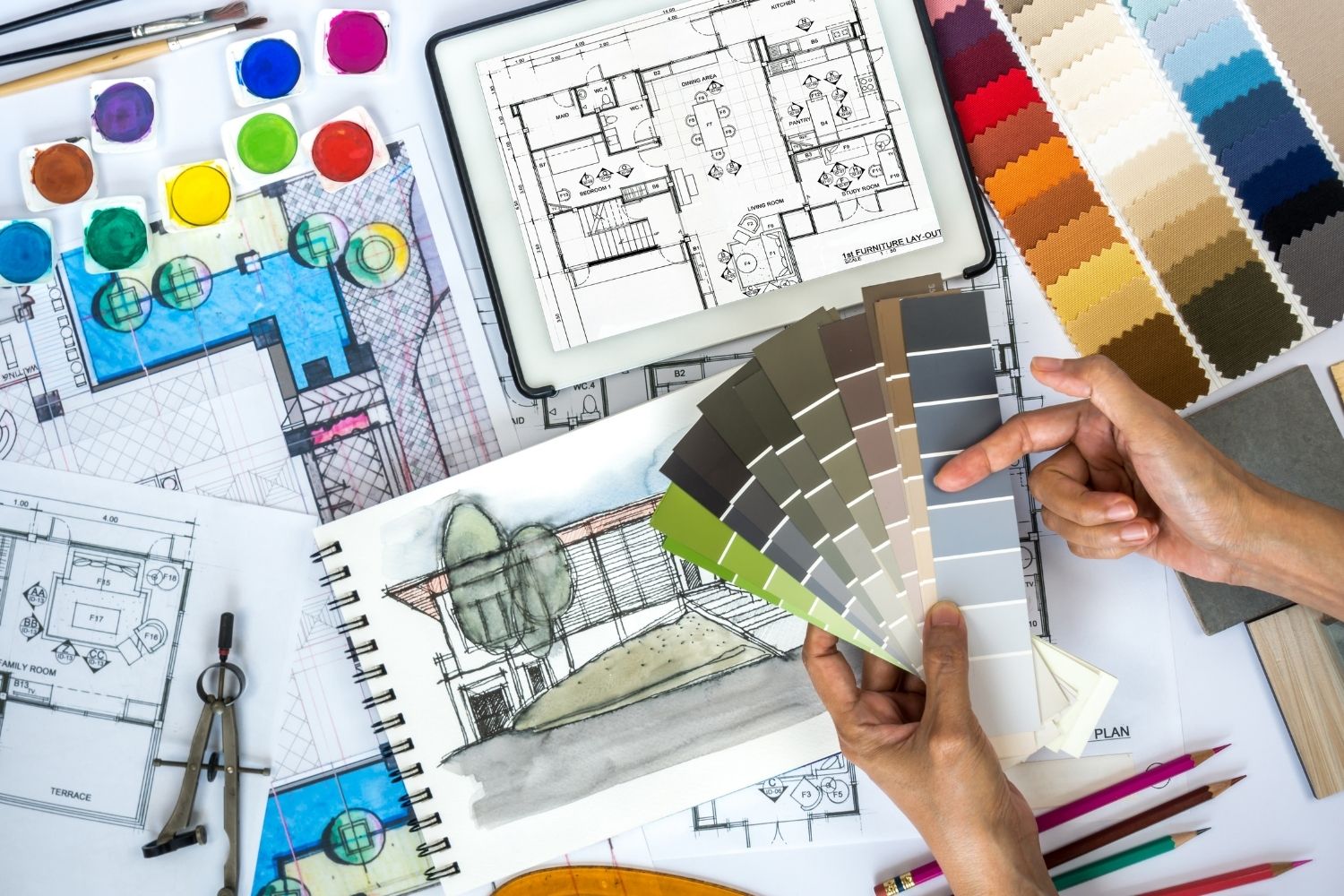
Architecture and Interior Design: Can Architects Specialize in Both?
Architects hold most of the skills interior design needs, from space planning...
 Furkan Sen5 Mins read
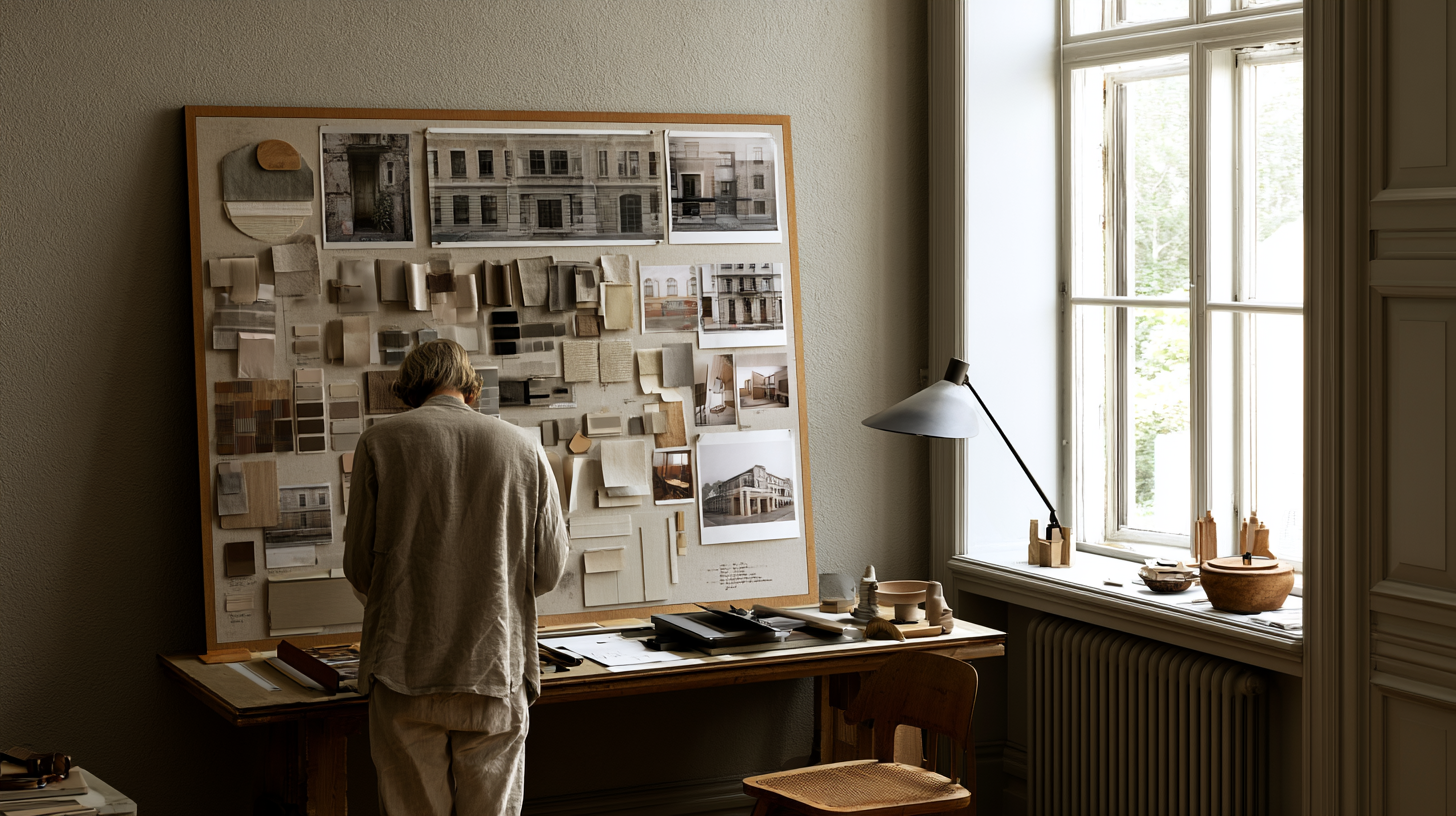
How to Make an Architecture Mood Board: A Step-by-Step Guide
A practical walkthrough for building an architecture mood board, covering how to...
Furkan Sen6 Mins read


Leave a comment