

Interior Design Trends in Commercial and Residential Design
Whether you're looking to update your space or just curious about the latest interior design trends, there are plenty of exciting ideas to explore. From bold color schemes to natural materials, let's take a look at some of the top trends in interior design today.
 Elif Ayse Sen17 April 20235 Mins read465
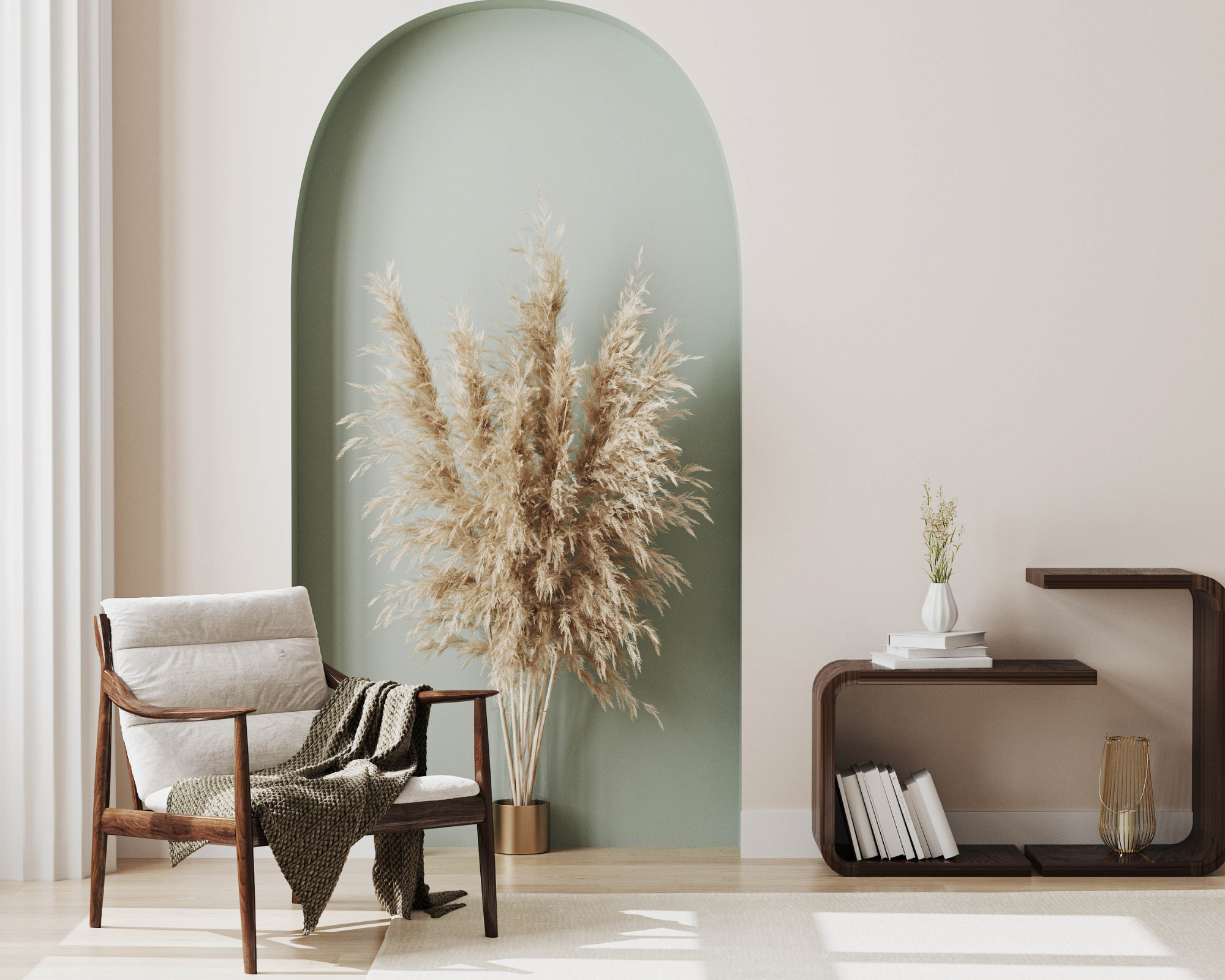
Table of Contents Show
Interior design trends now move between homes and workplaces faster than ever, shaped by how we live, work, and relax in the same square footage. The strongest interior design trends right now favor natural materials, bolder color, flexible layouts, and quiet technology that supports comfort instead of competing with it.
Whether you are refreshing a single room or planning a full fit-out, knowing which directions have staying power helps you spend wisely. Below is a practical look at the residential and commercial interior design trends worth your attention, with examples you can adapt to your own space.
What Are the Biggest Interior Design Trends Right Now?
The current wave of interior design trends shares one theme: spaces that feel personal and grounded rather than showroom-perfect. People want rooms that calm them down, hold up to daily use, and still leave room for personality. That goal connects every trend below, from greenery to vintage finds.
Biophilic Design
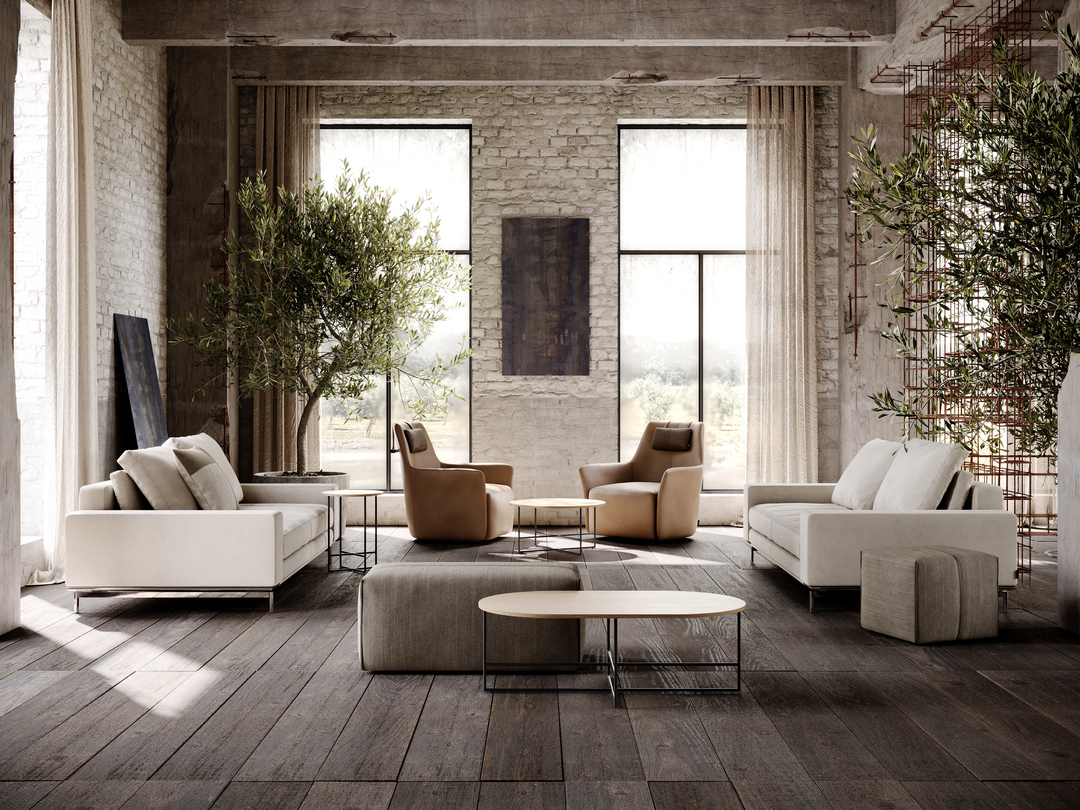
Biophilic design brings nature indoors through wood, stone, abundant daylight, and living plants. The aim is a room that feels like a quiet retreat from a busy schedule. You can read more in our piece on biophilic design in urban spaces, and the broader concept is well documented on this overview of biophilic design.
🎓 Expert Insight
“Biophilia is the innately emotional affiliation of human beings to other living organisms.”, Edward O. Wilson, biologist and author of Biophilia (1984)
Wilson popularized the idea that people are drawn to nature, which is the thinking behind why plant-filled, daylit rooms feel restorative rather than just decorative.
Bold Colors and Statement Hues
Safe neutrals are sharing the stage with deep blues, forest greens, terracotta, and warm ochre. If a fully saturated room feels like too much, start with accents: a painted alcove, a velvet chair, art, or a patterned rug. Color is the cheapest way to shift a room’s mood without renovation.
📌 Did You Know?
The Pantone Color Institute has named an annual Color of the Year since 2000, and that single pick ripples through paint lines, fabrics, and furniture collections for the following season. It is one reason bold accent shades seem to arrive everywhere at once.
Curved and Organic Furniture
After years of sharp lines and strict geometry, soft silhouettes are back. Rounded sofas, kidney-shaped coffee tables, and arched mirrors ease the flow of a room and make tight spaces feel friendlier. Curves also pair naturally with the textured, tactile materials trending alongside them.

Textured and Tactile Walls
Flat painted drywall is giving way to surfaces you want to touch. Limewash finishes, fluted wood paneling, microcement, and dimensional wallpaper add depth and catch light through the day. A single textured feature wall can carry a whole room without extra furniture.
Vintage and Eclectic Mixing
Mixing older pieces with current furniture gives a room character that a single catalog order cannot. A 1970s lamp next to a clean-lined sofa reads as collected rather than decorated. Flea markets, estate sales, and online resale make this one of the most budget-friendly trends going.

Maximalism Meets Restraint
Maximalism, the layered look of bold pattern, saturated color, and mixed eras, is having a real moment as a reaction to years of pared-back rooms. You can see the contrast in our comparison of minimalism in architecture, and the style itself is traced in this background on maximalism as an aesthetic. Many homeowners land somewhere in between, mixing one bold room with calmer ones nearby.
💡 Pro Tip
Before you commit to a bold trend across a whole room, test it on a single wall or a movable piece first. Designers often paint a large sample board and live with it for a week under both daylight and evening light, since a color that looks calm at noon can read very differently at night.
Sustainable and Eco-Conscious Choices
Sustainability has shifted from a selling point to a default expectation. Shoppers look for bamboo, reclaimed wood, recycled textiles, and low-VOC finishes, and they keep, repair, or repurpose pieces instead of discarding them. The greenest choice is often the furniture you already own, refinished rather than replaced.
This thinking also changes how people buy. Fewer, better pieces beat fast, disposable ones, and provenance matters: where a material came from, how far it traveled, and whether it can be recycled at the end of its life. Secondhand and locally made items carry that story in a way mass production rarely does, which is part of why vintage and eco-conscious shopping keep overlapping.
How Are Commercial Interior Design Trends Different?
Commercial spaces follow many of the same instincts as homes, but with sharper demands around flexibility and cost per square foot. The biggest shift is designing rooms that change function through the day rather than serving one fixed purpose.

Flexibility leads the list. Movable partitions, modular seating, and rolling storage let a team reconfigure a floor in minutes. A lobby may double as a casual coworking lounge, and a conference room may convert into a workshop or wellness space after hours. For more on workplace and project planning, browse the interior design coverage on ArchDaily.
Hospitality and retail interiors lean on warm materials, layered lighting, and biophilic touches to keep people comfortable enough to linger. Durable flooring and acoustic treatments matter as much as looks, since heavy foot traffic quickly exposes weak specifications.

Professional guidance also shapes commercial work. Organizations such as the American Society of Interior Designers publish research on how layout, light, and air quality affect wellbeing and productivity, which increasingly drives client briefs.
Comparing Residential and Commercial Priorities
The table below sums up how the same trend often plays out differently across the two settings.
| Priority | Residential | Commercial |
|---|---|---|
| Layout | Comfort and personal flow | Flexible, reconfigurable zones |
| Materials | Tactile, characterful finishes | Durable, high-traffic surfaces |
| Technology | Smart comfort and security | Booking, lighting, energy systems |
| Color | Mood and self-expression | Brand identity and wayfinding |
Technology and the Connected Home
Technology now sits quietly inside good interiors instead of dominating them. Automated lighting, smart thermostats, hidden charging, and integrated security make a home more comfortable and more efficient without cluttering the look. The best installations hide the hardware and surface only the control.

Remote work pushed the home office from afterthought to priority. Adjustable desks, supportive seating, sound-absorbing panels, and good task lighting turn a spare corner into a real workspace. A tidy backdrop for video calls has quietly become a design requirement of its own. Many homeowners now plan a dedicated nook from the start rather than carving one out later, with built-in storage and wiring tucked out of sight.
Outdoor rooms round out the residential picture. Homeowners treat patios and balconies as extra living space with weatherproof seating, outdoor kitchens, fire features, and planting that links back to the biophilic look indoors. If you enjoy style contrasts, our reads on Scandinavian versus Japanese minimalism and mid-century modern versus contemporary minimalism show how these influences carry from one room to the next.

The Bigger Picture
Trends are useful as a vocabulary, not a rulebook. The rooms that still feel right years from now are usually the ones that borrowed an idea or two and then bent it to fit how the people inside actually live. Pick the trend that solves a real problem in your space, and let the rest stay on the mood board.




How Integrated Furniture Can Shape the Architecture of Urban Interiors
Most people treat furniture as the last decision in interior architecture, yet...
 illustrarch Editoral Team2 Mins read
Architecture and Interior Design: Can Architects Specialize in Both?
Architects hold most of the skills interior design needs, from space planning...
 Furkan Sen5 Mins read
How to Make an Architecture Mood Board: A Step-by-Step Guide
A practical walkthrough for building an architecture mood board, covering how to...
Furkan Sen6 Mins read
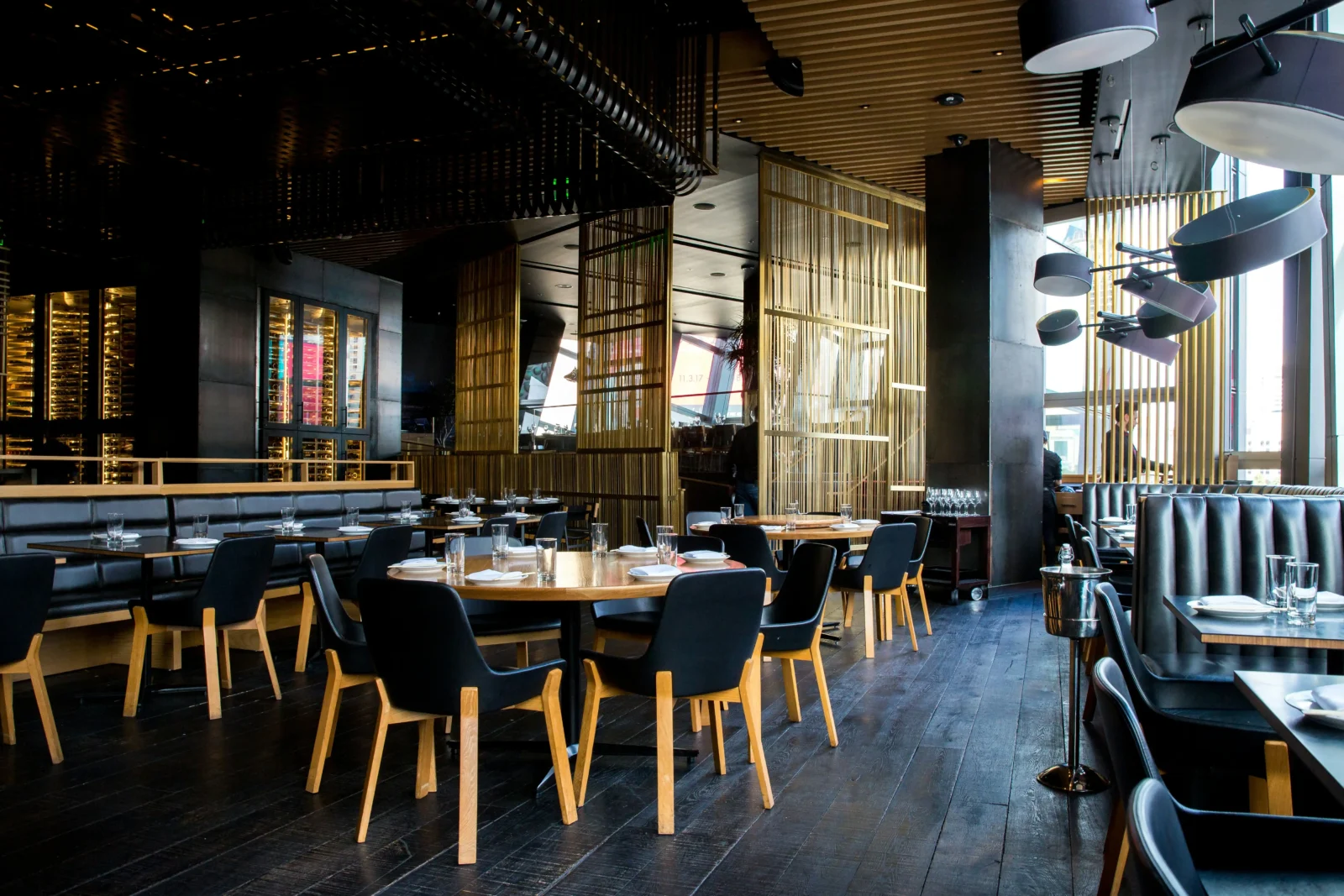
The Power of Ambience: Role of Restaurant Design on Customer Experience
A restaurant's ambience, its lighting, layout, and decor, quietly shapes how guests...
illustrarch Editoral Team3 Mins read


Leave a comment