

Translucency in Architecture: Materials and Examples
A clear look at translucency in architecture: how frosted glass, polycarbonate, ETFE, and alabaster diffuse daylight, protect privacy, and shape buildings like Kunsthaus Bregenz.
 Sinan Ozen6 May 20255 Mins read284
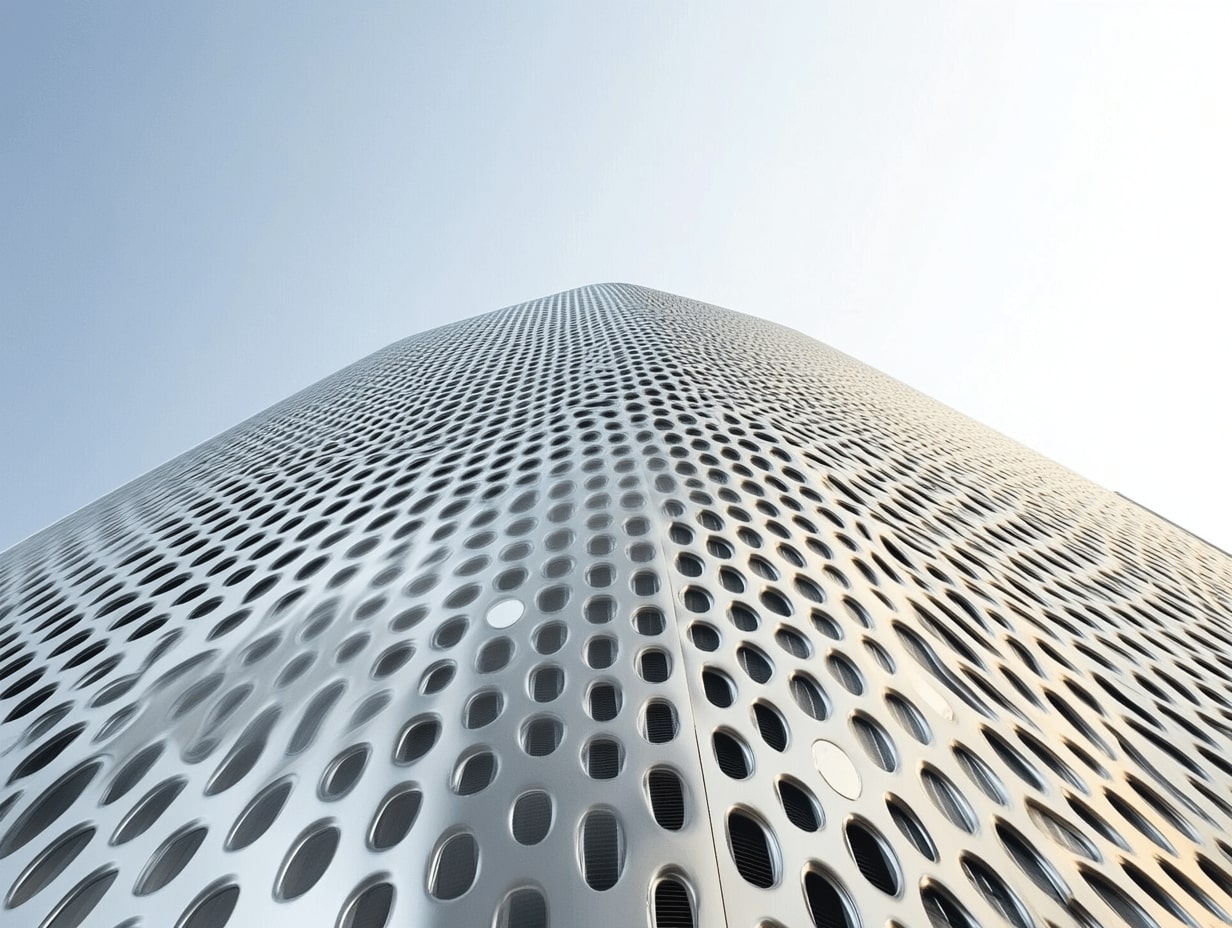
Table of Contents Show
Translucency in architecture is the controlled use of materials that let light pass through while scattering it, so interiors stay bright without full visual exposure. Glass, polycarbonate, ETFE, and alabaster diffuse daylight into soft, even illumination, giving designers a way to balance openness, privacy, and energy performance in a single surface.
The appeal goes beyond looks. A translucent wall can carry daylight deep into a floor plate, cut the hours artificial lighting runs, and still shield the people inside from view. That mix of function and atmosphere is why translucent surfaces show up in museums, sports arenas, studios, and quiet residential courtyards alike.
What Is Translucency in Architecture?
Translucency sits between transparency and opacity. A transparent material like clear glass lets you see through it sharply. An opaque material like concrete blocks light and sight completely. A translucent material transmits light but scatters it, so you read brightness and moving shadows rather than clear shapes on the other side.
That scattering is the whole point. It softens harsh sun into diffuse light that spreads evenly across a room, which reduces glare on screens and work surfaces. If you want to compare the effect with fully clear surfaces, our guide to transparency in architecture covers where each approach works best.
Translucency is also a matter of degree rather than a single setting. A lightly frosted panel still hints at movement behind it, while a dense polymer cushion reads as a solid field of light with no silhouette at all. Designers control that range through the material choice, the number of layers, surface texture, and any tint or coating. Getting the degree right is what separates a wall that feels private and calm from one that feels either exposed or blank.
Why Translucency Matters in Modern Design
Daylight is one of the strongest tools an architect has, and translucency is how you shape it. A translucent facade pulls natural light past the first few meters of a room, where clear windows often leave the core dim. Buildings that daylight their interiors well lean less on electric lighting, which lowers running costs and supports green building targets tracked by programs like LEED from the U.S. Green Building Council.
There is also a human side. Diffuse light feels calm and steady through the day, without the sharp contrast and hot spots that direct sun creates. For spaces meant for focus or reflection, that quality of light does real work. The connection between light and building form is old, and few said it better than a founding voice of modern architecture.
🎓 Expert Insight
“Architecture is the masterly, correct and magnificent play of masses brought together in light.”
Le Corbusier, Towards a New Architecture (1923)
Translucent surfaces are a direct answer to that idea, since they treat light itself as a building material rather than something that simply passes through a hole in the wall.
Translucent Materials and Their Uses
Not every translucent material behaves the same way. Some carry structural loads, some clip into lightweight frames, and some are prized purely for the glow they give off. The table below sums up the options architects reach for most, along with the property that defines each one and where it tends to appear.
| Material | Defining Property | Typical Use |
|---|---|---|
| Frosted glass | Etched or sandblasted surface that diffuses light and blurs view | Partitions, shower screens, office fronts needing privacy with daylight |
| Polycarbonate | Lightweight, impact resistant, multi-wall panels with good insulation | Facades, roof lights, sports halls, low-cost translucent cladding |
| ETFE | Thin polymer film in inflated cushions, roughly 1% the weight of glass | Large stadium and atrium roofs, greenhouse-style enclosures |
| Alabaster | Natural stone with a warm, veined glow when backlit | Feature walls, altars, luxury interiors and lighting panels |
| Channel glass | U-shaped cast glass that spans tall openings with few mullions | Full-height translucent walls, entry lobbies, gallery skins |
Polycarbonate and ETFE have widened what translucency can do at scale, since both weigh far less than glass and cover big spans cheaply. ArchDaily keeps a running record of built work using the polymer film in its ETFE project archive, and the material basics are set out in the ETFE reference if you want the chemistry behind the cushions.
💡 Pro Tip
When specifying multi-wall polycarbonate for a facade, check the light transmission and shading values together, not just the glow you see in samples. A panel that looks bright in a showroom can push too much solar heat onto a south wall, so pair it with the right cell count and any coating early in design rather than fixing it with mechanical cooling later.
Iconic Examples of Translucency in Architecture
The clearest way to understand translucency in architecture is to look at buildings that treat a whole skin as a light filter. Peter Zumthor’s Kunsthaus Bregenz in Austria wraps its concrete galleries in an outer layer of etched glass shingles. That skin catches the shifting light of the sky and Lake Constance, then releases it as a soft, even wash across the exhibition floors. You can see the building on the Kunsthaus Bregenz site.
🏗️ Real-World Example
Laban Dance Centre (London, 2003): Herzog and de Meuron sheathed the dance school in a double skin of polycarbonate tinted in turquoise, lime, and magenta. The panels glow at night and flood the studios with colored daylight by day, showing how a low-cost translucent material can define a building’s whole character.
These projects share a lesson. The material is ordinary, but the way it handles light is not. A translucent wall becomes a quiet performer that changes hour by hour, which is something a solid or fully glazed surface rarely does. Similar thinking drives many contemporary glass facade designs, where the goal is light and image rather than a plain view out.
📌 Did You Know?
The ETFE cushions on the Beijing National Aquatics Center, known as the Water Cube for the 2008 Olympics, form one of the largest translucent membrane structures ever built. The film lets daylight and solar heat pass into the pool halls, which cut the building’s energy demand compared with a conventional glazed envelope.
Balancing Light, Privacy, and Energy
Translucency solves several problems at once, but it asks for careful tuning. A surface that glows beautifully can also leak heat in winter or overheat a room in summer if the insulation value is wrong. Single-layer panels transmit the most light and the most heat, while multi-wall and cushion systems trade a little brightness for far better thermal control.
Privacy is the other lever. Because translucent materials hide detail while passing light, they suit bathrooms, clinics, and street-facing offices where people want daylight without a stage set. The same logic applies indoors, where a translucent partition can split a plan without making either side feel boxed in. Pairing these surfaces with the right sustainable interior materials keeps the low-energy story consistent from the facade to the finishes.
The practical takeaway for any project is to decide early what the surface must do. Is it mainly there to daylight a deep room, to hide a private zone, to insulate, or to create a mood at night? Ranking those goals tells you whether frosted glass, a polycarbonate wall, or an ETFE roof is the honest answer, and it stops translucency from becoming a finish chosen only for its look.
The Bigger Picture
Look at a translucent building at dusk and the roles reverse. All day the wall gathers light for the people inside, and after dark it turns into a lantern that gives light back to the street. That two-way exchange is what keeps designers coming back to these materials. Translucency is less about what you can see through a wall and more about how a building shares light with everyone around it. Treated that way, even a simple panel of frosted glass or polycarbonate stops being a barrier and starts working as a quiet source of light in its own right.






Sydney’s Buildings Are Ageing Faster Than Most Owners Realise
There is a wave of building deterioration moving through Sydney's property stock...
 illustrarch Editoral Team10 Mins read

Famous Buildings in Asia: 6 Imperial Palaces That Shaped a Continent
A focused look at six iconic buildings in Asia, each an imperial...
 Furkan Sen6 Mins read
10 Signs It’s Time to Upgrade Your Property Fence
Table of Contents Show Repairs Keep Piling UpPosts Are LeaningBoards Are Cracked...
illustrarch Editoral Team3 Mins read
Walt Disney Concert Hall: Frank Gehry’s Stainless Steel Symphony in Los Angeles
Frank Gehry's Walt Disney Concert Hall took 16 years from initial design...
Furkan Sen6 Mins read


Leave a comment