

Dust
Dust presents an architectural proposal for a future Amsterdam that survives by harvesting moisture from the air, transforming buildings into self-sustaining ecosystems.
 illustrarch Editoral Team20 April 20212 Mins read367


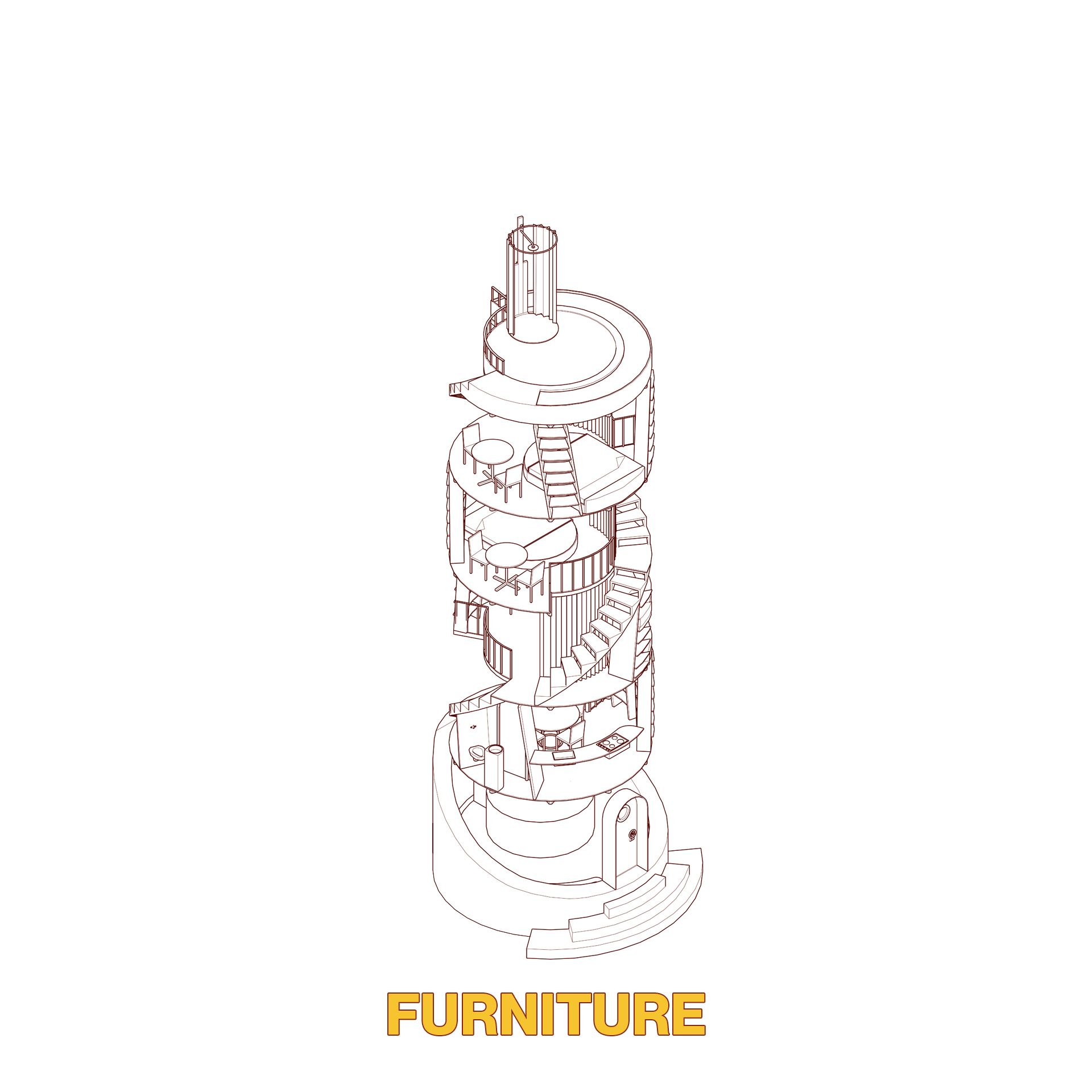


Dust imagines a future Amsterdam stripped of its water, where architect Lloyd Martin proposes a home that survives by harvesting moisture from the air itself. It has been 10 years since the last rains, and water no longer flows openly upon the earth. What remains of humanity clings to pockets of moisture hidden deep within underground aquifers and drifting in on the morning fog. In this scenario, architecture stops being shelter alone and becomes a tool of survival, conceived as an enclosed metabolic cycle of water harvesting.
The proposal sets itself in the Netherlands, a country whose identity has always been bound to its relationship with water. For centuries Dutch settlement has depended on dikes, polders, and pumps that hold the sea at bay, so a vision of a dry Amsterdam reverses the very condition that shaped the city. Martin uses that inversion to sharpen the message. Real world height and hydrology data was run through a world building program to generate this image of Amsterdam without water, and the resulting scenes act as a stark reminder of the consequences of our current Anthropocene.
A Home That Breathes Water
At the heart of the design is a fine mesh membrane that captures the trace amounts of moisture carried on the morning fog. This technique draws on the long-studied principle of fog collection, where vertical nets condense droplets from passing mist. The captured water is transmitted into a closed loop aquaponic system embedded across the entire facade. Beyond keeping the inhabitants alive, this living wall immerses them in a lush green environment, an oasis set against a desiccated landscape and a mental escape from the harsh climate outside.
Wrapping a building in productive greenery places Dust within the wider movement of biophilic design, which argues that close contact with nature supports human wellbeing. The closed loop also reflects ideas from aquaponics, where fish and plants sustain one another with minimal external input. Together these systems frame the house as a small self-regulating organism rather than a static shell.
By embracing this unique climatic and geological condition, the project builds a symbiotic relationship between man, nature, and architecture, offering a very realisable answer to what is hopefully an improbable future. Dust reads less as a finished building and more as a warning rendered in concrete form, asking how design might respond when the resources we assume to be permanent begin to disappear.

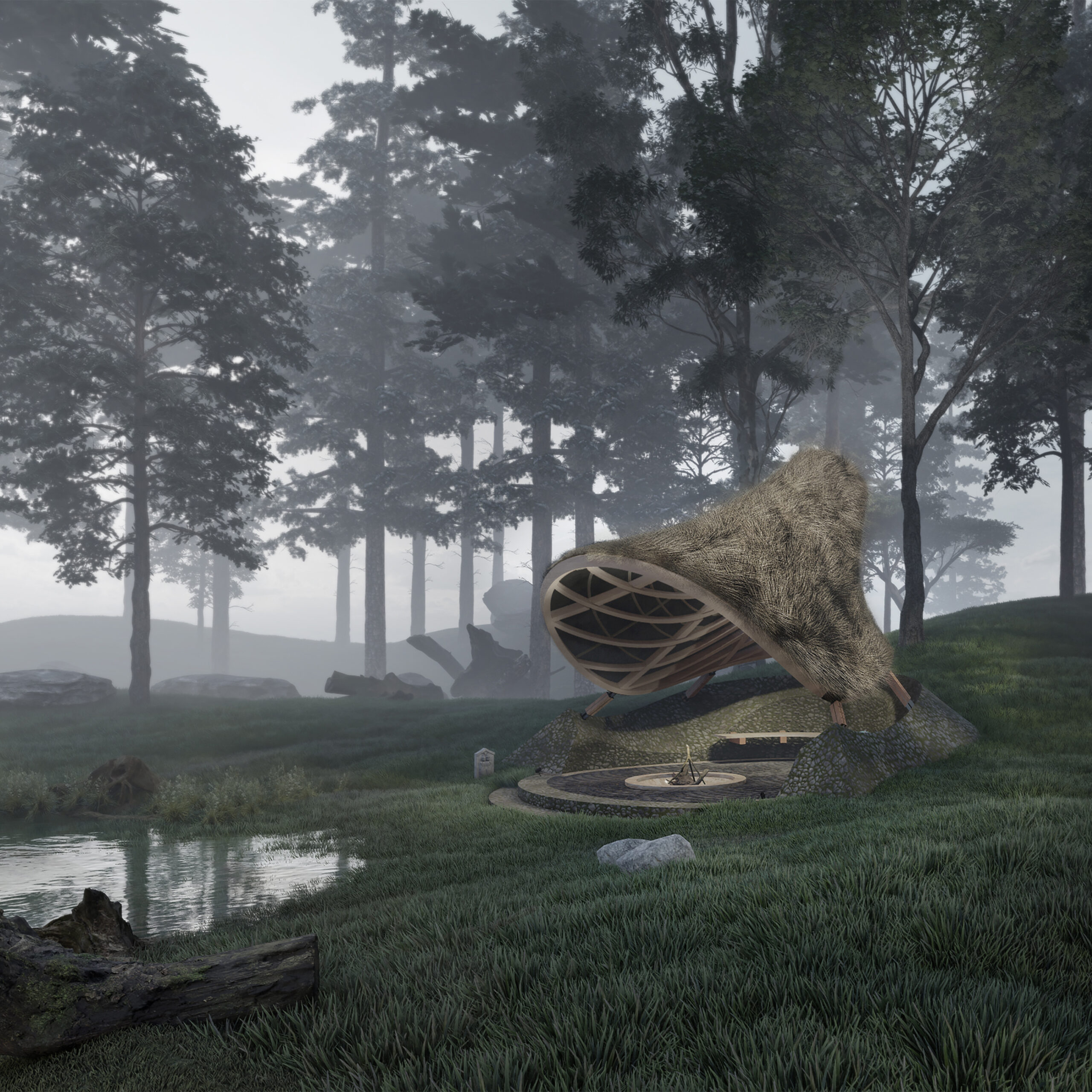

Savan House by Nobico Studio
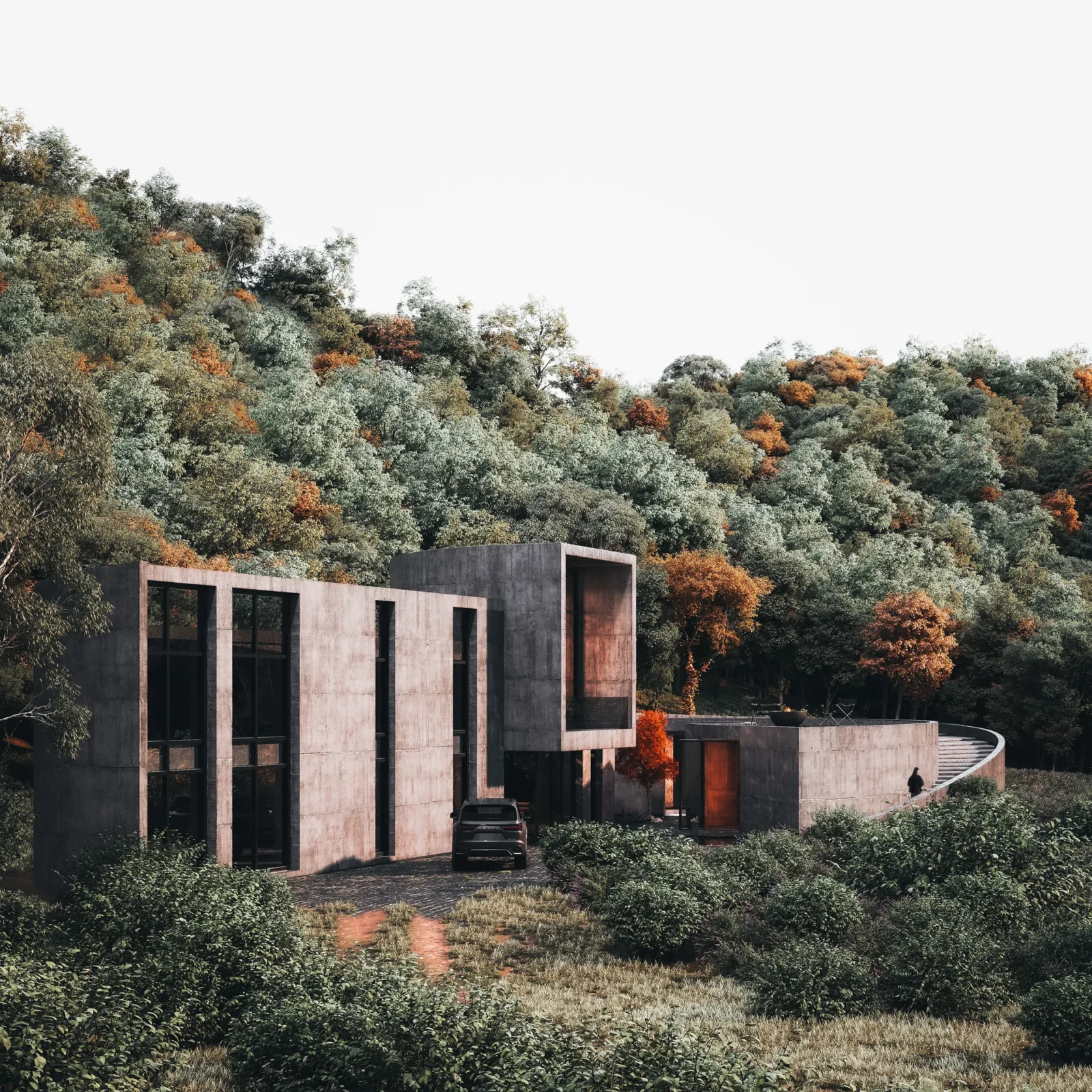
Savan House is Nobico Studio's unbuilt concept for a forested hillside in...
illustrarch Editoral Team3 Mins read

Renaatus Irumathi
Renaatus Irumathi Residence features 69 spacious apartments designed with contemporary aesthetics, maximizing...
illustrarch Editoral Team2 Mins read

White Khamovniki
White Khamovniki is a residential tower project in Moscow that combines urban...
illustrarch Editoral Team1 Mins read

Millennium Horizon
Millennium Horizon is an innovative architectural project in the UAE that uses...
illustrarch Editoral Team2 Mins read


Leave a comment