

5 Tips to Win an Architectural Competition
Winning an architectural competition requires clear goal setting, careful team selection, thorough understanding of competition briefs, and effective presentation skills.
 Elif Ayse Sen16 December 20213 Mins read409
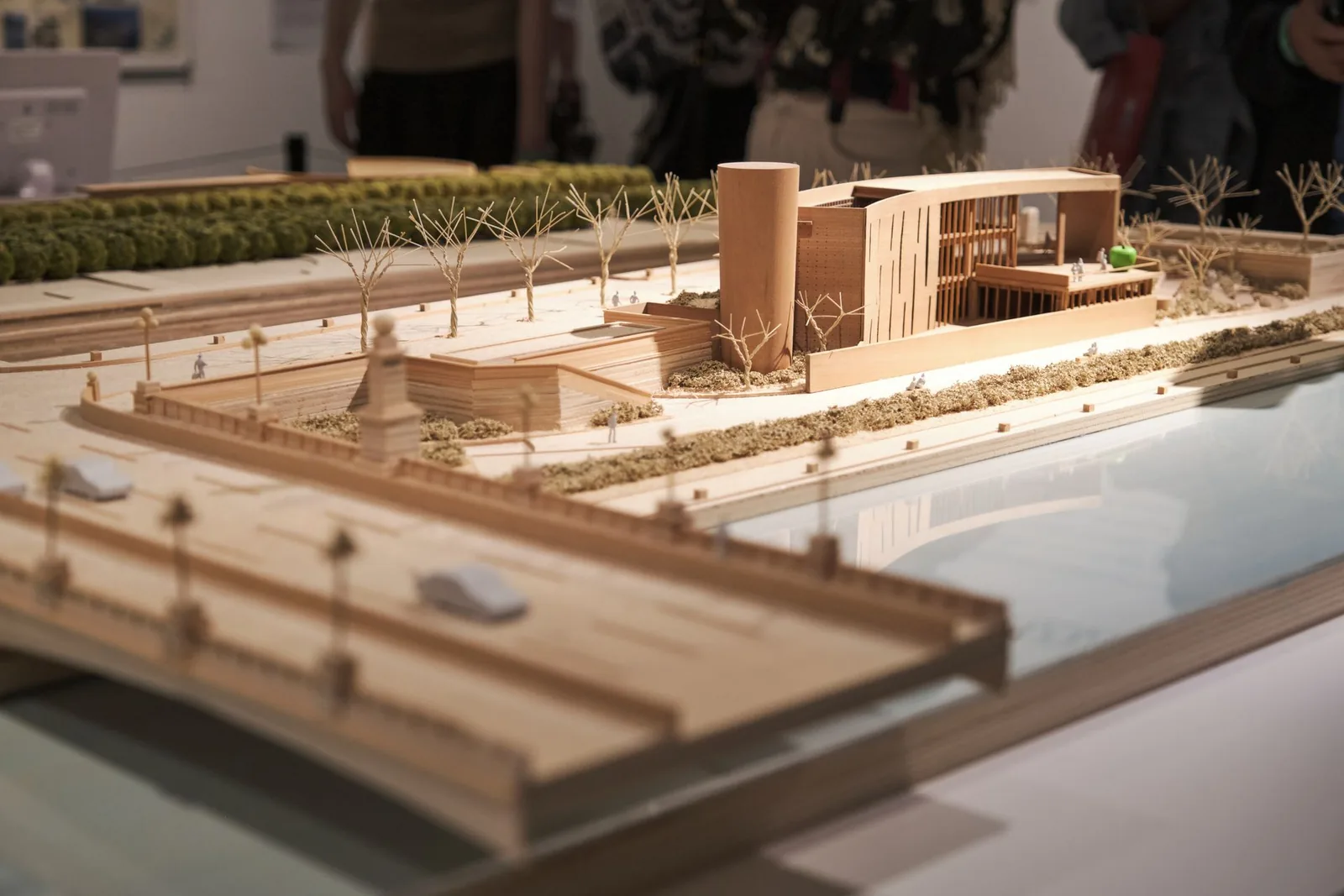
Table of Contents Show
In professional life, competitions offer a space of freedom to freelance architects, while enabling academic architects to project their discourses. Architectural project competitions are awarded to architects working in two different fields; gives the opportunity to test their knowledge and the architectural discourses they produce under equal conditions. In addition, it will be a good experience for architecture students, and they develop their portfolios and visions by participating in competitions. So, what are the tips to win in architectural competitions?
Determine Your Goal
If you want to participate in a competition, you need set a goal for yourself. What do you want to gain from this? Architectural competitions take a lot of time and effort, and most of them require a registration fee. So, before taking on this challenge, always ask yourself this kind of questions.
In addition, aside from the prize, there are several benefits to participation in architectural competitions: building a strong personal portfolio, improving design thinking and skill, taking a break from ordinary school or corporate projects, and so on. The list goes on and on, and none of them require winning positions. You need do determine your goals.
Right Team and Competition
After determining your goal, it is very important to choose right team and right competition depending on this goal. Since there are projects that require a lot of effort in competitions, make a choice on the subject you want to work on in order to achieve your goal. For example, participate in urban design competitions if you want to work on an urban scale, or Architectural Ideas Competitions if you have frivolous ideas and application of the Project is not important to you. In order not to have any problems during the competition process, you should create a team that includes people whose architectural skills and ideas you trust and who will take responsibility.

Read Brief & Criteria Carefully
It is important to read the competition specifications and briefs carefully, to talk about it again and again and to hold meetings. It is necessary to apply the criteria in a timely and complete manner and to understand what is required conceptually.
Good Presentation
If the jury is influenced by your architectural representation style, your project will stand out. Of course, a project that you do not present should have clear and well-read posters. In addition, presentation techniques should be consistent and have a certain style. Having good presentations that make you proud as much as the content of the project in competitions can allow you to get the prize.


Get Critics
Sometimes in a project that you have been working hard on, you may find it difficult to see the details. Therefore, it may be necessary to receive criticism or counseling from someone other than your team mates. If you want to win competitions, you must be open to criticism.

Manage Your Time and Deadlines
Beyond the core tips, disciplined time management often separates finished entries from abandoned ones. Architectural competitions run on fixed deadlines, and a strong concept means little if the boards are rushed in the final days. Build a working calendar that reserves time for research, design development, and production, then add a buffer for revisions and printing. A useful rule is to treat the submission date as if it were a week earlier, leaving room for the technical problems that always appear at the end. Steady progress beats a last-minute sprint that compromises quality.
Develop a Strong Concept Early
Juries reward clarity of idea as much as technical skill. A memorable entry usually rests on a single, well-defined concept that ties the plans, sections, and images together. Spend the opening phase of the competition refining that idea until you can state it in one or two sentences. If the concept is muddy, no amount of polished rendering will fix it. Test the idea against the brief and against your team’s goals, and be willing to discard early directions that do not hold up. A focused concept gives every later decision a reason to exist.

Common Mistakes to Avoid
Several errors regularly cost entrants. Ignoring submission requirements, such as board size, file format, or anonymity rules, can lead to disqualification regardless of design merit. Overloading boards with text and detail makes a project hard to read in the few minutes a jury may spend on it. Misjudging scale or skipping the site context weakens otherwise good ideas. Finally, leaving presentation to the end often results in inconsistent graphics. Reviewing the brief against your output at each stage helps catch these issues while there is still time to correct them.
Learning From Every Entry
Even an unsuccessful competition has value if you treat it as practice. Save your boards, note the feedback or winning schemes when results are published, and study why certain entries stood out. Many architects build their reputation through a series of competitions before securing a win, using each one to sharpen presentation skills and design thinking. Approaching competitions as a long-term learning process, rather than a single shot at a prize, keeps motivation high and steadily strengthens both your portfolio and your judgment.



Futuro House Production Revived in Finland After Decades-Long Hiatus
A Facebook listing for abandoned moulds led to the first new Futuro...
 illustrarch Editoral Team3 Mins read

Building Your Dream Home in NSW: What You Should Know About Montgomery Homes
Montgomery Homes has been building across Sydney, Newcastle, the Hunter, Wollongong and...
illustrarch Editoral Team4 Mins read

Designing a Home Theater: Where Drapery Fits Into the Plan
In a media room the curtains are a performance layer, not decoration....
illustrarch Editoral Team3 Mins read

Oscar Niemeyer’s Cathedral of Brasília: The Hyperboloid Concrete Hymn
The Cathedral of Brasília reads as a single gesture, yet it stood...
 Furkan Sen7 Mins read


Leave a comment