

Antoni Gaudi is God’s Architect: Vatican Puts Gaudí on the Path to Sainthood
Pope Francis placed Gaudí on the path to sainthood just before his death on April 21, 2025. He signed a decree recognizing Gaudí’s “heroic virtues,” putting him on the official path to sainthood. The next step is beatification, which usually requires proof of a miracle.
 Elif Ayse Sen12 May 20253 Mins read411
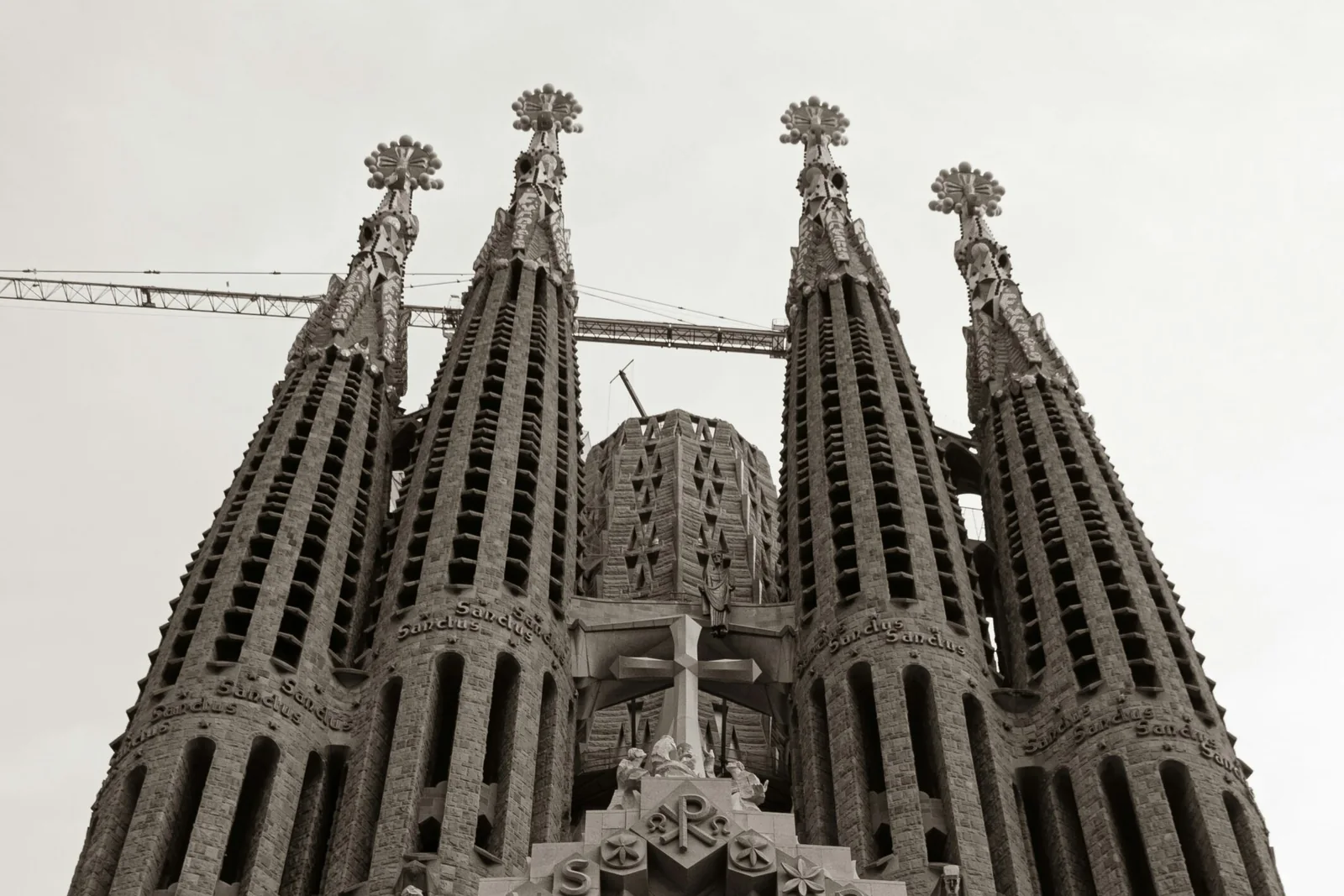
Table of Contents Show
When people think of Barcelona, the first image that comes to mind is often the Sagrada Familia, a grand, dreamlike basilica that has become a symbol of the city. Its creator, Antoni Gaudí, was not an ordinary architect. Now, nearly 100 years after his death, he has been officially recognized by the Vatican as a man of “heroic virtue” the first step on the road to sainthood.
A Life Shaped by Faith and Design
Gaudí was born in 1852 in Catalonia and from an early age showed a unique way of seeing the world. He didn’t just build structures, he created spaces filled with movement, color, and meaning. Nature was his greatest inspiration, but his faith was at the heart of everything he designed.
In 1883, Gaudí took over the construction of the Sagrada Familia. Over time, it became more than a project, it became his mission. He poured his life into it, working long hours, turning down other jobs, and living simply. He once said, “My client is not in a hurry” referring to God. That sentence alone says a lot about how he viewed his work.

A Tragic Ending, a Lasting Legacy
In 1926, Gaudí was hit by a tram while walking to church. Because of his humble appearance, he wasn’t immediately recognized, and died a few days later. He was buried inside the Sagrada Familia, a fitting resting place for a man who gave his life to the building.
The basilica is still under construction today, yet it remains one of the most visited sites in Spain. It was consecrated by Pope Benedict XVI in 2010 and continues to inspire both architects and believers around the world.

A Step Toward Sainthood
Pope Francis placed Gaudí on the path to sainthood just before his death on April 21, 2025. He signed a decree recognizing Gaudí’s “heroic virtues,” putting him on the official path to sainthood. The next step is beatification, which usually requires proof of a miracle. If that happens, Gaudí could be declared a saint by the Catholic Church.
Cardinal Juan Jose Omella, the Archbishop of Barcelona, called the announcement “a joy” adding that this recognition is about more than just architecture, it’s about a life lived with purpose, humility, and deep faith.

Gaudí didn’t just design buildings. He believed his work was a way to serve something greater. And for many, that is what makes him special, not only as an architect, but as a person who truly lived his beliefs.
Understanding the Path to Sainthood
The Catholic Church follows a structured process when considering someone for sainthood, and Gaudí has only reached its early stages. Recognition of “heroic virtue” allows a person to be called Venerable, which is the first formal step. The next stage is beatification, which usually requires evidence of a miracle attributed to the candidate’s intercession. Canonization, the final declaration of sainthood, typically requires a second confirmed miracle. Each stage involves careful investigation by Church officials, which is why the process often takes many years or even decades to complete.
How Faith Shaped Gaudí’s Design Language
Gaudí’s spiritual life was inseparable from his architecture, and the Sagrada Familia reflects this on every surface. He drew on natural forms, tree-like columns, organic curves, and light filtered through stained glass, to express ideas about creation and the divine. His towers, facades, and interior spaces were planned as a kind of stone scripture, telling the story of the nativity, the passion, and the glory of the faith he held. For Gaudí, structure and symbolism were never separate concerns but parts of a single, devotional vision.
The Sagrada Familia Today
More than a century after construction began in 1882, the basilica remains a work in progress and one of the most recognizable buildings in the world. Modern teams have used computer modeling and advanced fabrication to continue Gaudí’s complex geometries, and the project has steadily approached completion in recent years. The building draws millions of visitors annually, and ticket revenue helps fund the ongoing work. Its blend of medieval ambition and contemporary engineering makes it a rare example of a cathedral-scale project being finished in our own era.
Gaudí’s Wider Legacy in Barcelona
Beyond the Sagrada Familia, Gaudí left a remarkable collection of works across Barcelona, including Casa Batlló, Casa Milà, and Park Güell. Several of these sites are recognized as UNESCO World Heritage landmarks, reflecting their cultural importance. Together they helped define Catalan Modernisme and continue to shape how the city presents itself to the world. Visitors and students of architecture study these buildings to understand his inventive use of color, tile, and curved form, which still feels strikingly original today.
What This Recognition Means for Architecture
The Vatican’s decree is unusual because it elevates a figure best known for his buildings rather than for traditional religious service. It invites a broader conversation about the relationship between creative work and personal devotion, and about whether dedication to a craft can itself be a form of spiritual life. For architects, the recognition is a reminder that buildings can carry deep meaning beyond function. Whatever the eventual outcome of the process, Gaudí’s place in both architectural and cultural history is already secure.



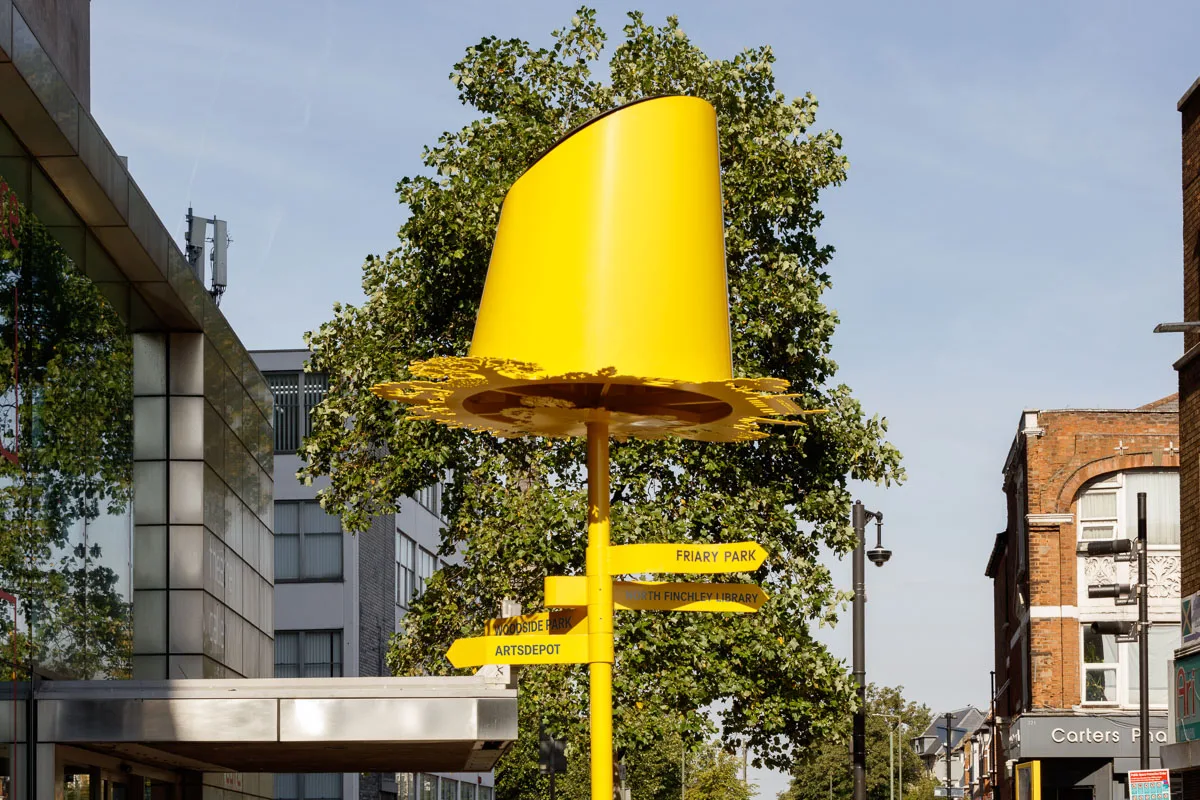
andre kong studio and Wayward Turn Old Lampposts into Solar-Powered Waylamps in Barnet
Four Waylamps by andre kong studio and Wayward reuse old lampposts as...
 illustrarch Editoral Team1 Mins read
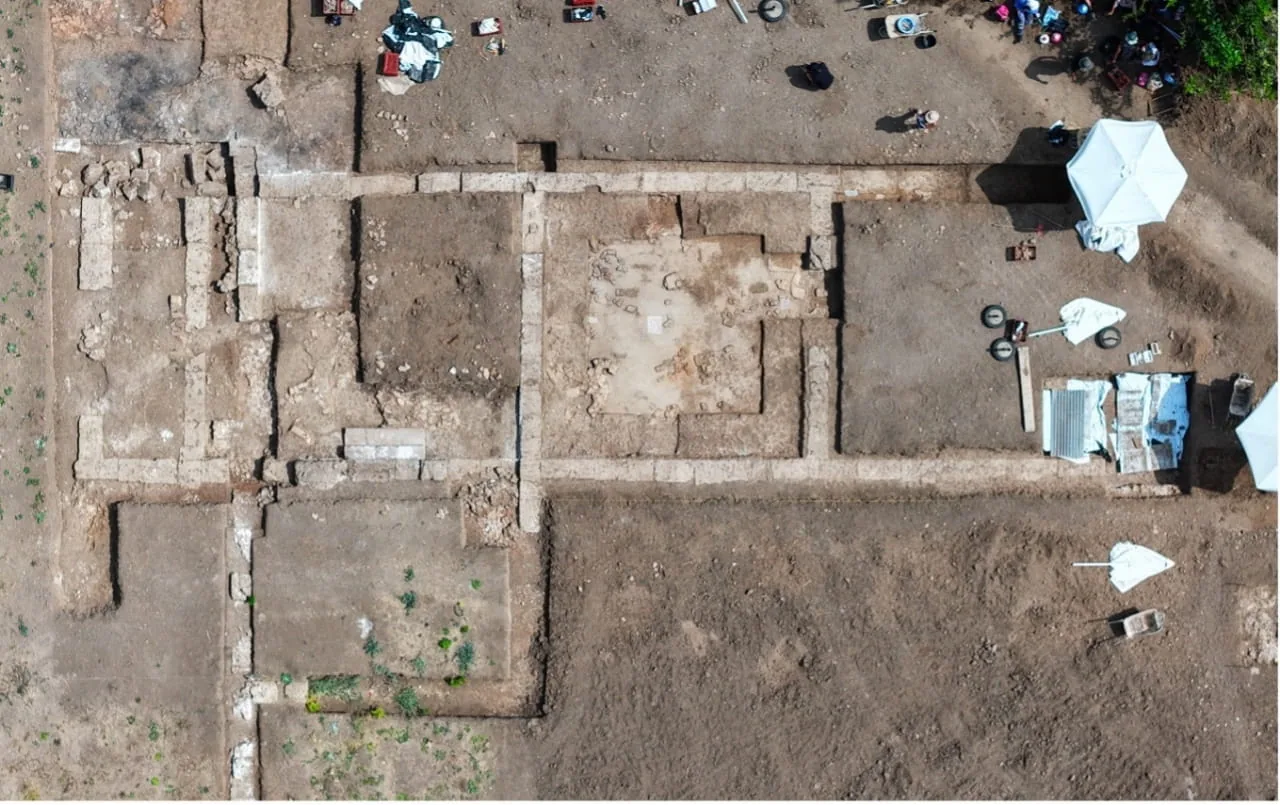
New Digging Season at the Mieza Gymnasium Uncovers Alexander’s School Complex
New digs at Mieza uncover teaching halls and mosaic banquet rooms at...
illustrarch Editoral Team2 Mins read
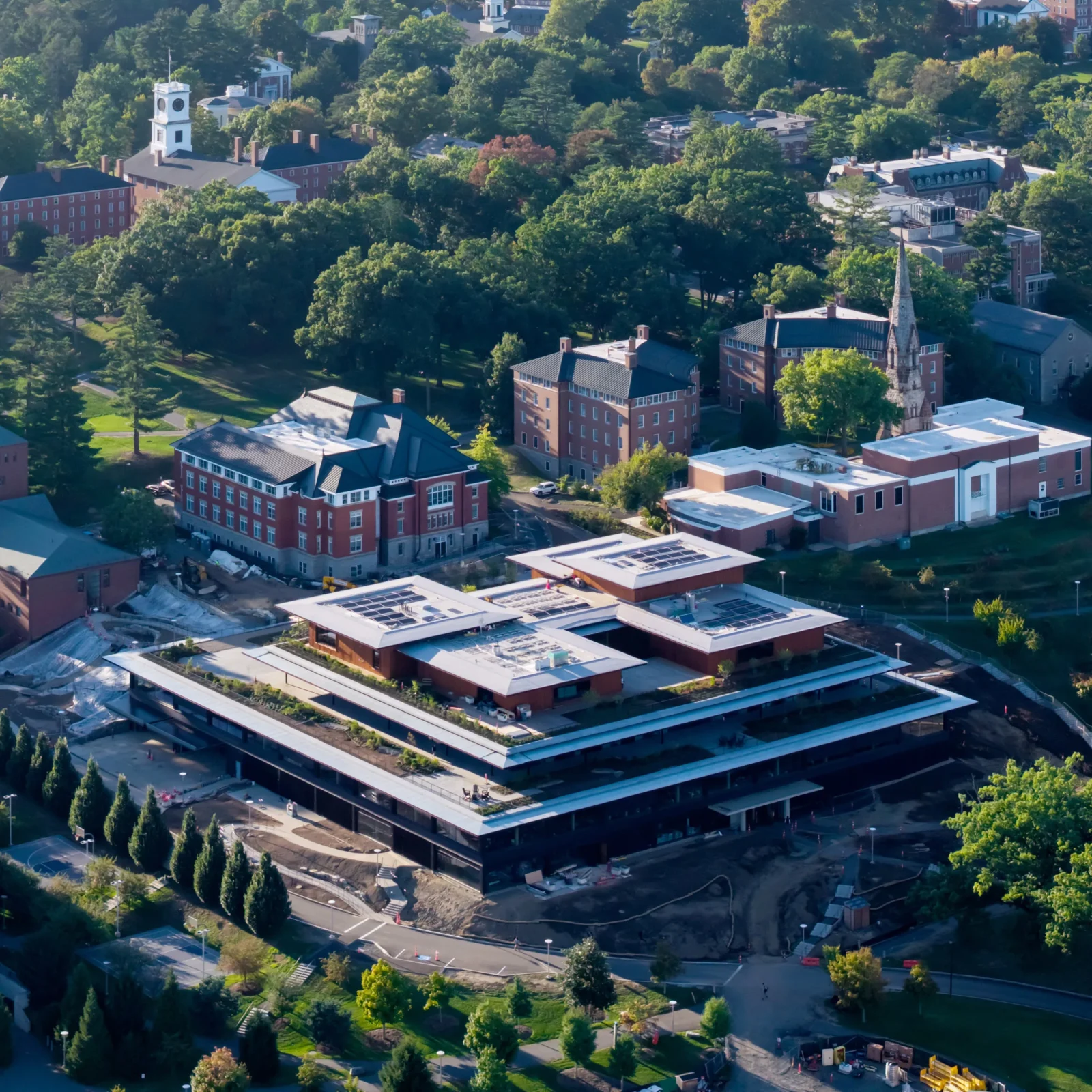
Herzog & de Meuron Builds Amherst College Student Center Atop Old Foundations
Herzog & de Meuron built a mass-timber student center at Amherst College...
illustrarch Editoral Team2 Mins read

Brussels’s €230m Kanal Museum Nears Opening as Questions Grow over Its Future Funding
Housed in a converted Citroën garage, Brussels's Kanal museum opens on 28...
illustrarch Editoral Team1 Mins read


Leave a comment