

Archaeology and Architecture: How These Fields Shape Design
Discover how archaeology and architecture work together to reveal the secrets of ancient civilizations. From historical arches and adaptive reuse to AI-powered digital tools, explore the evolving relationship between these two essential disciplines.
 Elif Ayse Sen4 February 20269 Mins read676

Table of Contents Show
Archaeology and architecture are two disciplines that have shaped our understanding of human civilization for centuries. The archaeology of architecture examines how built environments reveal cultural values, technological achievements, and social structures of past societies. Whether through excavating ancient ruins or designing modern museums that honor historical sites, the intersection of archeology and architecture continues to produce some of the most compelling insights into our shared heritage. In this comprehensive, updated guide for 2025, we explore how archaeological architecture bridges the gap between past and present, why architectural archaeology matters more than ever, and how the historical arch and other iconic structural elements connect these two fields across millennia.
Archaeology and Architecture: A Brief History
The relationship between archaeology and architecture dates back to the early 19th century when archaeologists first began to study ancient structures such as the pyramids of Egypt and the temples of Greece and Rome. At this time, archaeologists were primarily interested in understanding the historical and cultural significance of these structures. However, as the field of archaeology progressed, it became increasingly apparent that architecture played an important role in shaping human history and culture. This growing awareness gave rise to what scholars now call architectural archaeology, a specialized discipline that uses the history of architecture as a primary lens for interpreting the past.
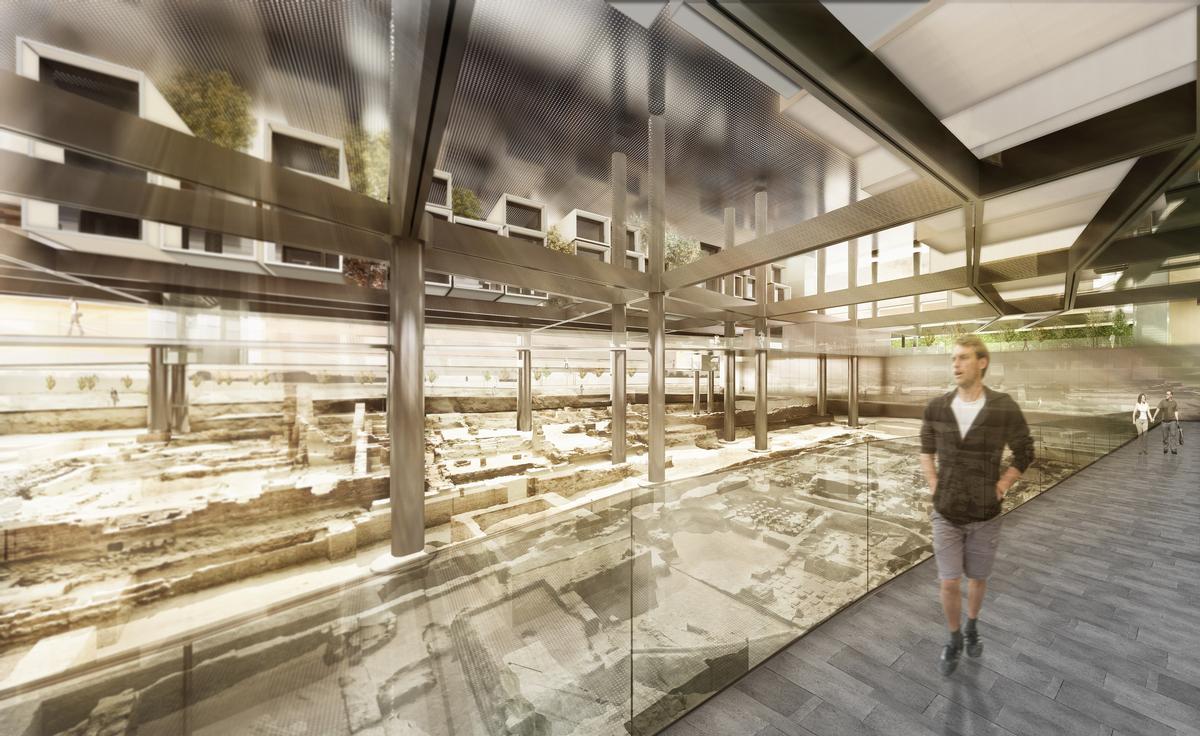
By the 20th century, architecture archaeology had evolved from simple cataloging of ruins into a rigorous scientific methodology. Techniques such as stratigraphic analysis, radiocarbon dating, and photogrammetry enabled researchers to reconstruct entire building phases, revealing how structures were modified over decades or centuries. Today, digital tools like LiDAR scanning and Building Information Modeling (BIM) are transforming how professionals in both archeology architecture and contemporary design document and interpret the built environment.
Architecture as a Reflection of Culture
Architecture provides a window into the culture and society of a particular time and place. Buildings and other structures reflect the social, economic, and religious values of the people who created them. By studying the archaeology of architecture, researchers can gain insight into a society’s beliefs, practices, and daily life.
For example, the pyramids of Egypt reflect the religious beliefs of the ancient Egyptians. These massive structures were built as tombs for the pharaohs, who were believed to be divine beings. The Grand Egyptian Museum, opened near the Giza Plateau, now houses over 100,000 artifacts that demonstrate the deep connection between archeology and architecture in ancient Egypt. Similarly, the Gothic cathedrals of medieval Europe reflect the power and influence of the Catholic Church during that time period.

The study of ancient architectural styles, from Mesopotamian ziggurats to Roman basilicas, reveals how civilizations used built form to express power, spirituality, and community identity. This archaeological architecture approach helps us understand not only what was built, but why it was built and what it meant to those who created it.
Archaeology as a Tool for Understanding Architecture
Archaeology also plays an important role in the study of architecture. By excavating and analyzing the physical remains of buildings and other structures, archaeologists can gain a better understanding of their design, construction, and use. This information can help historians and architects to recreate lost buildings and to understand the technological advancements of a particular society. The field of architectural archaeology provides essential data that informs restoration projects and new construction on historically sensitive sites.
For example, the excavation of the ancient city of Pompeii has provided archaeologists with a wealth of information about the architecture of the Roman Empire. By analyzing the ruins of houses, public buildings, and temples, archaeologists have been able to recreate a detailed picture of life in Pompeii before it was destroyed by the eruption of Mount Vesuvius in 79 AD.

More recently, archaeology and architecture have intersected through the use of advanced digital technologies. Ground-penetrating radar, 3D laser scanning, and drone-based photogrammetry now allow researchers to map buried structures without excavation, creating detailed digital models that architects can use for conservation planning. These modern innovations in historical sites are reshaping how we document, interpret, and preserve our built heritage.
The Historical Arch: A Key Element in Archaeological Architecture
No discussion of archeological architecture is complete without examining the historical arch, one of the most enduring structural innovations in building history. The arch has served as both an engineering solution and an artistic expression across virtually every major civilization, making it a central subject in both archaeology and architecture research.
The earliest arches appeared in ancient Mesopotamia around 2000 BCE, where builders used mud bricks to construct curved drainage channels. However, it was the Romans who elevated the arch into a defining feature of monumental construction. From the Colosseum to aqueducts stretching across Europe, Roman arches demonstrated how a curved structural element could span wider openings and carry heavier loads than any flat lintel. The pointed arch later became the hallmark of Gothic architecture, enabling the soaring heights of medieval European cathedrals.
For archaeologists, the study of historical arch forms reveals essential information about a civilization’s engineering knowledge, trade connections, and aesthetic values. When researchers uncover a Moorish horseshoe arch at one site and a Roman semicircular arch at another, these findings help establish cultural exchange routes and chronological timelines. This is precisely why the historical arch remains a focal point in architectural archaeology fieldwork and serves as a foundational topic in any encyclopedia of architecture.
Encyclopedia of Architecture: Documenting Archaeological Discoveries
The systematic documentation of archaeological findings has given rise to comprehensive resources that function as an encyclopedia of architecture for scholars, students, and design professionals. Organizations such as the Society of Architectural Historians (SAH) maintain databases like the SAH Archipedia, which catalogs thousands of structures along with their archaeological and historical context. Similarly, the Encyclopaedia Britannica provides detailed entries on architectural elements, from arches and vaults to domes and buttresses, that draw heavily on archaeological evidence.
These encyclopedic resources are invaluable for anyone studying archaeology architecture or seeking to understand how ancient building techniques influence modern design. By compiling research from excavation reports, building surveys, and conservation studies, an encyclopedia architecture resource connects the work of archaeologists in the field with the broader history of architectural styles and movements. As digital platforms expand, these references are becoming more interactive, incorporating 3D models and virtual reconstructions drawn directly from archaeological architecture data.
Collaboration Between Archaeologists and Architects
The collaboration between archaeologists and architects has become increasingly common in recent years. Archaeologists can provide valuable information to architects about the historical and cultural context of a particular building or structure. Architects, in turn, can provide insight into the engineering and design aspects of a project. This interdisciplinary approach is at the heart of architecture and archeology as a combined practice.
For example, the reconstruction of the Parthenon in Athens, Greece, has involved a collaboration between archaeologists and architects. The reconstruction project is based on extensive archaeological research, which has helped to ensure that the rebuilt structure is as accurate as possible.
The relationship between archaeology and architecture is a complex one. Architecture reflects the culture and society of a particular time and place, while archaeology provides valuable information about the design, construction, and use of buildings and other structures. Through collaboration, archaeologists and architects can create a more accurate and detailed understanding of the past, and help to ensure that historical buildings and structures are preserved for future generations.
Case Study: The Antakya Museum Hotel by Emre Arolat
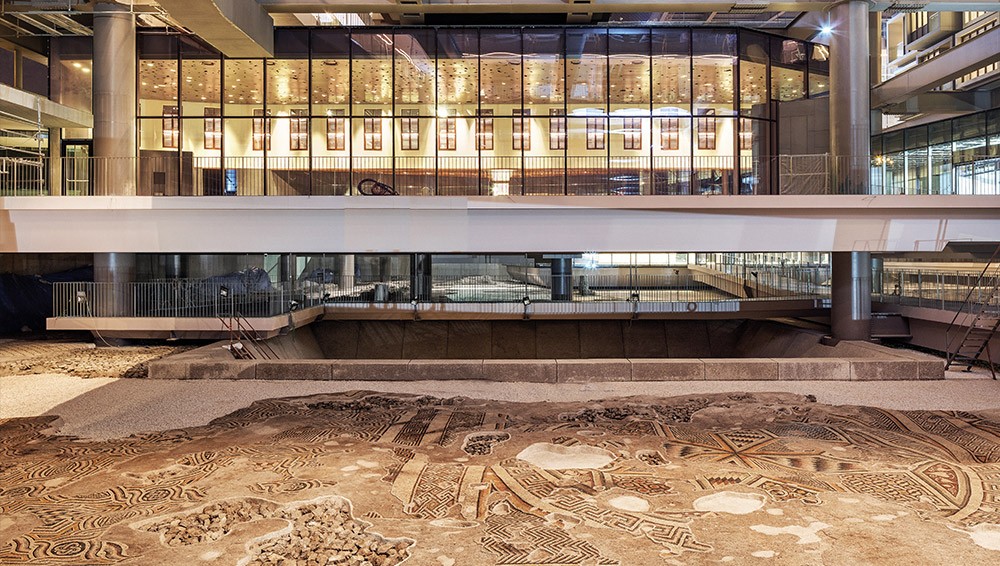
The Antakya Museum Hotel by Emre Arolat is a stunning example of modern architecture that blends seamlessly with its historic surroundings. Located in the ancient city of Antakya in Turkey, the hotel is built on the site of an archaeological excavation, and the design incorporates the existing ruins into the overall concept. This project exemplifies how archaeology architecture can drive innovative design solutions.
One of the most impressive features of the Antakya Museum Hotel is the way in which it incorporates the existing ruins into the design. By blending modern design with traditional craftsmanship and historic ruins, Arolat has created a unique and unforgettable hotel experience that celebrates the rich history and culture of the region. The hotel’s structural system is elevated on steel columns above the archaeological site, allowing visitors to walk among Roman-era mosaics and artifacts beneath the building, a powerful expression of architecture archaeology in practice.

Adaptive Reuse: Where Archeology Meets Contemporary Design
One of the most dynamic areas where archeology and architecture converge today is adaptive reuse, the practice of repurposing historic structures for new functions while preserving their cultural and architectural significance. This approach requires a deep understanding of both archaeological architecture and modern design principles.
Projects such as the Seddülbahir Fortress restoration in Turkey demonstrate how multidisciplinary teams of architects, archaeologists, and historians can transform historically significant sites into vibrant cultural spaces. By conducting thorough archaeological research before and during construction, these teams ensure that the new design respects the layers of history embedded in the original structure.
Transforming old buildings for new purposes also contributes to sustainability goals by reducing construction waste and preserving embodied carbon, a priority for architects who understand that the greenest building is often the one that already exists. This intersection of archaeology and architecture with environmental consciousness represents one of the most important trends in contemporary design.
How Historic Structures Shape Modern Architectural Practice
The influence of architectural archaeology extends far beyond preservation. Today’s architects frequently draw upon lessons from historic structures to inform contemporary design decisions. Passive cooling strategies found in ancient Middle Eastern wind towers, the proportional systems of Greek temples, and the daylighting techniques of Romanesque churches all offer tested solutions to modern design challenges.
The discipline of archaeology of architecture provides a research framework for understanding why certain building strategies endured for centuries. Architects who study these precedents gain access to a vast library of proven techniques, from structural systems to spatial organization, that can be adapted for today’s performance standards and aesthetic goals. As the relationship between art and architecture continues to evolve, archaeological insights remain a vital source of creative inspiration.
The Archaeological Institute of America and organizations like ICOMOS (International Council on Monuments and Sites) actively promote interdisciplinary collaboration between archaeologists, architects, and conservators. Their work ensures that the rich dialogue between architecture and archeology continues to inform best practices in heritage management and design worldwide.
Digital Tools Transforming Archeology Architecture in 2025
The rapid advancement of digital technology is reshaping how professionals approach archeology architecture research and documentation. In 2025, mixed reality (MR) and augmented reality (AR) headsets are being used directly in the field, allowing archaeologists to overlay 3D models of previously excavated structures onto active dig sites. Researchers at the University of Hong Kong have recently pioneered the use of MR devices during excavation, enabling them to virtually visualize removed architectural elements at their original locations while deciding where to dig next.
Artificial intelligence is also playing an increasingly important role. Machine learning algorithms can now analyze satellite imagery to detect previously undetected archaeological sites, while AI-powered classification tools help researchers sort through vast collections of architectural fragments and artifacts. These innovations represent a significant leap forward for archeological architecture documentation, making it possible to process data at a scale that was unimaginable just a decade ago.
Meanwhile, innovations at historical sites such as digital archaeology platforms allow scholars to create fully interactive 3D reconstructions of ancient buildings, from Roman villas to medieval fortresses, that can be explored virtually by researchers and the public alike. These tools are bridging the gap between archaeology and architecture in ways that make cultural heritage more accessible and engaging than ever before.
The Future of Archaeology and Architecture
Looking ahead, the relationship between archaeology and architecture is poised to deepen further as emerging technologies continue to transform both fields. Artificial intelligence is already being used to analyze satellite imagery for previously undetected archaeological sites, while parametric design tools allow architects to generate forms inspired by ancient geometries with unprecedented precision.
Climate change is also creating new urgency for archaeological architecture research, as rising sea levels and extreme weather events threaten heritage sites around the world. Architects and archaeologists must work together to develop innovative conservation strategies that protect these irreplaceable resources. From documenting endangered sites with 3D scanning to designing climate-resilient protective structures, the collaboration between these two fields has never been more critical. The value of preserving historic buildings extends beyond cultural significance, it is an essential component of sustainable urban development and community resilience.
As we move through 2025 and beyond, the convergence of archeology and architecture will continue to accelerate. New discoveries will reshape our understanding of architectural archaeology, while advanced documentation of architectural history will ensure that the lessons of the past inform the buildings of the future. Whether through studying a historical arch uncovered at an excavation or consulting an encyclopedia of architecture to understand regional building traditions, the synergy between these two disciplines remains one of the most rewarding areas of scholarly and creative inquiry.



3 Comments

Interior Design for Commercial Spaces: Enhancing Functionality and Brand Identity
Commercial interior design has to serve brand, function and regulation at once....
 Begum Gumusel4 Mins read
Restorers Uncover 16th-Century Murals Hidden by Nuns in Villa Silvestri Rivaldi
Conservators in Rome are uncovering 16th-century murals hidden for 300 years inside...
 illustrarch Editoral Team3 Mins read

A 2,500-Year-Old Solar Observatory in Puebla Is the First Group E Complex Found Outside the Maya Area
Archaeologists working for Mexico's INAH have confirmed that two platforms at Teteles...
illustrarch Editoral Team2 Mins read

Donald Insall, the Conservation Architect Who Led Windsor Castle’s Restoration, Dies at 100
Donald Insall, the British architect who turned conservation into a planning discipline...
illustrarch Editoral Team2 Mins read


This article talks about how archaeology and architecture are related. It seems interesting but I don’t know much about these topics.
This article talks about how archaeology and architecture work together. It seems interesting but a bit complicated. I like learning about ancient buildings.
This article talks about archaeology and architecture. It mentions how they help us understand history. The examples of Egypt and Greece are interesting. It’s nice to see how old buildings can teach us about cultures.