

Architectural Styles
Architectural styles tell the story of how culture, technology, and taste shape buildings over time. This category offers guides to movements from classical orders to modernism and beyond. Each article covers defining features, key architects, and landmark buildings so you can read any facade with confidence.

What Is Spatial Analysis in Architecture? A Complete Guide
Spatial analysis studies how location, configuration and the relationships between spaces shape how people move and behave. The methods architects use and what...
 illustrarch Editorial Team8 Mins read

What Is Bauhaus Architecture: Origins, Principles, and Legacy
Bauhaus architecture began in 1919 at Walter Gropius's school in Weimar. Its origins, principles, key figures and the buildings that carried the ideas...
illustrarch Editorial Team10 Mins read
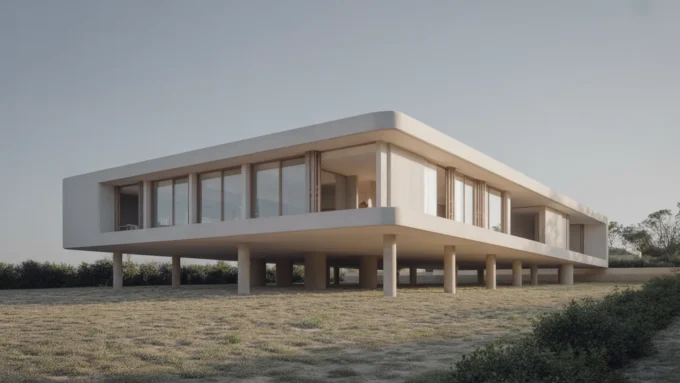
The Five Points of Architecture by Le Corbusier Explained
Le Corbusier published the five points of architecture in 1927: pilotis, free plan, free facade, ribbon windows and roof garden. What each meant...
illustrarch Editorial Team8 Mins read
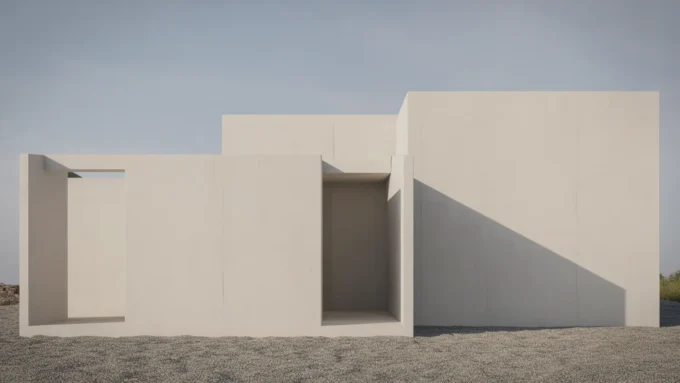
What Is Minimalist Architecture? Principles, Origins, and Iconic Buildings
Minimalist architecture strips a building to its essentials so space, light and proportion carry the work. Its principles, origins and the architects who...
illustrarch Editorial Team9 Mins read
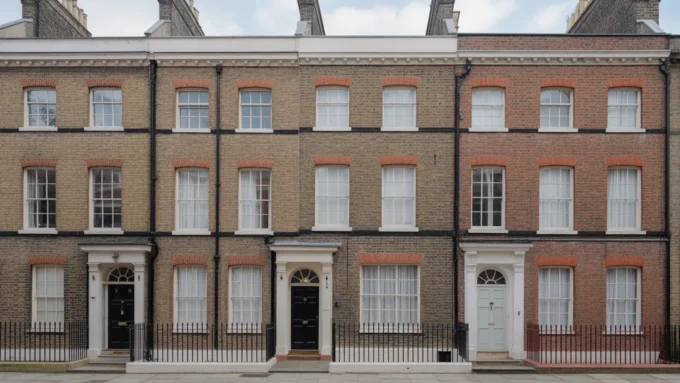
Georgian Architecture: Features, History & Examples
Georgian architecture (1714-1830) is defined by strict symmetry, classical proportion, sash windows and brick. Named after four British monarchs, it shaped cities from...
illustrarch Editorial Team9 Mins read
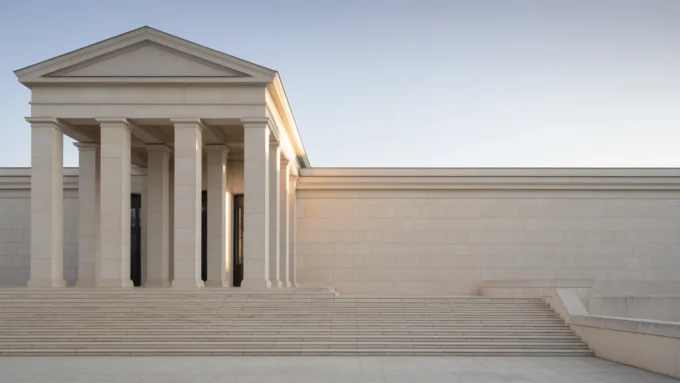
Neoclassical Architecture: Features, History & Examples
Neoclassical architecture emerged in the mid-18th century, reviving Greek and Roman forms as an expression of Enlightenment ideals. This overview covers its defining...
illustrarch Editorial Team8 Mins read

Craftsman Architecture: Features, History & Examples
Craftsman architecture emerged in early 1900s America as a response to Victorian excess, prioritizing natural materials, exposed structural details, and handcrafted built-ins. This...
illustrarch Editorial Team10 Mins read
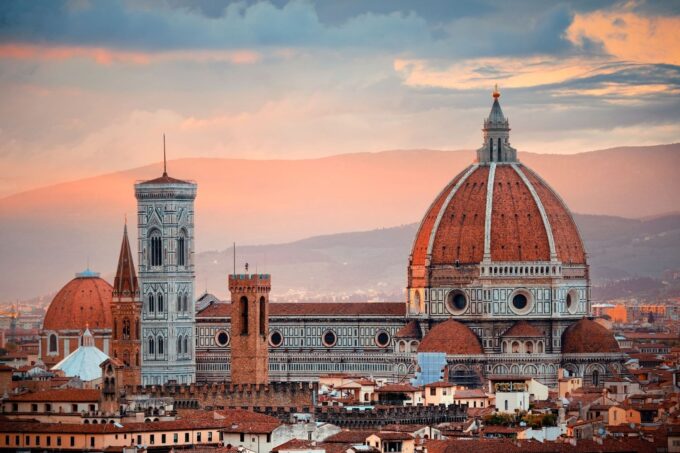
Florence Renaissance Architecture: How Building Became an Authored Art
Florence Renaissance architecture is usually told as a list of buildings. The more useful story is how a mason's trade became an authored...
 Furkan Sen6 Mins read