

Architectural Tech Trends: Enhancing Efficiency and Sustainability
Architectural tech trends are revolutionizing construction with innovations like mycelium bricks and 3D printing, aiming to enhance efficiency and reduce environmental impact.
 Elif Ayse Sen8 November 20235 Mins read403
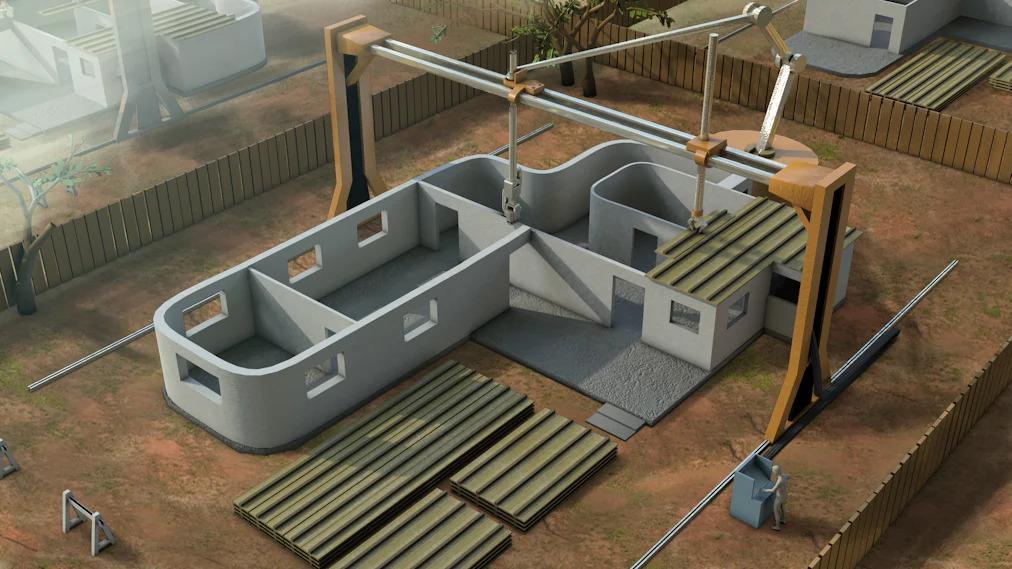
Table of Contents Show
Architectural tech trends are the digital tools, smart materials, and automated building methods reshaping how structures get designed and built. From mycelium bricks and aerogel insulation to 3D printing, kinetic facades, and embedded sensors, these innovations push architecture toward lower energy use, less waste, and buildings that adapt to the people and climate around them.
Beyond the familiar trio of BIM, VR, and AI, a quieter wave of architectural tech trends is changing the physical reality of construction. Some sit in research labs, others already stand as finished buildings. What ties them together is a shared goal, cutting the environmental cost of the built environment while making spaces smarter and more responsive.
Why Architectural Tech Trends Matter Now
The construction sector carries an outsized environmental load, which is exactly why technology has moved to the center of the conversation. Climate targets, tighter energy codes, and rising material costs all push architects to find methods that do more with less. The trends below answer that pressure directly, either by shrinking the carbon tied to materials or by helping finished buildings run on far less energy.
📌 Did You Know?
According to the International Energy Agency, building operations account for roughly 30% of global final energy consumption and about 26% of energy-related emissions. That share is why even small efficiency gains at the design stage add up to a large climate impact.
Materials Reshaping Sustainable Construction
Material choice sets the carbon baseline for any project before a single wall goes up. Two of the most interesting shifts come from biology and from chemistry, and both connect directly to the goals behind the most awarded sustainable projects recognized across the profession.
Mycelium and Bio-Based Materials
Mycelium, the root network of fungi, grows into solid, sturdy blocks when nurtured under controlled conditions. The result is organic, compostable, and surprisingly capable, offering sound insulation and fire resistance without the embodied carbon of fired brick or concrete. Architects are testing it alongside bamboo and hempcrete, materials that often improve insulation and indoor air quality at the same time.

🏗️ Real-World Example
Hy-Fi Tower (New York, 2014): Designed by The Living for the MoMA PS1 Young Architects Program, this circular tower was built from roughly 10,000 bricks grown from corn stalks and mycelium. After the summer, the bricks were composted, showing how a structure can return to the earth instead of heading to landfill.

Aerogel Insulation
Nicknamed frozen smoke, aerogel ranks among the lightest solid materials ever made, often more than 90% air by volume. Its thermal performance is what draws architects in. A thin layer blocks far more heat than conventional insulation of the same thickness, which makes it useful for retrofits where wall depth is limited and for high-performance glazing.
Digital Fabrication and Robotics
How a building gets assembled is changing as fast as what it is made from. Automated fabrication promises faster timelines, less waste, and forms that would be costly or impossible with traditional labor alone.
3D Printed Buildings
3D printing has moved out of the prototyping lab and onto active construction sites. Large gantry or robotic-arm printers extrude a cement-based mix layer by layer to form walls directly on the foundation. The appeal is speed, reduced material waste, and freedom in shaping curves that formwork makes expensive. The method is gaining real traction in affordable housing and disaster relief, where companies such as ICON have delivered printed homes at scale. For a deeper look, see our breakdown of the impact of 3D printing on building design.

Swarm Robotics in Construction
Inspired by how ants and bees coordinate, swarm robotics uses many small robots that work together rather than one large machine. On site, a swarm can tackle different parts of a structure at once, adjusting to each other in real time. The approach is early-stage, but it points toward construction that scales up or down by adding or removing units instead of redesigning the whole process.
Buildings That Respond to Their Environment
A static building reacts to nothing. The next group of trends gives structures the ability to sense conditions and adjust, which cuts energy waste and improves comfort at the same time.
Responsive Architecture
Picture walls that shift opacity with the sun or surfaces that change firmness based on use. Responsive architecture blends sensors, actuators, and microcontrollers to make spaces adaptable and intuitive. The payoff is comfort that tracks real conditions rather than a fixed setting chosen months earlier on a drawing.
Kinetic Facades
Facades no longer have to stay still. Kinetic facades move in response to sunlight and wind, shading interiors when the sun is harsh and opening up when it is not. The visual effect is striking, but the practical gain is lower cooling loads and better daylight control. The Al Bahar Towers in Abu Dhabi remain a defining case, with a mashrabiya-inspired screen that folds and unfolds to tame desert heat. If facade design interests you, our guide to designing an impressive building facade covers the fundamentals.
🎓 Expert Insight
“A moving facade only pays off if the maintenance plan is written into the brief from day one. The mechanism is the easy part, keeping it serviceable for thirty years is the real design problem.”
Licensed facade engineer with 15+ years of experience
The point is worth taking seriously, since the long-term value of kinetic systems depends as much on durability and access for repairs as on the initial concept.
Embedded Building Sensors
Sensors built into the structure turn a finished building into a source of live data. They track temperature, moisture, occupancy, and even structural strain, feeding systems that fine-tune heating, cooling, lighting, and ventilation as conditions change. The same data supports predictive maintenance, flagging a problem before it becomes a failure. This is the backbone of intelligent buildings that anticipate occupant needs instead of merely housing them.
💡 Pro Tip
When specifying embedded sensors, plan the data path before the device list. Decide early who owns the readings, how they reach the building management system, and what triggers an alert. A sensor with nowhere to send its data is just a cost on the schedule.
Energy Generation Built Into the Envelope
Harnessing solar power no longer means bolting panels onto a roof as an afterthought. Architects now integrate photovoltaic cells into facades, windows, and roof tiles, turning the building skin itself into a generator. These building-integrated approaches reduce demand on the grid and trim the carbon footprint across a building’s life. Paired with smart controls, on-site generation moves a project closer to net-zero operation, a goal that also shapes the wider future of architecture and digital workflows.
The Bigger Picture
It is tempting to read these architectural tech trends as a race toward the most advanced gadget, yet the greenest building is often the one that already exists. The real measure of this technology is not how futuristic a facade looks, but how much energy and material it saves over decades of use. Used with that restraint, sensors, bio-materials, and responsive systems stop being novelties and become quiet tools for building less and wasting less.



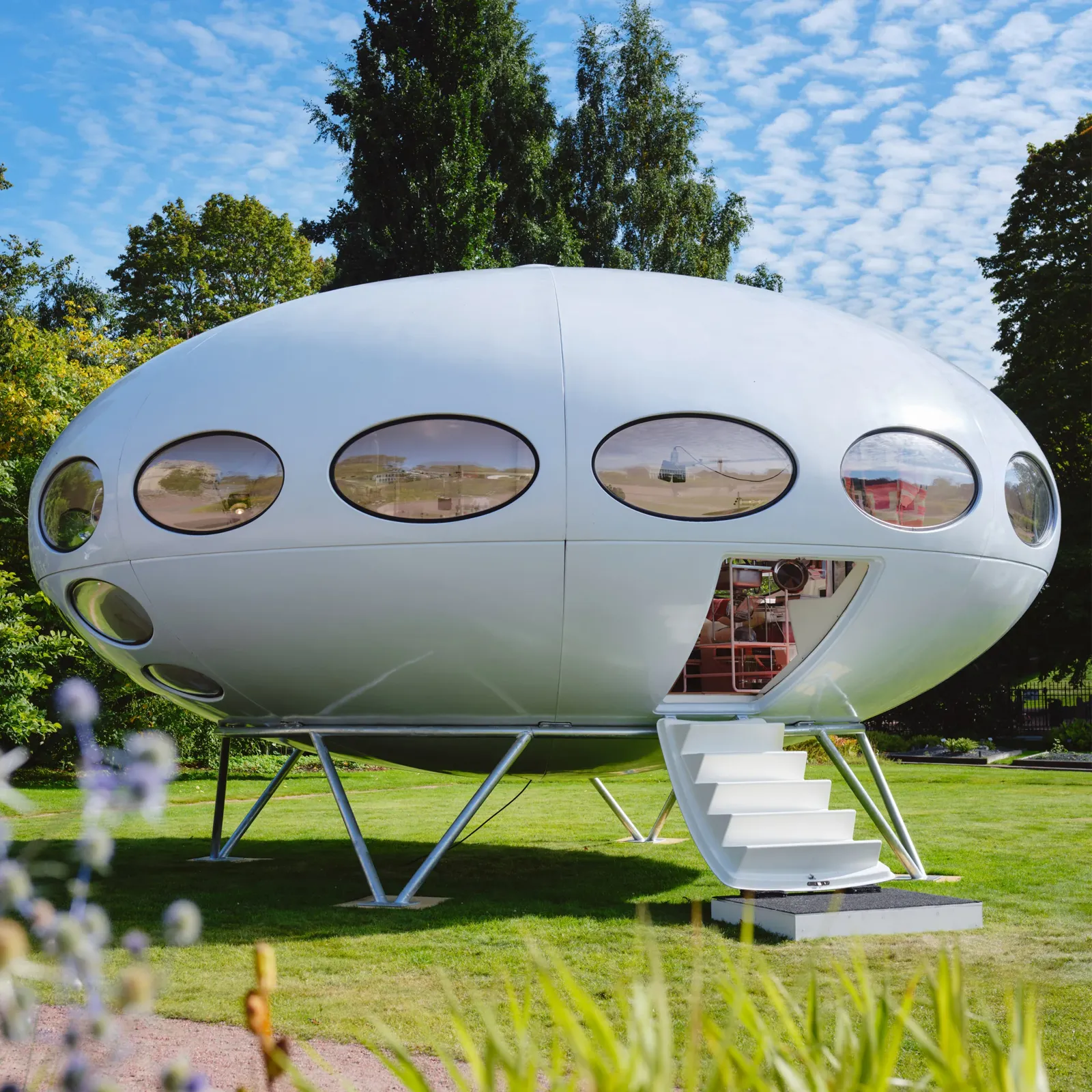
Futuro House Production Revived in Finland After Decades-Long Hiatus
A Facebook listing for abandoned moulds led to the first new Futuro...
 illustrarch Editoral Team3 Mins read
Building Your Dream Home in NSW: What You Should Know About Montgomery Homes
Montgomery Homes has been building across Sydney, Newcastle, the Hunter, Wollongong and...
illustrarch Editoral Team4 Mins read

Designing a Home Theater: Where Drapery Fits Into the Plan
In a media room the curtains are a performance layer, not decoration....
illustrarch Editoral Team3 Mins read

Oscar Niemeyer’s Cathedral of Brasília: The Hyperboloid Concrete Hymn
The Cathedral of Brasília reads as a single gesture, yet it stood...
 Furkan Sen7 Mins read


Leave a comment