

Modern Meets Traditional: How to Blend Interior Styles
A practical look at the modern meets traditional style, with methods for balancing contemporary and classic elements through materials, color, proportion, and architecture in real interiors.
 Muhammad Abdullatef - Tifa Studio31 October 20255 Mins read637

Table of Contents Show
Modern meets traditional is an interior design approach that pairs the clean lines and open layouts of contemporary style with the warmth, craftsmanship, and detail of classic interiors. Done well, it produces rooms that feel current yet grounded, balancing one dominant style with carefully chosen accents drawn from the other.
Blending these two worlds has become one of the most requested directions in residential design. Homeowners want interiors that respect the character of an older property while still feeling fresh and functional. The result, often called modern traditional or transitional style, gives you the comfort of heritage detail without the heaviness of a purely period room.
What Does “Modern Meets Traditional” Actually Mean?
At its core, this style is about deliberate contrast. Modern design favors simplicity, straight lines, open space, and materials like glass, steel, and polished concrete. Traditional design leans on ornament, symmetry, deeper color tones, and natural materials such as wood, stone, and woven textiles. When modern meets traditional, you are not choosing one over the other. You are letting each highlight the qualities of its opposite.
The mix works because the eye reads difference. A spare, contemporary shell makes carved detail feel special, while a single antique piece keeps a minimalist room from feeling cold. This is why the approach reads as intentional rather than accidental clutter.

📌 Did You Know?
Mixing historical and contemporary references is not new. Nineteenth-century eclecticism was an entire architectural movement built on combining elements from different periods and traditions in one design. The word “eclectic” comes from the Greek eklektikos, meaning to select, which is exactly what a well-blended interior does.
Core Principles Behind Blending Modern and Traditional Styles
Before you start moving furniture, it helps to understand what each style contributes. Modern interiors prioritize function, negative space, and restraint. Classic interiors prioritize comfort, history, and detail. A successful room borrows the discipline of one and the soul of the other.
The single most useful rule is dominance. Pick one style to lead, roughly seventy percent of the room, and use the second as an accent. When both compete for attention at equal weight, the space starts to feel unresolved. For a closer look at the contemporary side of that equation, the key elements of modern interior design show how simplicity and function set the tone.
🎓 Expert Insight
“The mistake people make is treating a mix as a fifty-fifty split. Let one language lead the room and use the other for punctuation. That is what separates a designed space from a showroom of leftovers.”
Attributed to a licensed interior architect with 15+ years in residential renovation
This reflects a common view among practitioners: hierarchy, not equal balance, is what makes a blended interior feel calm and considered.
Proven Approaches to Blend the Two Styles
There is no single formula, but a handful of methods do most of the work. Each one targets a different layer of the room, from the raw materials up to the finishing accessories. Used together, they give you control over how much old and how much new the space reads.
How Different Blending Approaches Affect a Space
The table below summarizes the main techniques, the effect each creates, and a concrete example you can apply.
| Blending Approach | Effect | Example |
|---|---|---|
| Materials and texture | Adds contrast and tactile depth | Glass-top table paired with upholstered classic chairs |
| Proportion and scale | Keeps one style dominant, avoids visual clutter | Minimalist sofa anchored by an antique rug |
| Old and new contrast | Highlights each style through juxtaposition | Sleek pendant lighting above a carved wooden table |
| Adaptive reuse | Preserves heritage while adding function | Original crown moldings kept in a contemporary renovation |
| Color palette | Unifies mixed pieces under one tone | Neutral walls with classic patterned textile accents |
💡 Pro Tip
Before committing to a wood tone or stone finish, test large samples in the actual room across morning and evening light. Traditional materials shift dramatically under warm light, and a walnut that looked rich in the showroom can read muddy against cool modern walls. Living with the samples for a few days prevents costly reordering.
Color, Materials, and Texture as the Bridge
Color is the fastest way to tie mixed pieces together. A neutral base, warm whites, soft greys, or layered beiges, gives you room to introduce bolder classic patterns and richer accent tones without the space fragmenting. For 2025 and 2026, warm earth tones and tonal layering have replaced the cooler minimalist palettes of earlier years, which suits the modern traditional look well. You can see how these shifts are playing out in the current interior design trends for 2026.
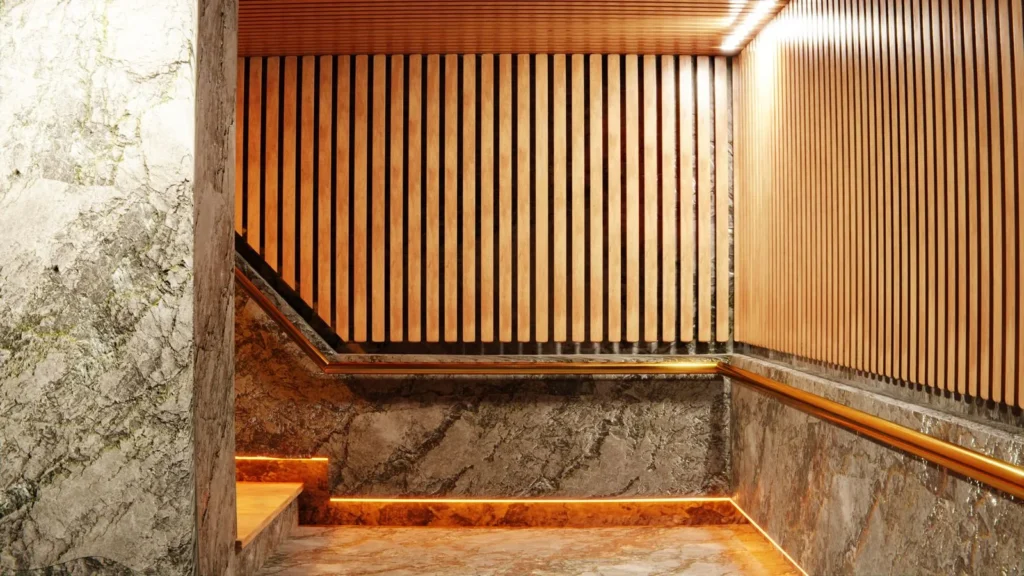
Texture does similar work at close range. A glass or metal surface reads as modern, while wood grain, stone, and woven fabric read as traditional. Combining them in one room, a steel-framed sofa on a hand-knotted rug, keeps the eye moving. The renewed interest in contemporary architecture with traditional materials such as reclaimed wood, natural stone, and handmade tile shows how authentic surfaces anchor an otherwise modern space.
Using Architecture and Adaptive Reuse to Fuse Old and New
The building itself is often your strongest tool. Keeping original architectural features, arched doorways, crown moldings, exposed beams, or historic tile, gives a modern renovation a built-in traditional layer that furniture alone cannot match. Rather than stripping a period property back to a blank box, you retain the details that carry history and let modern fixtures and finishes contrast against them.
This is where adaptive reuse matters. Preserving and repurposing existing structure is both a design choice and a sustainability one, since the greenest building is often the one already standing. The evolution of residential design from traditional to modern style traces how homes moved between these two directions, and why so many owners now want a bit of both. Resources like the adaptive reuse coverage on ArchDaily and the conservation work of the Getty Conservation Institute document how historic fabric can be kept alive within modern interventions.
🏗️ Real-World Example
Louvre Pyramid (Paris, 1989): I. M. Pei set a glass and steel pyramid inside the historic courtyard of the Louvre palace. Criticized when unveiled, it is now one of the clearest icons of modern forms meeting traditional architecture, proof that sharp contrast, handled with confidence, can honor a heritage setting rather than compete with it.
Room-by-Room: Balancing Modern and Traditional
Different rooms call for different ratios. In the living room, a clean modern sofa paired with an antique coffee table or a traditional rug sets the tone, and the right living room furniture choices make that balance easier to hold. Kitchens work well with flat modern cabinetry, classic hardware, and natural stone counters. Bedrooms turn restful when a contemporary platform bed is softened by layered classic bedding.
Transitional design is the middle path many people land on. It softens classic forms with contemporary materials and restrained color, which is why it appears so often among the most popular interior design styles today. If you are drawn equally to both worlds, a transitional framework lets you commit to neither extreme. Design publications such as Dezeen and Architectural Digest feature ongoing examples of how designers handle this balance across real projects.
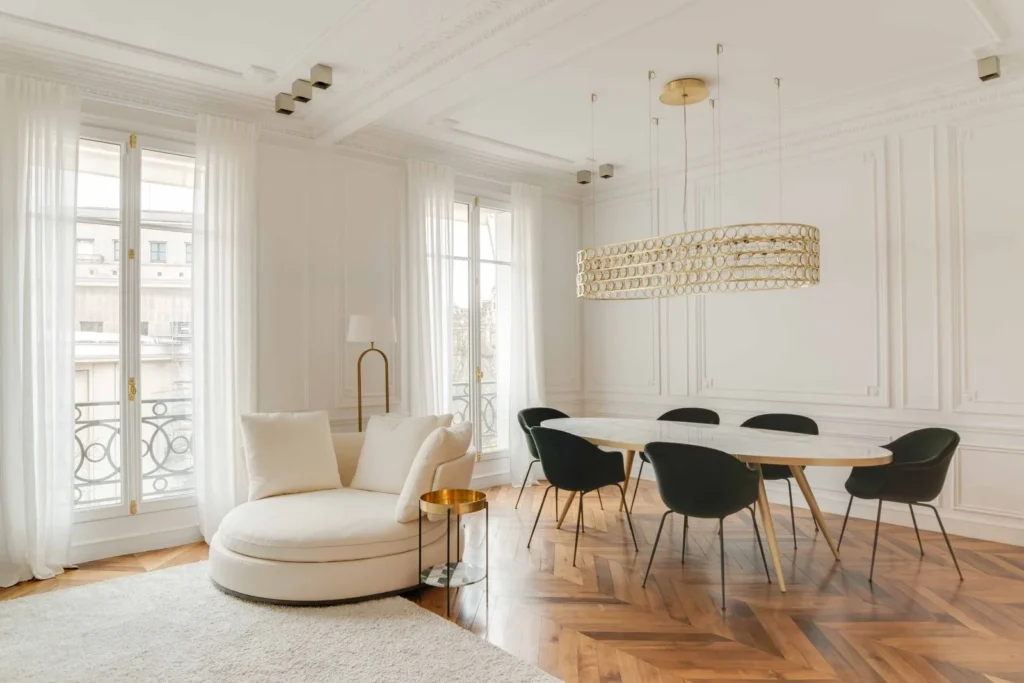
Whatever the ratio, personalization is what keeps the result from feeling generic. Objects that carry a story, handcrafted ceramics, inherited textiles, vintage finds, do more for a blended room than any single trend. For further direction, these concept ideas for interior design show how personal narrative can shape a space.
The Bigger Picture
The strongest argument for blending modern and traditional is not aesthetic, it is longevity. A room built entirely around one moment ages with that moment, while a space that already holds two eras is far harder to date. When you mix with intention, you are not just decorating for now, you are giving the interior permission to keep evolving as the next generation of pieces arrives.


1 Comment
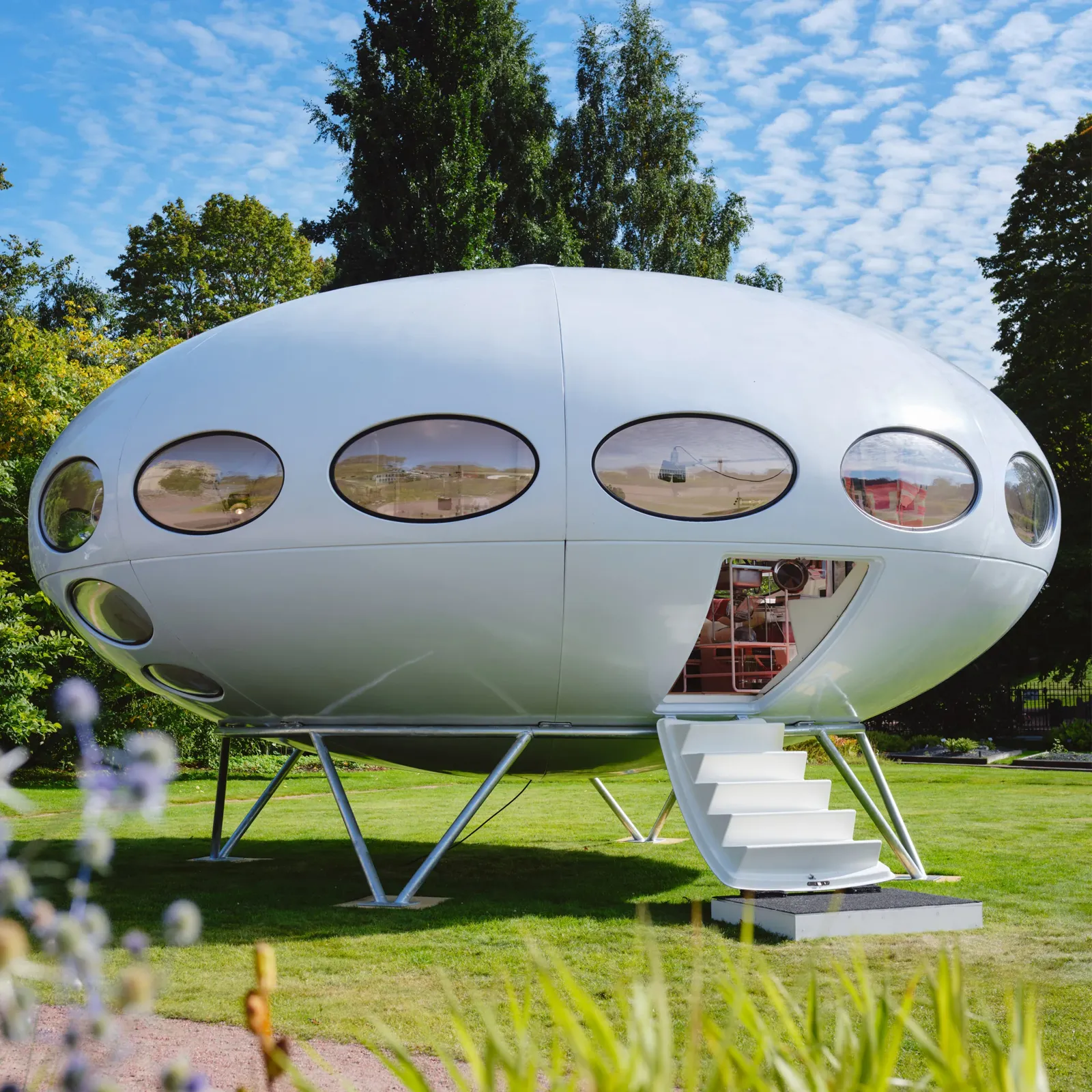
Futuro House Production Revived in Finland After Decades-Long Hiatus
A Facebook listing for abandoned moulds led to the first new Futuro...
 illustrarch Editoral Team3 Mins read
Building Your Dream Home in NSW: What You Should Know About Montgomery Homes
Montgomery Homes has been building across Sydney, Newcastle, the Hunter, Wollongong and...
illustrarch Editoral Team4 Mins read
Designing a Home Theater: Where Drapery Fits Into the Plan
In a media room the curtains are a performance layer, not decoration....
illustrarch Editoral Team3 Mins read

Oscar Niemeyer’s Cathedral of Brasília: The Hyperboloid Concrete Hymn
The Cathedral of Brasília reads as a single gesture, yet it stood...
 Furkan Sen7 Mins read


I really liked the section on mastering the harmony of diverse elements. The example of a minimalist chair next to a carved side table is a great way to visualize how these styles can complement each other. It makes me think about how I can rearrange my living room to create that balance!