

How to Make Your Home Look Elegant with Comprehensive Design Tips
Creating an elegant home involves using a calm color palette, minimizing clutter, choosing quality materials, and incorporating good lighting for a refined aesthetic.
 Muhammad Abdullatef - Tifa Studio26 May 20246 Mins read516

Table of Contents Show
Making your home look elegant comes down to a calm color base, less clutter, quality materials, and good lighting. You do not need a magazine budget to get there. A few considered choices, repeated across every room, do more for an elegant home than a cart full of decorative extras.
The tips below follow the order a designer actually works a space, from the bones of the room to the small details. Work through them in sequence and the result reads as intentional rather than busy.
Start With a Calm, Neutral Foundation
Elegance begins with restraint. A neutral scheme built on soft white, warm gray, greige, tan, and stone gives every other element room to breathe. These muted tones reflect light evenly and read as calm and refined. Paint the walls in a soft neutral first, then add color sparingly through art, textiles, or a single accent chair.
If you want a reference point for which shades age well, designers often track the Pantone color authority and lean toward warm neutrals that pair with almost anything. For a deeper look at building a cohesive scheme, our guide to designing a welcoming home interior walks through palette pairing room by room.
💡 Pro Tip
Pull your three neutrals from one undertone family before you buy anything. Test large paint swatches on at least two walls and check them in morning and evening light, since a cool gray can turn lilac or green depending on the window direction. Matching undertones is what makes a neutral room feel pulled together instead of muddy.
Clear the Clutter Before You Decorate
The most expensive sofa looks cheap behind a pile of mail, chargers, and stray toys. Clutter is the quickest way to flatten an elegant home, so editing comes before adding. Go room by room and remove anything you do not use or love, then donate, recycle, or store it. A clear surface carries more visual weight than another accessory ever will.
⚠️ Common Mistake to Avoid
People declutter the visible surfaces but skip storage planning, so within a week the counters fill back up. Decide where every kept item actually lives before you call a room finished. Pair the purge with concealed storage so the tidy look holds instead of resetting after a few days.
Layer Texture Through Fabrics and Lighting
Once the base is calm, texture is what stops a neutral room from feeling flat. Quality fabric reads as quiet luxury, even in small doses. You do not need to redo everything; one heavy curtain panel or a single wool rug changes how a whole room feels underfoot and overhead.
Which Fabrics Make a Room Feel Elegant?
Natural and weighty materials do the heavy lifting. Silk and velvet drapery, linen sheers, a wool or natural-fiber rug, and a cashmere or faux-fur throw all add depth that printed synthetics cannot match. For full-length window treatments, custom drops in luxurious cloth make the biggest difference, and options like these NYC custom curtains in silk or velvet hang with the weight that off-the-shelf panels lack.
Comparison: Everyday vs Elegant Material Choices
The table below shows simple swaps that lift a room without a full renovation.
| Element | Elegant Choice | Why It Works |
|---|---|---|
| Curtains | Floor-length silk, velvet, or linen | Adds weight and softens hard lines |
| Rug | Wool or natural fiber, sized to the seating | Anchors the layout and absorbs noise |
| Lighting | Layered: ceiling, task, and accent | Builds depth instead of one flat glare |
| Accents | A few marble, glass, or metal pieces | Reflects light and signals quality |

How to Light a Room for Elegance
Lighting is the single biggest lever on how upscale a space feels, and a single overhead bulb is the fastest way to lose that. Build light in three layers: ambient from the ceiling, task lighting for reading or cooking, and accent light from lamps, sconces, or candles. A chandelier or a pair of wall sconces adds a focal point, while warm bulbs around 2700K keep the mood soft. The US Department of Energy notes that choosing efficient LED fixtures cuts running costs while letting you dial in color temperature, so the elegant look does not come with a high power bill.
Choose Furniture and Accents That Carry the Room
The base of an elegant home stays fairly minimal, so the few pieces you add carry real weight. Aim for one or two well-made anchor pieces rather than a roomful of average ones. A tufted leather sofa, an antique armoire, or a solid timber dining table instantly raises the tone. Mixing one statement piece with simpler items you already own is part of what reads as confident.
Accent pieces are the finishing layer. A sculpture, an ornately framed mirror, a marble bowl, or a stack of art books adds personality without crowding the space. Metallic touches in gold, brass, or polished nickel catch the light and lift a neutral palette, so a gold-framed mirror or a couple of brass candlesticks goes a long way. For a worked example of pulling these layers together, see our breakdown of creating a luxury living room. If a single statement chair or sofa is on your list, comfort-led collections such as these designer furniture pieces are worth comparing before you commit.
📌 Did You Know?
Designers frequently apply a version of the 60-30-10 rule: roughly 60 percent of a room in a dominant neutral, 30 percent in a secondary tone, and 10 percent in an accent color. The ratio keeps a palette balanced and is one reason high-end interiors feel coordinated rather than random.
Keep Storage Smart and the Look Simple
Decluttering only sticks if the things you keep have a home. Closed and decorative storage keeps daily life out of sight while staying part of the design. Bookcases and etageres display objects in a controlled way, ottomans and benches hide blankets and remotes, and lidded baskets or boxes handle the rest. For room-by-room ideas, our piece on making home storage look more refined is a useful starting point.
With storage handled, the last rule is restraint. Clean lines, simple shapes, and a few standout pieces beat a surface crowded with small objects. Resist the urge to fill every shelf and corner. Negative space is part of the design, and leaving it empty is what separates a calm, elegant home from a busy one. The same idea runs through pared-back styles like Scandinavian and Japanese minimalism, where what you leave out matters as much as what you keep.

Finish With Floors, Ceilings, and Greenery
The surfaces people overlook are often what tip a room from nice to refined. Flooring sets the tone underfoot: hardwood in a classic oak or walnut tone brings warmth and lasts for decades. If new floors are out of reach, refinishing tired boards or layering a quality area rug over existing flooring gets much of the same effect for less. You can see how flooring choices read in finished projects through the house galleries on ArchDaily.
The ceiling is the fifth wall and rewards a little attention. Crown molding, a ceiling medallion, exposed beams, or a soft painted tone all add character overhead without taking floor space. Greenery is the final touch. A fiddle leaf fig, a few potted orchids, or branches of eucalyptus in a tall vase bring life into a neutral scheme. The Royal Horticultural Society has practical advice on choosing and caring for houseplants so the plants stay healthy rather than becoming clutter. If an elegant refresh grows into a full renovation, working with a home remodeling team keeps structural changes on track.
For background on how these elements fit into the broader discipline, the overview of interior design covers the principles that underpin every choice above.
Frequently Asked Questions
How can I make my home look elegant on a budget?
Focus your spending where it shows. Repaint in a soft neutral, declutter every surface, and add one quality rug plus better lighting. These four moves cost little compared with new furniture yet shift the whole feel of a room. Buy fewer, better accents rather than many cheap ones.
What colors make a home look the most elegant?
Warm neutrals lead: soft white, greige, taupe, warm gray, and stone. They read as calm and let texture and form stand out. Add depth with a single deep accent such as charcoal, forest green, or navy in small amounts rather than across a whole room.
Why does decluttering matter so much for an elegant look?
Visible clutter competes with everything else in a room and breaks the clean sightlines that signal a considered space. Even costly furnishings look cheaper surrounded by mess. Clearing surfaces and storing daily items out of sight is the lowest-cost, highest-impact step toward elegance.
How many accent pieces should a room have?
Aim for a few standout pieces per room rather than a full display. Three to five intentional accents, such as a mirror, a sculpture, and a couple of vases, give character without crowding. Empty space between objects is part of what makes the look feel high-end.
Where to Go From Here
Your next step: pick one room and run it through the order above, starting with the neutral base and a thorough declutter before you buy a single new item. Getting the foundation right first means every accent and fabric you add later lands with more impact.




Futuro House Production Revived in Finland After Decades-Long Hiatus
A Facebook listing for abandoned moulds led to the first new Futuro...
 illustrarch Editoral Team3 Mins read
Building Your Dream Home in NSW: What You Should Know About Montgomery Homes
Montgomery Homes has been building across Sydney, Newcastle, the Hunter, Wollongong and...
illustrarch Editoral Team4 Mins read
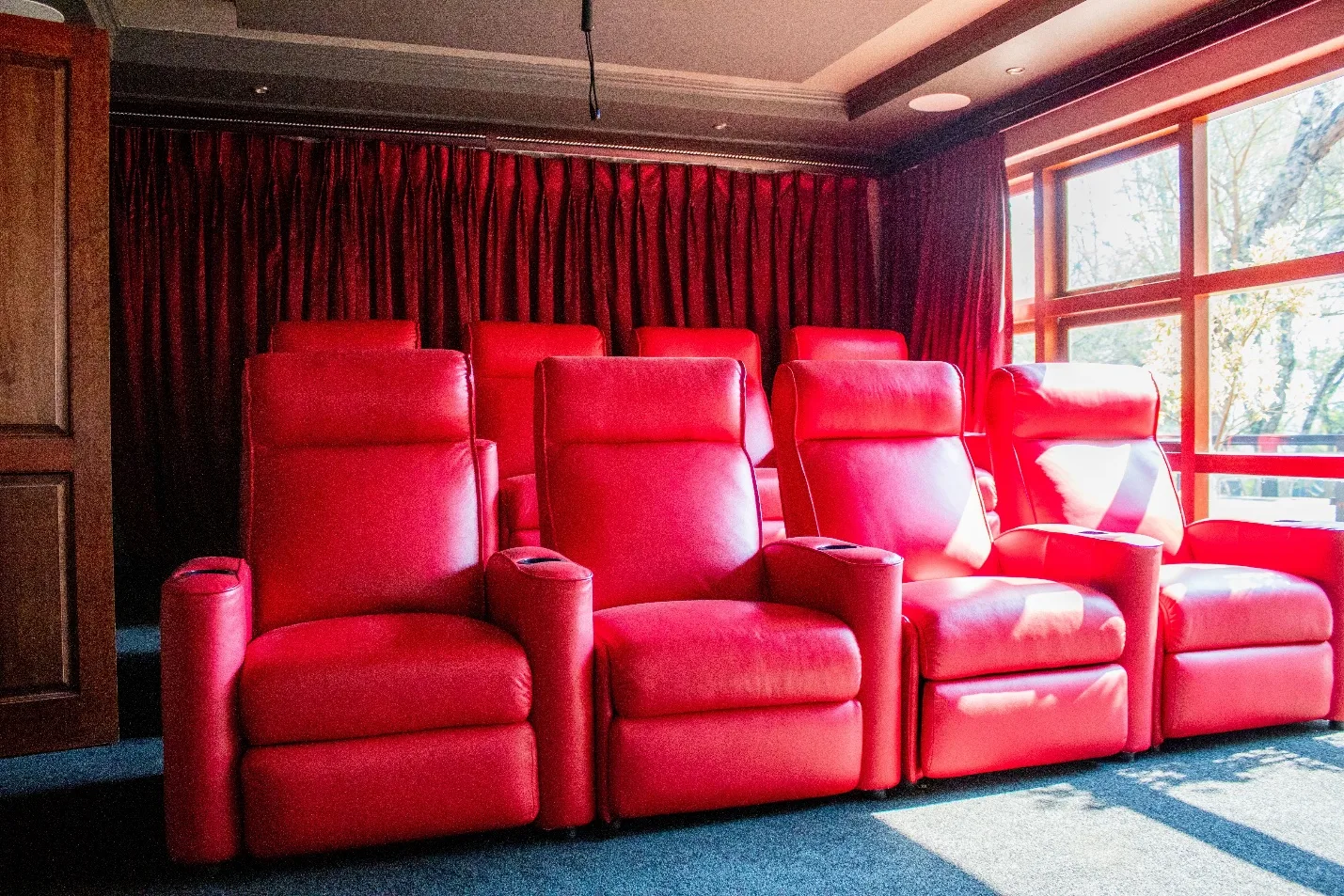
Designing a Home Theater: Where Drapery Fits Into the Plan
In a media room the curtains are a performance layer, not decoration....
illustrarch Editoral Team3 Mins read

Oscar Niemeyer’s Cathedral of Brasília: The Hyperboloid Concrete Hymn
The Cathedral of Brasília reads as a single gesture, yet it stood...
 Furkan Sen7 Mins read


Leave a comment