

10 German Kitchen Ideas to Inspire a Sleek and Functional Modern Home
 Begum Gumusel3 December 20253 Mins read145
Table of Contents Show
German kitchens are renowned worldwide for their innovative designs, exceptional quality, and seamless functionality. These kitchens combine sleek aesthetics with practical solutions, making them a popular choice for modern homes. Whether you’re an interior designer seeking inspiration for your next project or a homeowner looking to revamp your space, these 10 German kitchen ideas will help you create a stylish and highly functional kitchen that stands the test of time.
1. Minimalistic Design with Clean Lines
German kitchen designs often embrace minimalism, characterized by clean lines, smooth surfaces, and uncluttered spaces. Opt for handleless cabinets and drawers to achieve a sleek and modern look. The absence of ornate details ensures that the focus remains on the functionality and simplicity of the design. Neutral tones such as white, grey, or beige are commonly used to enhance the minimalist aesthetic.
2. High-Quality Materials
One of the hallmarks of German kitchens is their use of premium materials. From durable engineered wood to high-gloss lacquer finishes and stainless steel accents, German kitchens are built to last. Incorporate quartz or granite countertops for a sophisticated touch while ensuring durability. Investing in high-quality materials not only elevates the kitchen’s appearance but also enhances its longevity.
3. Smart Storage Solutions
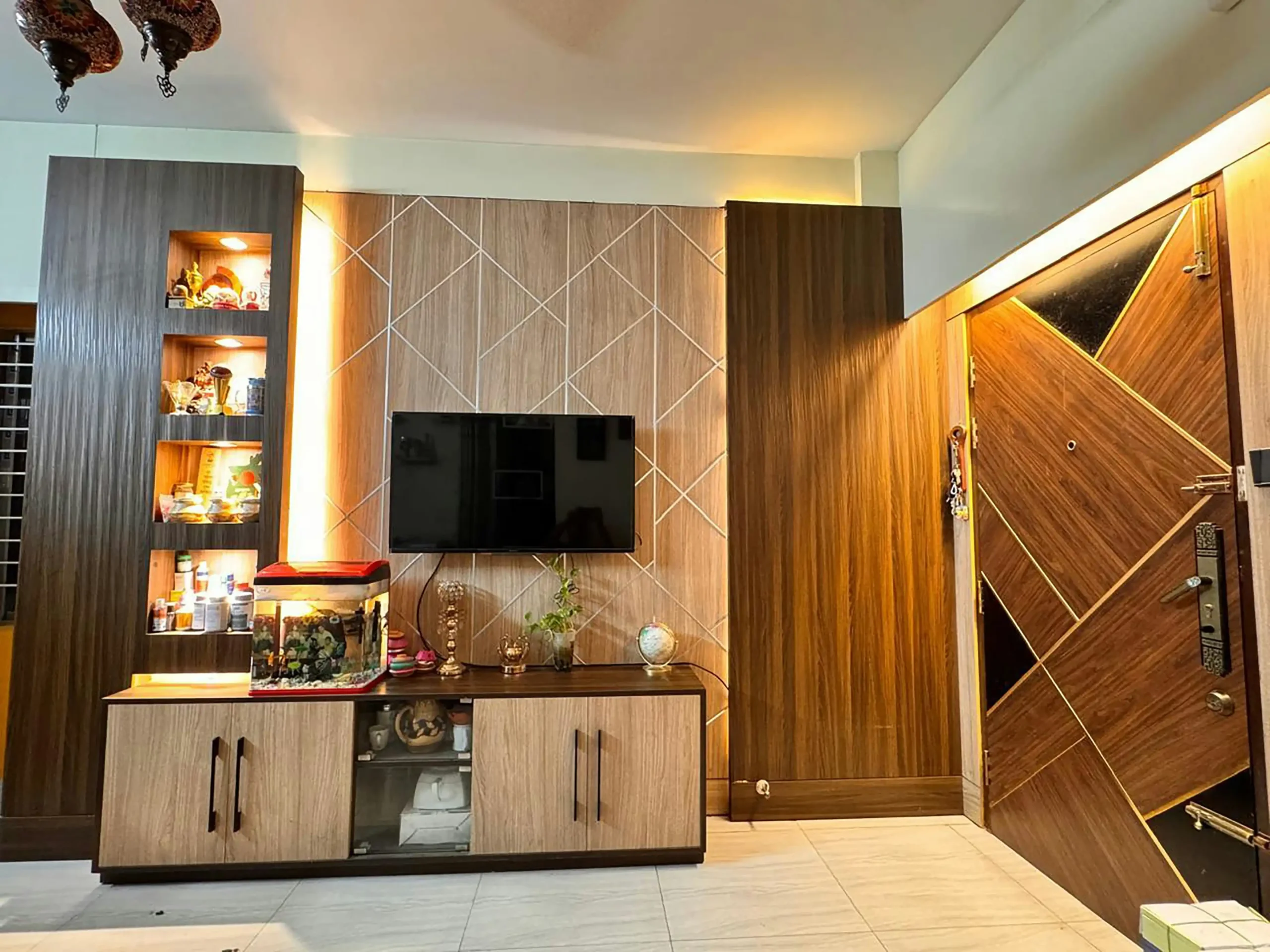
German kitchens excel in maximizing storage space without compromising on style. Consider incorporating pull-out pantry systems, corner carousels, and deep drawers with dividers to keep everything organized. Built-in storage solutions ensure that every inch of space is utilized efficiently, making the kitchen both functional and clutter-free.
4. Integrated Appliances
Seamlessly integrated appliances are a staple in German kitchen design. Built-in ovens, refrigerators, and dishwashers blend effortlessly with cabinetry, creating a cohesive and streamlined look. Opt for state-of-the-art appliances with smart technology to enhance convenience and elevate the kitchen’s modern appeal.
5. Open-Plan Layouts
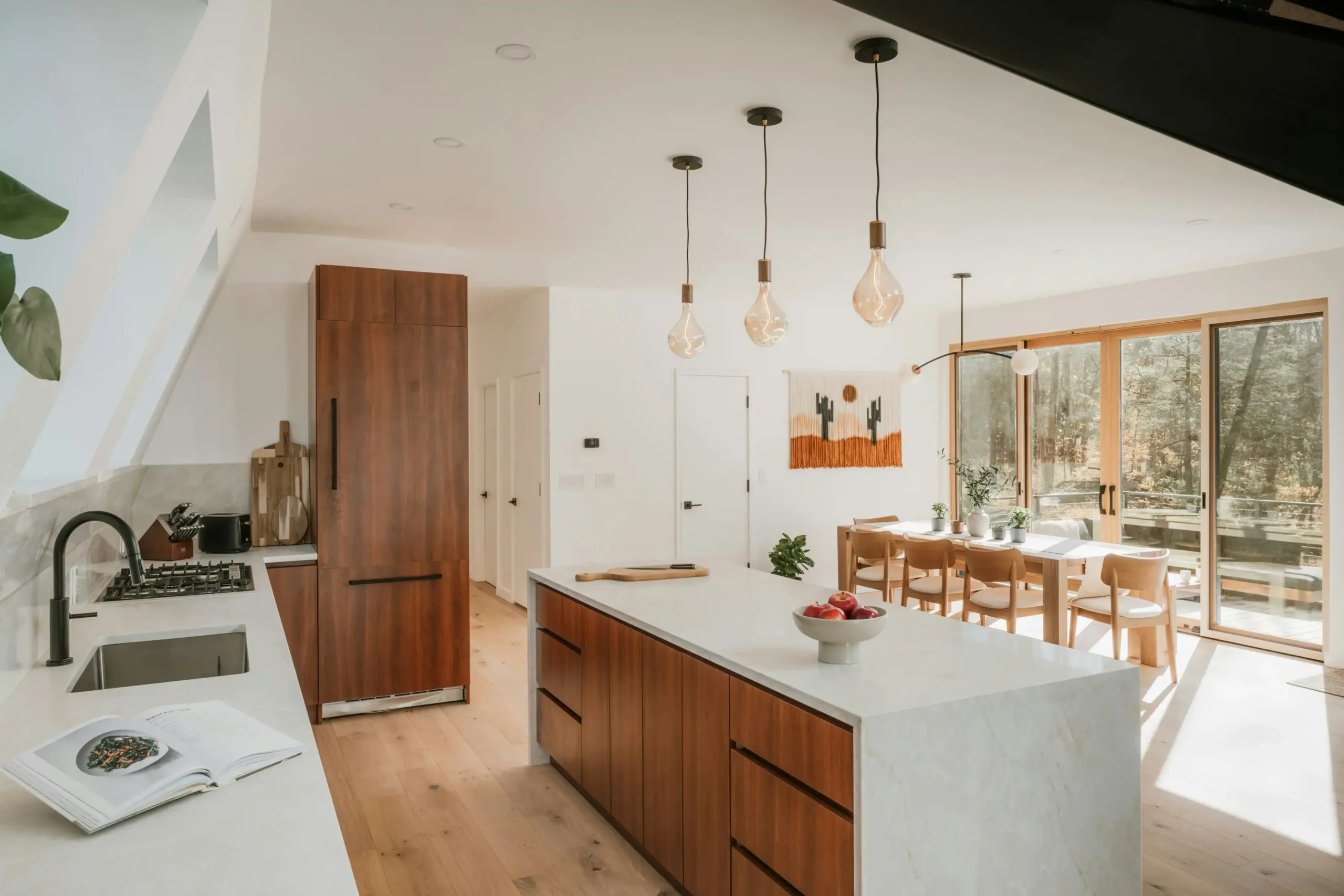
Open-plan kitchens are a popular feature in German design, as they promote a sense of spaciousness and encourage social interaction. By merging the kitchen with the dining or living area, you can create a multifunctional space that caters to cooking, dining, and entertaining. Use a central island or breakfast bar to define the kitchen area while maintaining an open flow.
6. Bold Color Accents
While neutral tones dominate German kitchens, adding bold color accents can inject personality into the space. Consider incorporating vibrant hues through backsplash tiles, bar stools, or small appliances. Navy blue, deep green, or mustard yellow can add depth and character without overpowering the overall design.
7. Lighting as a Design Element
Lighting plays a crucial role in German kitchen design, both for functionality and aesthetics. Layered lighting schemes that include task lighting, ambient lighting, and accent lighting can create a warm and inviting atmosphere. LED strip lights under cabinets or inside drawers provide practical illumination while adding a modern touch.
8. Sustainable Design Choices
Sustainability is becoming increasingly important in modern kitchen design, and German kitchens are no exception. Choose eco-friendly materials such as recycled wood or bamboo for cabinets and countertops. Energy-efficient appliances and water-saving fixtures can further reduce the kitchen’s environmental impact while maintaining its high-performance standards.
9. Matte Finishes for a Contemporary Look
Matte finishes are gaining popularity in German kitchens due to their understated elegance and resistance to fingerprints. Matte cabinets in dark tones like charcoal or black can create a striking contrast against lighter elements in the space. Pair matte finishes with metallic hardware for a chic and contemporary aesthetic.
10. Multifunctional Kitchen Islands
A multifunctional kitchen island is a must-have feature in any German-inspired kitchen. Beyond serving as a food preparation area, the island can double as a dining table, storage unit, or even a workspace. Incorporate features such as built-in sinks, cooktops, or wine coolers to make the island even more versatile.
Conclusion
Creating a German-inspired kitchen requires attention to detail, high-quality materials, and expert craftsmanship—qualities that OPPOLIA embodies in every project. As a leading furnishing manufacturer in Asia, OPPOLIA offers whole-house solutions tailored to meet your unique needs. From custom kitchen cabinets to interior doors, wardrobes, bathroom vanities, aluminum windows, and furniture, OPPOLIA provides comprehensive solutions for contractors and interior designers alike.
If you’re looking for a reliable partner for your next project, OPPOLIA is your go-to choice. Explore OPPOLIA’s Home collections today and discover how their innovative designs can transform your space into a sleek and functional modern home.




Sydney’s Buildings Are Ageing Faster Than Most Owners Realise
There is a wave of building deterioration moving through Sydney's property stock...
 illustrarch Editoral Team10 Mins read

Famous Buildings in Asia: 6 Imperial Palaces That Shaped a Continent
A focused look at six iconic buildings in Asia, each an imperial...
 Furkan Sen6 Mins read

10 Signs It’s Time to Upgrade Your Property Fence
Table of Contents Show Repairs Keep Piling UpPosts Are LeaningBoards Are Cracked...
illustrarch Editoral Team3 Mins read
Walt Disney Concert Hall: Frank Gehry’s Stainless Steel Symphony in Los Angeles
Frank Gehry's Walt Disney Concert Hall took 16 years from initial design...
Furkan Sen6 Mins read


Leave a comment