

Top 10 Examples of Innovative Kinetic Architecture
Kinetic architecture is transforming building design by integrating motion, intelligence, and responsiveness into structures. From the climate-responsive Al Bahar Towers in Abu Dhabi to the ambitious Dynamic Tower concept in Dubai, these 10 innovative examples demonstrate how dynamic architecture enhances energy efficiency, user experience, and aesthetic expression. Discover what kinetic architecture is, the types of kinetic systems used, and why this design approach is shaping the future of sustainable buildings.
 Begum Gumusel7 January 202610 Mins read346
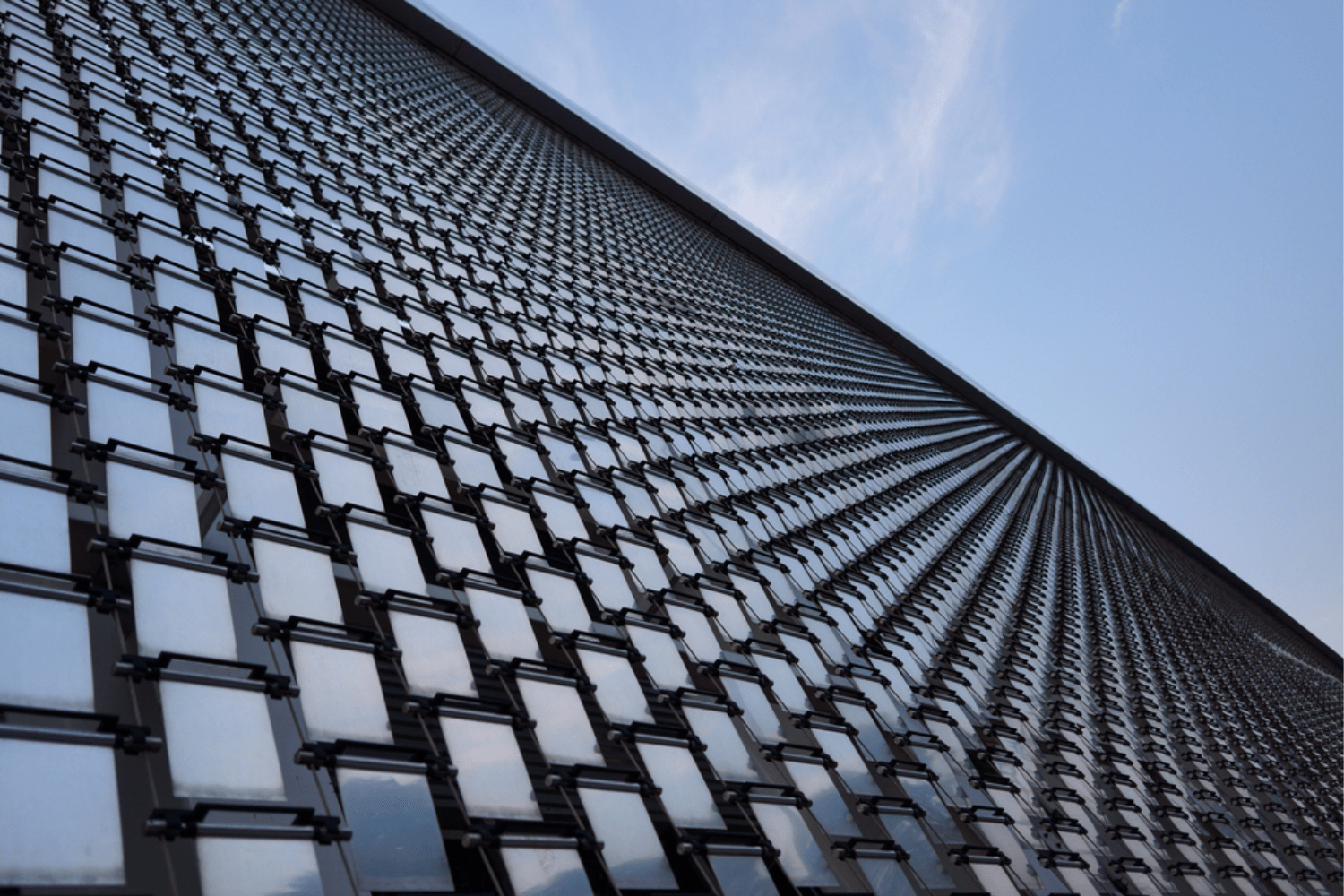
Table of Contents Show
Kinetic architecture represents one of the most exciting evolutions in contemporary design, merging motion with the built environment to create structures that are anything but static. But what is kinetic architecture exactly? It is a design concept in which buildings, or parts of them, are engineered to move, adapt, and respond to environmental conditions or user needs, all without compromising structural integrity. Through rotating facades, retractable roofs, shifting walls, and shape-changing structures, architects are redefining what buildings can do. These designs merge engineering innovation with sustainability, flexibility, and futuristic aesthetics. Also referred to as dynamic architecture, this approach has roots stretching back to medieval drawbridges, but advances in robotics, sensors, and computational design have unlocked unprecedented possibilities since the late 20th century. The following ten examples highlight some of the most remarkable kinetic architecture projects from around the world, each demonstrating how kinetics in architecture can enhance both performance and experience in the built environment.

What Is Kinetic Architecture and Why Does It Matter?
Before exploring the top examples, it helps to understand why kinetic architecture has gained such momentum. Traditional buildings are designed as fixed objects, but our environment is dynamic, sunlight shifts, temperatures fluctuate, and user needs change throughout the day. Kinetic architecture addresses this mismatch by introducing motion as a core design principle. This concept, also known as dynamism architecture, allows building elements to physically reconfigure in response to external stimuli like wind, solar position, or occupant input.
The benefits are substantial. According to research published by the Journal of Building Appraisal, kinetic elements can significantly improve energy efficiency, reduce reliance on HVAC systems, and create more comfortable indoor environments. For architects, designers, and students exploring sustainable facade design, kinetic systems represent a powerful tool for climate-responsive building performance.
1. Al Bahar Towers, Abu Dhabi
Designed by Aedas Architects, the Al Bahar Towers feature a dynamic architecture façade composed of hundreds of movable shading units that respond to sunlight. These umbrella-like elements open and close throughout the day, reducing solar heat gain by up to 50% while maintaining natural light. The system improves energy efficiency and creates a visually captivating exterior. Inspired by traditional Arabic mashrabiya screens, the project showcases how kinetic architecture can support climate-responsive design in regions with extreme temperatures. This is one of the most cited examples of how sustainable high-rise facade design can be achieved through motion-based systems.

2. The Kiefer Technic Showroom, Austria
The Kiefer Technic Showroom is known for its kinetic exterior of movable metal panels that adjust to control interior lighting and privacy. Designed by Ernst Giselbrecht + Partner, the façade operates through a motorized system of 112 tiles that shift depending on the sun’s position or user input. This dynamic architecture building creates ever-changing patterns on the building’s surface. The project demonstrates how kinetic facades can personalize indoor comfort and transform a building’s identity throughout the day, a concept closely related to emerging trends in sustainable facade design.

3. The Milwaukee Art Museum, USA
Designed by Santiago Calatrava, the Milwaukee Art Museum features the iconic Burke Brise Soleil, an enormous movable wing-like structure that opens and closes daily. When extended, the structure resembles a bird in flight, offering shade and symbolic grandeur. The kinetic mechanism enhances both aesthetics and functionality, making the museum one of the most recognizable architectural landmarks in the United States. As a striking example of kinetics in architecture, it proves that motion can serve both practical and sculptural purposes in public buildings.

4. Institut du Monde Arabe, Paris
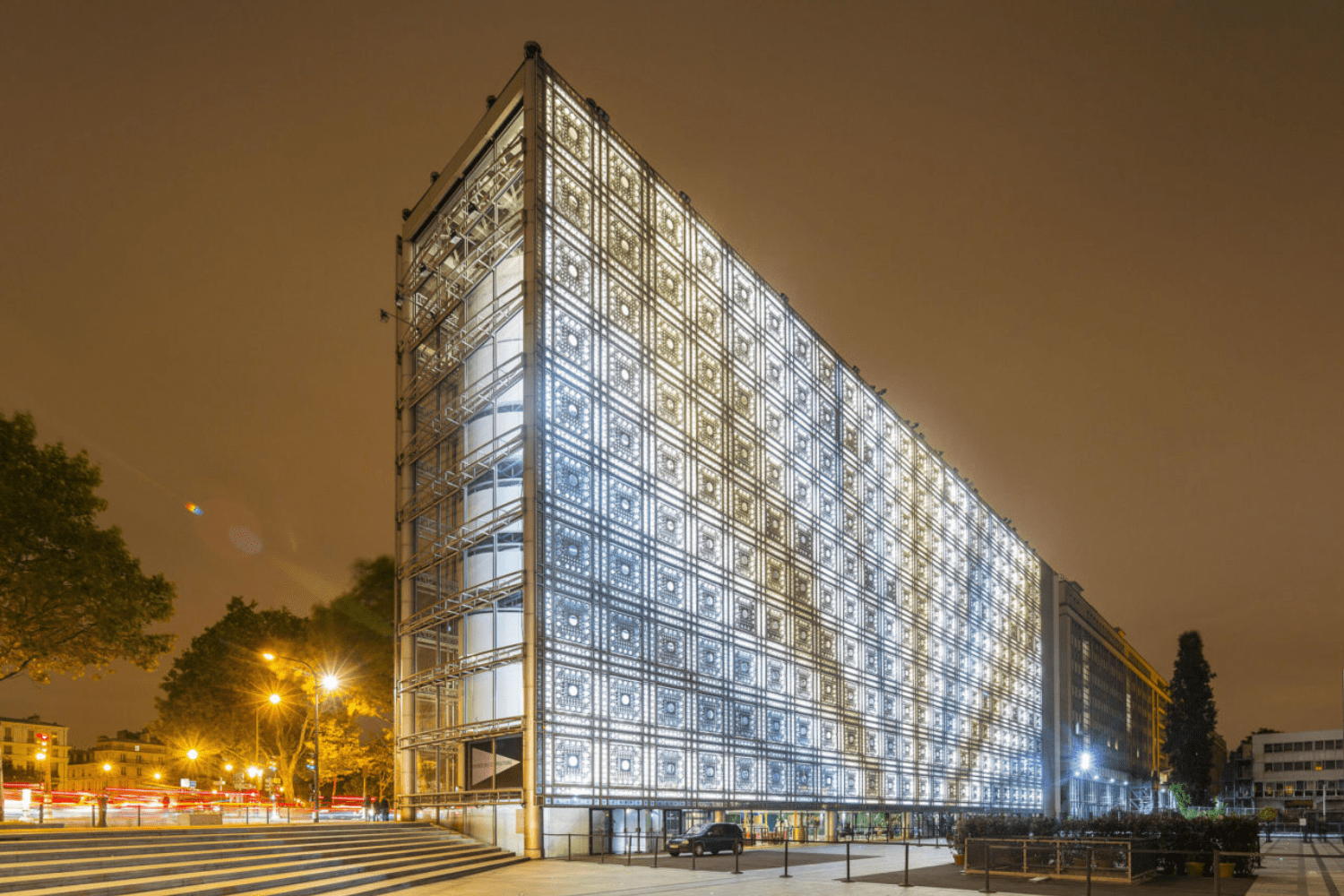
Designed by Jean Nouvel, the Institut du Monde Arabe features a south façade composed of more than 200 mechanical diaphragms inspired by traditional Arabic mashrabiya screens. These apertures open and close to regulate light within the building, functioning like a giant camera lens. Completed in 1987, it is an early and influential example of kinetic architecture used to balance culture, technology, and environmental performance. The project remains a foundational case study for anyone investigating creative approaches to facade design.
5. Dynamic Tower, Dubai (Cancelled)
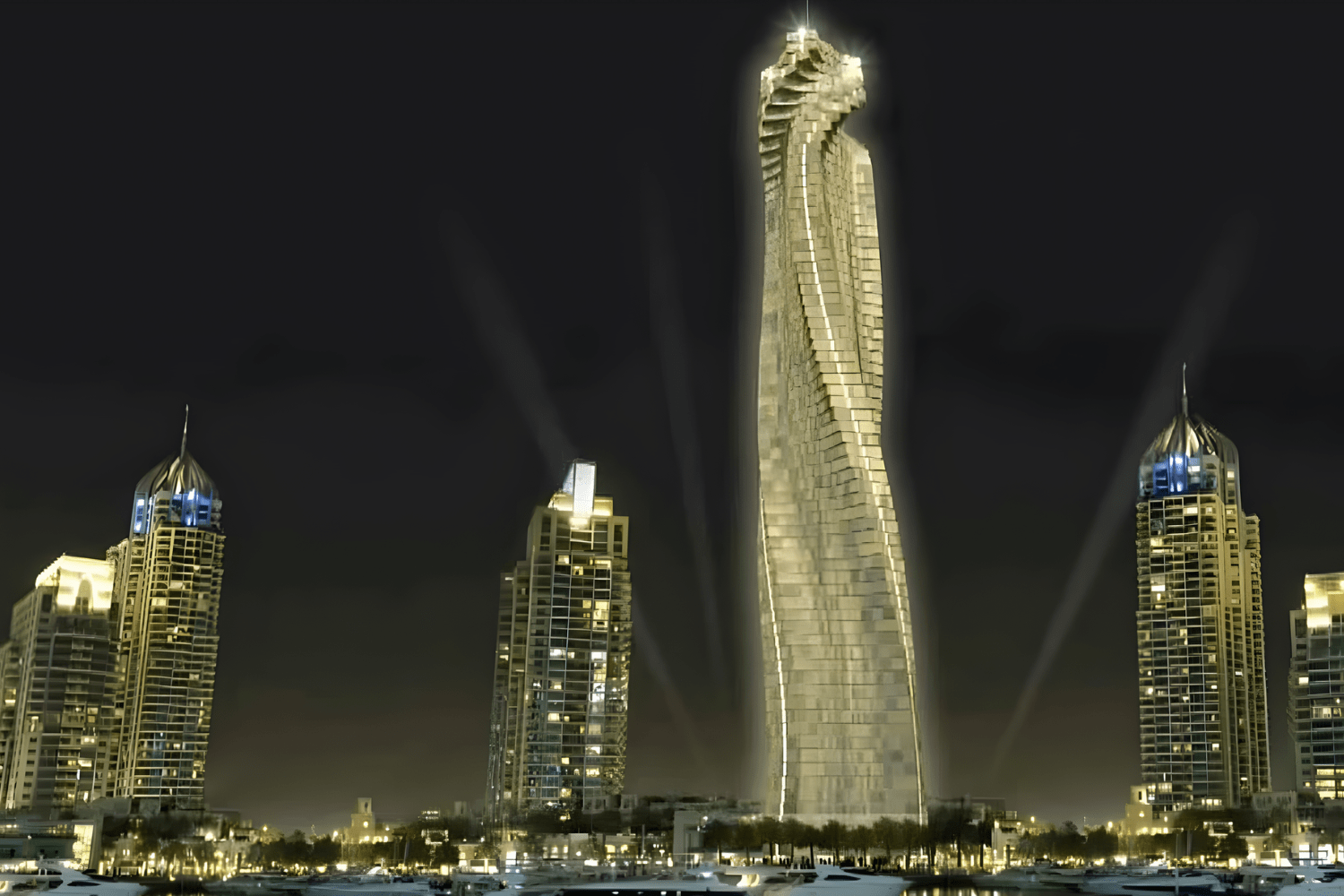
Proposed by architect David Fisher, the Dynamic Tower is one of the most ambitious concepts in dynamic architecture Dubai has ever seen. Also known as the Da Vinci Tower, this 420-meter, 80-floor dynamic architecture rotating tower was designed so each floor could rotate independently, allowing residents to control their 360-degree views via voice command. According to Wikipedia, the project has since been cancelled, but it remains an icon of the ambition that defines dynamic architecture building Dubai projects. Wind turbines placed between floors and rooftop solar panels were intended to make it entirely self-powered. The Dynamic Tower Dubai concept sparked global fascination for its futuristic vision and represents the potential for kinetic principles to be scaled to megastructures.
6. Sliding House, United Kingdom
Designed by dRMM Architects, the Sliding House features a movable outer shell that glides along tracks to reveal or enclose different parts of the home. This kinetic envelope changes the building’s layout, lighting conditions, and thermal properties. The design offers residents the ability to adapt their home to seasonal changes or personal preference. It is a powerful demonstration of how kinetic architecture can enhance residential flexibility and provides a practical answer to the question of how to build kinetic architectural models at a domestic scale.

7. Yas Marina Hotel (now W Abu Dhabi: Yas Island)
Situated above a Formula 1 racetrack, this hotel by Asymptote Architecture features a fluid steel-and-glass grid shell illuminated by a LED system that shifts colors and patterns. While not mechanically mobile in the traditional sense, the façade behaves dynamically through programmable lighting that responds to events and nighttime conditions. The building blurs the line between kinetic expression and digital dynamism architecture, offering a vibrant, ever-changing visual experience that expands our definition of what dynamic architecture can encompass.

8. ReACT Pavilion, Solar Decathlon Competition
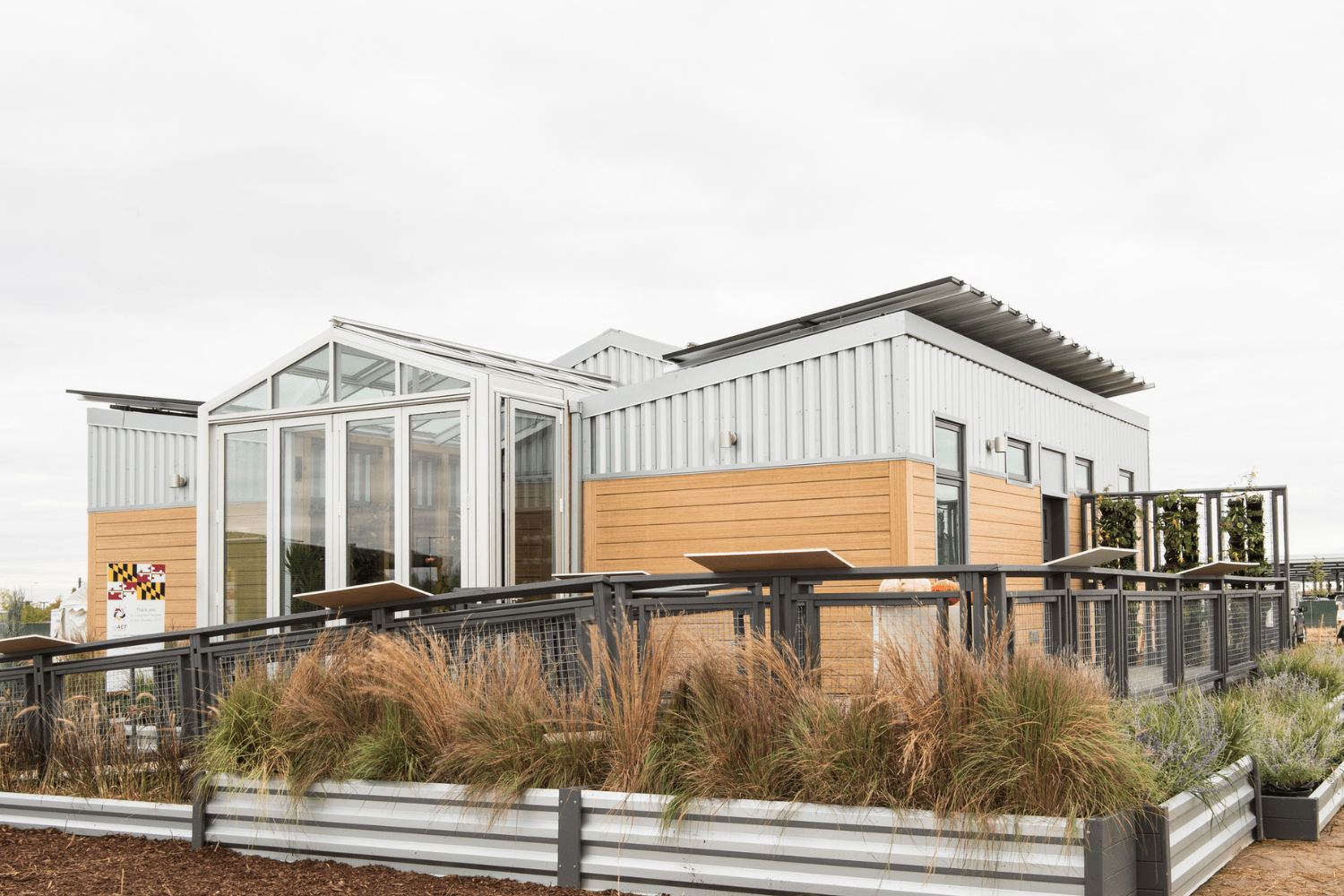
The ReACT (Resilient Adaptive Climate Technology) Pavilion, developed by students from the University of Maryland, showcased kinetic shading systems designed for sustainable living. Movable louvers, sliding screens, and adaptable thermal elements helped regulate the interior environment in response to weather patterns. The project highlights how kinetic strategies can support net-zero living and future-ready housing solutions, an approach that aligns closely with broader sustainable architecture principles.
9. Hoberman Arch, Salt Lake City
Designed by Chuck Hoberman, the Hoberman Arch served as a dynamic centerpiece for the 2002 Winter Olympics. This large-scale structure expands and contracts like a mechanical iris through a complex folding mechanism. Its captivating movements symbolize innovation and adaptability. Though temporary, the project remains one of the most iconic examples of kinetic architecture used for public spectacle and event design, and it is often used as a reference when discussing how to build kinetic architectural models using folding geometries.
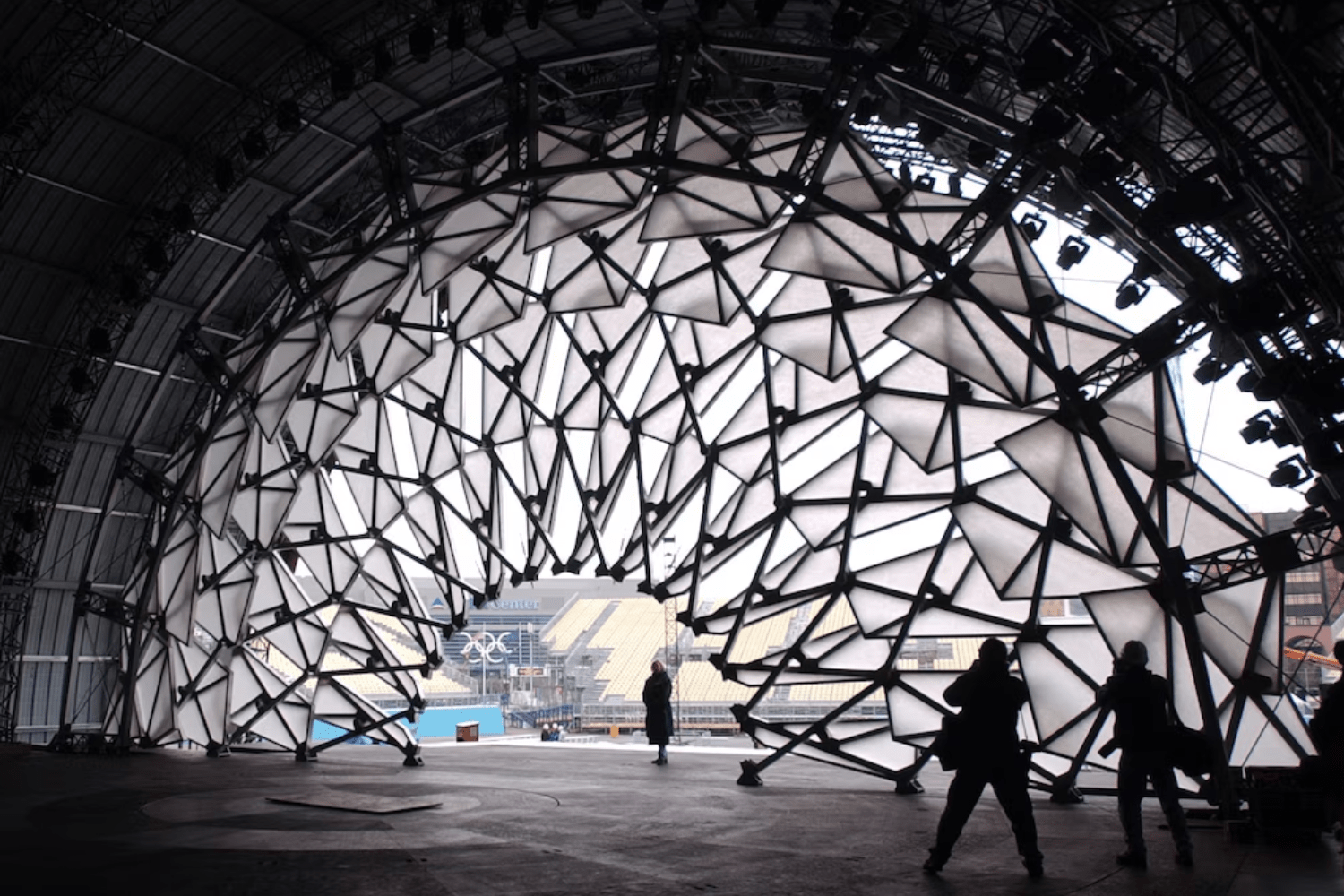
10. One Ocean Pavilion, South Korea
Created for the 2012 World Expo in Yeosu, the One Ocean Pavilion by soma architecture features a responsive kinetic façade inspired by ocean waves. Hundreds of perforated panels made from glass fiber-reinforced polymer move with the help of motors and sensors to mimic the fluid motion of water. The building not only communicates its marine theme but also uses movement to manage light, shadow, and ventilation. It stands as an elegant fusion of biomimicry and kinetic engineering, a concept known as dynamism architecture in academic circles.

Comparison of Top 10 Kinetic Architecture Projects
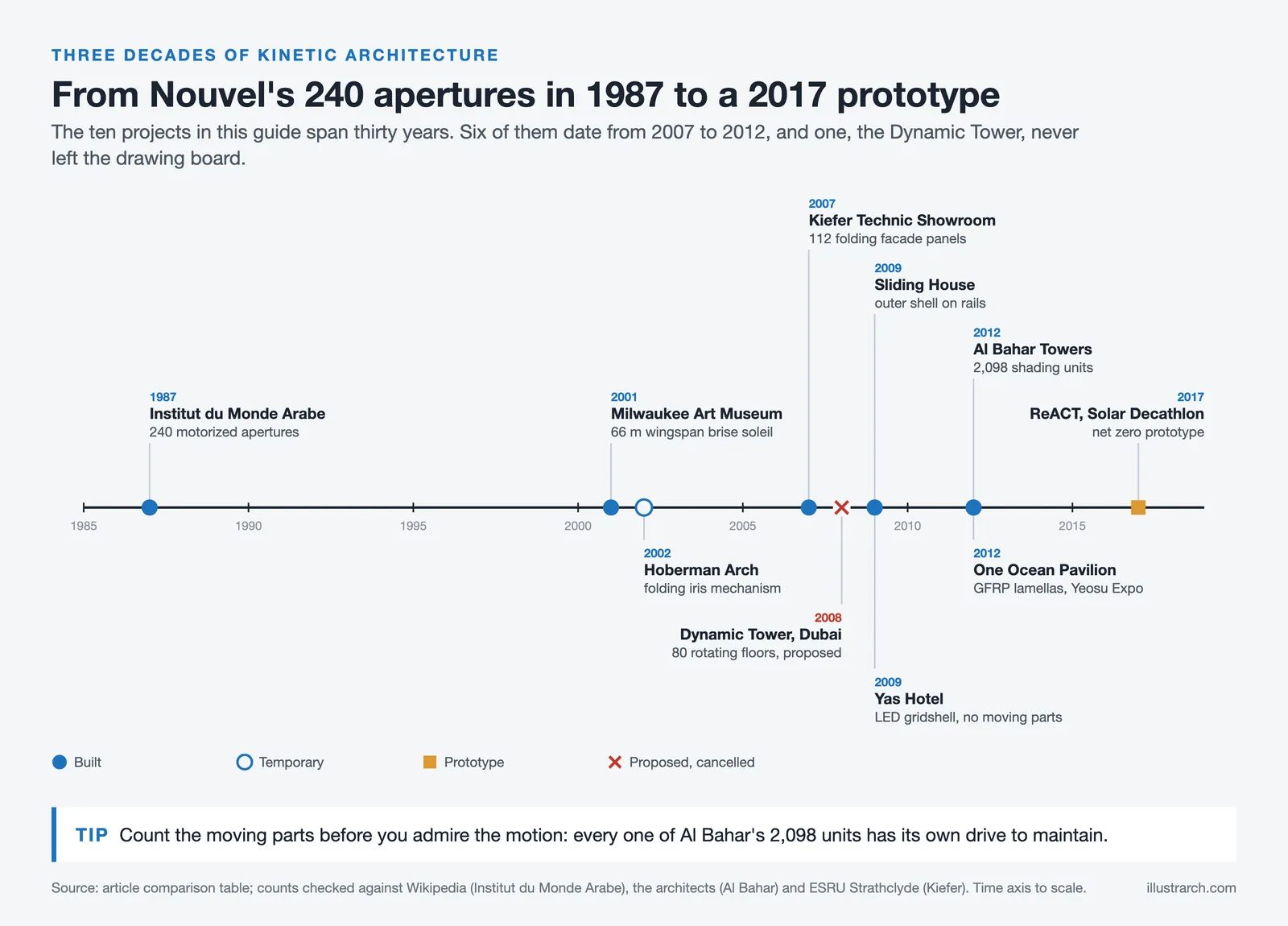
The table below provides a side-by-side comparison of all ten kinetic architecture projects featured in this article, covering their key specifications, kinetic mechanisms, and primary functions.
| Project | Architect / Designer | Location | Year | Kinetic System Type | Kinetic Mechanism | Primary Function | Status |
|---|---|---|---|---|---|---|---|
| Al Bahar Towers | Aedas Architects | Abu Dhabi, UAE | 2012 | Kinetic Facade | 2,098 motorized umbrella-like PTFE shading units | Solar shading & energy efficiency | ✅ Built |
| Kiefer Technic Showroom | Ernst Giselbrecht + Partner | Bad Gleichenberg, Austria | 2007 | Kinetic Facade | 112 motorized perforated aluminum folding panels | Light control & privacy | ✅ Built |
| Milwaukee Art Museum | Santiago Calatrava | Milwaukee, USA | 2001 | Kinetic Structure | Burke Brise Soleil movable wing (66 m wingspan) | Shading & iconic aesthetics | ✅ Built |
| Institut du Monde Arabe | Jean Nouvel | Paris, France | 1987 | Kinetic Facade | 240 mechanical diaphragms (camera-lens apertures) | Daylight regulation | ✅ Built |
| Dynamic Tower | David Fisher | Dubai, UAE | 2008 (proposed) | Kinetic Structure | 80 independently rotating floors (voice-activated) | 360° views & self-powered energy | ❌ Cancelled |
| Sliding House | dRMM Architects | Suffolk, UK | 2009 | Kinetic Structure | Movable outer shell on rail tracks | Residential flexibility & thermal control | ✅ Built |
| Yas Marina Hotel | Asymptote Architecture | Abu Dhabi, UAE | 2009 | Digital Kinetic Facade | Diamond-shaped glass panels with LED lighting on a steel grid shell | Dynamic visual expression | ✅ Built |
| ReACT Pavilion | University of Maryland | USA (Solar Decathlon) | 2017 | Kinetic Facade | Movable louvers, sliding screens & thermal elements | Net-zero shading & climate adaptation | ✅ Built (Prototype) |
| Hoberman Arch | Chuck Hoberman | Salt Lake City, USA | 2002 | Kinetic Structure | Folding iris mechanism (scissor-pair geometry) | Public spectacle & event design | ⏳ Temporary |
| One Ocean Pavilion | soma architecture | Yeosu, South Korea | 2012 | Kinetic Facade | GFRP lamellas with motors & sensors | Biomimetic light & ventilation control | ✅ Built |
Types of Kinetic Architecture Systems
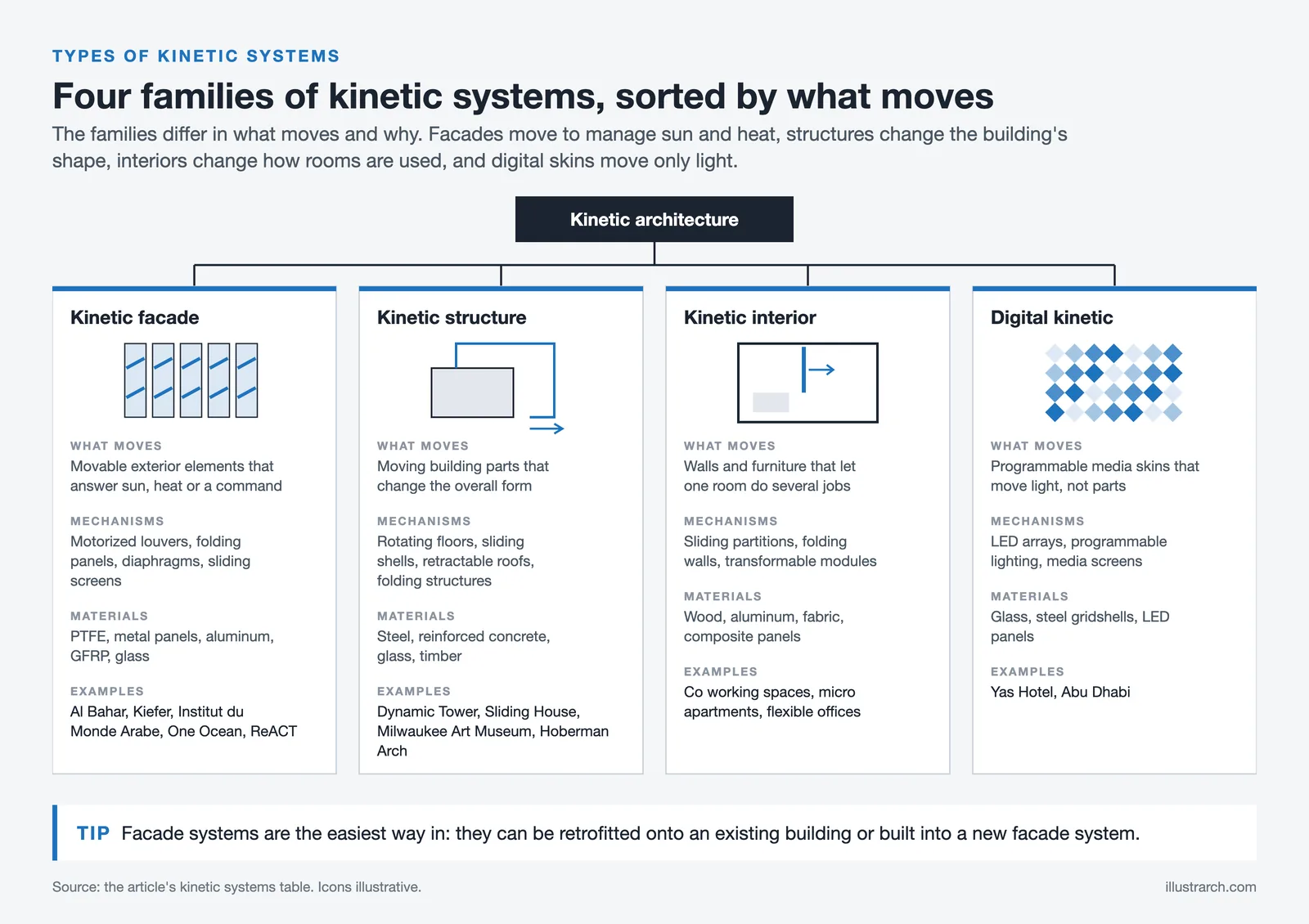
Understanding kinetics in architecture requires familiarity with the main categories of kinetic systems. Kinetic facade systems, like those on the Al Bahar Towers and the Kiefer Technic Showroom, involve movable exterior elements, louvers, panels, or screens, that respond to sunlight, temperature, or user commands. Kinetic structure systems involve movable building components such as the Sliding House’s shell or retractable stadium roofs, which physically reconfigure the building’s form. Kinetic interior systems include movable walls, reconfigurable partitions, and transformable furniture that adapt spaces to different functions. For those interested in affordable dynamic glazing for architectural projects, facade-based solutions offer the most accessible entry point, as they can be retrofitted onto existing structures or integrated into new facade material systems.
Kinetic Architecture Systems: Types, Mechanisms & Applications
The following table breaks down the four main categories of kinetic systems used in architecture, along with their typical mechanisms, materials, and real-world applications from the projects discussed above.
| System Type | Description | Typical Mechanisms | Common Materials | Featured Projects | Best For |
|---|---|---|---|---|---|
| Kinetic Facade Systems | Movable exterior elements (louvers, panels, screens) that respond to sunlight, temperature, or user commands | Motorized louvers, folding panels, mechanical diaphragms, sliding screens | PTFE, stainless steel, aluminum, GFRP, glass | Al Bahar Towers, Kiefer Technic Showroom, Institut du Monde Arabe, One Ocean Pavilion, ReACT Pavilion | Energy efficiency, solar shading, daylight control, retrofitting existing buildings |
| Kinetic Structure Systems | Movable building components that physically reconfigure the building’s overall form | Rotating floors, sliding shells, retractable roofs, folding structures | Steel, reinforced concrete, glass, engineered timber | Dynamic Tower, Sliding House, Milwaukee Art Museum, Hoberman Arch | Spatial flexibility, iconic landmarks, event architecture, residential customization |
| Kinetic Interior Systems | Movable walls, reconfigurable partitions, and transformable furniture that adapt spaces to different functions | Sliding partitions, folding walls, transformable modules, motorized furniture | Wood, aluminum, fabric, composite panels | Commonly used in co-working spaces, micro-apartments, flexible offices | Multi-functional spaces, compact living, adaptive workplaces |
| Digital Kinetic Systems | Programmable LED or media facades that create dynamic visual effects without physical movement | LED arrays, programmable lighting, responsive media screens | Glass, steel grid shells, LED panels, fiber optics | Yas Marina Hotel | Event-driven visual expression, hospitality branding, entertainment architecture |
The Role of Technology in Dynamic Architecture
Modern dynamic architecture relies on a sophisticated interplay of sensors, actuators, and control algorithms. Environmental sensors detect variables such as solar angle, wind speed, temperature, and humidity. Actuators, typically motorized or pneumatic, translate these data inputs into physical movement. Control systems, increasingly powered by AI and machine learning, optimize the timing and degree of movement for maximum energy savings. This technology stack is what separates contemporary kinetic architecture from its historical predecessors. Where medieval drawbridges relied on manual operation, today’s buildings can autonomously adjust their facades and structures in real time. For architects and students exploring parametric design, kinetic systems offer a natural extension of algorithm-driven form-finding into the physical realm.
Technology Stack Behind Kinetic Architecture
This table outlines the core technology components that power modern kinetic architecture systems, from environmental sensing to AI-driven control algorithms.
| Technology Layer | Function | Key Components | Example in Practice |
|---|---|---|---|
| Environmental Sensors | Detect external conditions such as solar angle, wind speed, temperature, and humidity | Photosensors, anemometers, thermocouples, hygrometers, sun-tracking sensors | Al Bahar Towers move on pre-programmed sun-tracking software, while a rooftop light meter and anemometer open all units in overcast or high wind conditions |
| Actuators | Convert sensor data into physical movement of building elements | Electric motors, pneumatic pistons, hydraulic cylinders, linear actuators, shape-memory alloys | Kiefer Technic Showroom uses electric motors to fold and unfold 112 perforated aluminum panels |
| Control Systems (BMS) | Coordinate and optimize facade or structural movement through algorithms | Building Management Systems (BMS), PLCs, microcontrollers, IoT gateways | Al Bahar Towers’ BMS coordinates 2,098 shading units to respond independently based on facade orientation |
| Computational Design Tools | Simulate and optimize kinetic behavior during the design phase | Grasshopper, Rhino, Ladybug Tools, Dynamo, custom parametric scripts | One Ocean Pavilion’s GFRP lamellas were designed using parametric software to simulate wave-like motion |
| AI & Machine Learning | Enable predictive and self-learning optimization of kinetic responses | Reinforcement learning algorithms, neural networks, predictive weather models | Emerging research applies RL controllers to kinetic facades for real-time multi-objective comfort optimization |
| Energy Systems | Power the kinetic mechanisms sustainably, sometimes generating surplus energy | Photovoltaic panels, wind turbines, battery storage, regenerative drives | Dynamic Tower proposed 48 wind turbines between floors and rooftop solar panels for full self-power capability |
Energy Performance & Sustainability Impact of Kinetic Architecture
One of the most compelling arguments for kinetic architecture is its measurable impact on energy performance. The table below summarizes the reported energy savings, sustainability certifications, and environmental benefits of kinetic projects where data is available.
| Project | Solar Heat Gain Reduction | Estimated Energy Savings | CO₂ Reduction | Sustainability Certifications / Features |
|---|---|---|---|---|
| Al Bahar Towers | Up to 50% | Up to 50% reduction in energy consumption | ~1,750 tonnes/year | LEED Silver certified; rooftop photovoltaic panels; reduced reliance on tinted glass, artificial lighting, and mechanical cooling |
| Kiefer Technic Showroom | Significant (varies by panel position) | Reduced cooling & artificial lighting loads | : | User-controllable daylight optimization; eliminates need for internal blinds |
| Institut du Monde Arabe | Moderate (light regulation focused) | Reduced artificial lighting through daylight harvesting | : | Pioneer of automated daylight management (1987); cultural-technological integration |
| Dynamic Tower (Proposed) | N/A (rotational design) | Designed to be fully self-powered with surplus energy | Designed for net-zero or net-positive operation | 48 horizontal wind turbines between floors; rooftop solar panels; 90% prefabricated construction |
| ReACT Pavilion | High (adaptive shading) | Designed for net-zero energy consumption | : | Solar Decathlon competition entry; adaptable thermal regulation; future-ready housing prototype |
| One Ocean Pavilion | Moderate to high | Reduced cooling loads via responsive ventilation | : | Biomimetic design; GFRP panels for lightweight, durable kinetic performance |
| Kinetic Facades (General Research) | 30%-50% (varies by climate) | Up to 30% reduction in cooling/heating energy; up to 43% vs. unshaded buildings | Indoor air temperature reduced by 4.0-4.8°C | Research-backed performance improvements published across multiple academic studies |
These ten projects illustrate how kinetic architecture is expanding the possibilities of design by integrating motion, intelligence, and responsiveness into buildings. Whether improving energy efficiency, enhancing user experience, or expressing futuristic aesthetics, kinetic elements can redefine how structures interact with their environment. From the climate-responsive dynamic architecture building facades of Abu Dhabi to the conceptual ambition of the Dynamic Tower Dubai, these examples demonstrate that architecture no longer needs to be still. As technologies continue to evolve, including AI, smart materials, and IoT, kinetic architecture will play an increasingly important role in shaping adaptable, sustainable, and visually dynamic buildings for the future.


1 Comment




Interior Design for Commercial Spaces: Enhancing Functionality and Brand Identity
Commercial interior design has to serve brand, function and regulation at once....
Begum Gumusel4 Mins read
Futuro House Production Revived in Finland After Decades-Long Hiatus
A Facebook listing for abandoned moulds led to the first new Futuro...
 illustrarch Editoral Team3 Mins read
Building Your Dream Home in NSW: What You Should Know About Montgomery Homes
Montgomery Homes has been building across Sydney, Newcastle, the Hunter, Wollongong and...
illustrarch Editoral Team4 Mins read
Designing a Home Theater: Where Drapery Fits Into the Plan
In a media room the curtains are a performance layer, not decoration....
illustrarch Editoral Team3 Mins read


This article talks about buildings that can move and change. It sounds interesting, but I don’t know much about architecture. The examples are nice, but I’m not sure how they would work in real life.